Full Article
about Labuerda
Hide article Read full article
Early hours in a small Pyrenean village
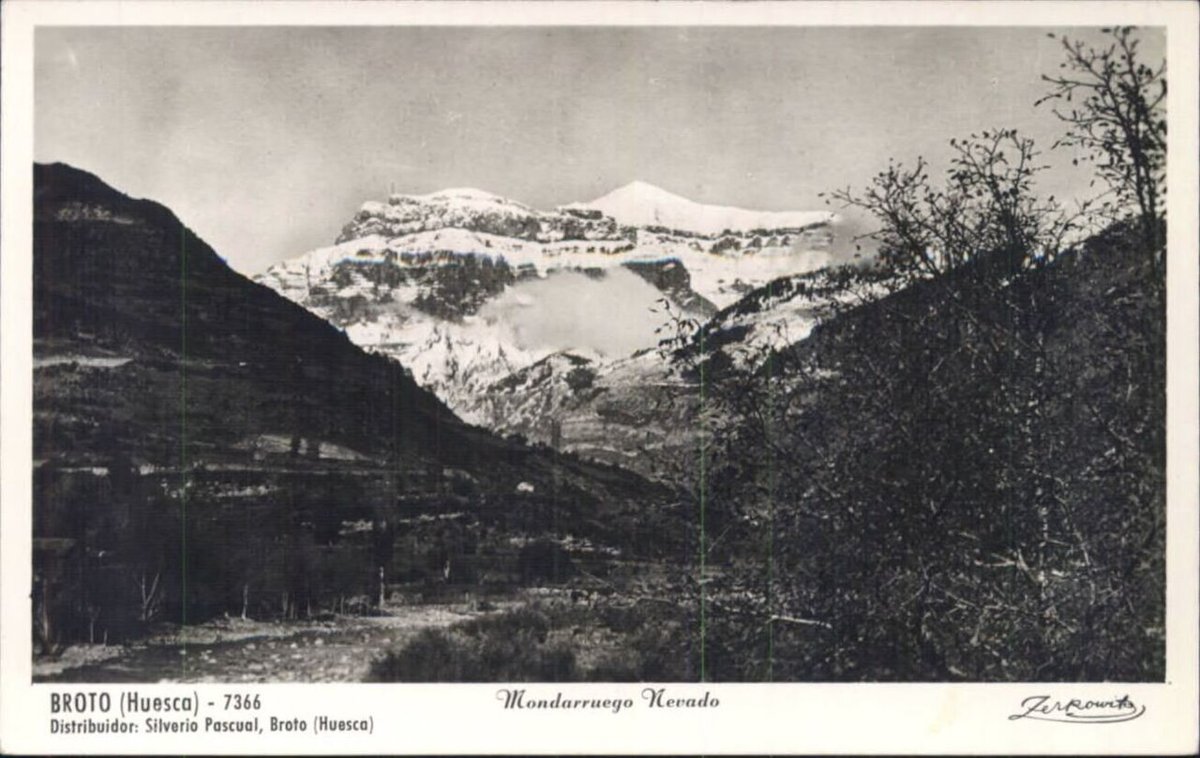
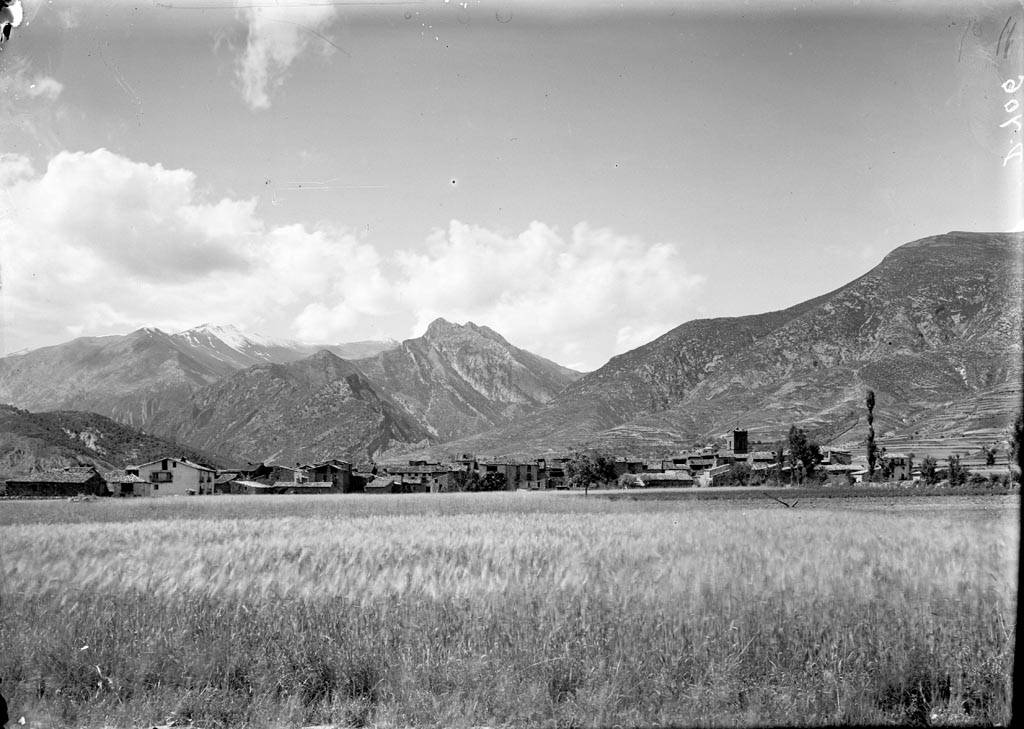
At first light, before the sun clears the mountain tops, Labuerda is defined by quiet sounds: footsteps on stone, a cockerel calling from a nearby yard. The streets are still half empty and cool air drifts down from the Cinca valley. Fewer than two hundred people live here, in the Sobrarbe region of Aragon, spread across stone houses with dark roofs that seem to cling to the hillside when seen from below.
Labuerda sits just a few minutes by car from Aínsa and within what counts as a short distance in the Pyrenees from several valleys stretching north. Many visitors use it as a calm base for exploring the area. Ordesa can be reached in a reasonable drive, while to the east, roads lead into narrower, quieter valleys with less traffic. Coming from Huesca involves passing through Barbastro and following the valley upwards. As the road climbs, the landscape becomes more rugged and the river starts to appear between the trees.
The shape of the village
The parish church of San Pedro provides the main point of reference. It is not especially large or grand, yet its presence is visible from most streets. Parts of the building date back to Romanesque origins, combined with later alterations. The entrance is a heavy, dark wooden door, and the bell tower marks the hours with a sound that carries clearly when the valley is still.
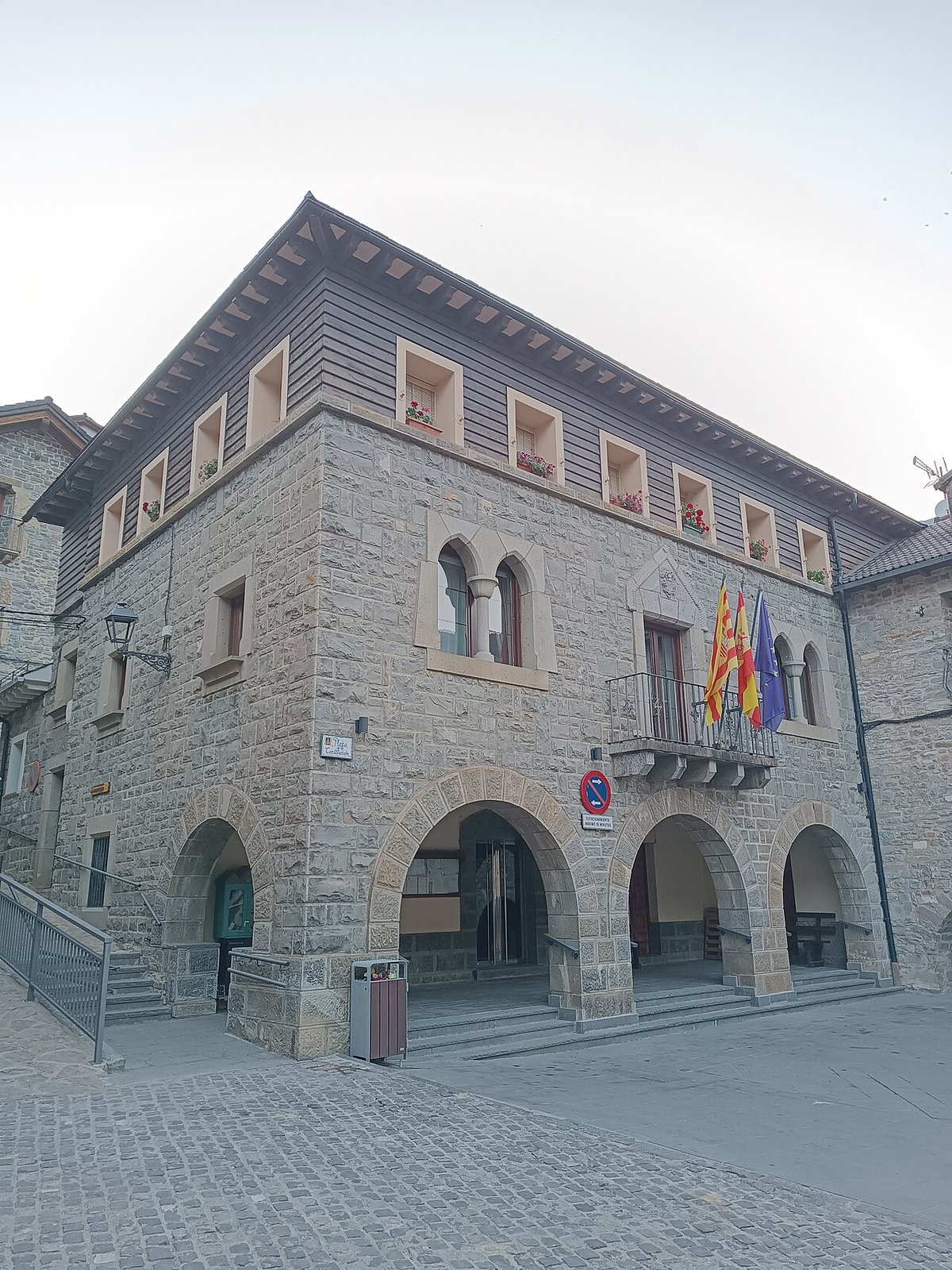
The old centre is compact and easy to walk through at a relaxed pace. Streets are narrow and paved with stone, lined with houses that share walls and have wooden balconies. Laundry or potted plants sometimes hang above the street. On several façades there are carved stone coats of arms, a common feature in villages across Sobrarbe. Between one street and the next, small openings reveal the Cinca valley below: a strip of green running between mountains, changing colour noticeably with the seasons.
Walking beyond the last houses
Stepping outside the village on foot is one of the simplest ways to understand Labuerda. Paths lead to nearby settlements or descend towards the river. There is no need for a long route. Within minutes of leaving the final houses behind, the surroundings shift into woodland where the ground smells of damp earth and pine.
Autumn stands out in particular, with patches of yellow and red appearing among the darker green of the pine forests. In summer, walking is best done early or later in the day, as the midday sun can be strong in open areas.
After time outdoors, the food typical of the region reflects its mountain setting. Dishes tend to be straightforward and filling: slow-cooked stews, roasted meats, and cured sausages. It is the kind of cooking suited to long days outside rather than elaborate presentation.
A practical base in Sobrarbe
Labuerda’s location makes it a useful starting point for moving around Sobrarbe. Aínsa is only a short drive away and offers more services, and from there roads branch out towards different valleys in the Aragonese Pyrenees. Travelling here always takes a bit of time, though. Roads are winding, often narrow, and the scenery shifts constantly along the way.
From spring through to autumn is generally the most convenient period to explore the area. In spring, the valley turns intensely green and the river runs strong. Summer brings longer days and more activity across the region. Autumn, with forests changing colour, is probably the quietest time.
Winter alters the atmosphere. There are fewer people around, mornings are cold, and the light becomes especially clear when the sky is cloudless.
A place to slow down
Labuerda is small enough to walk across in a couple of hours without rushing. Its appeal grows when combined with walks in the surrounding landscape or visits to other villages in Sobrarbe.
Outside the busier months, some services reduce their hours or close on certain days, something to bear in mind, especially for weekday visits. It also makes sense to leave the car in designated areas at the entrance and continue on foot, as the central streets are narrow and not always easy to navigate by vehicle.
The interest here does not lie in ticking off sights quickly. It comes from letting time pass: hearing the river somewhere below in the valley, watching the light shift across the mountains, and wandering without much of a plan among houses that have stood in the same place for centuries.