Full Article
about Puértolas
Hide article Read full article
A village that explains itself
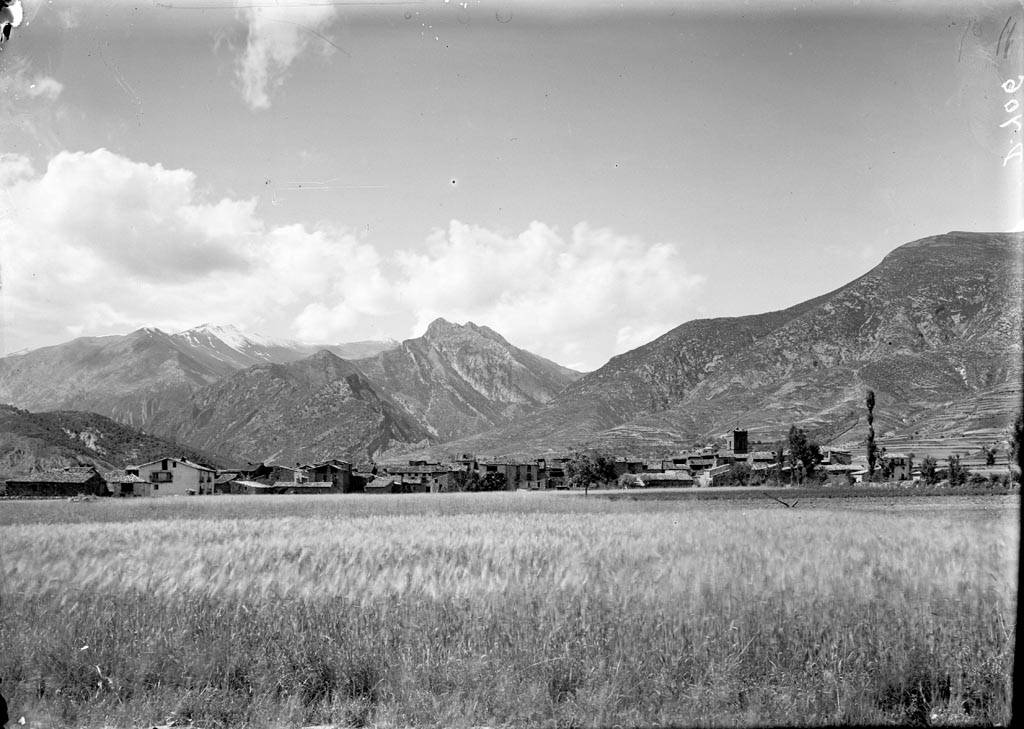
Some places make sense almost immediately. Puértolas is one of them. There is no need for leaflets or interpretation panels. Stone houses, a deep quiet and, if luck is on your side, the distant clink of cowbells drifting down from the meadows. Set in the Sobrarbe region and over a thousand metres above sea level, Puértolas keeps things simple.
There are no large museums and no streets designed for browsing shop windows. The idea is different. Walk through the village centre, sit near a fountain, look out towards the mountains and notice the pace of life. Anyone expecting souvenir shops or a kind of seaside promenade transplanted to the mountains should look elsewhere. For those curious about a Pyrenean village that is still lived in rather than staged, this is a place worth stopping.
The heart of the village
The church of San Martín stands at one of the most visible points in the village. It has Romanesque origins and a plain appearance, though it has been altered over time. Its square bell tower can be seen from several spots and becomes a useful reference when returning from walks nearby.
The layout follows the slope, so straight streets are not part of the picture. There are short climbs, narrow lanes and houses built from local stone. Some still have wooden balconies worn by the weather, and in summer these often hold pots and aromatic plants.
Several public fountains remain in use. It is a small detail, yet it says a lot. This is not a place arranged for a quick photograph, but somewhere people continue their daily routines.
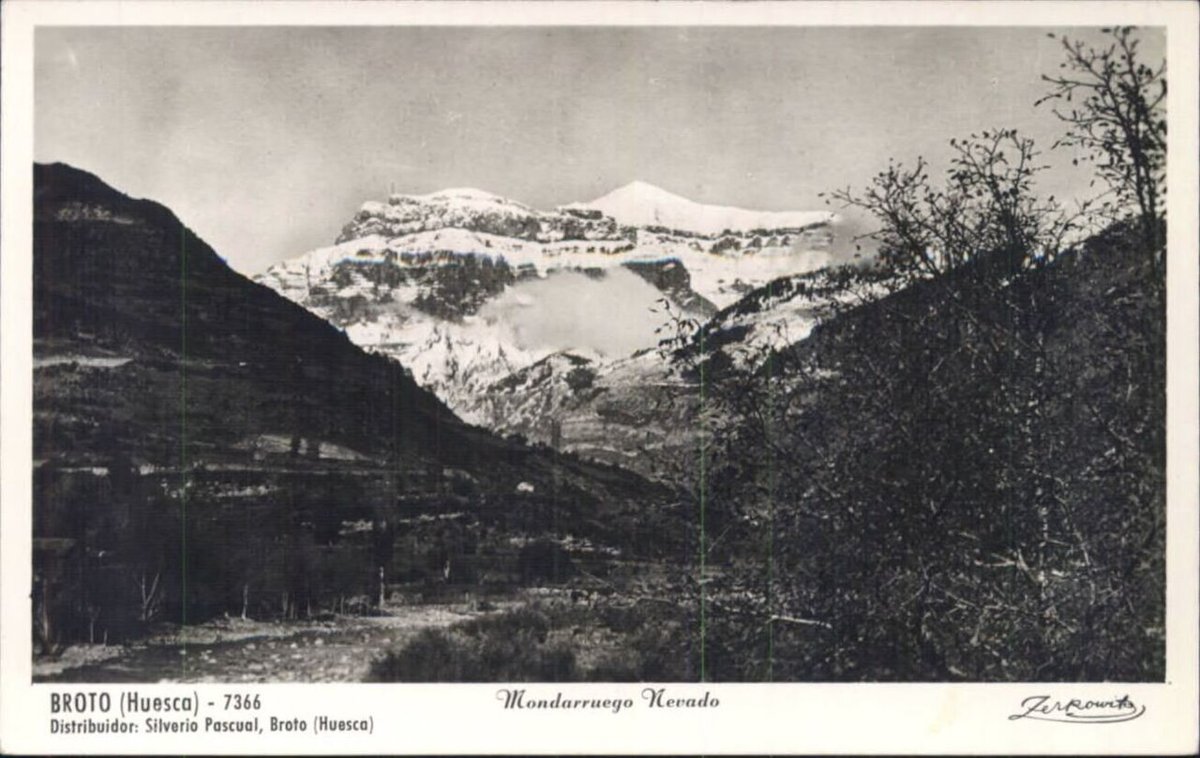
From around the village, on a clear day, the mountains that mark the edge of Ordesa y Monte Perdido National Park come into view. Puértolas is not inside the park, but close enough to feel how much the landscape revolves around those peaks.
Walking out of the village
One practical aspect of Puértolas is that walking routes begin almost at the doorstep. There is no need to drive to get started.
Some paths climb towards high pastures where livestock graze during the summer. These are straightforward walks, the kind taken without watching the clock too closely. Others lead deeper into the hills and demand more effort if the aim is to reach mountain passes or natural viewpoints.
The surrounding woods include beech and fir trees. Early in the morning or late in the day, it is not unusual to come across a roe deer. Wild boar also live in the area, though their presence is more often noticed through tracks than sightings.
Eating in the valley
Food here is direct and rooted in what the land provides. Lamb is common, along with filling stews, vegetables from local gardens and mushrooms when autumn brings enough rain.
Sheep’s cheese tends to have a strong character. It is also typical to find cured meats prepared in local homes, following recipes passed down through generations. Dishes are not elaborate. The idea is to eat well and carry on with the day.
When the atmosphere shifts
For much of the year, Puértolas is quiet. At certain times, that changes.
The feast of San Martín, held around November, brings residents together for religious events and shared meals. It is closely tied to local tradition.
In summer, especially in August, the mood becomes livelier. People with family connections to the village return for a few days, and there are open-air dances, traditional music and games of pelota at the frontón, a court used for a regional ball sport. During this period, the village feels more social and noticeably louder.
Getting there
From Huesca, the usual route heads down towards Barbastro and then continues in the direction of Aínsa. From there, smaller roads lead into the deeper parts of Sobrarbe.
The final stretch includes bends and narrower sections, which is typical for this part of the Pyrenees. Driving calmly helps, and it is worth accepting that the journey is part of the experience.
Even in summer, nights can turn cool. For walking, proper footwear is advisable, and checking the weather beforehand makes sense.
Choosing the moment
Each season changes the landscape in visible ways.
Summer brings long days suited to unhurried walks. In autumn, the hills turn yellow and ochre, and more people head into the woods in search of mushrooms. Winter means serious cold and sometimes snow, with the village at its quietest.
Spring and early autumn tend to be especially comfortable for walking, with fewer visitors and milder temperatures. The overall plan does not vary much through the year. What shifts is the colour of the surroundings and the kind of silence you find.