Full Article
about San Juan de Plan
Hide article Read full article
A village that reveals itself slowly
Some Pyrenean villages seem made to be photographed. San Juan de Plan is different. It does not immediately catch the eye, yet after a short walk through its streets, things begin to fall into place. Tourism here follows that same rhythm: less display, more everyday life in a mountain valley.
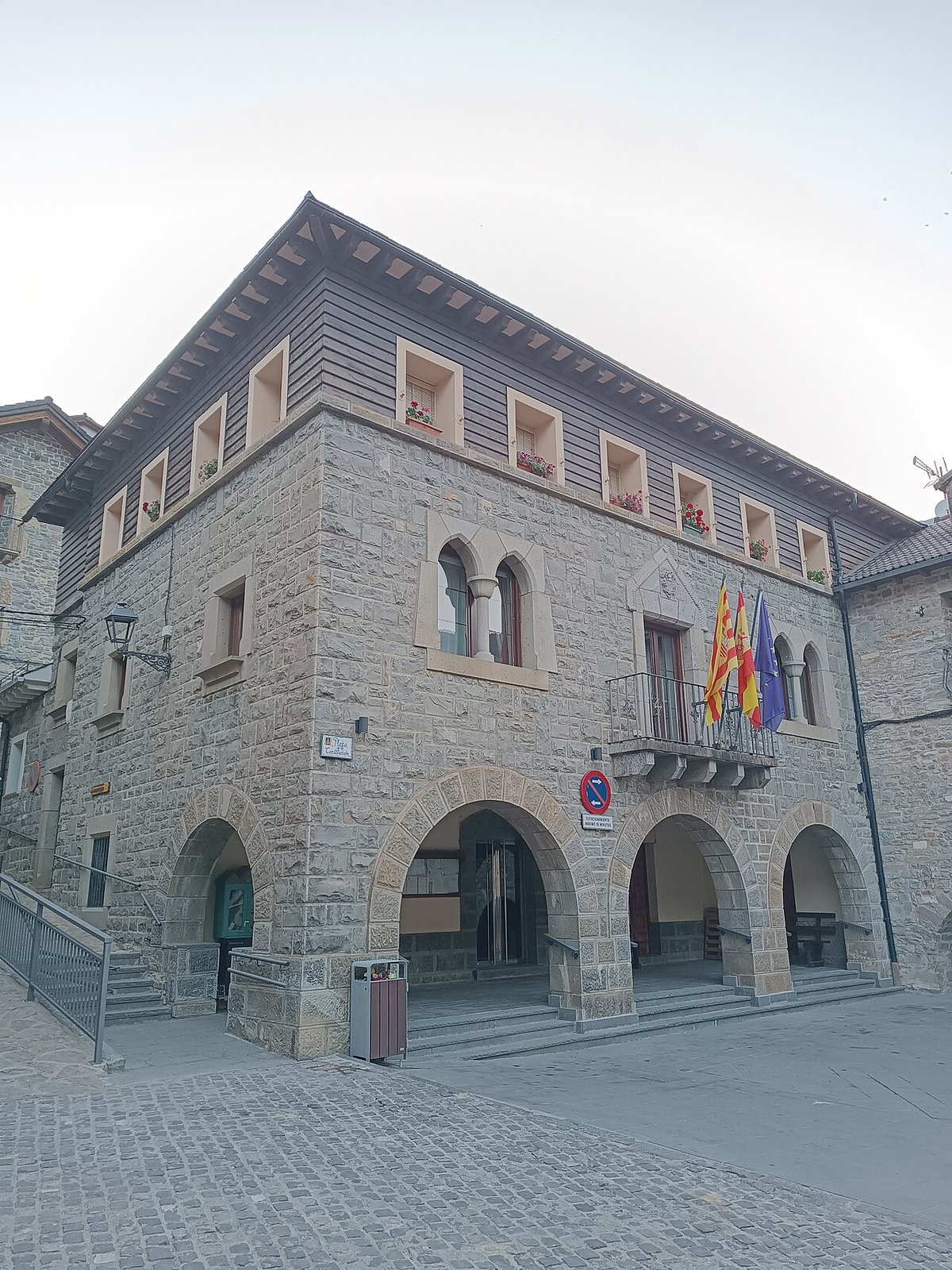
This small settlement in the Sobrarbe area has around 150 residents and sits at over 1,000 metres above sea level. Its layout still reflects how people lived in these mountains not so long ago. Stone and timber houses, slate roofs curved to hold the weight of snow, and iron balconies where things are still left out to dry in the sun. The streets are narrow and sloping, the sort where parking comes with a quick double check of the handbrake.
There are no major attractions or staged experiences. What surrounds the village are meadows that shift with the seasons, forests climbing up the hillsides, and the steady sound of water down in the valley, most likely from the Cinqueta river, which shapes this part of the Chistau valley.
Walking the streets, noticing the small things
San Juan de Plan can be covered quickly, but it rewards a slower pace. Not because of grand monuments, but because of the details: slightly worn stone doorways, dates carved into lintels, and small fountains still running with cold water even in August.
The church dedicated to San Juan Bautista stands out within the village centre. Its current form includes changes from different periods, which is common in mountain settlements where buildings have been adapted over centuries.
Nearby, the old washhouse still exists. It is not presented as a museum or exhibit, just a space that occasionally returns to its original use when someone decides to revive older routines.
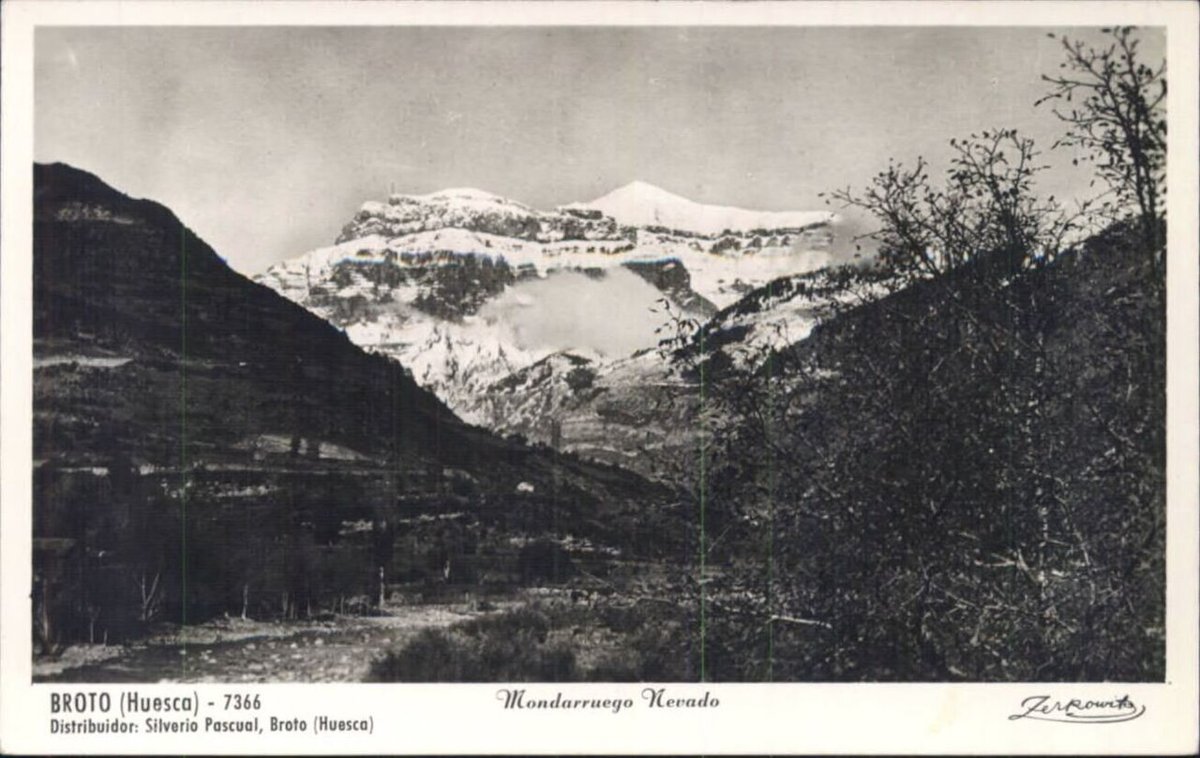
From certain points in the village, on clear days, the view opens out towards the mountains surrounding the Chistau valley. It is not always easy to name specific peaks, but the impression is unmistakable: this is serious mountain country.
As soon as you leave the built-up area, enclosed meadows appear, bordered by dry stone walls. Many are still grazed by sheep or goats for much of the year. This is not decorative rural scenery, it is the foundation of the local economy that has sustained these villages for generations.
Paths that begin at your doorstep
One of the practical advantages of San Juan de Plan is that walking routes start almost immediately. There is no need to drive anywhere to begin exploring. Several paths lead out from the village into the valley and up the surrounding slopes.
Some are gentle walks through meadows dotted with scattered farm buildings known locally as bordas. Others head into denser woodland. Early in the morning, or simply by walking quietly, it is quite common to notice movement on the hillsides. Rebecos, a type of Pyrenean chamois, and marmots appear more often than expected.
Signposting does exist, but it is not always detailed enough to guide you step by step. For longer routes, carrying a map or GPS is a sensible choice.
Higher up, there are small ibones, which are mountain lakes typical of the Pyrenees, and areas of waterfalls fed by the spring thaw. These places tend to remain quiet, partly because reaching them requires a longer walk.
Traditions rooted in local life
In a village of this size, festivals are not organised for visitors. They take place because they matter to the people who live here. The main celebration is usually held at the end of August, centred around the church and the main square.
On the day of San Juan in late June, bonfires are traditionally lit. It is a mix of religious observance and older customs, something still preserved in many Pyrenean communities.
Stories connected to pastoral life remain very present. Transhumance, the seasonal movement of livestock between grazing areas, shaped these valleys for centuries. There are still residents who remember how herds were moved as the year progressed.
Winter changes the atmosphere completely. When snow arrives, the village grows quiet and the scent of firewood begins to drift from chimneys by mid-afternoon. It becomes a place where life happens mostly indoors during the coldest months.
When to experience San Juan de Plan
Summer is when the valley feels most active. The days are long, the paths are clear, and it is easy to come across people working in the meadows or moving livestock.
For many, autumn is the most appealing season. Forests shift in colour and there are noticeably fewer visitors. Walking the paths at this time has a calm, unhurried quality.
Winter depends entirely on snowfall. When it arrives heavily, the landscape transforms. Some paths are then used with snowshoes or cross-country skis, although it is important to check conditions carefully before heading out.
San Juan de Plan is not a place of big sights or tightly packed itineraries. It is somewhere to spend a few hours walking, observing, and gradually understanding how life fits together in a Pyrenean valley.