Full Article
about Anon de Moncayo
Hide article Read full article
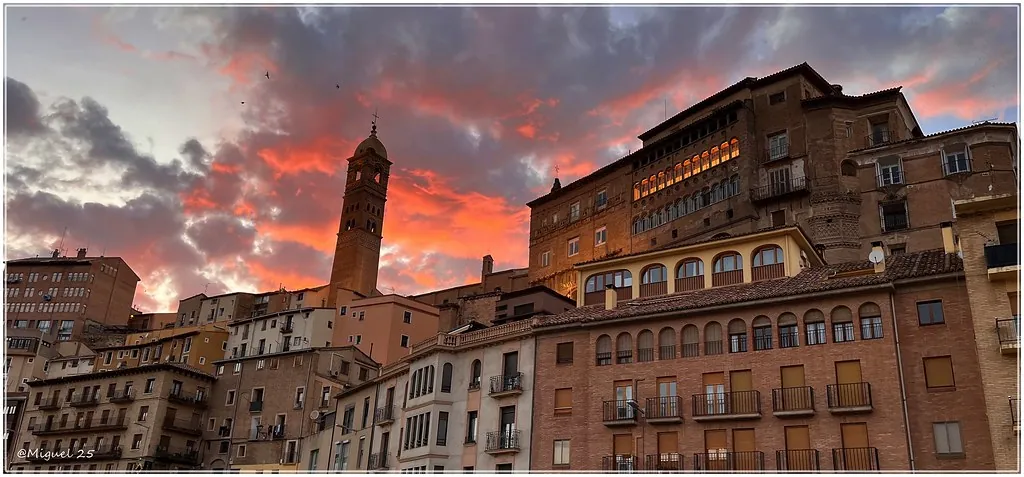
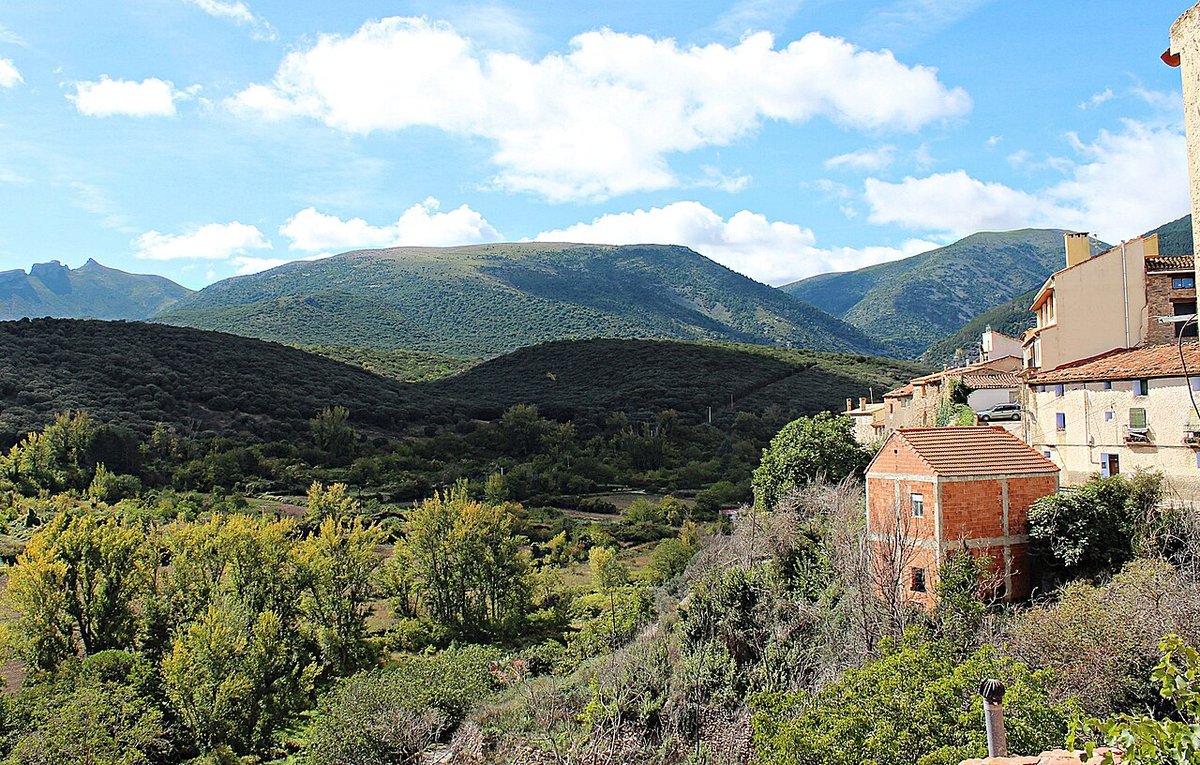
Late in the afternoon, as the sun drops behind the Moncayo, Añón de Moncayo falls partly into shadow. The stone of the houses shifts in tone, moving from grey to ochre depending on the light. At that hour, sound carries very little: a door closing somewhere, the brief pass of a car along the main street, the steady presence of the river down in the valley.
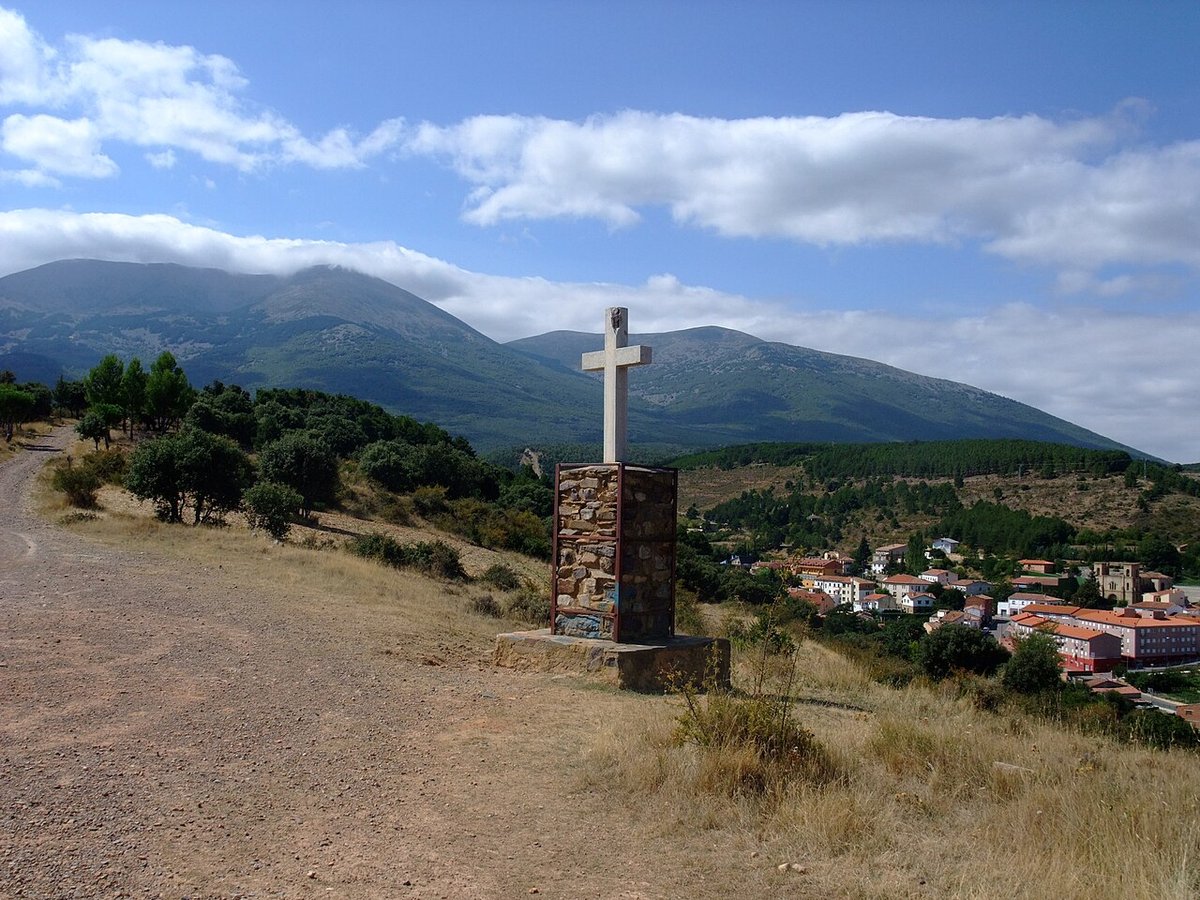
Añón de Moncayo sits in the comarca of Tarazona y el Moncayo, at over eight hundred metres above sea level. The village gathers along the hillside, with the mountain close at hand. On clear days, the outline of the Moncayo rises behind it like a dark wall that defines the whole landscape.
When evening settles over the village
The streets climb and dip with a noticeable slope. They are not long. The old centre can be covered in a matter of minutes, where masonry houses still stand with iron balconies and worn wooden doors.
Some chimneys rise above the curved tile roofs. In winter, around dusk, the smell of firewood tends to linger in the air. The village is small, and it quickly becomes clear when more people arrive from outside. During the week, especially in the colder months, everything feels quieter.
The church and the heart of Añón
The parish church of San Blas is easy to spot thanks to its tower. It stands out above the rooftops and can be seen from various points in the valley. The building combines elements from different periods, something fairly common in villages across this part of Aragón.
Around it lies the most open area of the village. Streets widen slightly here, and this is where daily life is most visible: neighbours stopping for a chat, cars pulling in and moving on again, the occasional walker adjusting a backpack before heading up towards the mountain.
Castle remains on the hillside
Above the village, the remains of the castle of Añón still hold their place. It is not a complete fortress, more a series of surviving walls that hint at what once stood there. Even so, the location becomes clear in purpose when looking out from this point.
From here, the valley of the Añamaza river opens up fully. Lower fields stretch out below, followed by the first clusters of woodland and, beyond them, the mountain. It becomes easy to understand why this spot held strategic value centuries ago.
The walk up is short but includes a steady incline. After rain, the ground can be slippery.
Paths leading towards the Moncayo
Añón de Moncayo lies very close to the Parque Natural del Moncayo. Many of the paths that begin in the village quickly enter wooded areas. Oaks, beeches and pines appear as the ground rises.
In autumn, the mountain changes noticeably. Leaves cover the paths, and the colours of the forest deepen into darker reds and browns. In spring, the green becomes more intense, and water runs more strongly through ravines and springs.
Some of these routes continue towards higher parts of the park and even towards the summit, though those journeys require more time and a degree of preparation. It is advisable to check conditions beforehand, especially after snowfall or several days of rain.
Festivals and times of year
Life in the village shifts at certain moments of the year. In February, San Blas, the patron saint, is traditionally celebrated. It is one of those smaller festivals where almost everyone in the village takes part.
Summer brings more families and people who have homes here. The streets grow livelier in the evenings, and events take place over several days. In September, a romería, a traditional pilgrimage walk, usually heads towards the area of the Moncayo hermitage, combining a shared walk with long-standing customs.
Getting there and choosing when to go
Añón de Moncayo is about ninety kilometres from Zaragoza. The usual route passes through Tarazona, then continues along a narrower road that winds into the valley. The final stretch includes a series of bends, and if there is fog or darkness falls, it is best taken slowly.
Spring and autumn are often the most rewarding seasons for walking in the area. In summer, the heat can be intense in the middle of the day, though evenings cool earlier than in the lowlands. Winter brings a quieter atmosphere; snow sometimes settles on the higher parts of the Moncayo, and the village can wake to frost covering the rooftops.