Full Article
about Grisel
Hide article Read full article
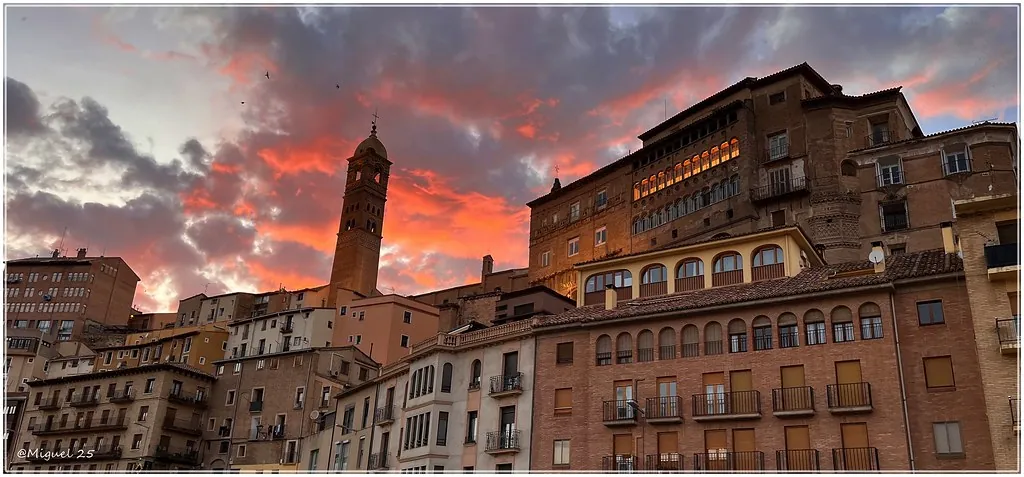
At eight in the morning, the sun is already warming the stone walls of the village. Light slips in at an angle through the windows of houses where paint has begun to fade and doors are still shut. The street that runs from the church square down towards the vegetable plots carries traces of dried mud at the corners. Hardly anyone passes. There are birds, the sound of a door opening, and little else.
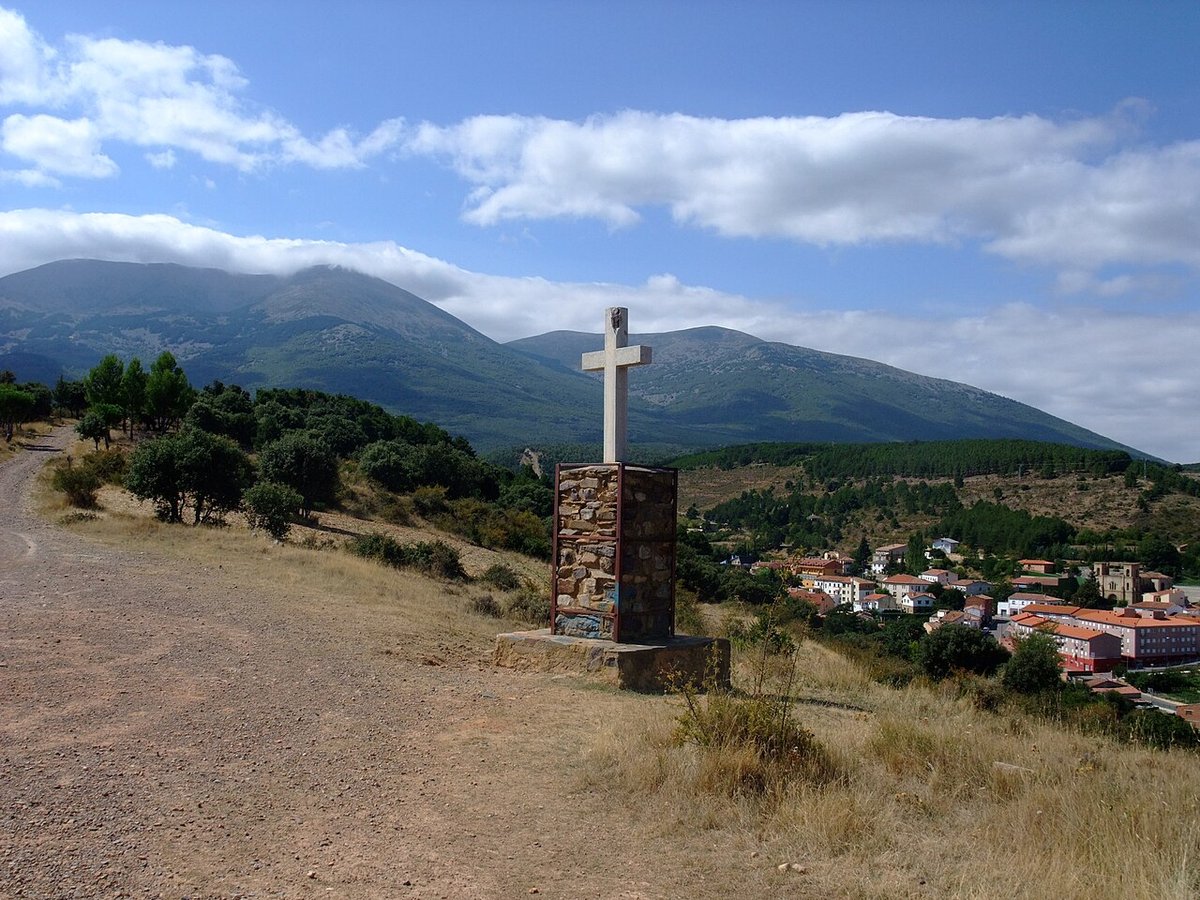
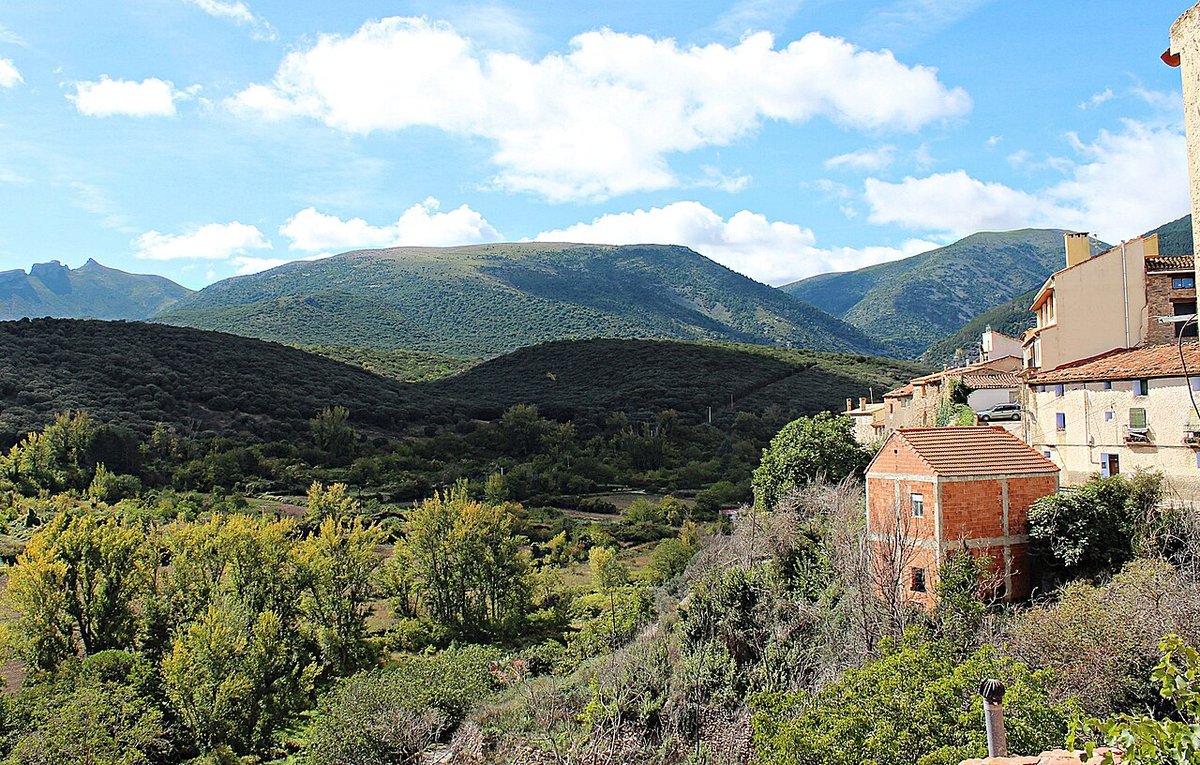
Grisel is a small village in Aragón, within the comarca of Tarazona y el Moncayo. Just over a hundred people live here today, and the pace reflects a place where most things happen on foot and without hurry. From several streets, the outline of Moncayo appears and disappears between rooftops as the ground rises. Its slopes, covered with pine and low scrub, have long framed a landscape shaped by cereal fields, kitchen gardens and small plots.
Around the church and the old streets
The parish church of Nuestra Señora de Grisel stands at the centre of the village. Built in the 16th century, it is not a grand structure, yet its tower is easy to pick out and helps with orientation among the narrower streets. Inside, there are simple altarpieces and traces of decoration that reflect the different phases the building has gone through.
Clustered around the church are stone houses with iron balconies and wooden beams darkened over time. Many windowsills hold pots of geraniums or herbs used in cooking. Some streets are so narrow that shade lingers for much of the day, which is welcome in the height of summer.
The layout encourages slow wandering. Corners appear suddenly, and small details, a doorway, a beam, a plant, tend to catch the eye more than any single landmark.
Paths through fields and gardens
A few minutes from the built-up area, agricultural tracks begin. They pass between animal pens and small storage buildings before opening out into cereal fields. In spring the green is vivid, with poppies along the edges. By summer, the tones shift to gold and the air carries the scent of dry straw.
There is no need to look for marked routes to enjoy a walk. Many of these paths link nearby villages or circle the plots around Grisel. Some stretches rise slightly, though most are straightforward if you have comfortable footwear and water, especially in the hotter months.
At higher points, where the land opens out, Moncayo comes fully into view. In winter, its upper slopes are often covered in snow. At other times, low clouds cling to the range, partially hiding it and changing the scene from one moment to the next.
The relationship between the village and its surroundings is clear here. Fields begin almost at the edge of the last houses, and the transition from street to open land happens quickly.
A very small village with limited services
Grisel is very small, and it helps to arrive with that in mind. There are usually no bars or shops open on a regular basis, so many visitors choose to eat in Tarazona or bring something with them if they plan to spend the morning walking in the area.
It is also common to leave the car at the entrance to the village and explore on foot. The streets are narrow, and in some places barely wide enough for a single vehicle.
The lack of services is part of the reality here rather than a drawback to be solved. Daily life follows its own rhythm, and visitors tend to adapt to it rather than the other way around.
Days when the village fills with people
For much of the year, Grisel remains quiet. In summer, the atmosphere shifts. August brings back many people who live elsewhere, and the village fills around the celebrations dedicated to the Virgen de Grisel. These days often include processions, traditional music and shared meals where dishes closely tied to the region appear, such as migas and roast lamb.
Other dates also mark the calendar. San Sebastián in January and celebrations at the end of July bring movement back to the streets and squares. It is common to see different generations of the same families gathering around a table or standing together in conversation.
These moments do not last long, but they change the feel of the place while they do. The same streets that are quiet for weeks can briefly become busy and social.
When to visit Grisel
Spring and autumn are usually the most comfortable times to walk in the surrounding area. Temperatures are mild, the fields show colour, and weekdays remain very quiet.
Summer heat is strongest at midday, so it makes sense to head out early or wait until late afternoon. As the light lowers across the façades and the air begins to cool, the village settles into a more comfortable rhythm again.
Winter is noticeable here. Frosts are common, and on some days the cierzo, a strong, cold wind typical of the Ebro valley, blows with force. When the sky is clear, the snow on Moncayo stands out sharply, offering a level of clarity that does not always appear in other seasons.
Grisel belongs to a rural Aragón where things continue at a slow pace. A handful of streets, fields stretching outwards, and the constant presence of the sierra in the background. That is enough to understand how life has unfolded here over generations.