Full Article
about Vera de Moncayo
Hide article Read full article
At the foot of Moncayo
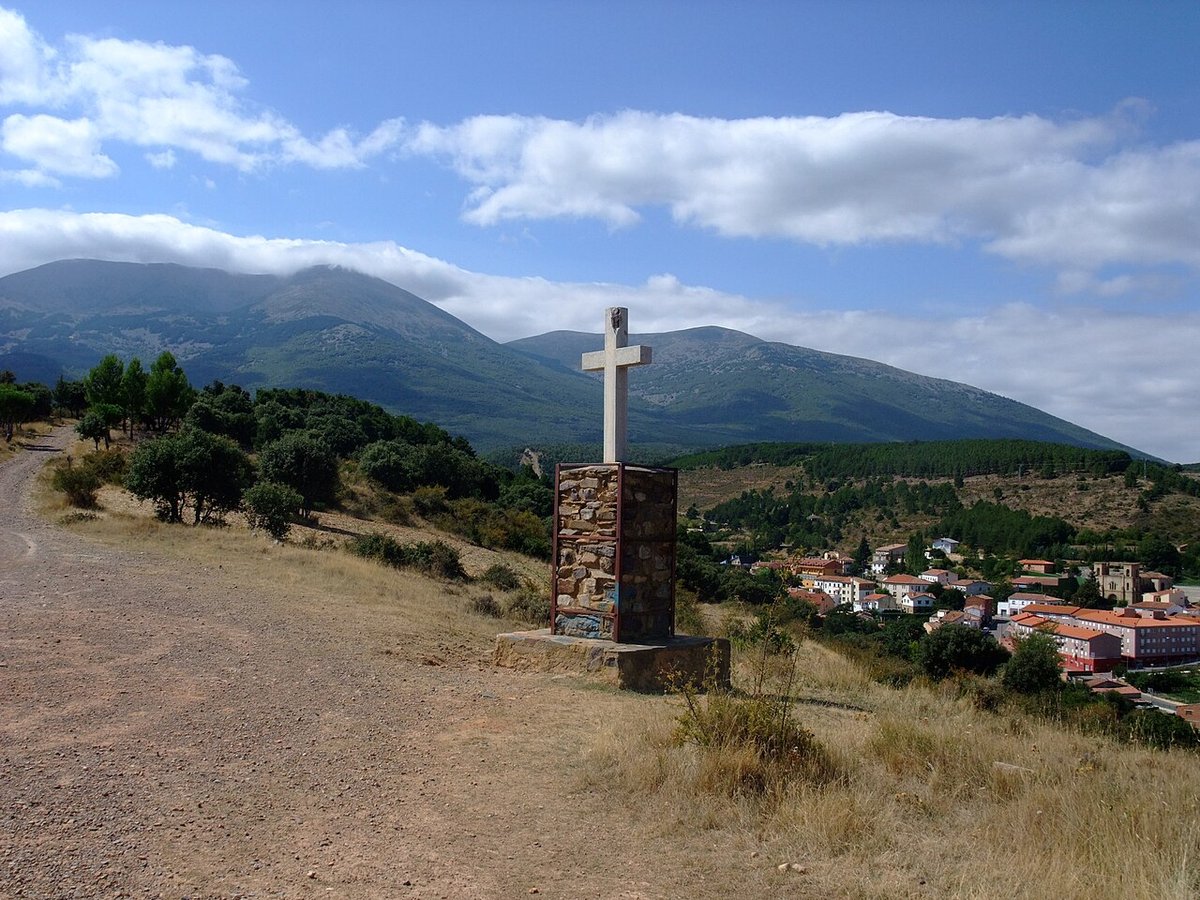
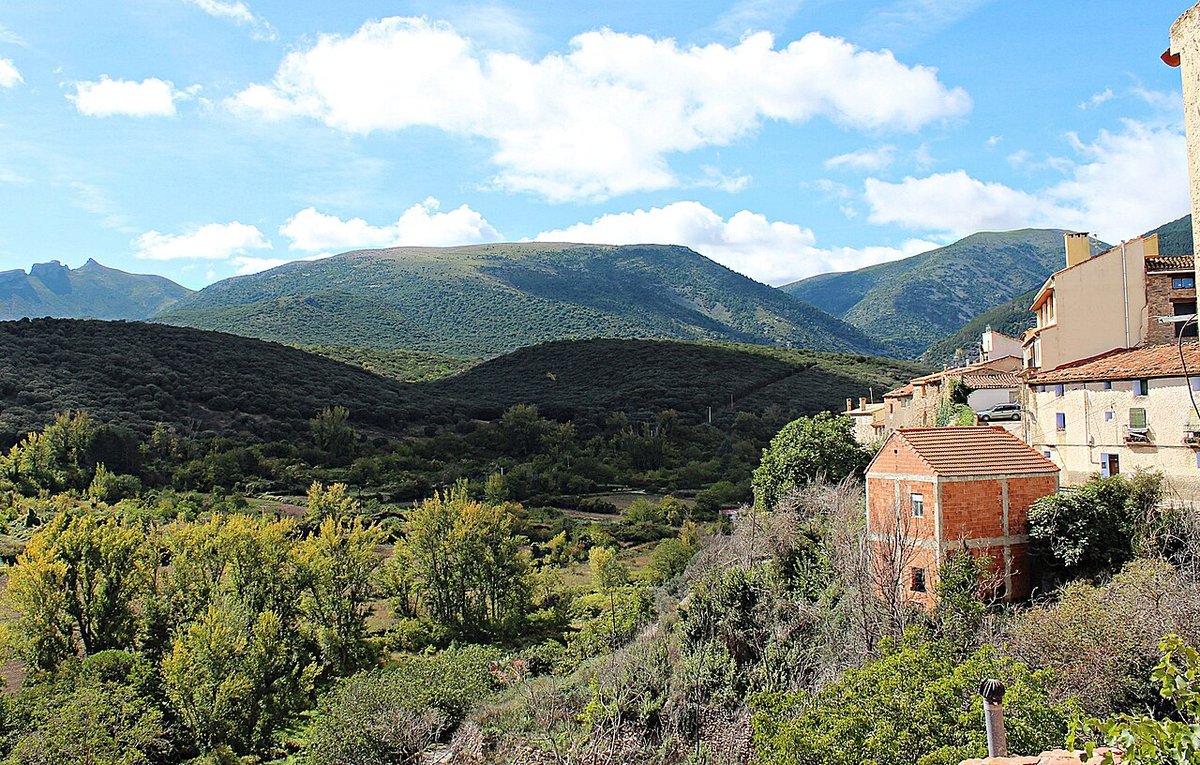
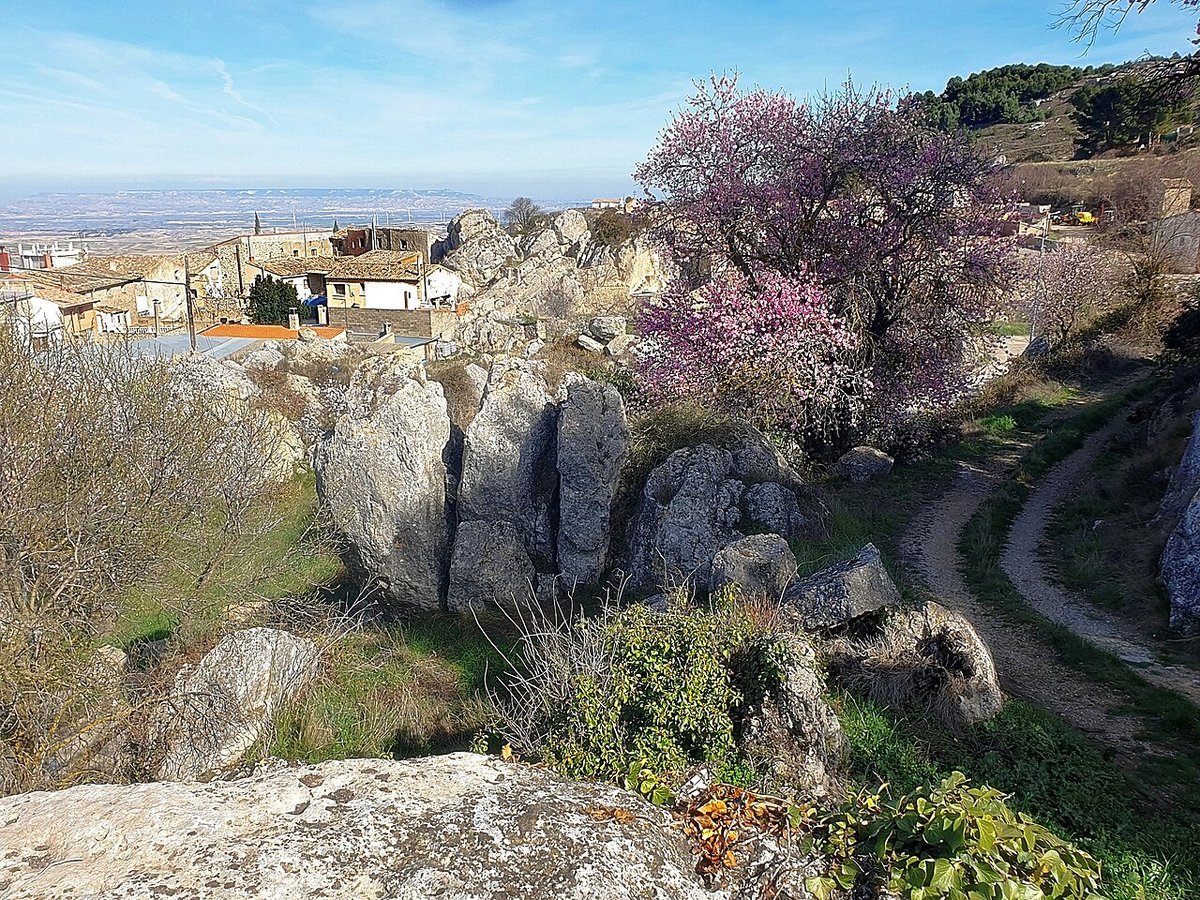
Vera de Moncayo sits on the Aragonese side of the Moncayo, within the comarca of Tarazona y el Moncayo, in a landscape long shaped by the presence of this mountain. The village lies just over 600 metres above sea level, in a band where dry farmland meets the first rising slopes of the massif. With a population of a little over three hundred, daily life still revolves around the main square, the threshing areas and the fields that surround the built-up area.
The Moncayo is not always visible from within the village, yet its influence is constant. It defines the climate, with cold winters and dry summers, and it also shapes how people build and work the land. Around the village there are cereal fields, almond trees and the occasional scattered vineyard. The landscape shifts noticeably through the year, with brief green periods in spring followed by long stretches of ochre tones across the rest of the seasons.
A village built for the land
The layout of Vera de Moncayo reflects agricultural needs more than monumental ambition. Streets are short, houses constructed with stone, adobe and wood, and many include courtyards that once opened onto pens or small kitchen gardens. These are common solutions in villages around the Moncayo, designed to cope with the cold and make use of nearby materials.
The parish church, whose tower can be seen from various points in the surrounding area, acts as a reference point within the village. It is not especially large, yet it organises the space of the historic centre and remains the setting for the most important moments in the local calendar.
In several houses, old wine cellars are still preserved, either dug beneath the buildings or into small nearby rises in the الأرض. For generations they were used to store wine and food, and also as shelter from extreme temperatures. Across the comarca, these cellars form part of the everyday landscape, although many are no longer in regular use.
On the outskirts stands a small ermita, a traditional rural chapel, from which there are views over the fields surrounding the municipality. It is not a major viewpoint, though it offers a clear sense of how the village relates to the agricultural land that sustains it.
Walking the surrounding countryside
The paths that leave Vera de Moncayo are mostly agricultural tracks linking plots of land and former cultivation areas. These are straightforward routes, without major changes in elevation, allowing easy movement through the dry farming landscape typical of this part of Aragón.
Shade is scarce. In summer the sun becomes intense early in the day, so it makes sense to head out early or wait until later in the afternoon. Spring and autumn bring more variation in the countryside. Crops shift in colour and the contrast with the slopes of the Moncayo becomes more noticeable.
Along these routes, structures tied to rural work appear from time to time. Pens for livestock, small shelters used during lambing season known locally as parideras, and dry-stone walls that once marked out plots of land all remain in place. They are modest elements, yet they help explain how the territory has been organised over centuries.
Traditions shaped by community life
As in many small villages in the area, the festive calendar in Vera de Moncayo is closely linked to community life. The main patron saint celebrations are usually held in summer, when many former residents return and the village becomes livelier for a few days.
Pilgrimages to the ermita and shared meals are part of these occasions. Rather than being designed for visitors, these events continue to serve as moments of gathering for local people.
In autumn, around the time of the traditional pig slaughter, domestic practices connected with making cured meats and preserves are still maintained. These are not always open activities, but they reflect a way of life with deep roots in rural Aragón.
Getting there and choosing your moment
The nearest point of reference is Tarazona. From there, access is via local roads that run along the foothills of the Moncayo and connect several villages in the area.
Spring and autumn are generally the most comfortable times to walk in the surroundings. Summer can be dry and hot in the middle of the day, while in winter the cold from the Moncayo is keenly felt. The village itself can be explored in a short time, and much of the interest lies in the paths and the wider landscape that encircles it.