Full Article
about Chodes
Hide article Read full article
A small settlement in the Jalón valley
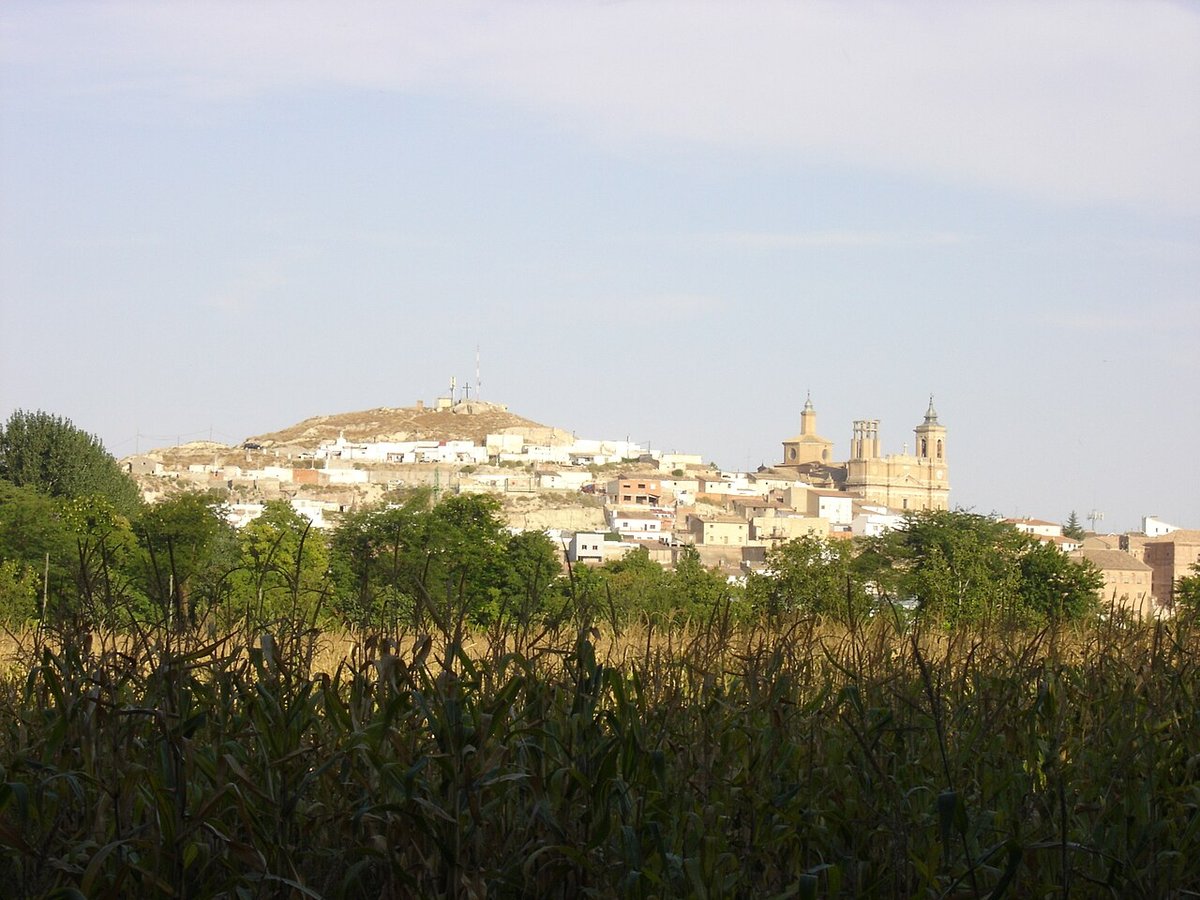
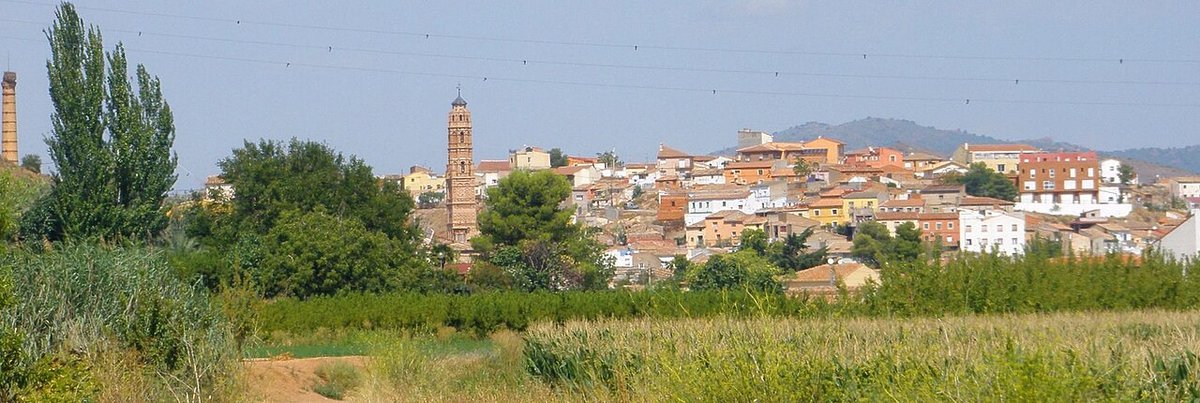
In the Valdejalón region, within the province of Zaragoza, Chodes is one of those small agricultural villages that still reflects how this part of the Jalón valley was historically organised. The settlement sits among gentle hills at around 400 metres above sea level, surrounded by dry farmland and patches of vineyard.
Today, it is home to barely a hundred residents, and that scale shapes everyday life. Streets remain quiet, agricultural routines set the pace, and traffic rarely goes beyond neighbours coming and going by car.
Valdejalón has long been a corridor between Zaragoza and the middle Ebro valley on the way towards Castile. Villages like Chodes were left slightly aside from the main routes, which helps explain why their layout has changed very little over time.
Traces of the past in local buildings
The parish church is the main building in the village. Its origins appear to date back to the 16th century, although its current appearance reflects later alterations. Inside, there is a modest Baroque altarpiece, typical of rural parishes shaped by agricultural economies rather than large urban wealth.
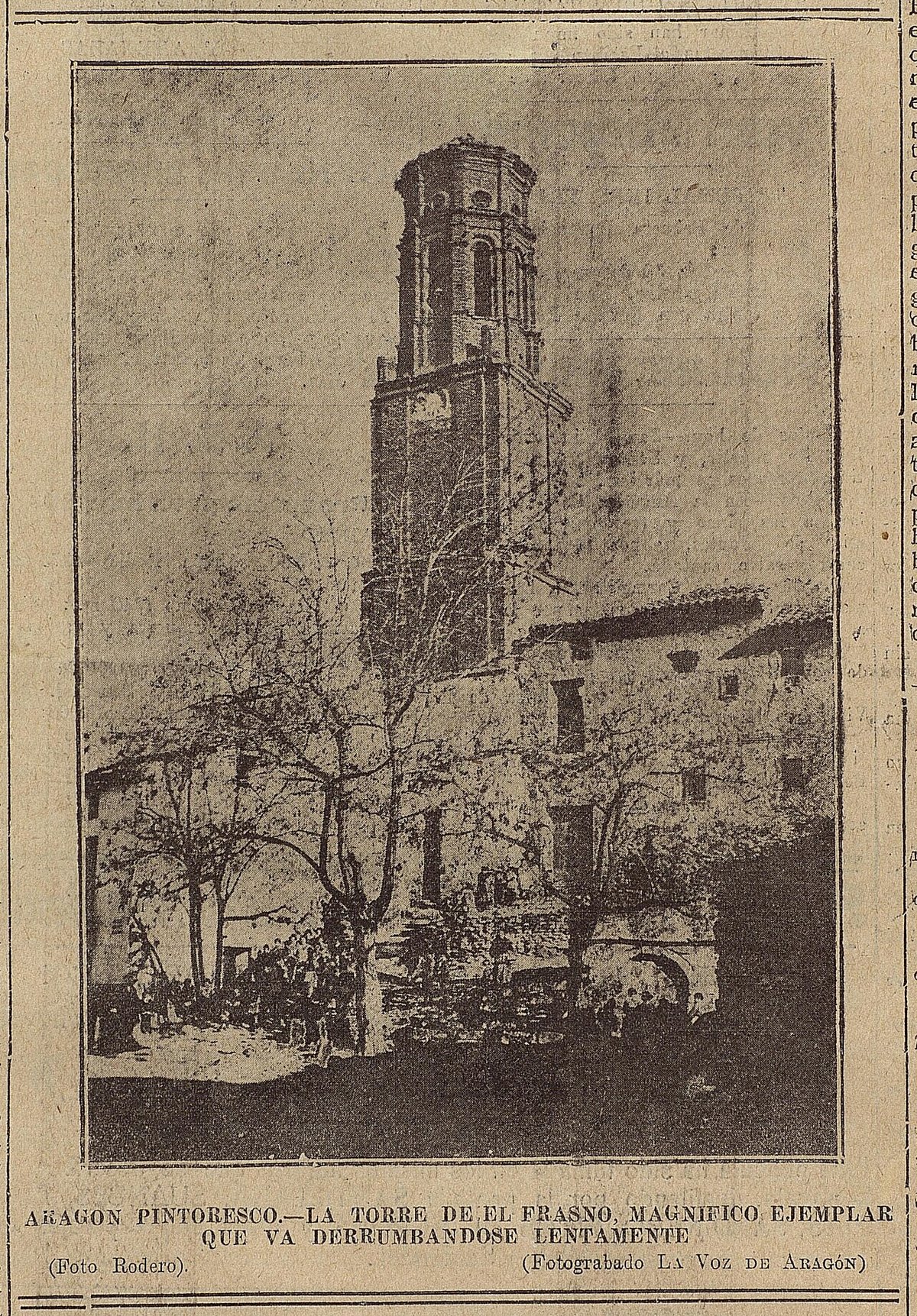
The brick tower recalls the Mudéjar style that is common across this part of Aragón, though here in a simpler form than the more elaborate examples found in the cities of the Ebro valley. It is not a monumental structure, but it works as a visual reference point from the roads leading into the village.
Around the central square stand many of the traditional houses. Some still retain rammed earth or adobe walls, along with curved tile roofs. These buildings were designed for a climate of hot, dry summers: thick walls, small openings and interior courtyards where much of daily life once took place.
The agricultural landscape of Valdejalón
The surroundings of Chodes offer a clear view of the area’s traditional economy. The land alternates between cereal fields, vineyards and almond groves, a familiar combination in the dry farming systems of the Jalón valley. The terrain is not rugged. Rounded hills dominate, along with shallow ravines that descend towards the river.
Agricultural tracks lead out from the village and make it possible to move through this patchwork of crops. Early in the morning or towards the end of the day, it is common to spot birds typical of open farmland, such as partridges or birds of prey riding the warm air currents above the fields.
Walking through the village and beyond
Chodes can be explored slowly in a short amount of time. Its streets are brief and often end directly in open countryside, something typical of settlements of this size.
Those interested in traditional architecture can look out for practical details that reflect rural life. Large gateways were used to store tools or tractors, while some homes include cellars dug into slight slopes in the land or adjoining pens for animals. These features point to a way of life closely tied to agricultural work.
It is also possible to walk out along the tracks that surround the village. These are not marked hiking routes but working paths used to connect fields and low hills. From these slightly elevated points, there are open views across the valley.
Traditions in a small community
As in many villages across Valdejalón, the festive calendar in Chodes is concentrated in summer, when relatives who live elsewhere return. During these days, the village regains a sense of movement and the squares fill again in the evenings.
Throughout the rest of the year, simpler religious celebrations continue, organised by the residents themselves. In places with such a small population, these occasions are less about spectacle and more about meeting and spending time together.
Getting there and when to visit
Chodes lies about fifty kilometres from Zaragoza. The usual route is via the A-2 motorway as far as the area around La Almunia de Doña Godina, followed by local roads into the valley.
Spring and autumn are generally the most pleasant times to explore the area, when the fields change colour and temperatures are suitable for walking without the intensity of summer heat. In the summer months, the middle of the day is best avoided.
Due to its size, the village does not have accommodation. Staying overnight typically means looking to nearby towns within the valley.
A brief stop in Valdejalón
Chodes does not require much time. In about an hour, it is possible to walk through the village centre, visit the church and take a short stroll along the tracks leading into the surrounding fields.
Rather than a destination defined by major landmarks, it works as a small window onto the agricultural landscape of Valdejalón and the way these inland villages of Aragón have been organised for centuries. Most of what it offers becomes clear simply by looking around.