Full Article
about Épila
Hide article Read full article
Morning light by the Jalón
The bells of Santa María la Mayor strike eight while the sun still brushes the upper part of the tower. That is when the day begins in the centre of Épila. There is no sense of ceremony around tourism here. The square fills gradually, someone crosses carrying a loaf of bread under their arm, a couple of dogs greet each other at the corner. Behind the houses, the Jalón flows with a steady sound that becomes clearer when there is little traffic.
Spring brings the smell of warm flour and fresh coffee drifting through the streets. Winter feels different. Smoke from chimneys lingers in the air and a dry cold settles on the hands.
Stone that remembers
A walk through the old quarter of Épila feels like moving through pages of heraldry carved into stone. Manor houses still display coats of arms above their doorways, with heavy window grilles and interior courtyards that can only just be glimpsed from the street. Along Calle Sancho Abarca, there are façades in weathered stone, with rust tones and blazons worn down by the wind.
There are no explanatory panels on every corner. Often, the only clue that a building is old lies in the scale of its doorway, once designed for carts, or in the thickness of its walls. For centuries, Épila held an important place within the Jalón valley, and that past shows up in small details: wrought iron balconies, carved entrances, courtyards hidden behind gates.
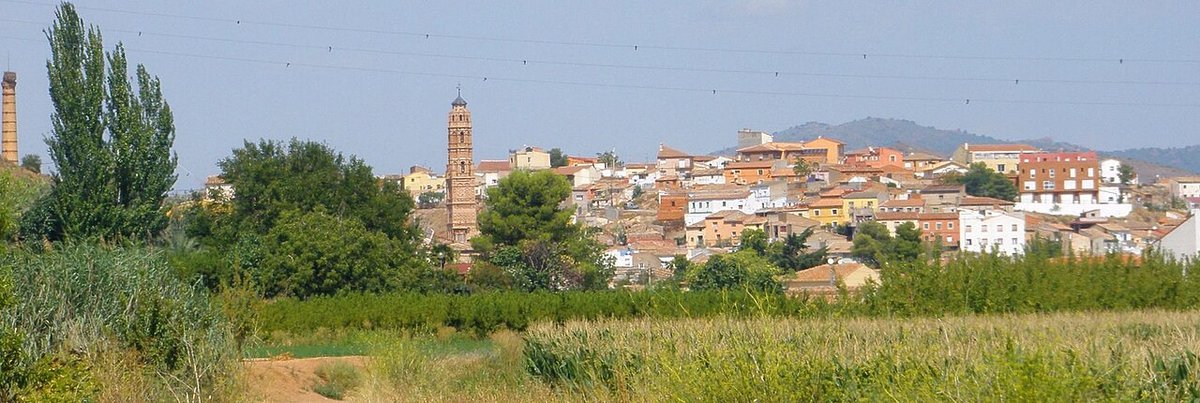
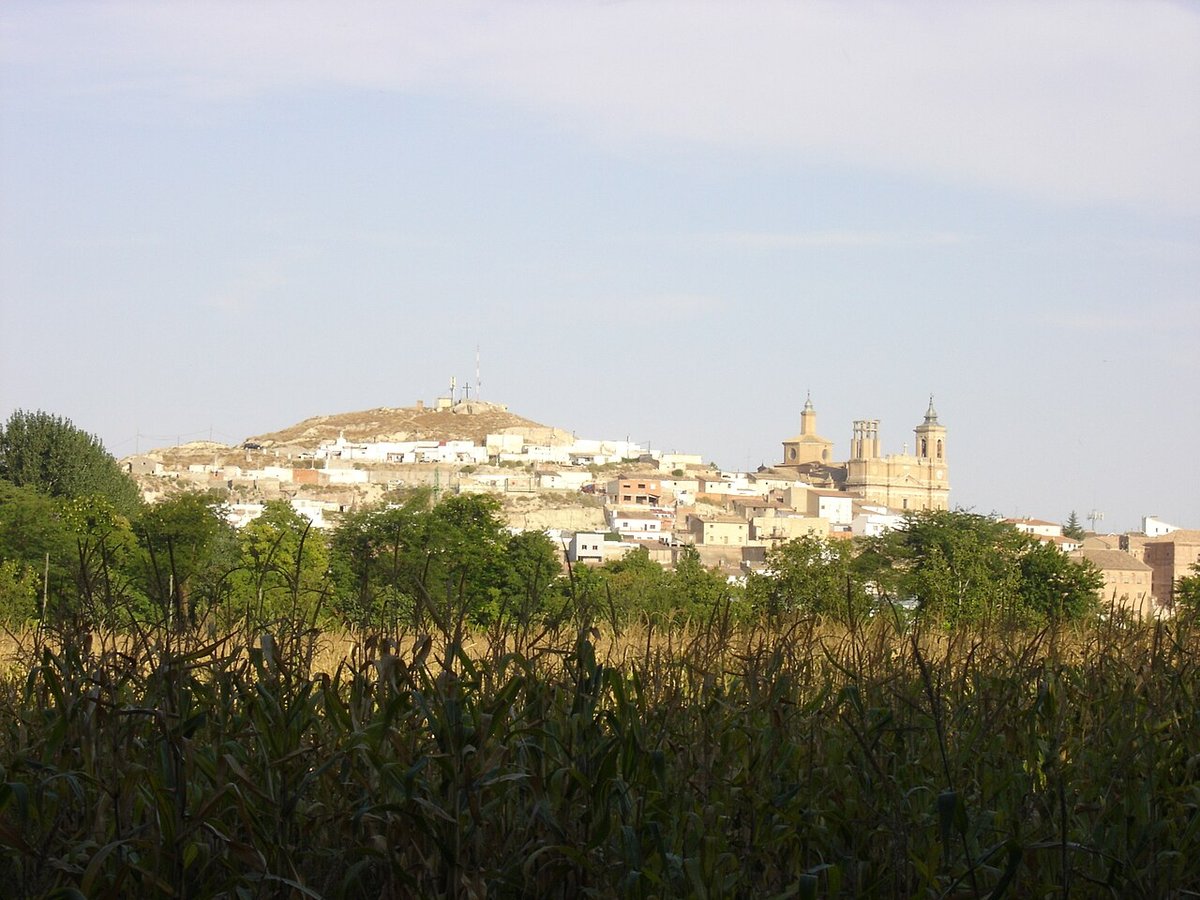
At the centre rises the church of Santa María la Mayor, a mass of reddish brick. Its Mudejar tower shapes the outline of the town from a distance, especially in the late afternoon when the light turns orange and the brick deepens in colour. Around it stretches the Jalón plain, a strip of orchards and fields that shifts with the seasons, bright green in spring, turning straw-coloured as the heat arrives.
When Épila celebrates
In the second half of October, the pace of the streets changes. These are the days of the fiestas of the Virgen del Rosario. Shawls appear, brass bands play, and the smell of fried dough drifts out from many kitchens. The central streets are decorated, and for several days the town revolves around the square.
The celebration is deeply rooted here and recognised as a festival of tourist interest in Aragón. What stands out most is not the title but the atmosphere. Groups gather from early in the day, horses feature in some traditional events, and entire families line the pavements as the procession passes.
At the beginning of February comes San Blas. That morning often carries the scent of rosemary and burning wood. Many people bring bread or ring-shaped pastries to be blessed, a custom widely observed in Aragón to protect the throat during winter.
The taste of the valley
Around midday, the air in Épila shifts again. From many houses come the smells of slow-cooked dishes: roast ternasco, vegetables from the fertile plain, garlic gently frying in olive oil.
Borrajas, a local vegetable, appear frequently on tables in the area. In some homes they are prepared with ground almonds, creating a thick, smooth sauce. Migas are also still made, especially in colder months, using stale bread, oil and pieces of cured meat.
Wine has been part of the landscape of the Jalón valley for centuries. In many households, local wine is still drunk, dark in colour with a slightly rough edge that reflects the dry, stony soils of this part of Aragón.
Quiet hours and small details
Between early afternoon and late afternoon, activity drops noticeably. Blinds are half lowered, and the noise fades to the occasional passing car or the sound of a tractor returning from the fields.
This is a good time to wander slowly through the streets of the centre. In some, old wine cellars can still be seen beneath the houses, with small օդ vents opening at ground level. Every so often, a half-open door reveals a courtyard with worn tiles, a vine, or a small fountain.
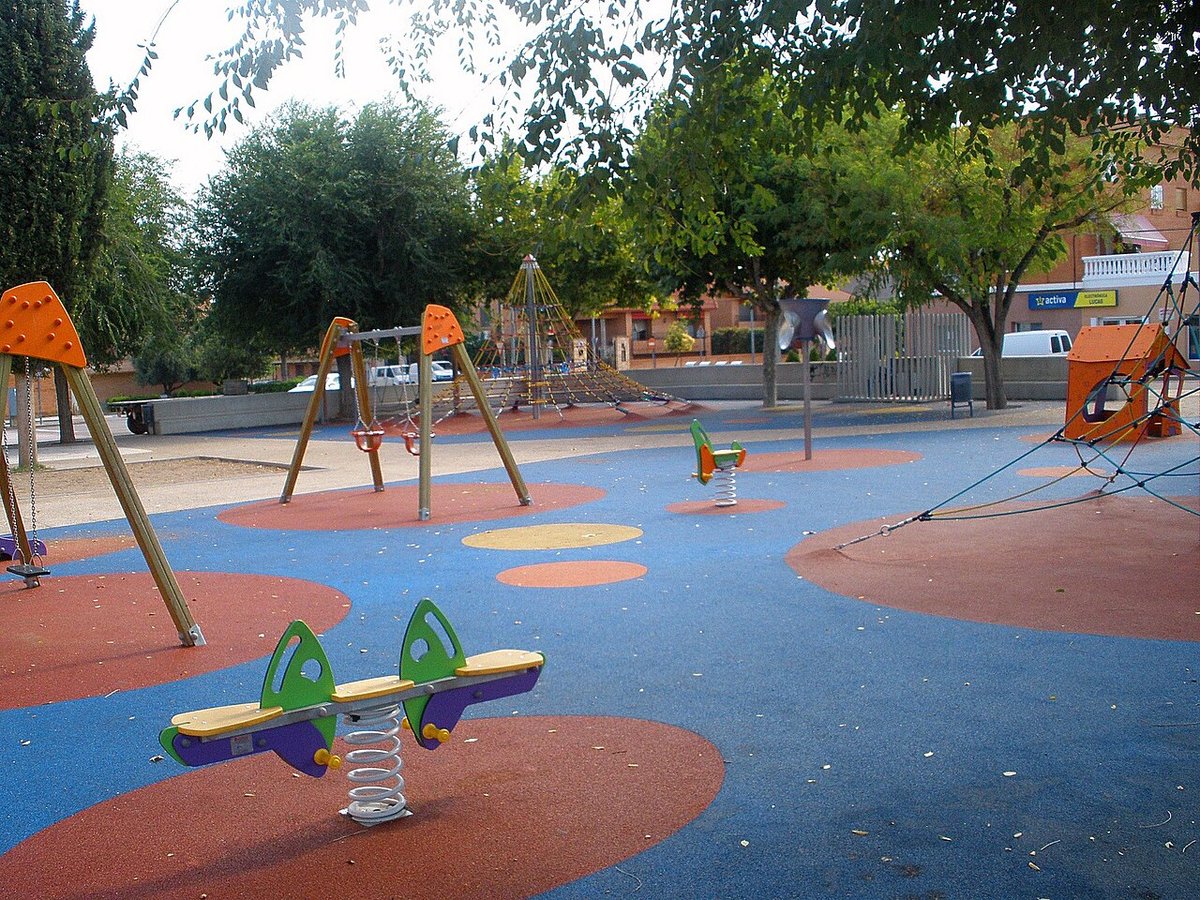
When the heat intensifies, the municipal park becomes a focus for the town’s quieter moments. Plane trees provide shade, and nearby the sound of the Jalón can be heard again. From here, dirt paths lead out into the plain. In spring, poppies line the edges of the रास्तা, and the smell of cut grass hangs in the air.
Choosing the moment
October brings the most activity due to the fiestas. The atmosphere is lively, though the centre becomes busier and parking near the square is more difficult.
Winter often brings fog to the Jalón valley, particularly in the mornings. The days can be cold, yet this is when Épila feels at its calmest, with fewer cars and more time spent outdoors once the sun appears.
In August, especially at weekends, the town fills with families returning from Zaragoza and other nearby cities. Squares turn into meeting places, and the quiet that defines other times of the year gives way to a more animated rhythm.
For parking, it is best to leave the car in the streets surrounding the centre. Épila is easy to get around on foot, and much of what defines it lies in those unhurried walks between stone façades, shaded corners and the constant presence of the Jalón nearby.