Full Article
about Ricla
Hide article Read full article
A village shaped by river and hills
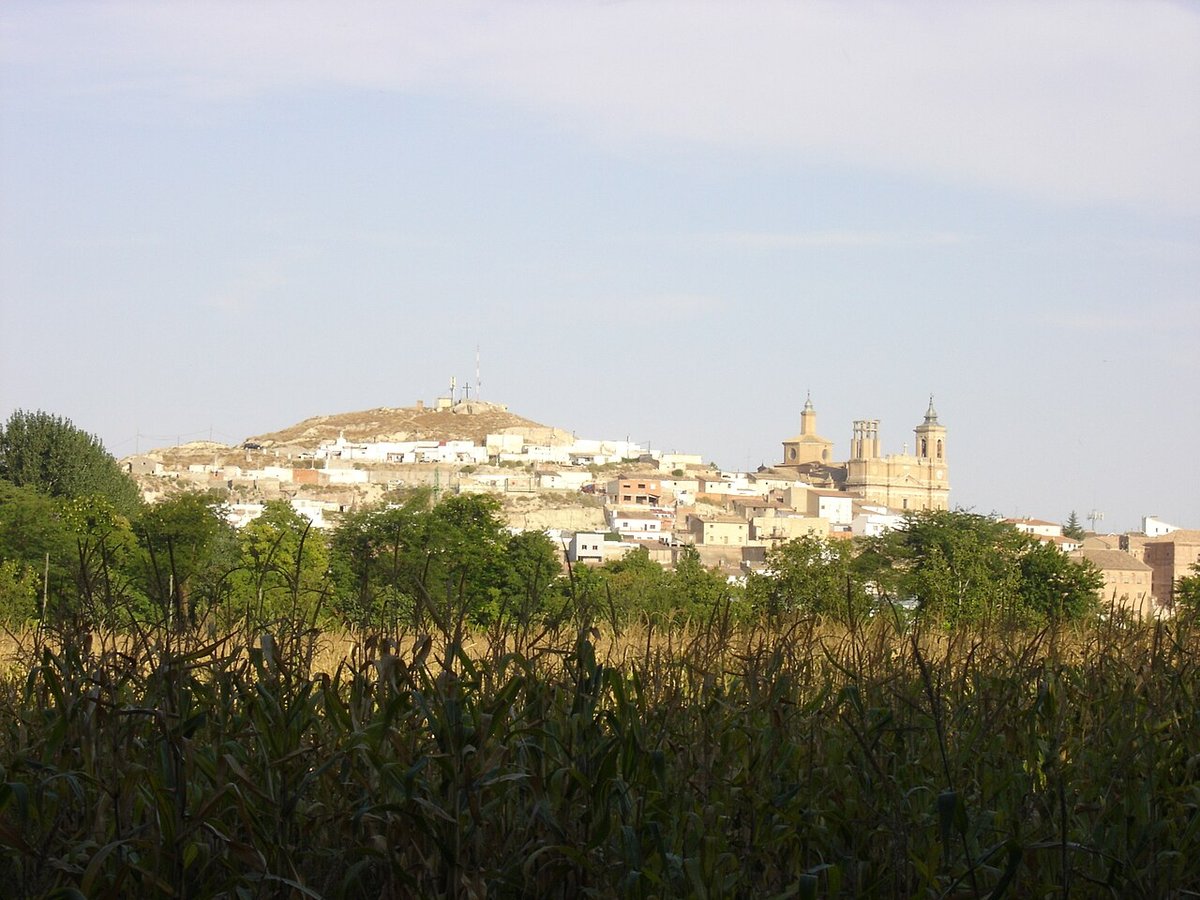
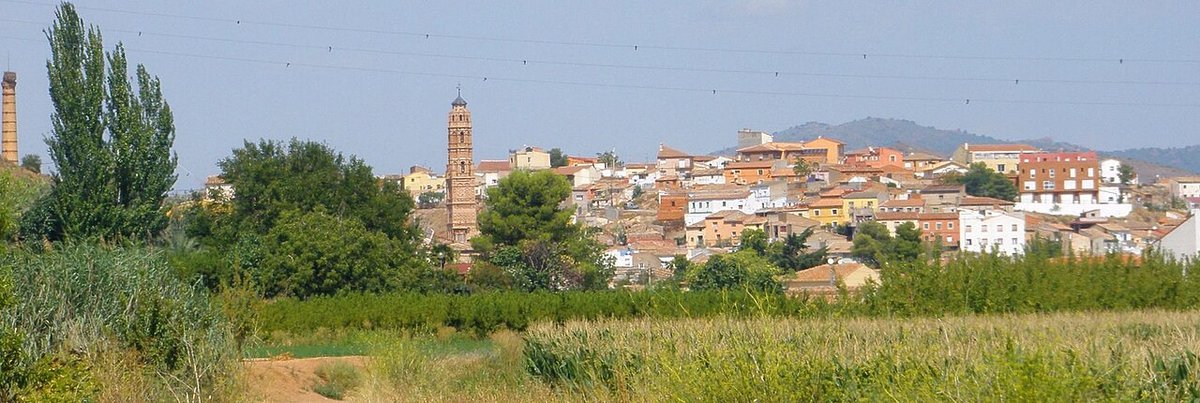
Tourism in Ricla begins with its setting. The town lies in the heart of the Jalón Valley, within the comarca of Valdejalón, positioned between the fertile banks of the river and the first rises of the Sierra de Algairén. Market gardens stretch almost to the edge of the last houses, creating a close link between the built-up area and the surrounding farmland.
Arriving from the motorway, the view is clear: the tower of the church rises above a cluster of brick and tiled roofs. It is a compact place, with just over three thousand inhabitants, and it works as a local hub for the surrounding agricultural landscape. Daily life here still revolves around that connection to the land.
Brick, memory and the mark of Mudejar
The widespread use of brick in Ricla is not simply decorative. Across much of the Jalón Valley, Mudejar building traditions shaped architecture for centuries. This style, developed by Muslim craftsmen working under Christian rule, left a strong imprint on the region, and Ricla retains clear traces of that legacy.
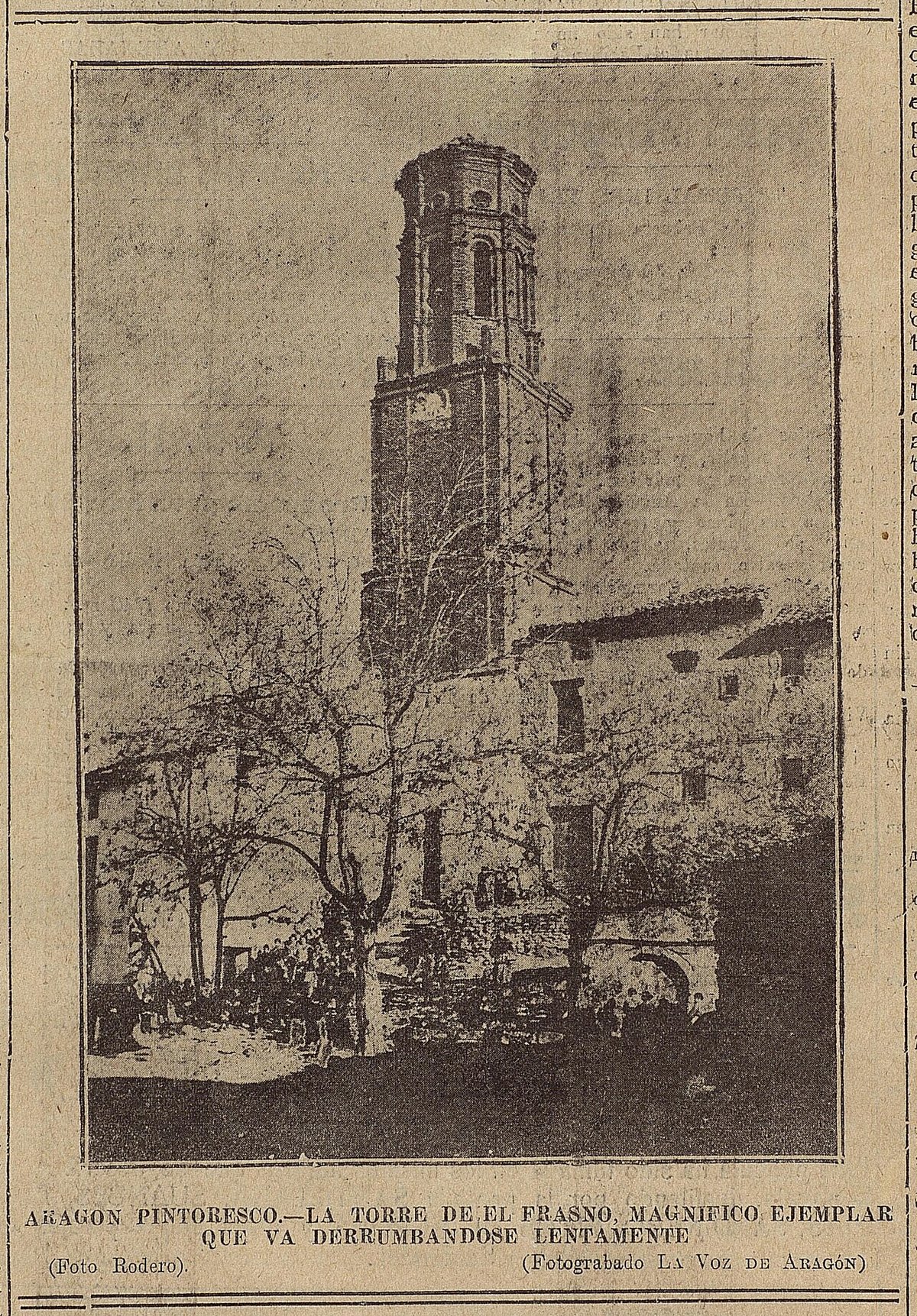
The tower of the church of Santa María Magdalena follows this tradition. Built in brick, it features restrained geometric decoration and a silhouette that can be recognised from a distance. It stands as one of the most visible elements of the town’s identity.
During the Middle Ages and into the early modern period, Ricla had a significant Morisco population, Muslims who remained after the Christian reconquest. Exact figures vary depending on the source, but historical references point to a large Muslim community living alongside Christian residents. This coexistence ended in the early 17th century with the expulsion of the Moriscos. The town lost many inhabitants, and much of the housing passed into the hands of new settlers. Many of those buildings remained in use, largely because their construction was practical and well suited to local needs.
Another building that draws attention is the Casa de los Escudos. This 16th-century Aragonese palace features a façade decorated with heraldic shields. It reflects the presence of noble families who controlled the lordship of Ricla at different points in its history. Time and the valley’s wind have worn some of these coats of arms, yet several are still clearly visible, offering a glimpse into the lineages connected to the town.
The square and the rhythm of everyday life
Plaza de España acts as the main reference point in Ricla. It is not a grand or monumental space, but it brings together key elements: the town hall, traditional buildings, and a direct view of the church tower.
At certain times of day, the square becomes a small window onto local life. People pass through on errands, conversations unfold on benches, and cars move in and out of the narrow streets of the old centre. The pace is steady rather than hurried, shaped by routine rather than spectacle.
Ricla has also produced a few names recognised in Aragonese popular culture. Among them are the bullfighter known as Gitanillo de Ricla and the jota singer Mariano Arregui, a prominent figure in 20th-century traditional music. The jota is a regional style of singing and dancing, and Arregui’s name often comes up when locals speak about the town’s cultural connections.
The fertile strip of the Jalón
One of Ricla’s defining features is how quickly the town gives way to cultivated land. A short walk from the outer streets leads directly to orchards, irrigation channels and working plots. The Jalón River has shaped the local economy for centuries, supporting crops that depend on its fertile soils.
Olive trees occupy a significant part of the municipality, reflecting the broader olive-growing tradition of the comarca. Alongside them are cereals, vegetable gardens and livestock farming. These activities remain an important part of daily life, not just as a legacy but as an ongoing economic base.
This close relationship between town and farmland creates a clear visual contrast. On one side lies the green strip of irrigated land following the course of the Jalón. Beyond it, the landscape shifts to drier terrain, with olive groves and scrub typical of this part of Aragon.
A calendar of local celebrations
Festivities in Ricla are spread throughout the year, tied to religious traditions and local customs. San Blas is celebrated at the beginning of February, in the middle of winter. In May, attention turns to San Teopompo and San Sinesio, the town’s patron saints. July brings celebrations in honour of the Virgen del Carmen.
The main patronal festivities usually take place in early September. These are the most prominent dates in the calendar and gather much of the town’s social activity. As in many villages in the Jalón Valley, the programme combines religious observances with community events and activities that are repeated year after year.
Finding your way around Ricla
Ricla is located about fifty kilometres from Zaragoza, along the Jalón Valley corridor. The church tower, visible from the motorway, provides a useful point of reference when approaching the town.
The centre is easy to explore on foot. A short walk connects the square, the church and several streets where traditional brick houses are still standing. Moving towards the outskirts, the urban layout quickly gives way to agricultural paths. To the south, the land begins to rise towards the Sierra de Algairén.
From these slightly elevated paths, the defining contrast of Ricla becomes clear. The irrigated green band of the Jalón runs through the valley floor, while the surrounding terrain appears drier and more rugged. It is a landscape that explains much about the town: its architecture, its economy and the steady rhythm of its daily life.