Full Article
about Urrea de Jalón
Hide article Read full article
First things first: arriving and getting around
If you are heading to Urrea de Jalón, start with the practical side. Access is simple from the A-2 motorway, one of the main routes across Aragón. Once there, parking does not require much thought. You can usually leave the car along the streets in the centre or at the edge of the village without circling for long. It is a small place, and on an ordinary day there is no difficulty finding a spot. This only changes during the August festivities or the occasional event.
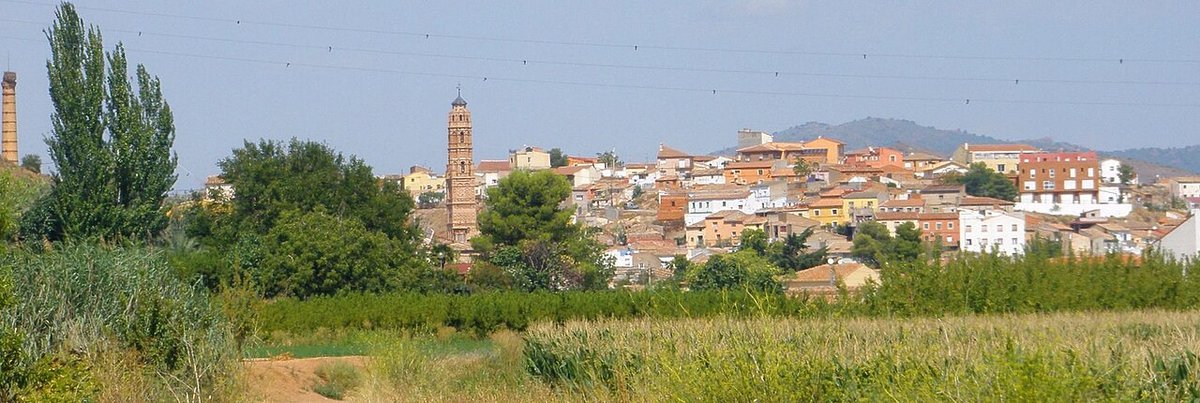
Urrea de Jalón is not somewhere that demands a full itinerary. A couple of hours is enough to get a clear sense of it. A short walk, a look at the church, and perhaps a stroll out towards the surrounding fields will cover most of what there is to see. There is no monumental old quarter or long list of attractions. This is an agricultural village in the Valdejalón area, and that character defines it.
The population sits at just over four hundred residents. Some streets are paved, while others still keep older sections. There is no need for careful planning. Everything can be explored on foot without effort, and distances are short.
A walk through the centre
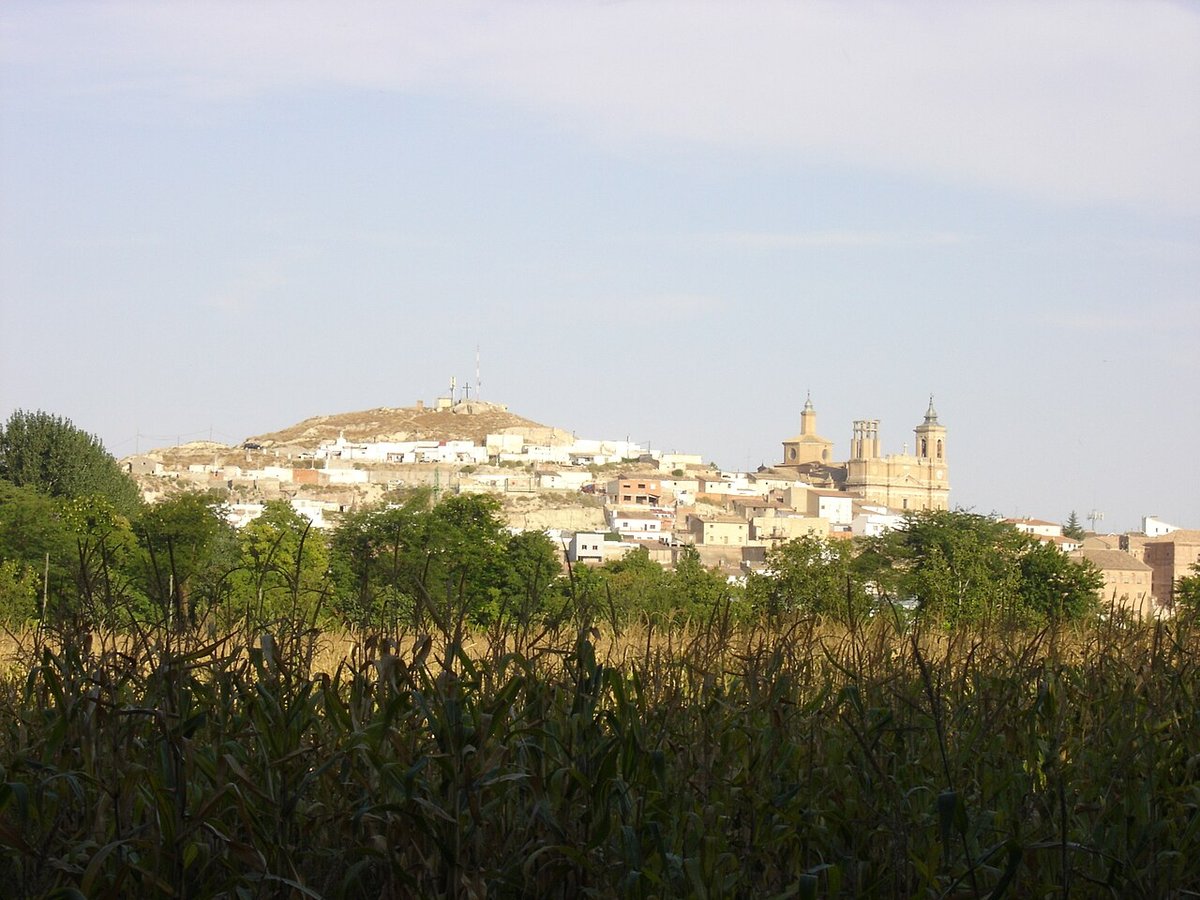
The most obvious reference point is the Church of the Assumption, Iglesia de la Asunción. It stands out for its size compared with the rest of the village. Its origins go back a long way, although the building seen today reflects changes and renovations from different periods.
Inside, the atmosphere is fairly simple. Even so, there are usually a few altarpieces and details that are worth a quick look. It is not a place that overwhelms, but it does give a sense of continuity and local history.
Around the church, the streets show traditional houses typical of this part of Aragón. Some combine stone, brick and traces of adobe. You will also notice interior courtyards and enclosed galleries. Not everything has been restored, and that is part of how the village presents itself today. It feels lived in rather than curated.
The centre can be covered quickly. A couple of streets, a small square, and little else. There is no need to search for marked routes or hidden corners. What you see is what there is, and that simplicity is part of the experience.
Fields and tracks around Urrea
Step outside the village and the landscape opens immediately into farmland. Valdejalón is an agricultural region, and here it is clear to see. There are cereal crops, olive trees, and some vineyards on the better-oriented slopes.
Dirt tracks run around Urrea de Jalón and are commonly used for walking or cycling. These are straightforward agricultural paths rather than formal trails. Some connect with nearby villages across the valley. Signposting is limited, but the routes are not especially confusing as they tend to follow the layout of the fields.
The scenery changes noticeably with the seasons. Spring brings greener tones across the fields. In summer, the land becomes much drier under the heat. Autumn shifts the colours towards ochre across much of the area. The setting is open and functional, shaped by farming rather than designed for visitors.
Festivities and daily life
The main annual celebrations take place in August, around the feast of the Assumption. During those days, Urrea de Jalón feels very different. The population increases, there is music in the streets, and the central square becomes a point of constant activity.
For the rest of the year, the pace is quiet. At times, very quiet. On weekdays, especially outside typical working or farming hours, it is possible to walk through the streets and see very few people. This is a place where daily life follows a steady rhythm tied to the land.
When to go and what to expect
From Zaragoza, the journey takes roughly three quarters of an hour, traffic allowing. The usual route follows the A-2 before turning off towards the area of Ricla to enter the valley.
Spring and autumn tend to be the most comfortable seasons for walking around the surrounding countryside. Summer brings strong heat, particularly at midday, while in winter the cold air settles in the valley and lingers.
A simple approach works best here: park when you arrive and explore on foot. Urrea de Jalón does not take long to understand. If after an hour you feel you have seen almost everything, that is perfectly normal. The village is a brief stop, and from there it makes sense to continue through the wider Valdejalón area.