

Asturias between peaks and tides
Picos de Europa: the first frontier
The limestone massif rises to 2,648 metres at Torrecerredo, the highest point of the Cantabrian range. Below it, the Cares Gorge — 12 km carved through living rock — links Caín with Poncebos along one of northern Spain's most walked trails. To the south, the Covadonga Lakes (Enol and Ercina, at 1,070 m) fill glacial hollows that turn copper-orange each autumn when the beech forests shed their leaves.
Green coast: 345 km of cliffs and sand
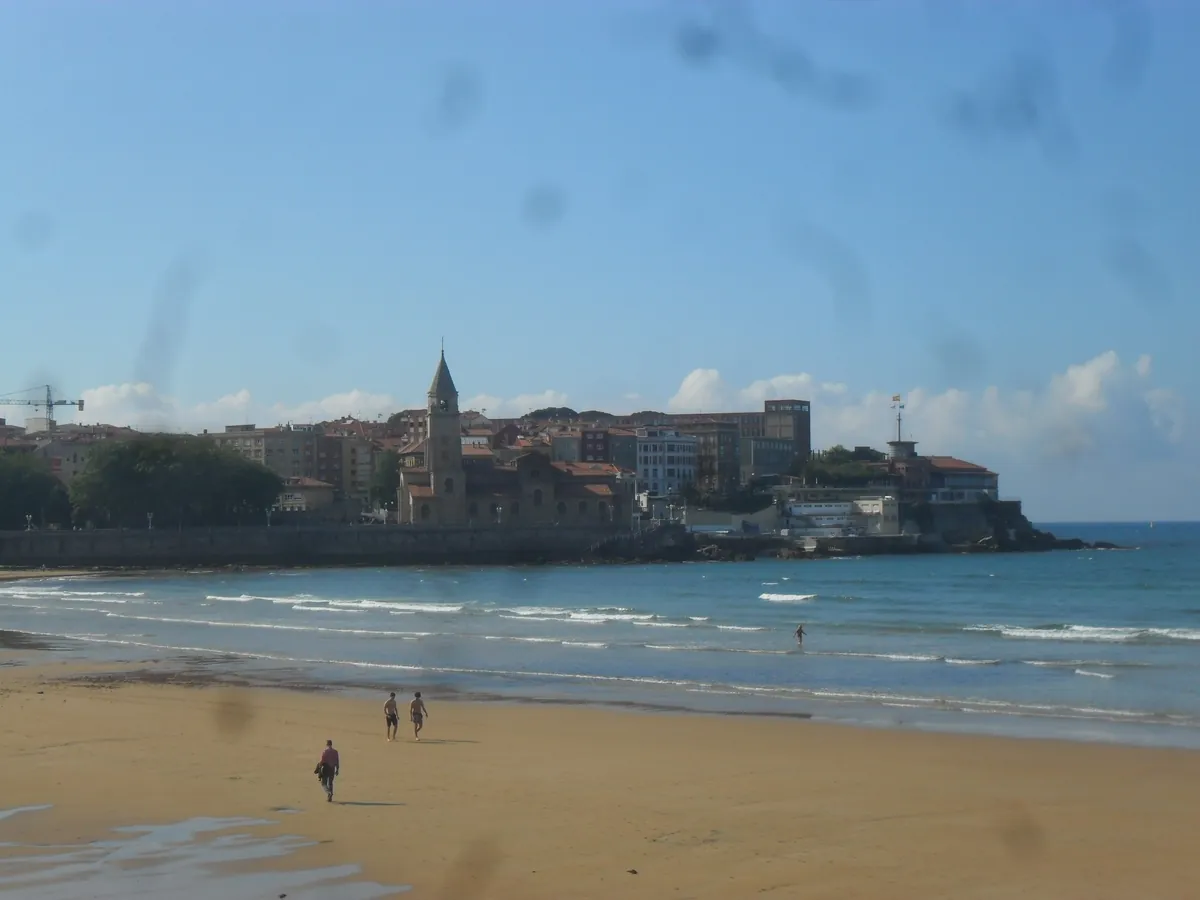
Gulpiyuri beach is a marine sinkhole 100 metres inland from the Cantabrian Sea. The Pría blowholes send saltwater columns up to 40 metres high when the swell hits. Cape Peñas, the northernmost tip, splits the coast in two: limestone coves to the east, long slate-and-quartzite beaches to the west. In total, over 200 named beaches stretch across 345 km of shoreline.
Cider, fabada, and cave-aged cheese
Cabrales PDO cheese matures in natural caves at 200 to 1,500 metres altitude, where Penicillium fungi create its blue-green veins. At the annual Cabrales Cheese Festival in Arenas de Cabrales (August), individual wheels have sold for over 30,000 euros. Natural cider — no added carbonation — is produced in more than 80 active press houses, concentrated in the Cider Region (Villaviciosa, Nava, Colunga), and poured from at least one metre high to break the residual gas.
Granaries, coal mines, and pre-Romanesque churches
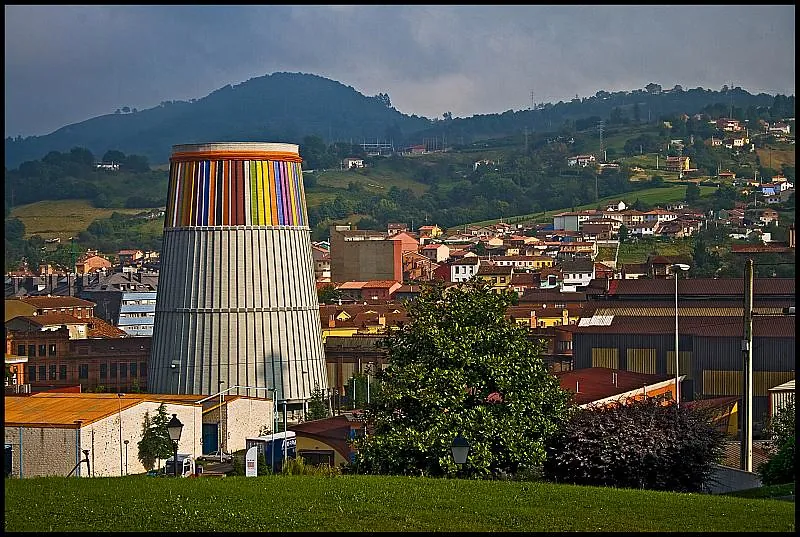
Asturias holds over 18,000 catalogued hórreos and paneras — raised wooden granaries — the largest concentration in Europe. In the Nalón-Caudal coal basin, company towns like Bustiello (built 1890) and the Pozo Sotón shaft in San Martín del Rey Aurelio document a century of mining industry. From an older era, Santa María del Naranco (842 AD) and San Miguel de Lillo form a pre-Romanesque complex named a World Heritage Site in 1985.