Full Article
about Soto del Barco
Eel capital
Hide article Read full article
The place you almost miss
Soto del Barco is that neighbour on the ground floor you walk past for years. You finally say hello and realise they’ve got the best stories in the building. It’s right there, a stone's throw from Asturias Airport, but everyone barrels past it towards Oviedo or Cudillero. Soto just gets on with things.
There’s no big reveal here. No postcard view that makes you gasp. It shows you what it is straight away: a working port, a wide river, and a rhythm that feels like a normal Tuesday. It doesn’t try to get your attention, which is exactly why you start paying it.
The boat that stayed on dry land
The name’s as practical as the place. Before they built a bridge over the Nalón River, you got across by boat. A ferryman would pull you over on a rope. That’s it. No epic legend, just a daily chore.
The Nalón’s still here, broad and slow, and the bridge did its job so well the boat became a memory. But the name stuck around. It’s one of those local details that outlives its usefulness, like an old nickname.
That feeling of things continuing runs through everything here. The river isn't scenery; it dictates the pace, ambling towards the sea like it has all the time in the world.
San Juan de la Arena: where they work the water
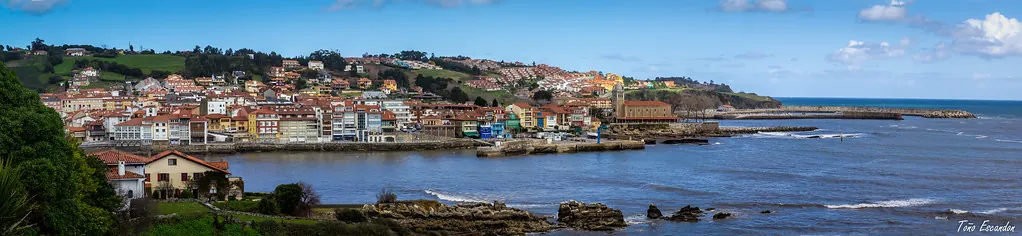
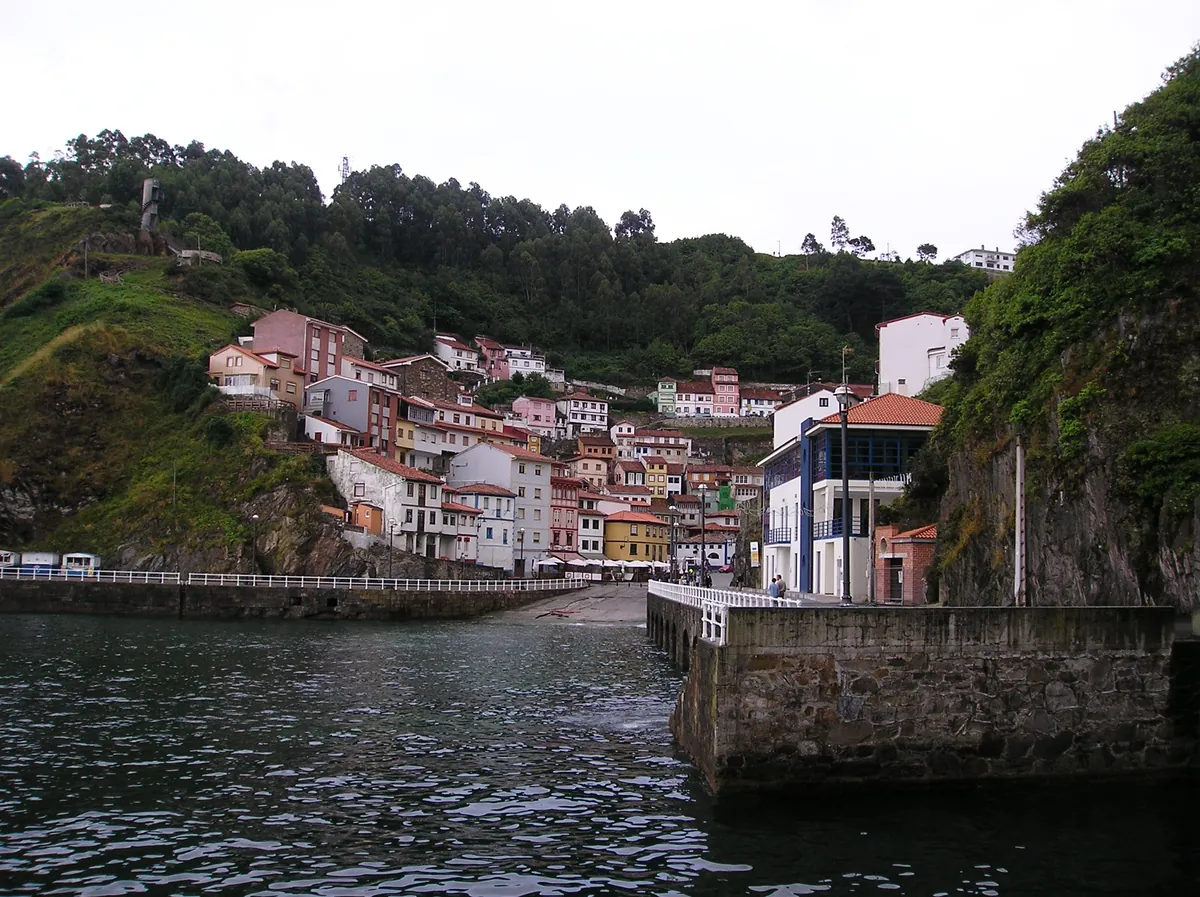
If there's a hub, it's San Juan de la Arena. This is a fishing town, not a themed waterfront. The harbour's active, the fish market operates, and boats come back with actual fish for actual people.
Come morning when the smaller boats return, there's a brief flurry on the quay: boxes shuffled, nets bundled, the low murmur of work being done. A lot of what lands here will be on tables across Asturias by lunchtime.
In winter, talk often turns to the angula from the Nalón—the baby eels. It's a thing here, like it is in every estuary along this coast. Locals will tell you theirs are different. You don't need to settle that argument; just try them sautéed with garlic and you'll get the fuss.
The place doesn't put on a summer face or a winter one. It just adjusts to what the water's doing.
A castle that doesn't shout
Up on a hill—it looks steeper than it is—you'll find the Castillo de San Martín. They say it started back in the early Middle Ages with the Asturian kings, but what you see now is mostly from later rebuilds.
It's not some fairy-tale citadel. It's a straightforward tower: four walls and a purpose. It has that no-nonsense look of something drawn by a kid who knows what a castle is for.
The more interesting bit is that people were here way before any stone was laid. They've found remains from Iron Age settlements up there, linked to the pésicos tribes who were around before Romans showed up.
These days, it's quiet. On a weekend morning you're more likely to meet someone walking their dog than another tourist. The calm makes it feel like it belongs to the people who live below it.
Los Quebrantos beach
The main beach is Los Quebrantos, right next to San Juan de la Arena. It's long and open—the kind where you can actually go for a walk without playing human slalom between towels.
Some summers it gets a blue flag award for cleanliness and services. What really matters is how much space there is. Even in August, if you wander down from the main access point, you can find your own patch of sand without much trouble. Surfers keep an eye on this spot because when a good swell comes in, it can produce some decent waves. They're usually out in the lineup though, so they don't crowd the shore. You don't need an agenda here. A walk, staring at the sea, finding a spot to sit— that's plenty.
The Camino de Santiago passing quietly
The Camino del Norte, the coastal route, cuts through here on its way to Muros de Nalón. Most pilgrims are heads-down, focused on kilometres and their next bunk. They move through quickly. That constant transit feels at odds with the area itself, where the Nalón widens out lazily as if preparing itself for the sea. It invites you to slow down instead. Sitting by the riverbank or watching the fishing boats come in aren't checkpoints on a pilgrim's credencial. But they're often the details people remember later.
A place that works best as a pause
Let's be clear: if your time in Asturias is tight, Soto del Barco isn't your priority. It works better as an intermission. If you're driving to the airport or shuttling between Avilés and Cudillero, it makes sense for a short detour. Keep it simple: a stroll through San Juan de la Arena when boats are unloading, some time on Los Quebrantos, and maybe that climb up to castle for a view of where river meets sea. This isn't Asturias' most dramatic coastline. It doesn't have Cudillero's vertical drama or those wild western cliffs. What it has is Tuesday afternoon. Boats going out, people chatting on harbour walls, a river in no rush whatsoever. Places like this don't ask for your attention. They're just there, steady as ever. Once you notice them, you understand why they never felt the need to change