Full Article
about Carreño
Fishing and canning tradition
Hide article Read full article
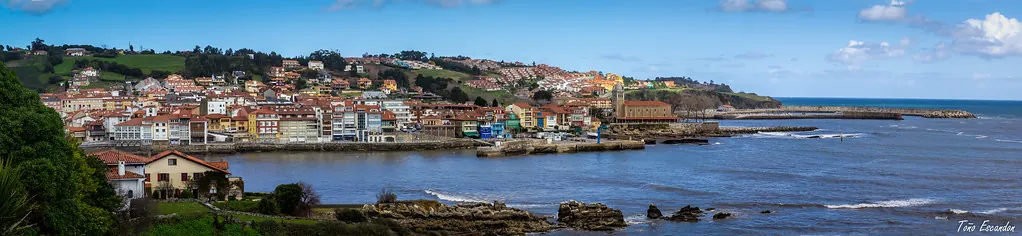
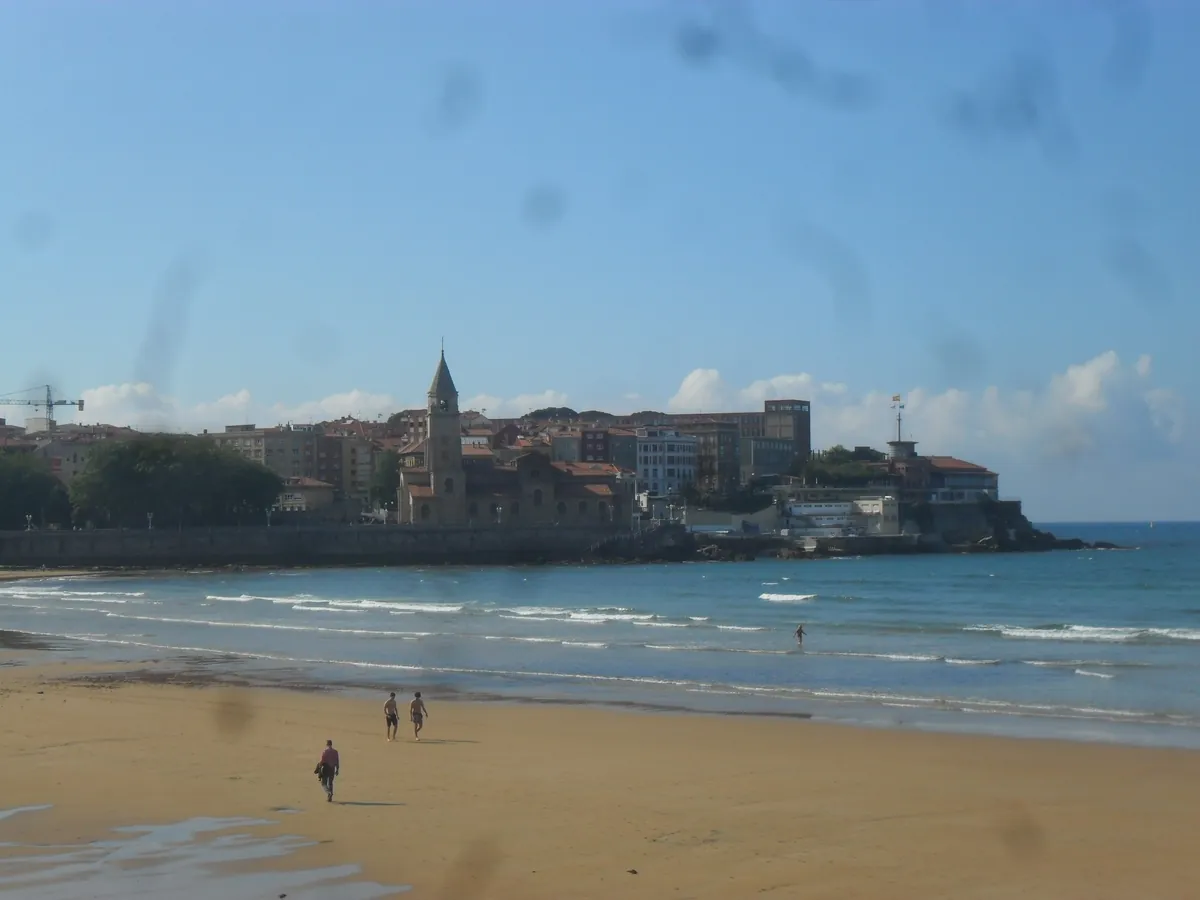
Ten in the morning in Candás smells of warm bread and salt. You get that first, before you even see the water. Then the harbour appears, with its boats and houses facing the Cantabrian, a couple of streets sloping down to the beach like the whole place is leaning towards the sea.
This is Carreño, a coastal council in Asturias. About ten thousand people live here, split between the town and a handful of inland parishes. It sits between Gijón and Avilés, so close to the A-8 motorway that most cars just blur past. Take the turn-off for Candás, though, and things change. The traffic fades and the sea air takes over.
A Place That Looks Like Itself
Candás doesn’t bother with a postcard look. You’ve got 1970s apartment blocks right on the shore, next to older, lower houses from its fishing past. The mix is a bit messy. It’s also honest.
This isn’t a stage set. Fish still gets unloaded on the quay. People meet by the harbour just to talk, not to be seen. If you just drive through on the main road, you miss that completely.
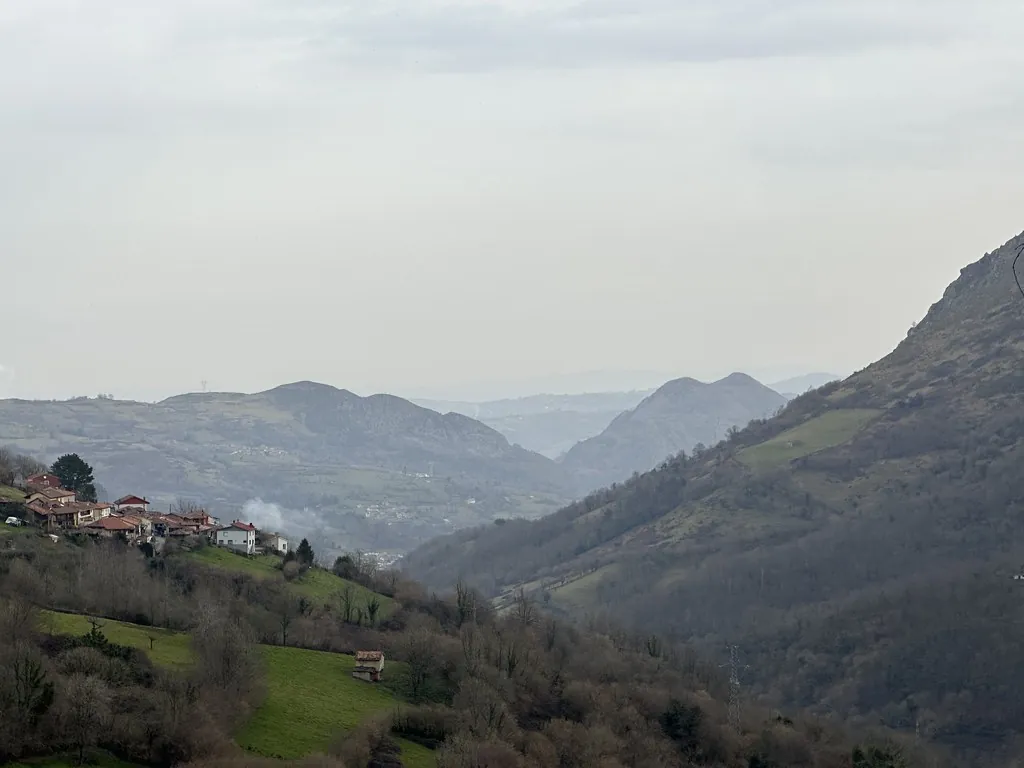
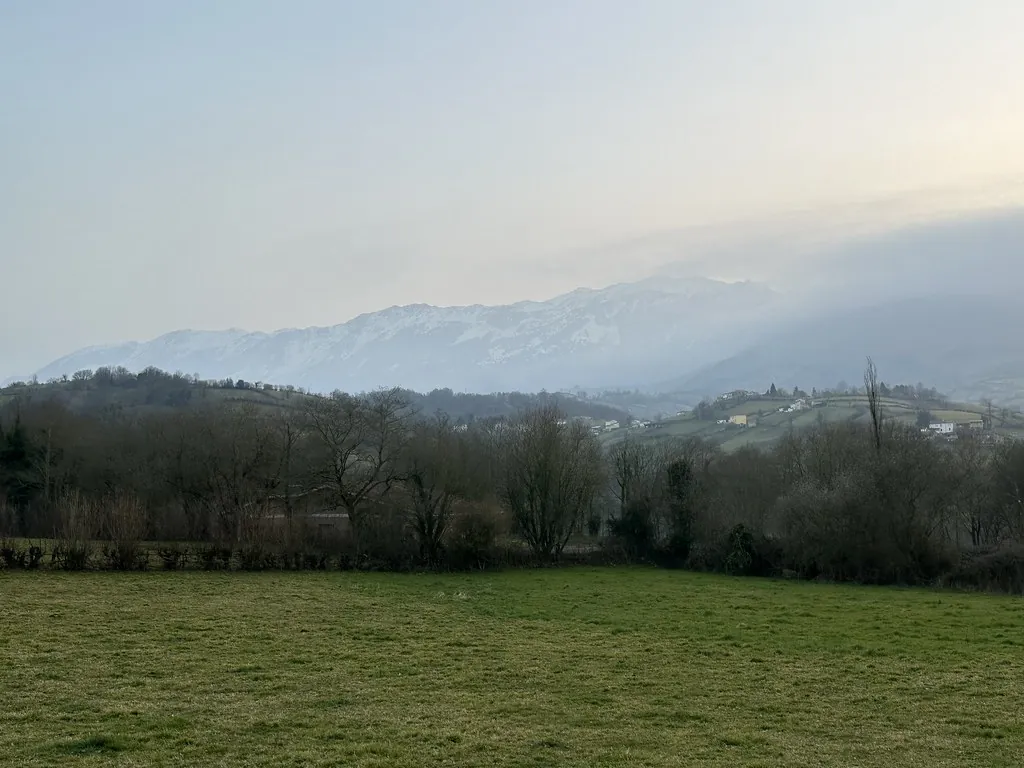
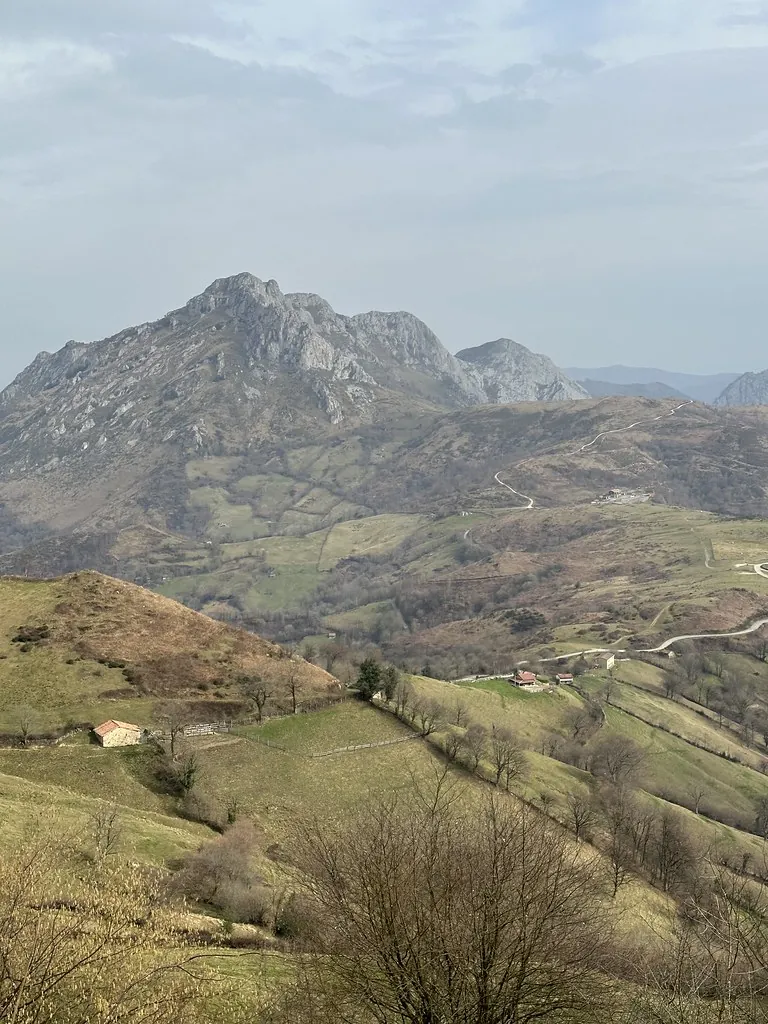
Head away from Candás and Carreño gets quiet. Places like Perlora or Logrezana feel more like smallholdings than coastal towns, with vegetable plots tucked behind walls and narrow lanes. The sea is only minutes away, but the pace is different.
The name Carreño comes from an old local family line, one of those surnames that ended up naming the whole area. The history here isn’t in one big monument; it’s in things like that.
How to Eat Here
In Carreño, seafood isn’t a tourist attraction. It’s just lunch.
Every summer, Candás has its sardine festival. The harbour fills with grill smoke and people eating standing up with bread in hand. It feels like a big neighbourhood party that got famous by accident.
The food follows that idea: straightforward. Sardines, obviously. Grilled chopa. Squid when it's around. And bollo preñao, which is bread baked around chorizo – something you can eat while walking.
Cider is everywhere here because you're in Asturias. Remember it's part of a social thing: poured in small shots (culines) and drunk quickly. In the evening around the harbour, that rhythm picks up.
A note if you're visiting: Sundays and Mondays can be very quiet outside of bars and cafés. Shops might be shut. That's just how it is.
Walking Without a Fuss
You don't need special boots or maps for walking here.
There’s a path near Perlora called the Senda del Agua. It follows an old water channel, mostly flat, good for stretching your legs after a meal without breaking a sweat.
Another walk traces where the old salting factories used to be along the coast. It helps explain why Candás looks the way it does – fish preservation shaped this place long before tourism showed up.
You might also spot walkers with scallop shells on their packs. The Northern Camino de Santiago passes through here quietly, between Gijón and Avilés. Most are just passing through.
The Space of Xagó Beach
A short drive from Candás brings you to Xagó beach. The landscape opens up fast here – long, wide sand backed by dunes, usually with some wind.
There's room to breathe even in summer. When the wind's right, you'll see surfers or kite flyers. On calm days it just feels expansive. In winter it's different: people wrapped up walking dogs, waves hitting hard. At low tide you can walk for ages and barely see anyone. Just pay attention to the flags. The Cantabrian Sea is never warm, and currents are real. A red flag means stay out.
The weather turns quickly here. Coastal humidity keeps summers mild, but rain can come any time. Throw a light waterproof in your bag, even if the morning looks clear.
Fitting Into the Rhythm
Carreño is between two cities but isn't trying to be either. You'll want a car, especially to reach Xagó or poke around the inland parishes. There's public transport, but it gets thin later on, and some inland roads are narrow.
Candás is where most life happens. With ten thousand people in the whole council, daily life feels visible: fishing boats, balconies, small orchards, pilgrims walking through. There's no must-see monument checklist. The point is more about texture – that smell of bread and salt, the uneven skyline, grill smoke in summer, a flat path by some trees. Spring and autumn work well, when the air is clear and beaches are quieter.
Come without big expectations. Park in Candás, walk down to the harbour, and see how the water seems to push between the houses. From there, just follow the day. Carreño isn't competing for your attention. It carries on its own way, and lets you fit into that rhythm for a while