Full Article
about Grado
The Moscona town and its market
Ocultar artículo Leer artículo completo
The weekly market in Grado starts at eight, and by half past the car park’s already gridlocked. Farmers in flat caps unload boxes of lettuces while their wives guard thermos flasks of coffee; teenage boys weave between stalls selling socks, phone cases and leather belts that smell suspiciously of chemical. Somewhere a woman is shouting the price of barn-reared chickens. This is not tourism as theatre – it’s simply Wednesday.
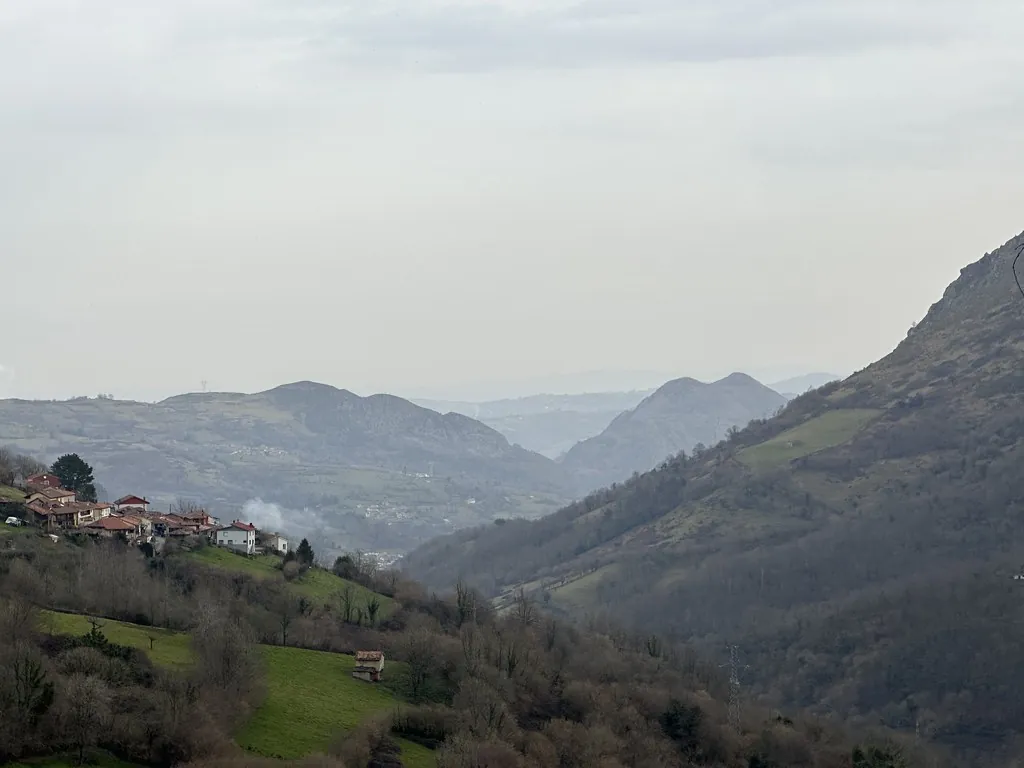
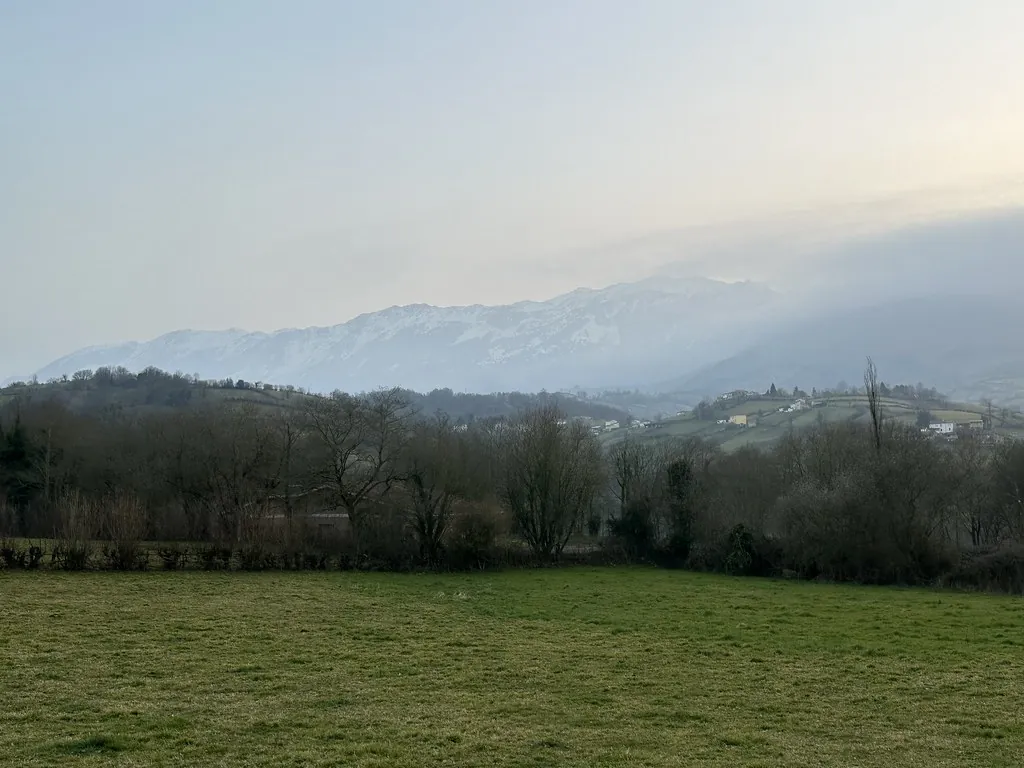
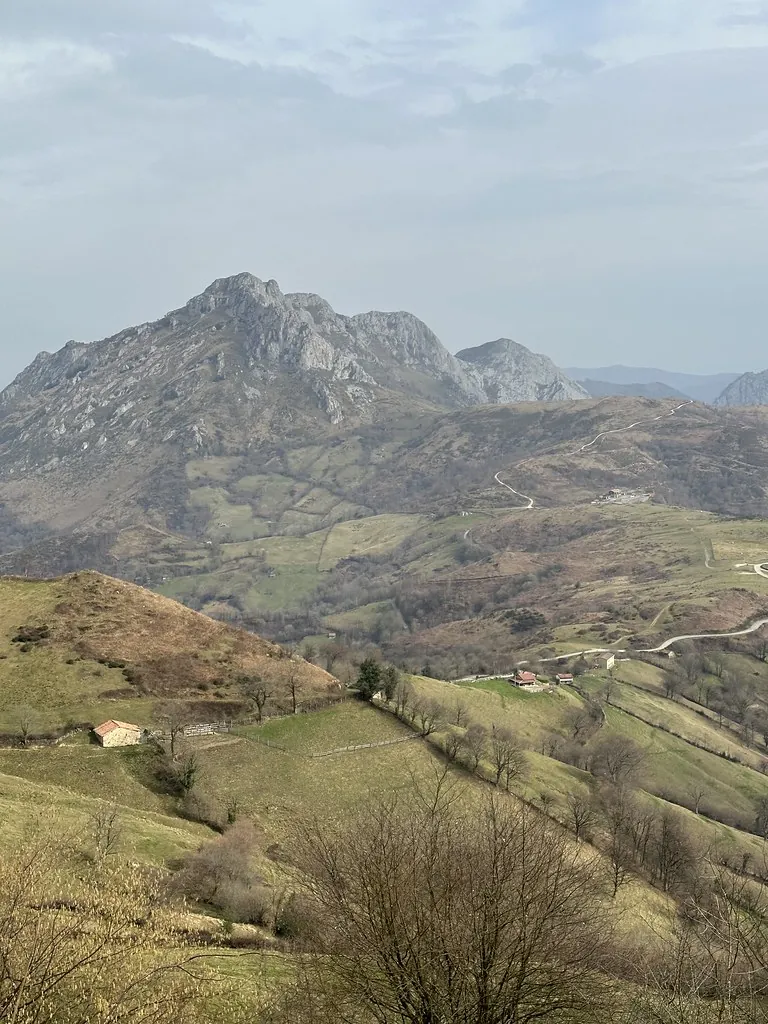
Grado sits half an hour north-west of Oviedo on the A-66, close enough to the coast to catch sea weather but far enough inland to feel properly rural. The surrounding hills are low, folded like a blanket, and the River Cubia slides past meadows where dairy cattle graze nose-to-tail. At 200 m above sea level the air is softer than in the Picos, yet mornings can still carry a chill even in July. The council spreads across 40-odd villages and hamlets; the town itself accounts for barely 5,000 souls, yet on market day the population seems to double.
The Indianos’ Homecoming
Forget stone ramparts and Baroque spires. Grado’s grand moment arrived when locals returned from making fortunes in Cuba and Venezuela between 1880 and 1930. They built houses that look as if someone dropped a slice of Havana into northern Spain: pastel stucco, ornate iron balconies, glass-canopied galleries wide enough for a rocking chair and a gossip. Pick up the free Ruta de los Indianos leaflet from the tiny tourist office on Calle Uría and you can tick off a dozen in twenty minutes. Villa Rosita, painted the colour of pistachio ice cream, still belongs to the family; they’ll wave if you peer through the railings.
The Plaza del Peso forms the logical centre. On one side the Palacio de Miranda-Valdecarzana rises in severe stone, its heraldic tower scanning the square like a referee. The building now hosts municipal offices, so the interior is mostly corridors and swivel chairs, but the exterior rewards a slow lap: look for the carved boar that once warned debtors what awaited them. Opposite, the cafés set out wicker chairs that wobble on the cobbles. Order a café con leche and you’ll pay €1.30; ask for milk in a separate jug and they’ll understand you’re foreign and forgive you immediately.
A Town That Prefers Eating to Posting
Asturian portions are famous; Grado takes pride in exceeding them. Cachopo – two veal fillets the size of laptop screens, crammed with Serrano ham and cheese, breadcrumbed and fried – arrives hanging off the plate. One feeds two hungry adults, three if you add the obligatory chips and roasted peppers. Less dramatic but easier on the waistband is fabada, a slow-cooked bean stew whose only spice is smoky paprika; it tastes like baked beans that have been to university. Puddings are nursery territory: arroz con leche speckled with cinnamon, or frixuelos, thin crêpes rolled and drizzled with honey. Every restaurant offers cider, still and sharp, poured from shoulder height by waiters who’ll happily give you a tutorial. Expect to pay €12–14 for a set menú del día; dinner à la carte runs €25 a head with drinks.
The serious eating day is Sunday. Families drive in from the villages, fill the restaurants by two, and are gone by four when the last chupito of marc has been knocked back. If you want a table, reserve before midday or risk queueing with toddlers who use your legs as a racetrack.
Between Two Rivers, Two Wars
History here is lived rather than cordoned off. Each August the town stages a re-enactment of the 1809 skirmish when Spanish guerrillas bloodied Napoleon’s troops on the outskirts. Men grow moustaches for authenticity, women don empire-line dresses, and the smell of gunpowder drifts through the almond trees. Spectators sit on hay bales; children collect spent cartridge cases as souvenirs. Dates shift yearly, so check the Ayuntamiento website before booking flights.
Older still is the Camino Primitivo, the original pilgrims’ route to Santiago. The 20 km stretch from Oviedo to Grado is a gentle day’s walk across meadows and slate-roofed hamlets where dogs sleep in the road. You’ll need boots after rain – the path turns to porridge – but the reward is arrival in Grado just as the market stalls are coming down and sidra is being poured. The tourist office will stamp your credential; most albergues close for cleaning between 10:00 and 16:00, so time your siesta accordingly.
What You Won’t Find on the Postcards
Grado is not pretty in the film-set sense. Traffic hums along the main street, shop fronts are aluminium, and the river bank carries a faint whiff of diesel when the breeze drops. The old core is small; you can walk every lane in twenty minutes. Come on a Monday and shutters stay down, the bakery’s closed, and the only movement is a lone man pressure-washing the square. Overnight visitors are rare – most travellers hop off the morning bus, linger three hours, and catch the 14:30 back to Oviedo. That makes the place honest, but also means hotel choice is thin: two modest guesthouses and a roadside hostal where the minibars rattle. Book ahead during fiestas or accept a €30 taxi to the city.
Access without a car requires planning. ALSA buses run hourly from Oviedo until 20:30; miss the last and you’re stranded. Trains don’t stop here – the nearest station is in neighbouring Cornellana, 12 km away, served by two regional services a day and no Sunday timetable. Driving is straightforward: the A-66 is dual carriageway all the way, but Wednesday traffic turns the final kilometre into a crawl. Leave the car by the sports pavilion and walk in; the stroll takes seven minutes and saves twenty of arterial stress.
When to Come, What to Bring
Spring brings orchards of white blossom and temperatures in the high teens – perfect for walking the Ruta de los Molinos, a flat 7 km circuit past ruined watermills along the Cubia. Summer is warm rather than scorching (25 °C max) but humidity can top 80 %; the park’s giant plane trees become outdoor living rooms for card-playing grandfathers. Autumn smells of cider presses and wet earth; mist hangs in the valleys at dawn, lifting by eleven to reveal copper beeches on the skyline. Winter is green, mild and muddy. Snow falls perhaps once a year, enough to send children sledging on tray lids but rarely to block roads.
Pack waterproof shoes whatever the season and a light jacket for evenings. Cash is still king on market stalls; many bars won’t accept cards under €10. English is understood in the tourist office, nowhere else – yet a smile and the word ‘fabada’ will get you fed.
Leaving Without a Souvenir
Grado won’t change your life. It offers no selfie-moment cathedral, no Michelin stars, no nightclub worth the name. What it does give is a slice of working Asturias minus the coast’s summer squeeze or Oviedo’s parking meters. Sit in the square long enough and someone will ask where you’re from, then insist you try a sliver of their cheese. You’ll leave with a paper bag of frixuelos for the bus, smelling faintly of woodsmoke and cider, wondering why every town can’t have a Wednesday like this.