Las Regueras - Flickr
FSA-PSOE · Flickr 6
Asturias · Natural Paradise

Las Regueras

The fog lifts just after nine, revealing meadows so intensely green they look almost artificial after a British winter. Las Regueras doesn't announ...

1,892 inhabitants · INE 2025
200m Altitude

Why Visit

Mountain Roman baths of Valduno Roman history

Best Time to Visit

summer

Carnival Tuesday Marzo y Junio

Things to See & Do
in Las Regueras

Heritage

  • Roman baths of Valduno
  • Nora river bends

Activities

  • Roman history
  • Landscape

Festivals
& & Traditions

Fecha Marzo y Junio

Martes De Carnaval, San Antonio

Las fiestas locales son el momento perfecto para vivir la autenticidad de Las Regueras.

Full Article
about Las Regueras

Roman footprint in Asturias

Ocultar artículo Leer artículo completo

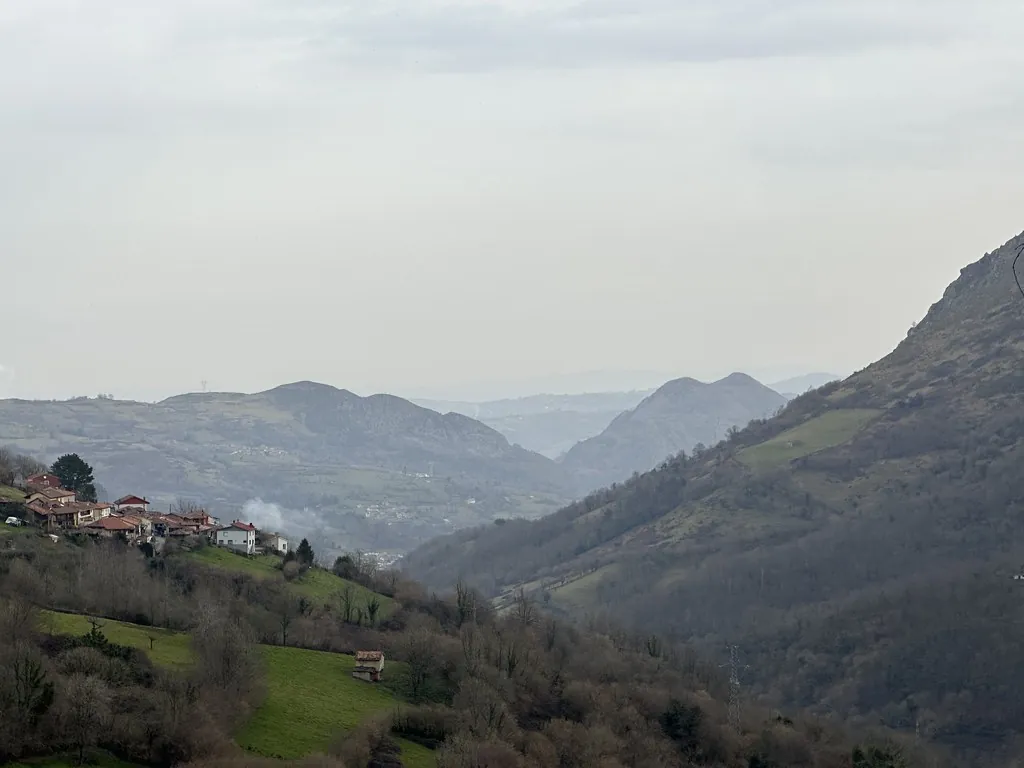
The fog lifts just after nine, revealing meadows so intensely green they look almost artificial after a British winter. Las Regueras doesn't announce itself with a signpost moment or a picture-perfect plaza. Instead, scattered farmhouses appear one by one along the AS-322, each with its stone granary on stilts, like medieval landing craft beached among the apple trees. You're ten kilometres west of Oviedo, but the city feels farther away than the twenty-minute drive suggests.

What the map doesn't show

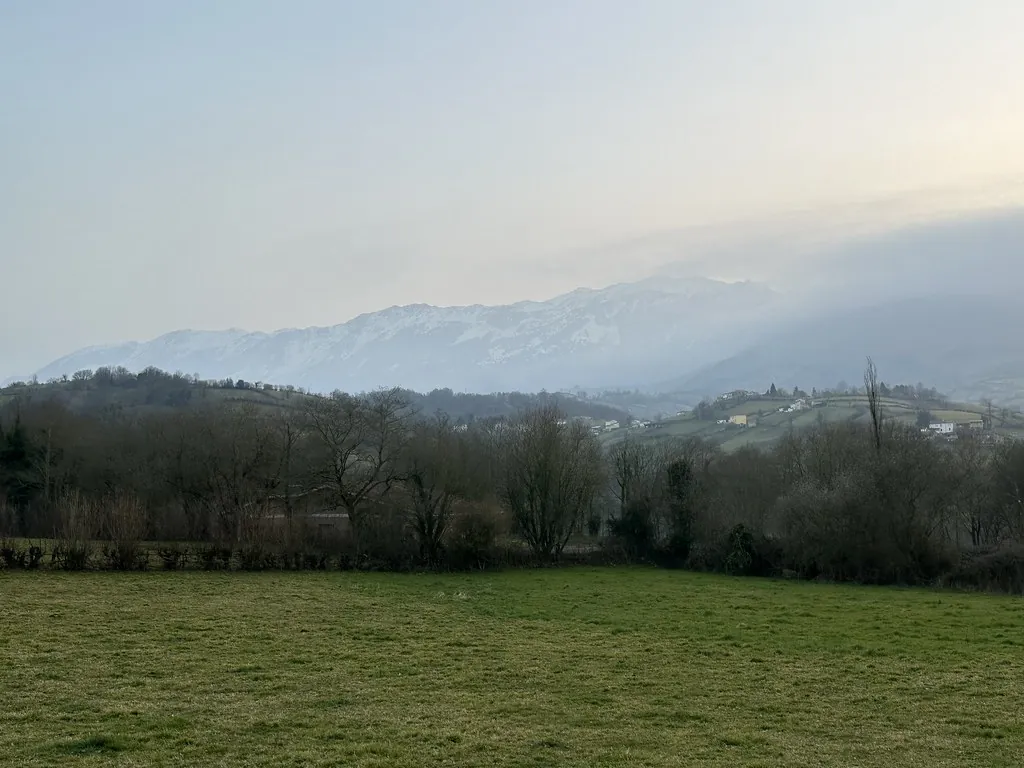
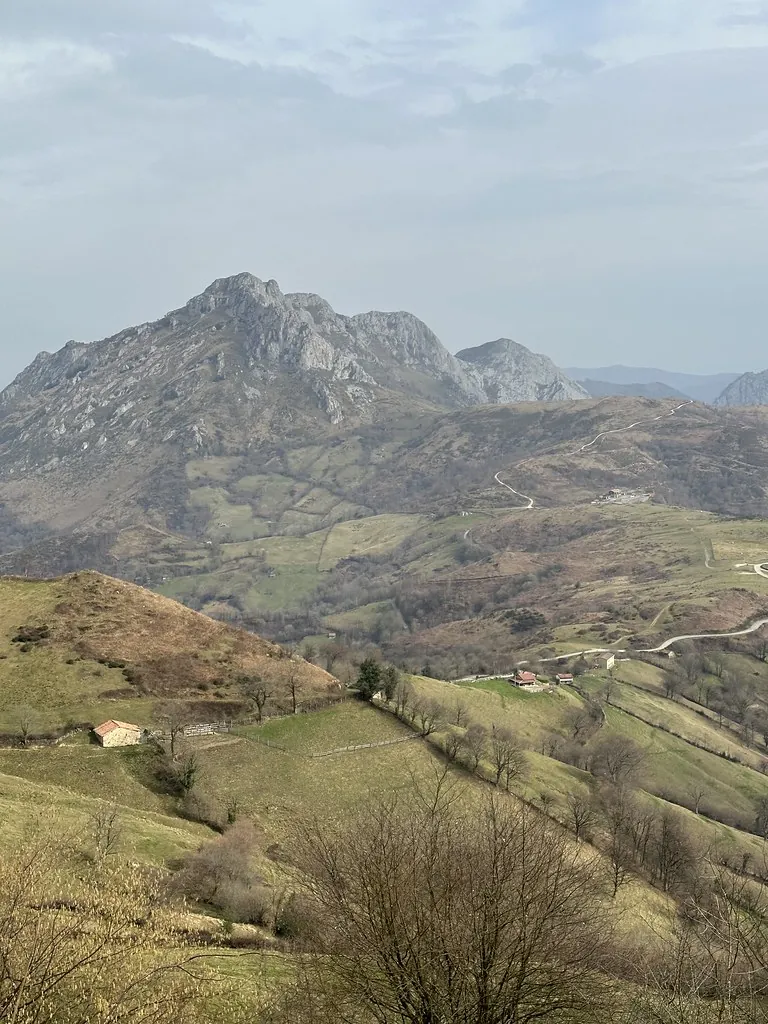
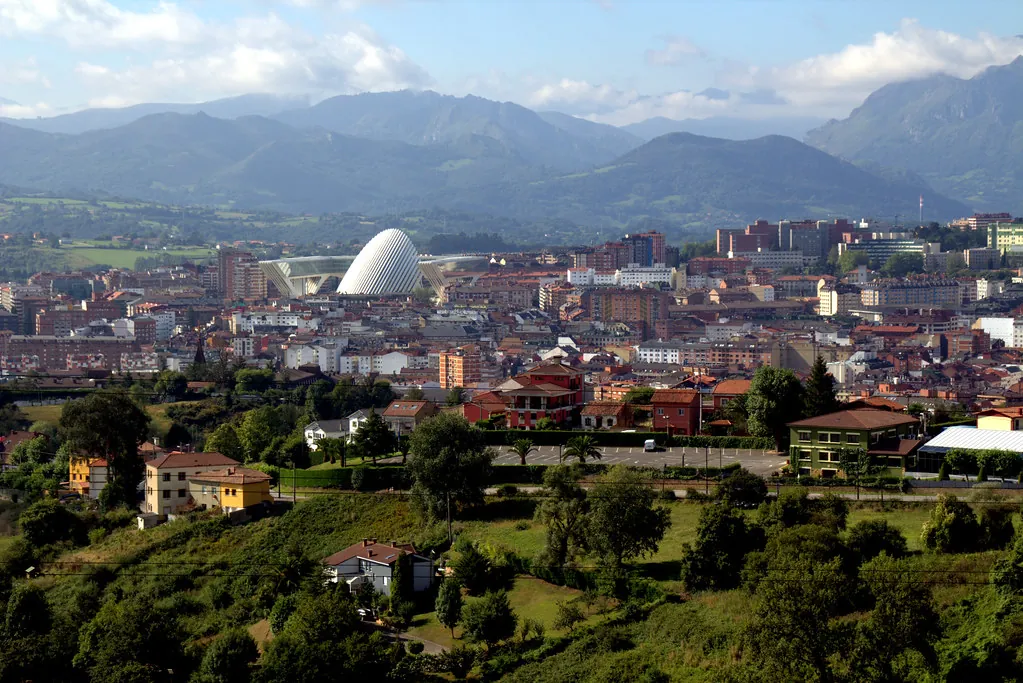
This isn't mountain country in the Lake District sense. The hills roll rather than rear, topping out around 600 metres, yet the terrain still manages to ambush unprepared legs. Short, sharp ramps link the valleys, and country lanes bend without warning into 15% gradients. Cyclists who assume northern Spain means coastal flatness get a rude education here. Walkers fare better, provided they accept that footpaths are working routes between fields, not signposted leisure trails. The reward for climbing any of the low ridges is immediate: a sudden view south to the limestone wall of the Naranco, with Oviedo's cathedral spire glinting like a pin on a distant cushion.

The climate follows altitude more than season. Spring arrives late—farmers still light their stoves in May—and autumn lingers well into November when the chestnut woods turn copper and the air smells of cider apples. Summer afternoons can hit 30°C in the open meadows, but five minutes into the tree cover the temperature drops ten degrees. Winter brings Atlantic fronts that dump rain for days; when they clear, snow often caps the higher pastures while the valleys stay green. If you're planning to walk, pack as you would for a Peak District outing in April: waterproofs, layers, and shoes that can cope with red clay that clings like plasticine.

Stone, wood and working farms

There is no single "village centre". The ayuntamiento sits in La Corredoria, a linear settlement strung along the main road, but the heart of Las Regueras is really a patchwork of parishes—Biedes, Santullano, Trasmonte, Valsera—each a handful of houses around a stone church. Santa Eulalia de Biedes keeps its Romanesque doorway intact; turn up on a weekday morning and the key-keeper, usually the woman in the house opposite, will open up for no fee beyond polite conversation. Inside, the nave smells of beeswax and damp stone, exactly the scent that English countryside churches lost sometime around the Reformation.

Between the churches, the architecture is utilitarian rather than pretty. Horreos—rectangular granaries raised on pillars—stand in front gardens like oversized garden sheds. Some are slate-roofed, others topped with red pantiles; all are still used to keep maize and hay away from rats. They photograph beautifully from the lane, but remember the ground underneath belongs to someone who'd rather you didn't open the gate to get a better angle. Likewise the meadows: stone walls mark boundaries that date back to the seventeenth century, and every gate has a chain. Close it behind you, or face the particular wrath of a farmer whose 40 dairy cows have just discovered the main road.

Food without the performance

British visitors expecting a tapas trail will be disappointed—or relieved. The council counts one proper restaurant, El Rondón in La Corredoria, plus a couple of bar-cafés that open erratically. El Rondón serves a fixed-price menú del día (£12-14) built around whatever the owner bought that morning: beef stew with chickpeas, river trout grilled whole, rice pudding thick enough to stand a spoon in. Ask the day before and they'll leave the morcilla out of the fabada, a thoughtful touch for anyone still haunted by school-dinner black pudding. Cider comes in 750ml bottles; the waiter will pour a splash from shoulder height into a thin glass. Drink it in one go—left to stand, it loses its fizz and starts to taste like sour Scrumpy.

If you prefer self-catering, stock up in Oviedo. Las Regueras has a single village shop that still closes for siesta and all day Sunday. The nearest supermarket is a Carrefour in Llanera, fifteen minutes away by car and unreachable by public transport after 9pm. Farmers sell eggs at the gate—look for the handwritten huevos sign—and there's a weekend cheese stall whose Cabrales-style blue will clear sinuses faster than any Vicks inhaler.

Getting about (and why you'll need a car)

Buses from Oviedo run roughly every two hours, timed to school and shift patterns rather than tourist convenience. The last service back to the city leaves at 20:30; miss it and a taxi costs €35-40. Car hire from Asturias airport takes 25 minutes door-to-door via the A-66 and AS-322. Roads are quiet outside commuter times, but narrow: passing places every 200 metres mean you'll perfect the Spanish reverse-to-let-the-tractor-past manoeuvre. In winter, carry snow socks above 400 metres; the council grits the main route, but side lanes can turn into toboggan runs after an overnight dusting.

Mobile signal fades in every valley; download offline maps before you set out. Walking routes aren't waymarked, so the safest plan is an out-and-back along the same track rather than a circular loop that might deposit you on the wrong side of a locked gate. If you fancy something longer, the Camín Real de la Mesa starts here: a Roman-engineered drovers' road that climbs 20km to the province border. Leave a second car at the far end or face a 40-euro taxi ride back to your start point.

When to come, when to stay away

Late April through early June delivers emerald fields, wild orchids along the verges and temperatures perfect for walking. September and October bring cider-pressing season—most houses have a press in the barn and the smell of crushed apples drifts across every lane. July and August are technically high season, yet Las Regueras never feels crowded; instead, midday heat makes open meadows uncomfortable and shade scarce. November to March is wet, foggy and intermittently spectacular. Come then only if you're content to spend afternoons by a wood-burner watching Atlantic fronts sweep across the valley like scenes from a Scandinavian crime drama.

Two hours is enough to drive the lanes, photograph a couple of horreos and drink a cider. A full day lets you walk one ridge, eat lunch and still be back in Oviedo for dinner. Stay overnight only if silence—real, no-traffic, no-light-pollution silence—is what you're after. The council runs two small pilgrim hostels (£12 pp) that welcome non-walkers outside peak Camino weeks; otherwise, rental cottages start at £70 a night with a three-night minimum in winter. Hotels are non-existent, and that's precisely the point.

Las Regueras offers no souvenir shops, no evening entertainment beyond the television in the bar, and no guarantee the weather will cooperate. What it does give you is a slice of rural Spain that hasn't been rearranged for the Instagram age—more Cotswold before the coaches than postcard Andalucía. Turn up with realistic expectations and a full tank of petrol, and you'll discover why the locals measure distance not in kilometres but in the number of songs it takes to drive there with the radio on.

Key Facts

Region
Asturias
District
Centro
INE Code
33054
Coast
No
Mountain
Yes
Season
summer

Livability & Services

Key data for living or remote work

2024
ConnectivityFiber + 5G
TransportTrain nearby
HealthcareHealth center
EducationElementary school
Housing~6€/m² rent · Affordable
CoastBeach 18 km away
Sources: INE, CNMC, Ministry of Health, AEMET

Official Data

Institutional records and open data (when available).

  • IGLESIA DE SAN PEDRO DE NORA
    bic Monumento ~4.6 km
  • VILLA ROMANA DE ANDAYÓN O DE LA ESTACA
    bic Zona Arqueológica ~0.9 km

Planning Your Visit?

Discover more villages in the Centro.

View full region →

More villages in Centro

Traveler Reviews