Full Article
about Llanera
Asturias’s hub
Hide article Read full article
Llanera: un territorio de paso
En el mapa de Asturias, Llanera ocupa una posición central. Esta no es una simple anécdota geográfica. Históricamente, el territorio funcionó como zona de transición entre la ciudad episcopal de Oviedo y los dominios de distintos linajes nobiliarios. Esa condición de lugar intermedio aún se percibe.
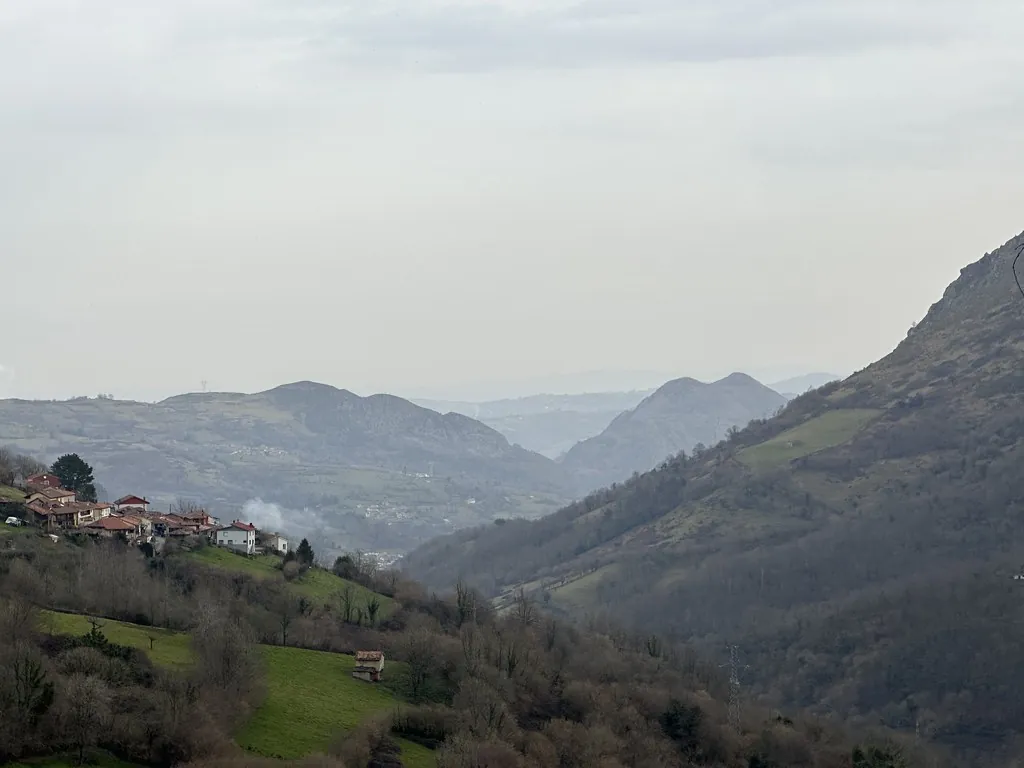
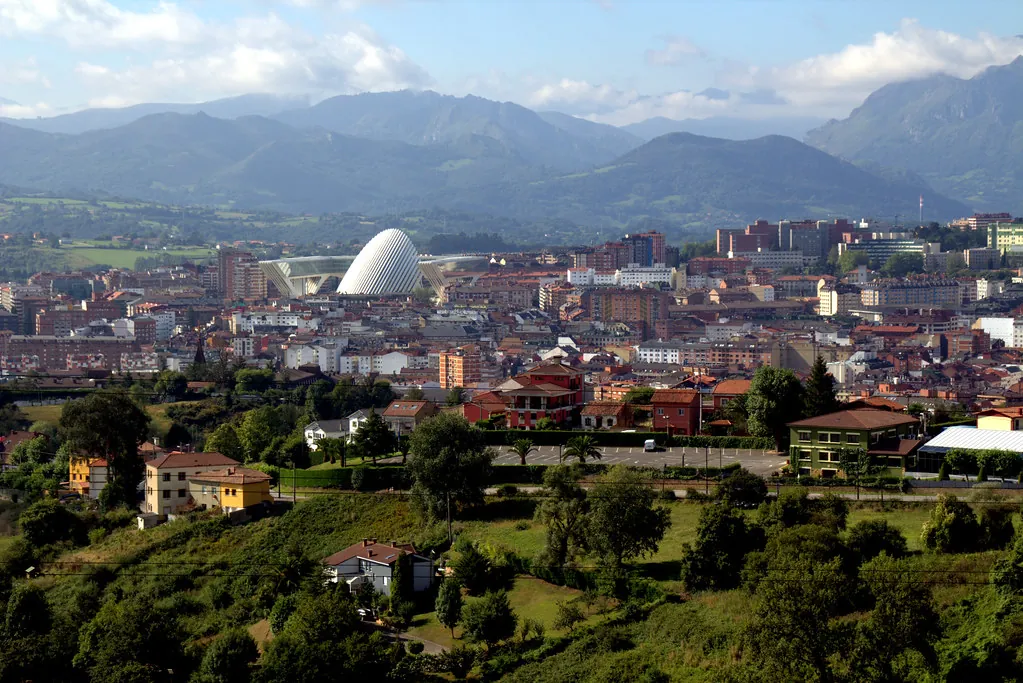
Hoy es un concejo que muchos atraviesan por carretera, entre Oviedo, Avilés y Gijón. Al mismo tiempo, conserva una vida rural visible. Palacios del siglo XVII conviven con ganaderías, polígonos industriales y una red de caminos que en parte siguen trazados mucho más antiguos.
El carácter de Llanera no se resume en un monumento singular. Se entiende mejor observando cómo comparten espacio las naves industriales, las quintanas y las fincas de pradería.
Una torre para controlar el camino
La Torre de los Valdés, en El Pico, data probablemente de finales del siglo XIV. Su arquitectura es funcional: muros gruesos, escasos vanos, una puerta en alto a la que se accedía con escalera móvil. No es un castillo señorial, sino una construcción defensiva para la vigilancia.
Desde su posición se dominaba un corredor natural que unía Oviedo con el occidente asturiano. Siglos después, ese mismo corredor sería utilizado por peregrinos que seguían la ruta interior hacia Santiago. La torre explica, en parte, el valor estratégico de este territorio de paso.
Arquitectura civil y religiosa
El poder civil de la Edad Moderna queda representado en el Palacio de Villanueva, en San Cucao. Es una casona asturiana del siglo XVII, de fachada ordenada y escudo bien visible. La escalera principal fue concebida para marcar distinciones sociales. El edificio tiene ahora un uso público, pero su presencia habla de cómo estas casas solariegas organizaron la vida económica de su entorno durante generaciones.
La iglesia de Santiago de Arlos muestra una adaptación diferente. Su estructura románica es del siglo XII, con modificaciones posteriores. El ábside conserva canecillos tallados bajo el alero y la portada sur tiene arquivoltas de medio punto sencillas. No es un edificio monumental. Su interés está en cómo el románico se construyó aquí con materiales locales y soluciones prácticas, al servicio de una comunidad rural.
Huellas en el paisaje
En Llanera, la historia a menudo se lee en detalles pequeños. En la iglesia de San Cucao se guarda el arca de los padrones, un cofre de madera que durante siglos contuvo los documentos de la parroquia. Parte de ese archivo incluye libros de varias centurias.
Cerca de Cayés se encuentran restos de hornos de cal, simples excavaciones en el terreno vinculadas a una producción artesanal. La cal era un material esencial para la construcción y para usos agrícolas antes de la industrialización. Estos vestigios señalan actividades económicas cotidianas que modelaron el paisaje.
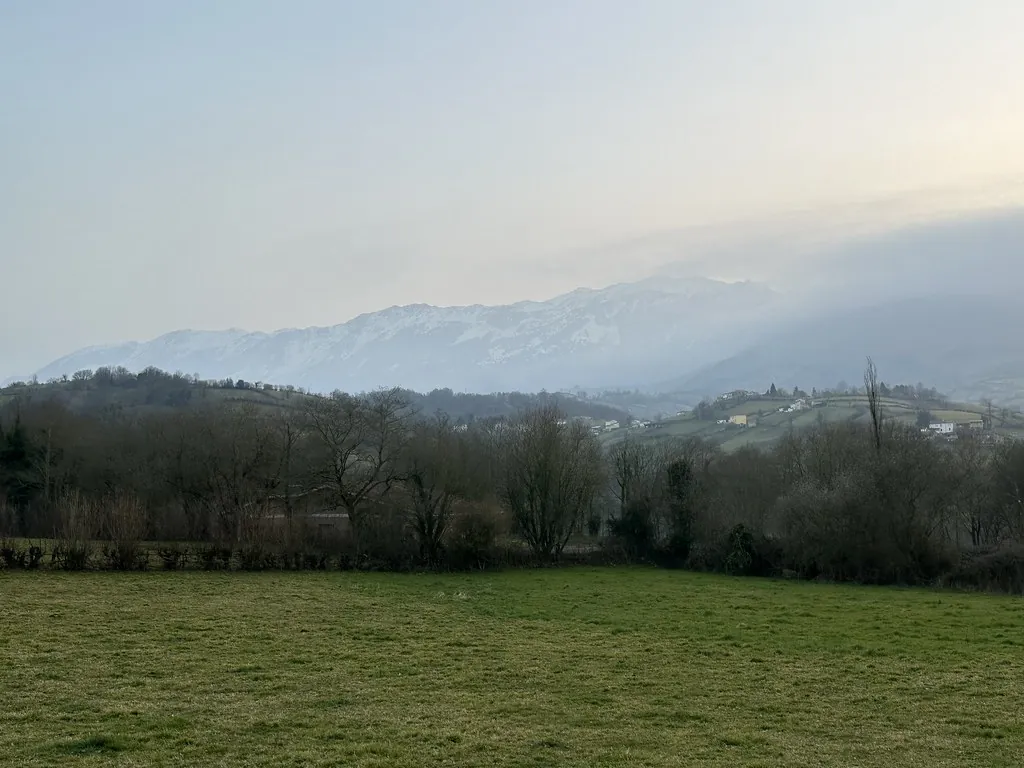
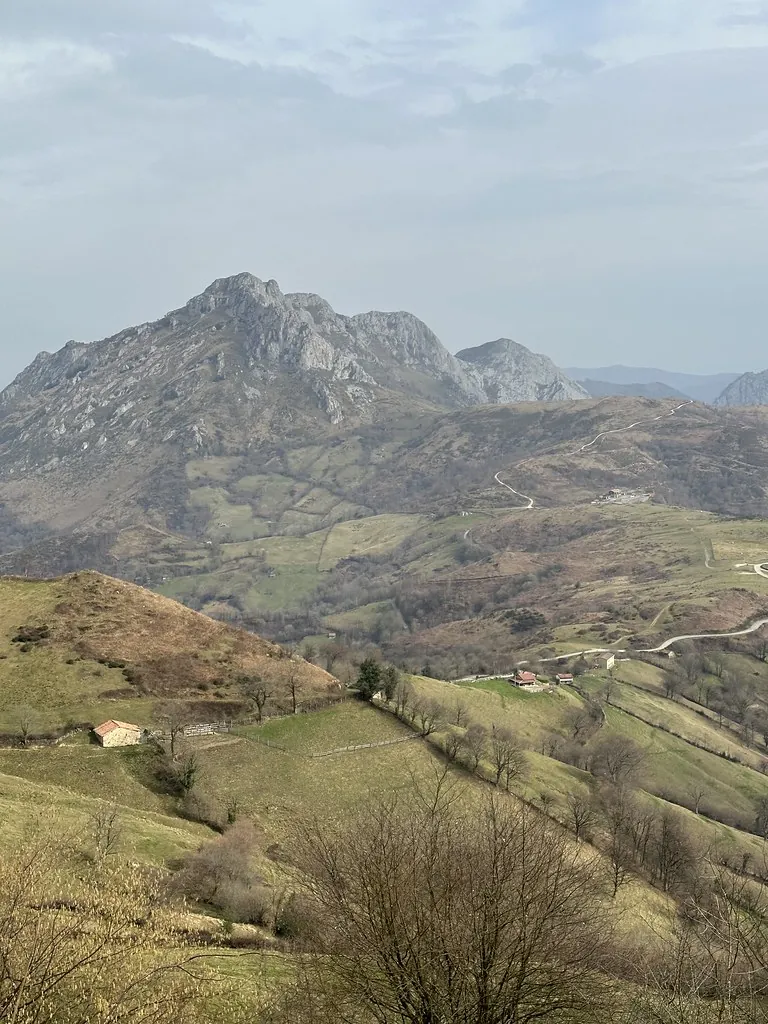
Ese paisaje actual es una superposición de tiempos. Las quintanas tradicionales —una casa, un hórreo o panera, una cuadra y una huerta— aparecen junto a los caminos. En las zonas más llanas próximas al río Nora, dominan los prados de siega. La vista gana significado cuando se observa la disposición de las casas, los muros de piedra que dividen los prados y la organización del terreno.
Recorrer el concejo
Una forma sencilla de acercarse al concejo es enlazar algunos de sus núcleos históricos, como San Cucao o Villabona, por carreteras locales y pistas agrícolas. El recorrido no tiene desniveles importantes y transcurre por un paisaje de llanuras suaves y colinas bajas.
Por aquí pasa también un ramal del Camino de Santiago, la ruta interior que se dirige a Oviedo. Muchos peregrinos lo cruzan sin detenerse. Aún así, junto al trazado quedan iglesias rurales, puentes pequeños y la propia torre de los Valdés, que ayudan a entender por qué este valle formó parte de una vía consolidada hacia Compostela.
Cómo llegar y época
Llanera linda con Oviedo y tiene buena conexión por carretera con el centro de Asturias. El transporte público llega a algunos núcleos principales, pero para moverse entre parroquias es más práctico el coche.
La primavera cambia notablemente el aspecto del valle del Nora, cuando florecen los numerosos frutales. En verano se celebran varias fiestas patronales en las parroquias, que aportan días de animación a un entorno predominantemente rural.