Full Article
about Pravia
Former royal court
Ocultar artículo Leer artículo completo
The morning bus from Oviedo pulls in beside a bakery that smells of warm carbayones, those almond pastries locals buy by the half-dozen. Within five minutes you've crossed Pravia's centre twice—once to orient yourself, again because the medieval Colegiata closes for lunch at 1.30 sharp. This is that sort of place: compact, practical, utterly unbothered by tourism's timetable.
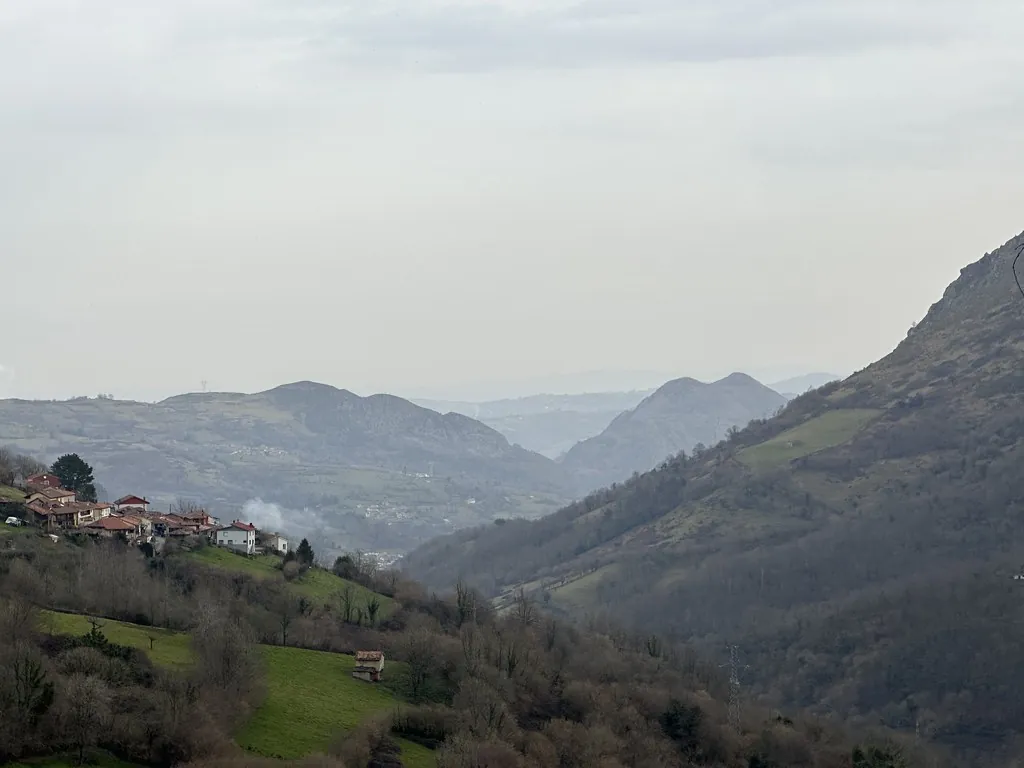
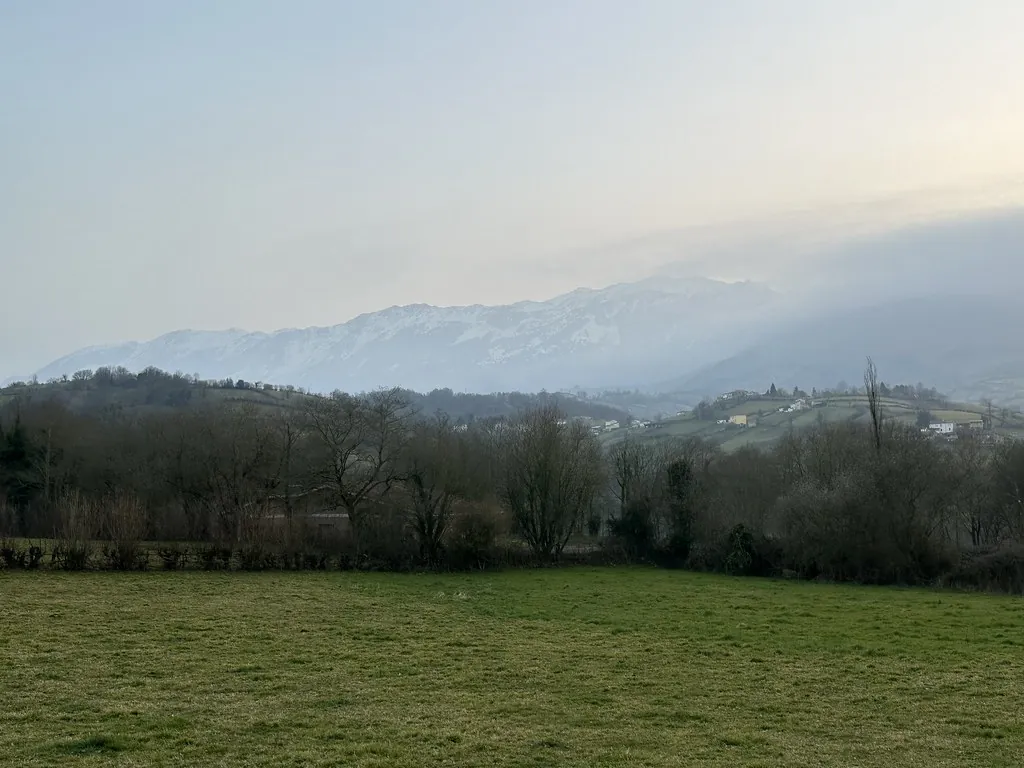
Pravia sits fifteen kilometres inland where the Nalón and Narcea rivers meet, a market town of 5,000 that governed Christian Asturias back when Alfonso II moved his court here in the ninth century. The court left; the town stayed. Today's visitors come less for throne rooms than for a slice of working Asturias—one where butchers still weigh chorizo on antique scales and the Friday market blocks Calle San Juan with vegetable stalls, prams and gossip.
Stone, cider and a plaza that still works
Start in Plaza de la Constitución. The Colegiata de Santa María rears up with a patchwork of Gothic ribs and Renaissance grafts; inside, a sixteenth-century Flemish triptych glints in the half-light. Admission is free when the doors are open (mornings except Monday, evenings 5–7). Don't expect audio guides—just a caretaker who'll nod you towards the tomb of an obscure count and switch the lights off when you leave.
From the church steps, three streets radiate southwards lined with granaries on stone stilts, balconied townhouses and the occasional Modernista chemist's shop. House numbers jump erratically; locals navigate by bar names. Drop into El Llar de Viri on Calle San Román if you booked ahead—this former farmhouse, run by women from the guild of guisanderas, serves chestnut stew thick enough to stand a spoon in and rice pudding scented with lemon peel. Expect to pay €22 for the three-course menú del día including wine poured from height in true sidra fashion. Watch first: the bottle arcs above the waiter's head, a thin golden ribbon hits the glass, you knock it back in one gulp before the fizz collapses.
A church older than the kingdom
Three kilometres west, the road narrows past apple orchards and red-painted cow sheds to San Juan de Santianes. King Silo had this modest pre-Romanesque church built around 780; the carved stone inscription inside is the first written reference to "Asturias" as a political unit. There's no ticket desk, no coach park, just a key hanging in the adjacent house—ring and the caretaker appears, wiping flour from her hands. Inside, the barrel vault smells of damp stone and wood smoke. On overcast days the valley mist presses against the tiny windows; you half-expect a monk to shuffle in with a taper.
Walking back takes forty minutes along a farm track that joins the river. After rain the path turns to chocolate-coloured mud; decent footwear saves the embarrassment of arriving at the Bar Astur for coffee caked to the knees.
When the valley fills up and quiets down
Pravia's busiest weekends book-end August: San Roque brings processions and brass bands, San Antonio supplies fireworks you can watch from the old railway bridge. Accommodation is limited—three small hotels and a handful of rural houses—so prices jump to €90 for a double. Visit mid-week in May or late September and you'll pay €55, park for free behind the health centre and have the museum curator to yourself.
The Museo de la Historia de Pravia occupies the Palacio de Moutas on the edge of town. One floor sketches the ninth-century court with coins and belt buckles; upstairs, black-and-white photos show market day 1925 looking remarkably like market day 2023. Admission is €2; allow twenty minutes, thirty if you read every caption.
Sidra, beans and why it tastes better here
British palates cope easily with Asturian cooking—nothing fiery, just slow-cooked comfort. Try fabada (creamy bean and pork stew) at Casa Gaspar on Calle Uría; they simmer it for four hours and serve it in earthenware crocks big enough for two. Arroz con leche arrives dusted with cinnamon, closer to school-dinner rice pudding than anything Latin and scary. Pair with a bottle of Trabanco cider (€3.50 in shops, €5 in bars) or, for something stronger, the local apple-based aguardiente—a measure the size of a thimble still warms all the way down.
Vegetarians survive on tortilla and cheese; vegans struggle. Bread is Galician-style, soft-crumbed and slightly sour—perfect for mopping up bean liquor. Tipping isn't obligatory; locals leave the small change from a €20 note.
Logistics, rain jackets and realistic expectations
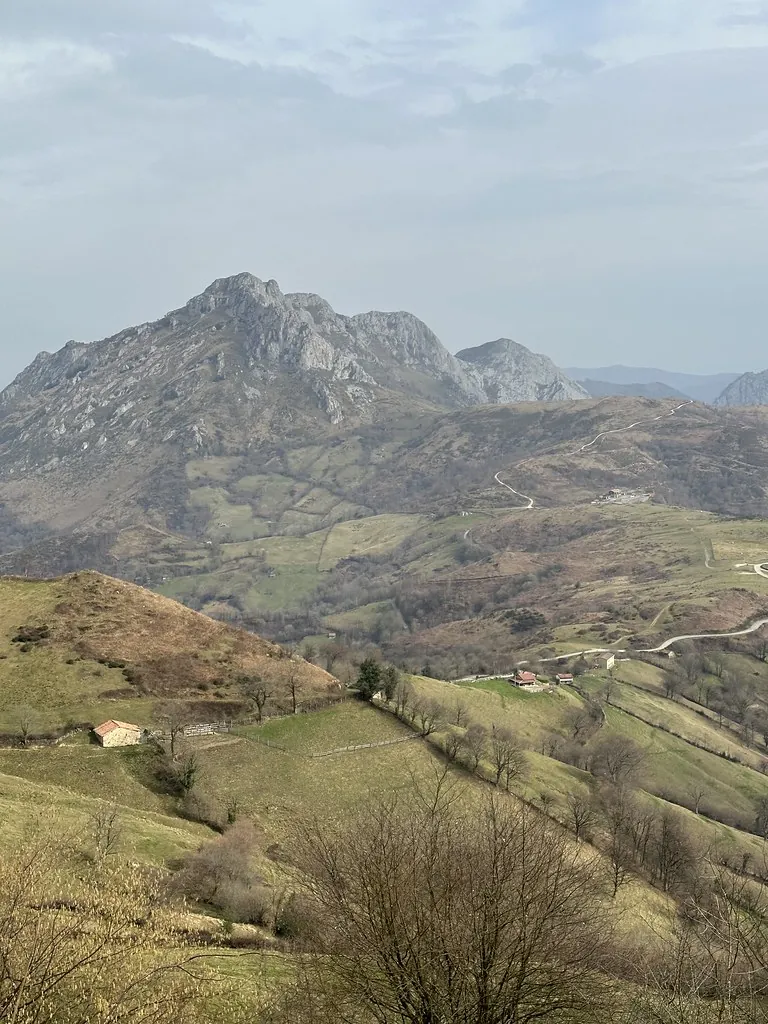
Pravia isn't a headline stop. Guidebooks devote more pages to nearby Cudillero's pastel harbour, yet that works in its favour. Come for half a day en route to the coast or as a base for valley cycling; stay longer and you'll need a car to reach the Somiedo bears or the beaches of Casona, twenty-five minutes north.
Fly to Oviedo from Stansted with Vueling (summer daily, winter thrice-weekly). Car hire takes twenty-five minutes down the A-66 and AS-237; ALSA buses run roughly hourly except Sunday afternoon when they vanish completely. Trains exist but crawl—Oviedo to Pravia is 50 minutes versus 35 by road. A single bus fare is €2.65; parking in town is free outside market hours (8–14 h Friday).
Weather demands layers. Even July can start at 14 °C under mountain fog and hit 26 °C by lunchtime. Pack a light raincoat; short sharp showers keep the maize improbably green. Winter brings Atlantic gales and the occasional power cut—romantic until the heating dies.
Parting shot
Leave with a paper bag of carbayones for the plane, cider on your breath and the realisation that you haven't taken a single selfie with a costumed re-enactor. Pravia doesn't do souvenirs; it does everyday Asturias, served slightly chilled and gone in twenty-four hours—rather like the cider.