Full Article
about Quirós
Climbing paradise
Ocultar artículo Leer artículo completo
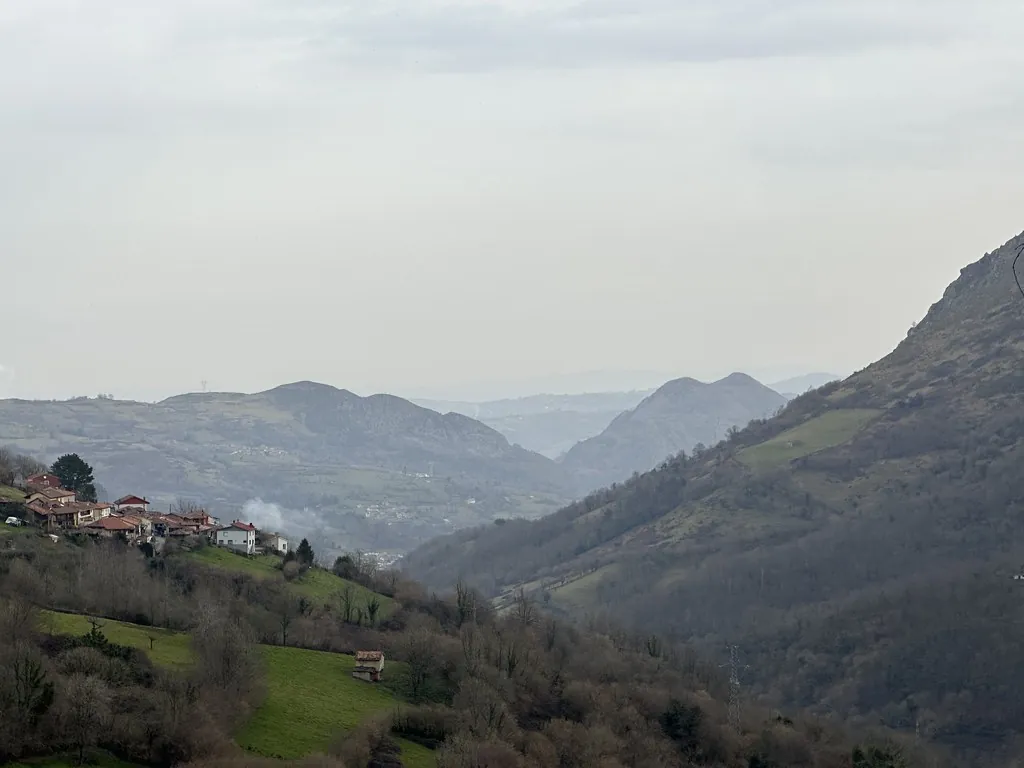
The road to Quiros starts deceivingly. Forty-five minutes from Oviedo's airport, the AS-228 turns its back on the coast and climbs into a landscape that feels older than Spain itself. One minute you're passing shopping centres, the next you're winding through a glacial valley where stone granaries perch on wooden stilts like medieval watchtowers. This is when you realise the map's timings were optimistic.
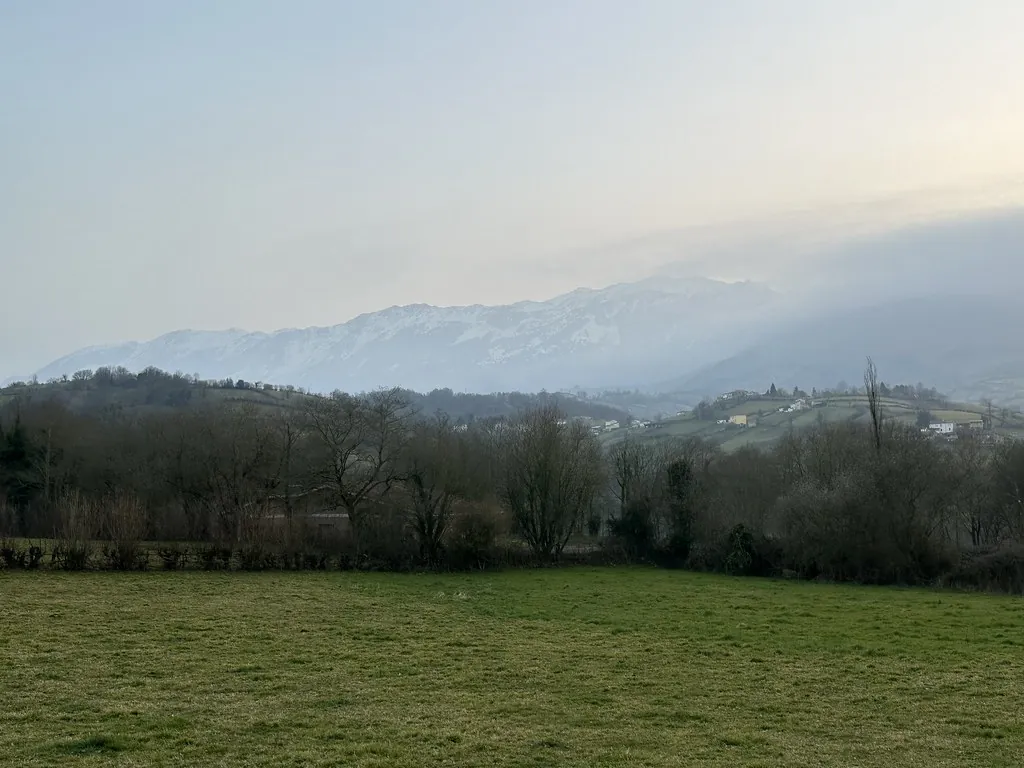
Quiros isn't a village but a scatter of hamlets across a long green valley. Barely 1,000 people live here, outnumbered by peaks that rise to 2,000 metres. The river Quirós runs the length of it, feeding pastures where caramel-coloured cattle graze beside stone walls older than most European countries. It's farming country, always has been, and the rhythms of the land set the pace for everything else.
The Valley That Time Forgot to Flatten
Bárzana serves as the administrative centre, though calling it a town would be generous. A single high street, a bakery that sells out of bread by 11 am, and a 24-hour cash machine that might be the valley's most modern convenience. Park here if you're visiting—the road narrows considerably beyond this point.
Drive south and the valley tightens. Bermiego appears first, its houses stacked up a slope so steep that residents negotiate it daily like urban mountaineers. Stone and timber dominate, with hórreos—raised grain stores—standing sentinel over vegetable plots. Nobody's restored these buildings to death; they're simply lived in, some freshly painted, others waiting their turn. It's authentic without trying, the sort of place where you might meet Coco the farmer leading his cows to pasture, as several British visitors have noted in guestbooks.
The church of San Martín de Linares sits just off the main road, its modest dimensions belying claims of pre-Romanesque origins. Whether ninth or twelfth century hardly matters—what counts is that people have worshipped here for over a millennium, while empires rose and fell beyond these mountains. Step inside and the stone floor dips where countless feet have worn hollows. There's no admission charge, no gift shop, just a notice board advertising next week's mass and the local cheese fair.
Walking Into Another Century
Without walking, you haven't really seen Quiros. The valley floor offers the gentlest introduction: the Ruta del Alba follows the river through woodland and meadow, wooden boardwalks spanning the boggy bits. It's flat enough for children, yet within thirty minutes the valley walls close in until you're walking a green corridor with only the sound of water and birds. Allow two hours return to the trailhead at Puente de los Fierros, longer if you stop to photograph every waterfall.
For proper mountain air, tackle the Foces del Río Pendón. This narrow gorge sees the river squeeze between limestone walls, creating a natural amphitheatre of rock and spray. After rain it roars; in drought it's merely impressive. The path—really a sheep track in places—gets slippery. Trainers won't cut it; you need grippy soles and hands free for the occasional scramble. One misplaced foot and you're in the drink, as a Yorkshire climber discovered last October. He limped back to Bárzana with a sprained ankle and a new respect for Spanish mud.
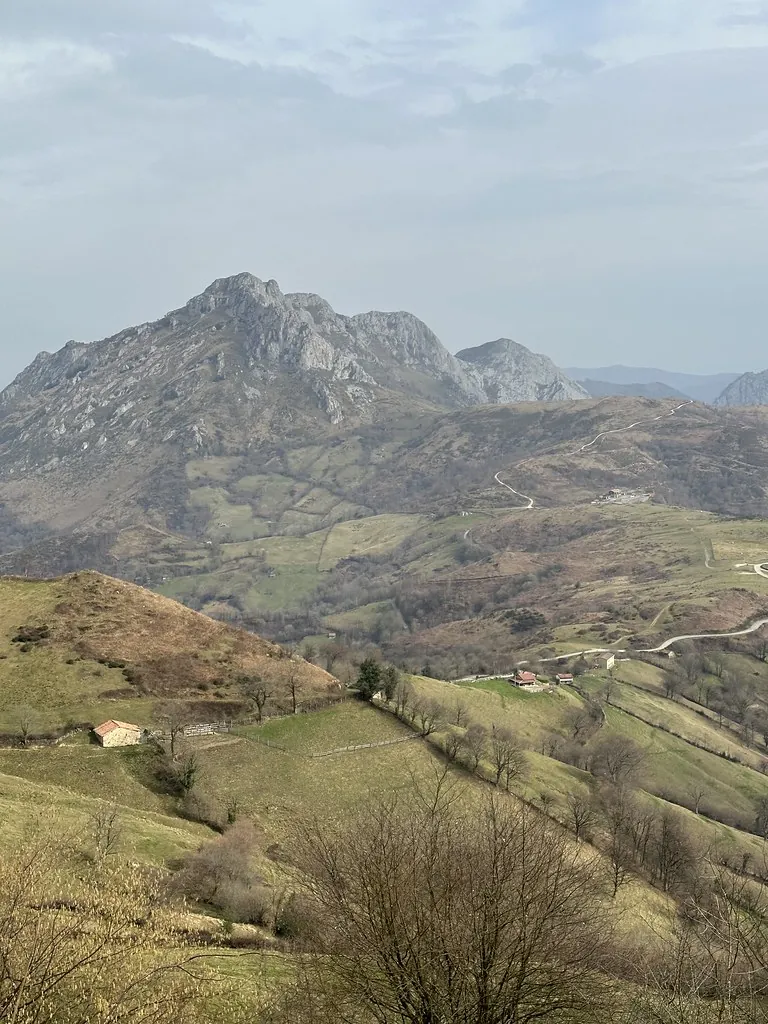
Serious walkers head for Pico Caldoveiro at 1,357 metres. The ascent starts gently through cow pastures where stone huts offer emergency shelter. Higher up, the path threads between limestone outcrops before emerging onto a summit plateau with 360-degree views. On clear days you can pick out the Picos de Europa to the north, while southwards the Sierra del Aramo rolls away like a frozen ocean. Even in August, bring a jacket—the wind up here has teeth.
When the Weather Changes the Rules
British visitors consistently underestimate Asturian weather. The valley might bask in 28-degree sunshine while the summets disappear into cloud. That happened to a London family last August: they set off in shorts and T-shirts, encountered hail at 1,200 metres, and spent an uncomfortable hour sheltering behind a boulder until the front passed. Check the forecast, pack layers, and carry a lightweight waterproof even if the sky looks innocent. Mountain rescue exists but it's an hour away and charges apply.
Winter transforms Quiros completely. Snow can fall from November to April, closing the higher tracks and turning the valley into a silent white amphitheatre. The road to Bermiego becomes a toboggan run; locals fit chains and carry on regardless. If you're driving in winter, rent a vehicle with winter tyres and know how to fit chains. The upside is near-empty trails and guesthouses offering roaring fires and robust stews at two-thirds of summer prices.
Food That Doesn't Do Fashion
Forget tasting menus and foam. Quiros serves food that kept farmers alive through centuries of harsh winters. Lunch at Solo Palacio in Bárzana might start with xaldu lamb stew—mild, herb-scented, no chilli heat—followed by cordero a la estaka, butterflied lamb roasted on wooden stakes over an open fire. The smoke permeates the meat, creating something akin to pulled pork but with the depth that only proper firewood provides. Vegetarians aren't forgotten: escanda bread, made from spelt grown in the valley, arrives nutty and dense, perfect with local cheese.
Bota cheese offers a gentle introduction to Asturian blues. Semi-soft and creamy, it's blue-veined but lacks the eye-watering punch of Cabrales. Try it with a glass of local cider—the dry, low-alcohol variety that bartenders pour from height to aerate. Ask for un culín and watch the theatrical pour, but drink quickly; the bubbles fade fast. Finish with borrachinos, fried bread soaked in milk, cinnamon and sugar—essentially Spanish eggy bread, comfort food that transcends language barriers.
Bear in mind that restaurants observe Spanish hours. Lunch finishes at 4 pm, dinner rarely starts before 9 pm. Outside high summer, many close Tuesday and Wednesday. Ring ahead or risk finding the chef gone fishing—literally, in some cases.
Climbers, Bears and Other Surprises
Quiros has quietly become a magnet for British sport-climbers. The limestone crags above the valley offer over 500 routes, mostly single-pitch and well-bolted. Rock quality is superb—rough, grippy and mercifully uncrowded. A week's pass costs €6, available at the petrol station in Bárzana. Download the topo 'Escalada en Teverga & Quiros' before you arrive; local stockists are hit-and-miss.
Families prefer the Senda del Oso, a converted railway line that runs 50 kilometres through the valley. Rent bikes in Santianes and pedal the flat, car-free track. Early risers sometimes spot Cantabrian bears from the Agüeria pass lay-by—bring binoculars and keep voices down. The bears are shy but real; last September a mother and cub crossed the road fifty metres ahead of a Cardiff family's hire car, creating the holiday photograph of a lifetime.
The Practical Bits That Matter
You'll need a car. Public transport reaches Bárzana twice daily from Oviedo, but that's it. Taxis exist but the 20-kilometre ride from the airport costs €70—more than a week's car rental booked in advance. Fill up in Oviedo; valley petrol stations close at 8 pm and all day Sunday.
Cash remains king. Only Bárzana has a 24-hour ATM; card machines in rural bars fail with depressing regularity. Phone signal disappears in side valleys, so download offline maps before setting off. The free AllTrails app works well here, showing trails that paper maps miss.
Accommodation ranges from converted farmhouses to modern apartments. British-run Casa Quiros offers climbing-specific lodging with guidebooks and rope storage. For something more traditional, try the guesthouse in Bermiego—four rooms, shared bathroom, breakfast featuring eggs from hens you can see across the lane. Prices hover around €70 per night including breakfast, dropping to €50 outside July and August.
Leaving Before You're Ready
Two hours gives you Bárzana and Bermiego, perhaps a glimpse of the Foces gorge if you're swift. Two days lets you walk the Ruta del Alba, sample local cheese, and perhaps climb a limestone wall or two. A week allows proper mountain hiking, bear-spotting at dawn, and conversations with farmers whose families have worked this land since before the Reconquista.
Quiros doesn't shout its wonders. It simply exists, much as it has for centuries, asking only that you bring decent footwear and realistic expectations. The mountains will still be here when you leave; whether they let you go entirely is another matter.