Full Article
about Ribera de Arriba
Art and tradition in the granary
Ocultar artículo Leer artículo completo
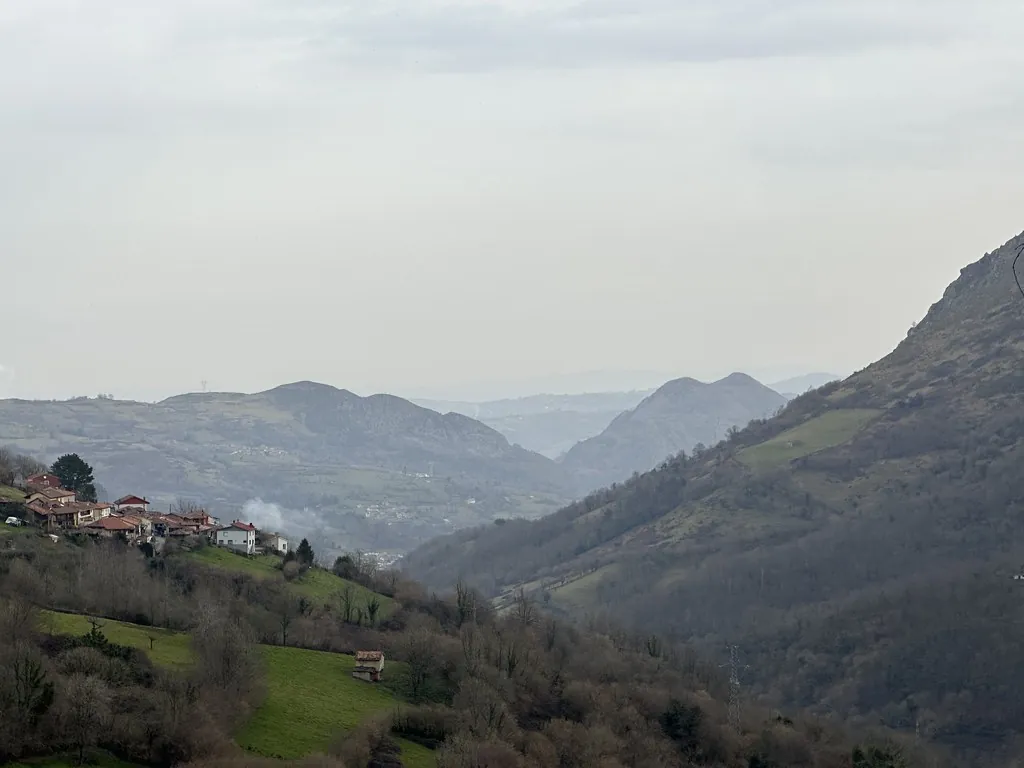
The road drops out of Oviedo's southern suburbs so quickly that city traffic feels like a mistake. Fifteen kilometres later, mobile signal flickers, the valley walls close in, and Ribera de Arriba begins—not with a welcome sign, but with a tractor pulling hay on a lane barely wider than the trailer. This is not the Asturias of coast-hugging Brits; it's the province's interior lung, a scatter of parishes that measure distance in cider pours rather than miles.
A Valley That Works for Its Living
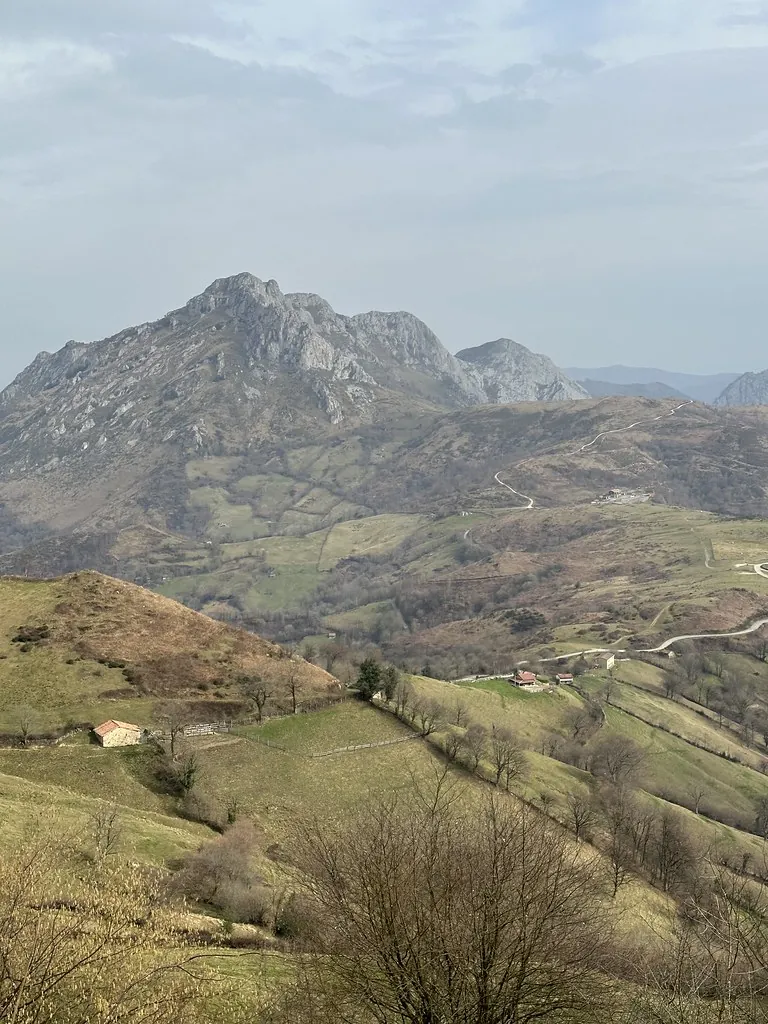
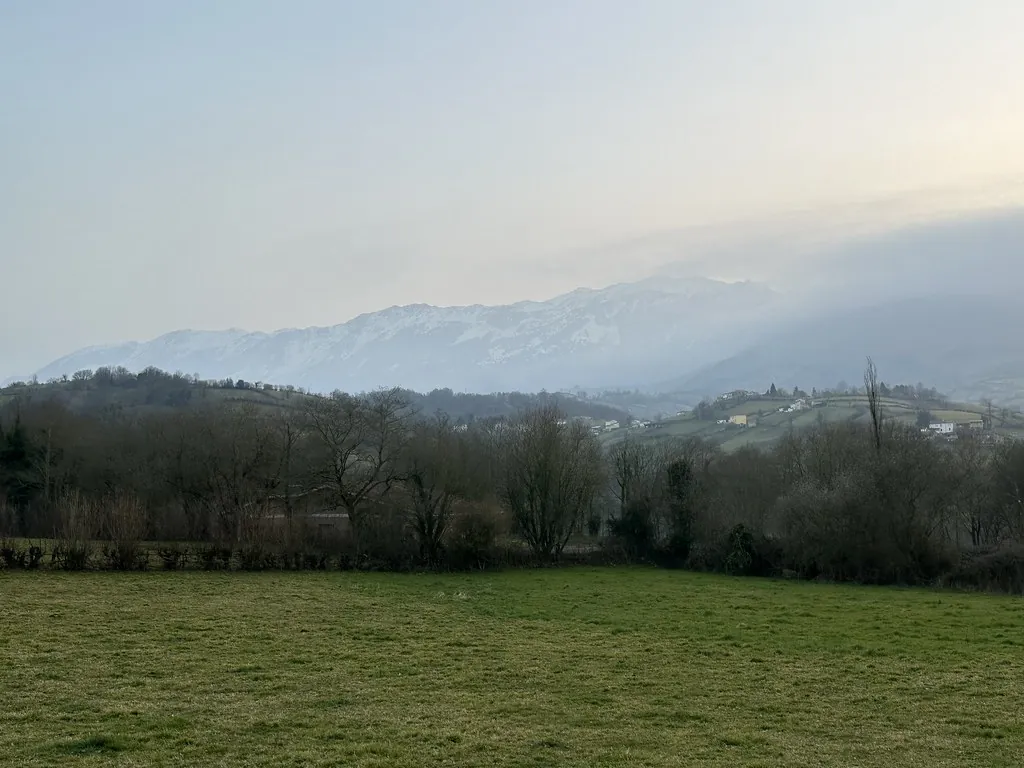
Altitude here is modest by Asturian standards—200 m climbing to 600 m—yet the air is cooler than on the coast and clouds linger longer. The Nalón river, the region's longest, uncoils lazily through fields that still feed cows for Cabrales cheese further up the valley. Maize silage smells drift across the road in autumn; in spring the same plots glow emerald after rain. Unlike the vertiginous Picos an hour away, these are forgiving slopes: good for walking, terrible for phone reception.
The municipality stretches 37 km² but holds only 5,000 souls, spread across hamlets with names that feel like tongue-twisters until you've had a glass of cider: Soto de Ribera, Bueñu, Tellego, Viḷḷamayor. Each cluster clings to its own patch of south-facing hillside, linked by single-track lanes where grass grows down the middle. Locals wave drivers past with the same calm they use to pour cider: arm extended, eyes already back on the road.
What You're Really Here to See
Start in Soto de Ribera, the administrative capital and the only place with daily bread. The bakery opens at 7 am; by 9 am the baguettes are gone. Order a bollo preñao—chorizo-stuffed bread—then cross the road to the 1950s church whose bell still marks the working day. Nothing is labelled for tourists because nothing needs to be: the notice board lists funeral times beside posters for Saturday night's verbena dance.
Ten minutes west, Bueñu's church of Santa Eulalia squats at a road junction like a referee. Step inside and the temperature falls five degrees; the stone floor dips where centuries of boots have worn troughs. Outside, grain stores—horreos—stand shoulder-to-shoulder with modern garages. Their wooden pegoyos (stilts) keep rats at bay; the air gap beneath ventilates maize and hay. Some are painted racing-green, others left to silver like weathered cedar. None are roped off for selfies.
Drop down to the river when the water is low enough to expose shingle banks. Alders lean so far over the Nalón their branches braid together, forming tunnels that muffle even the Sunday-motorcycle crowd. Kingfishers flash turquoise if you stay still for three minutes. The path lasts barely a kilometre before mud wins, but that's long enough to understand why locals treat the valley as an extra room.
Walking Without the Headlines
Ribera de Arriba will never market itself as a hiking destination, which is precisely why it suits walkers who dislike signposts. A lattice of old drove roads and irrigation tracks links hamlets, gaining height so gradually you barely notice until Oviedo appears as a Lego cluster far below. One classic circuit starts at the bar La Nueva in Soto, climbs through eucalyptus to the tiny chapel of San Bartolomé, then descends past stone-walled allotments where grandfathers still hoe by hand. Total distance: 7 km. Total ascent: 220 m. Total promised to companions: "It's basically flat."
After rain the red clay sticks like toffee; trainers become platform shoes in two strides. Locals wear green wellies for a reason. If the sky looks moody, stick to the paved lane between Soto and Bueñu—quiet enough for dogs to sleep on, wide enough for two walkers abreast when the occasional VW Polo appears.
Mountain bikes work too, though gearing needs to be generous. The council has painted bike silhouettes on certain poles, but don't expect continuity; the route vanishes whenever a farmer has parked his combine across it.
When to Turn Up, When to Stay Away
April and May bring orchards of apple blossom used for cider further down-valley. Temperatures hover around 16 °C, ideal for walking in a fleece that can be tied round your waist by eleven o'clock. October swaps blossom for chestnut woods the colour of burnt toast; morning mist sits in the river bends while the sun still warms south-facing terraces. Both seasons coincide with low tourist numbers and open bars—crucial, because Ribera de Arriba does not do all-day catering.
Summer is doable but hotter than the altitude suggests; humidity gets trapped between the slopes and lunchtime feels like breathing through a wet scarf. Plan walks for dawn or after 5 pm, interspersed with long sessions learning to pour cider: bottle held above head, glass at knee height, brief glint of gold, foam knocked back in one acidic swallow. Spillage is mandatory; the floor is already sticky.
Winter empties the valley. Bars keep Spanish hours—open at 7 am for workers, closed by 4 pm—yet a surprisingly high number of cottages show wood-smoke. If snow reaches this far north (rare below 400 m) lanes ice over and the municipality's one gritter prioritises the road to the bread van. Come now only if you crave silence loud enough to hear your own pulse.
Eating Without the Theatre
You won't find tasting menus. What you will find is the daily three-course menú del día in Bar Asturias, Soto, for €12 including wine. Monday is fabada, the famous bean and pork stew mild enough for even timid palates. Wednesday usually features cachopo—two veal steaks sandwiching ham and cheese, breadcrumbed and fried until the size of a small laptop. One feeds two; ask for an extra plate without embarrassment. Trout from the Nalón appears in summer, sautéed in cider that reduces to a sweet-sharp glaze. Order it as filete if bones bring back school-dinner trauma.
Vegetarians survive on tortilla and desperation; vegans should pack sandwiches. Pudding is often rice pudding thick enough to stand a spoon in, dusted with cinnamon that drifts across the formica like brown snow.
Cider etiquette matters. The bartender will pour the first round; watch, then copy. Tip the bottle, not the glass. When he steps back, you step forward. A single 750 ml bottle serves six thumbnail-sized measures; drink quickly while the bubbles still prickle, then pass the bottle left. Failure to comply merely marks you as British—no tragedy, but you'll wait longer for the next round.
Getting Here, Getting Lost
A hire car collected at Oviedo railway station puts you in Soto de Ribera within 20 minutes on the A-63 and AS-112. The twisty final kilometre feels longer than it is because Google underestimates every bend. Sat-nav will confidently direct you down a track that ends in a cabbage field; when in doubt, follow the yellow post van.
ALSA buses leave Oviedo's central panelled station every 30 minutes weekdays, hourly at weekends. The ride takes 35 minutes and costs €1.65—exact change only. Last bus back departs Soto at 20:45; miss it and a taxi costs €35 before the driver has closed the door.
Mobile coverage is patchy once you leave the main valley road. Download an offline map, screenshot the timetable, and tell someone where you're walking. Emergency 112 works even on one bar of signal, but one bar is not guaranteed.
Sunday afternoons every bar, shop and petrol station shuts. Plan accordingly: buy water, wine and toilet paper before 13:30 or prepare to drive to Oviedo for a coffee. This is not a conspiracy against visitors; locals also keep a spare pack of biscuits in the glove-box.
The Parting Shot
Ribera de Arriba will never make a list of "Spain's most beautiful villages" because it refuses to perform beauty. It mends nets, milches cows, repairs tractors, and—almost incidentally—lets strangers wander through. Stay a morning and you'll tick a church, a horreo and a cider pour. Stay a day and you might understand that the real attraction is pace: the valley's, the river's, and eventually yours. Leave before nightfall or book the one rural apartment with underfloor heating; either way, don't expect fireworks. The show here is quieter, smells of damp earth, and finishes well before the last bus home.