Full Article
about Santo Adriano
Bear Pass
Hide article Read full article
Santo Adriano, o cuando el valle te dice que vayas más despacio
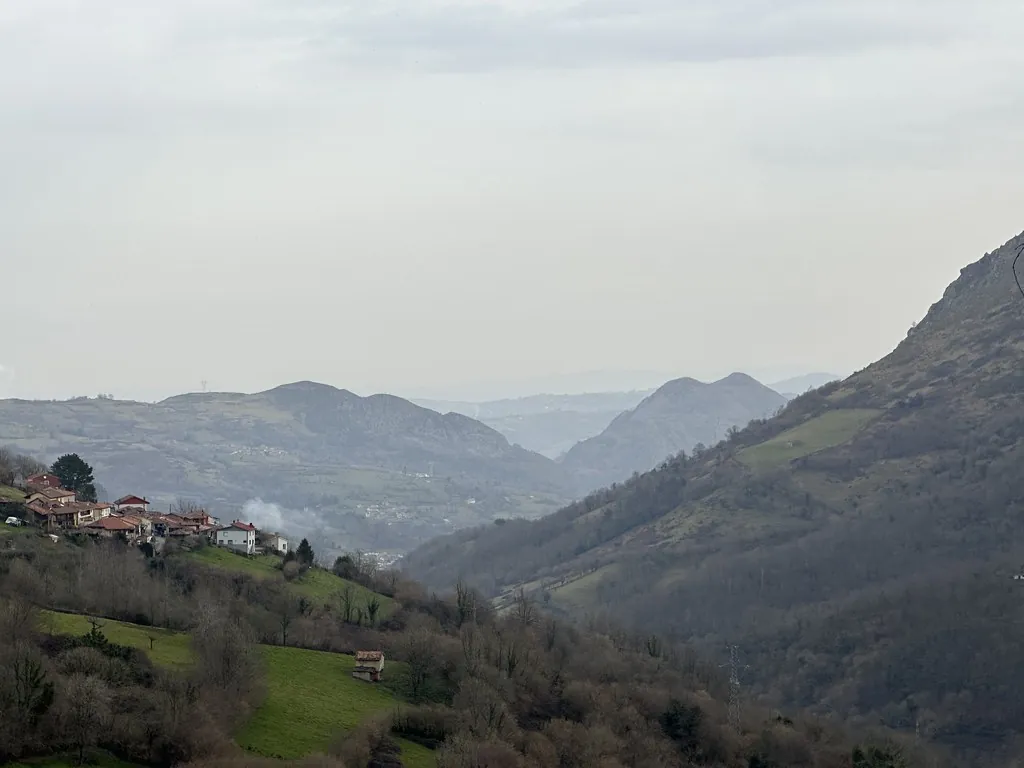
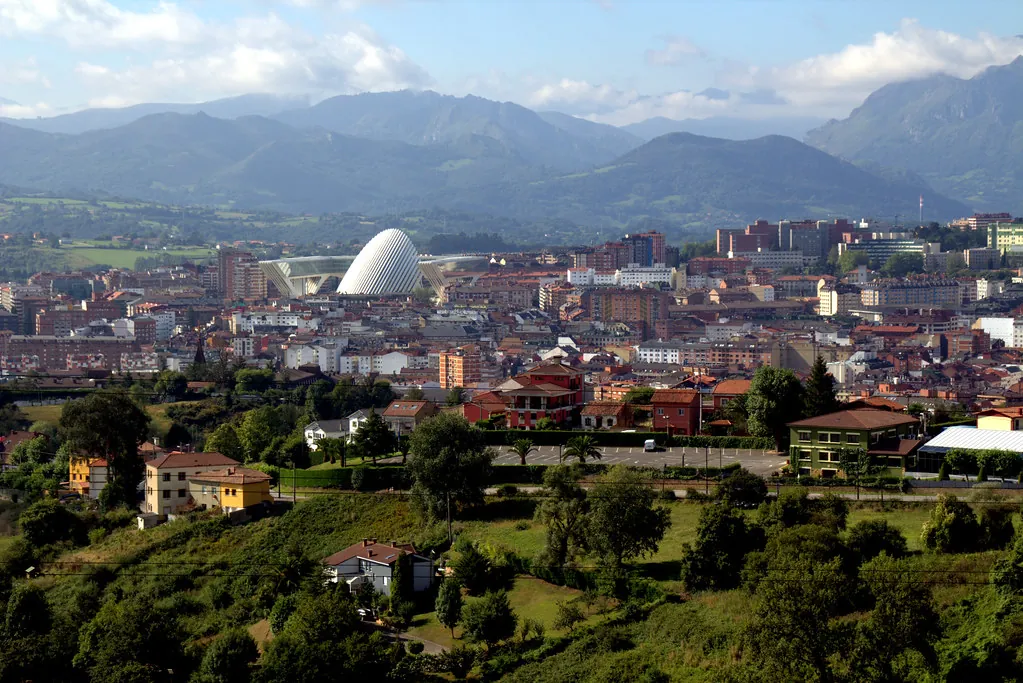
Hay carreteras que te obligan a bajar la velocidad sin poner un solo radar. La AS-228, saliendo de Oviedo hacia el valle del Trubia, es una de ellas. Las curvas se suceden, el río aparece a un lado y de repente estás en Santo Adriano. O mejor dicho, lo estás atravesando. Porque este concejo no es un destino, es una pausa.
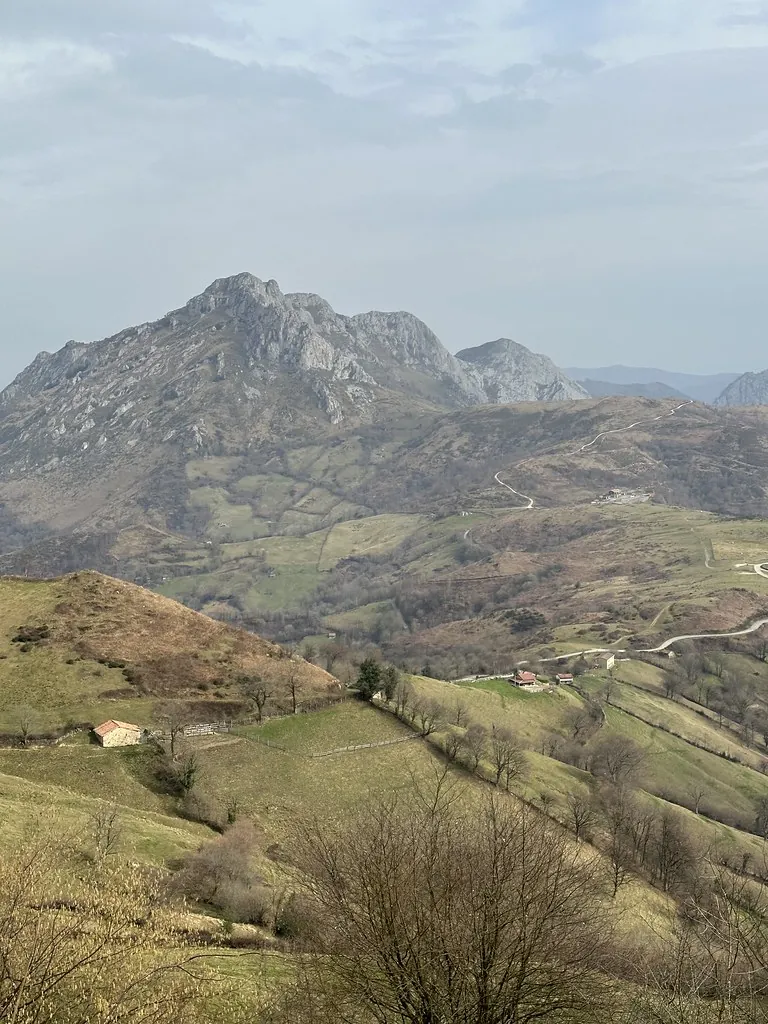
Con apenas 281 habitantes, aquí no busques un centro monumental. Lo que hay son praos, laderas boscosas y pueblos minúsculos donde lo más llamativo suele ser el silencio. Es ese tipo de sitio donde paras el coche y el único ruido es el agua.
La iglesia que casi siempre está cerrada
Todo el mundo menciona la iglesia de Santo Adriano de Tuñón. Es prerrománica asturiana, del siglo IX, y sale en todos los libros. La realidad es más prosaica: las puertas suelen estar con llave salvo en horarios muy concretos. Merece la pena llamar antes si quieres verla por dentro.
Aun así, el lugar tiene peso. La piedra oscura, el río justo abajo y la soledad alrededor le dan un carácter que no necesita explicaciones. Te sientas en un banco frente a ella y entiendes por qué la pusieron aquí.
El Desfiladero de las Xanas (y sus visitantes)
Esta garganta se lleva casi toda la atención. Y con razón: el sendero tallado en la roca caliza, con el arroyo allá abajo, es uno de esos paseos que recuerdas después.
No es difícil, pero tampoco un simple paseo. Si ha llovido, la piedra se pone resbaladiza en algunos tramos estrechos. Calzado con buena suela es casi obligatorio. Y olvídate de hacerlo rápido: la gente se para cada dos pasos a hacer fotos, sobre todo los fines de semana con buen tiempo.
Es el único punto donde notarás "turismo" en mayúsculas. Aun así, nunca llega a sentirse masificado. El paisaje se impone.
El río Trubia manda aquí
El verdadero protagonista del concejo es este río. Lo cruzas varias veces por puentes bajos de piedra y lo ves cambiar: ancho y tranquilo en algunos tramos, rápido y encajonado en otros.
Hay caminos sin señalizar que van junto al agua por praderas húmedas. Son ideales para andar sin rumbo fijo. También ves pescadores locales en temporada –recuerda consultar la normativa– y alguna familia comiendo en una orilla arenosa.
Es territorio para improvisar: aparcas donde cabe el coche, caminas media hora y ya está.
Setas, castañas y humo de chimenea
En otoño cambia el olor del valle. A tierra mojada se le suma el aroma dulzón de las castañas asándose en las casas. No hay fiesta grande ni cartel que lo anuncie; es algo doméstico que se huele al pasar por los pueblos.
Lo mismo pasa con las setas. Los buscadores son gente local que sabe dónde mirar. No verás grupos organizados ni coches aparcados en cualquier cuneta como en otras zonas más conocidas.
Aquí las tradiciones no son espectáculo, son parte del paisaje sonoro y olfativo.
Cómo moverse (y cuándo venir)
La carretera principal tiene baches y curvas ciegas detrás de las cuales puede haber un tractor o unas vacuas cruzando. Conducir con calma no es una sugerencia, es una necesidad.
Para aparcar en los pueblos pequeños busca una explanada cerca de la iglesia o un ensanche de la carretera. No suele haber problema salvo junto al inicio del desfiladero los domingos por la mañana.
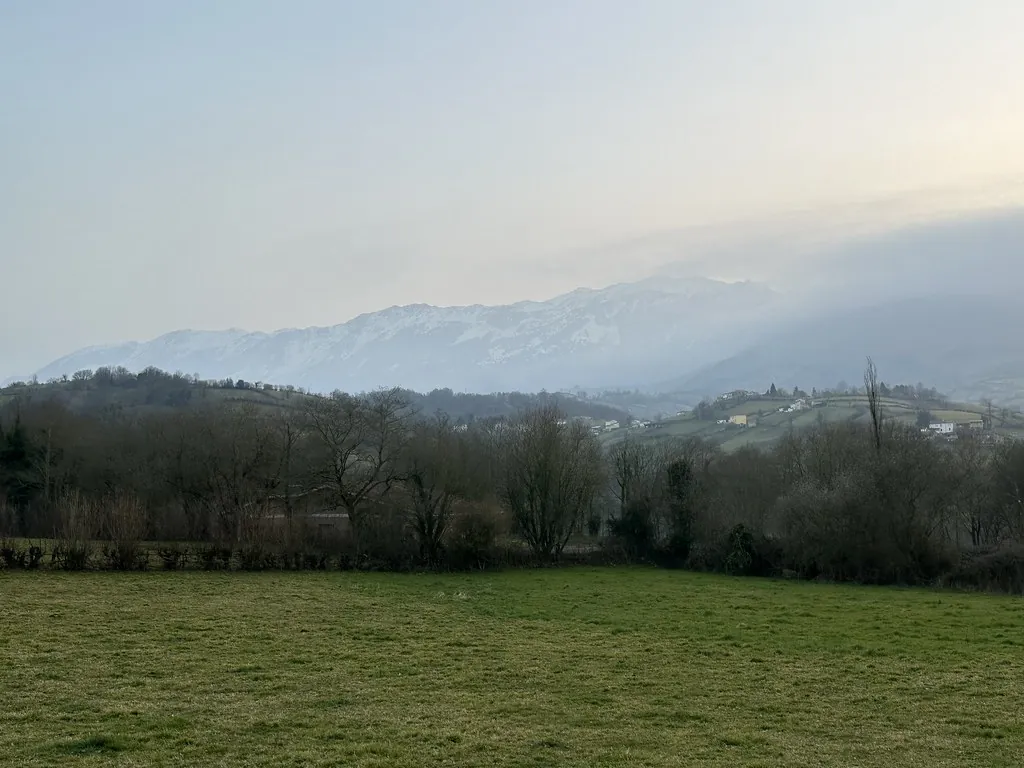
La primavera y el otoño son probablemente los mejores momentos: todo está verde o con colores cálidos y se camina bien. En verano, el desfiladero puede ser un horno si entras a mediodía. En invierno hace frío húmedo, pero hay algo especial en ver las laderas cubiertas de niebla baja.
Mi recomendación: trátalo como una escala
No vengas a Santo Adriano pensando en pasar todo el día. Funciona mejor como parada técnica entre otras cosas del centro de Asturias. Por ejemplo: sales temprano de Oviedo, paras en Tuñón para ver la iglesia (si está abierta) y caminar un poco junto al río. Luego sigues carretera arriba hacia Proaza o Teverga. O al revés: bajas del Puerto Ventana para comer y te desvías al desfiladero para caminar la comida.
Es ese tipo de sitio que no pide más que un par de horas de tu tiempo. Si le das eso, te devuelve bastante más silencio del que traías