Full Article
about Sariego
Quiet, sunny valley
Hide article Read full article
A place that slows you down
Some places seem designed for a quick stop: pull over, take a couple of photos, move on. Sariego does not work like that. Tourism in Sariego tends to flip that idea around. You arrive thinking there is not much to see, then find yourself wandering along small roads with no real sense of time.
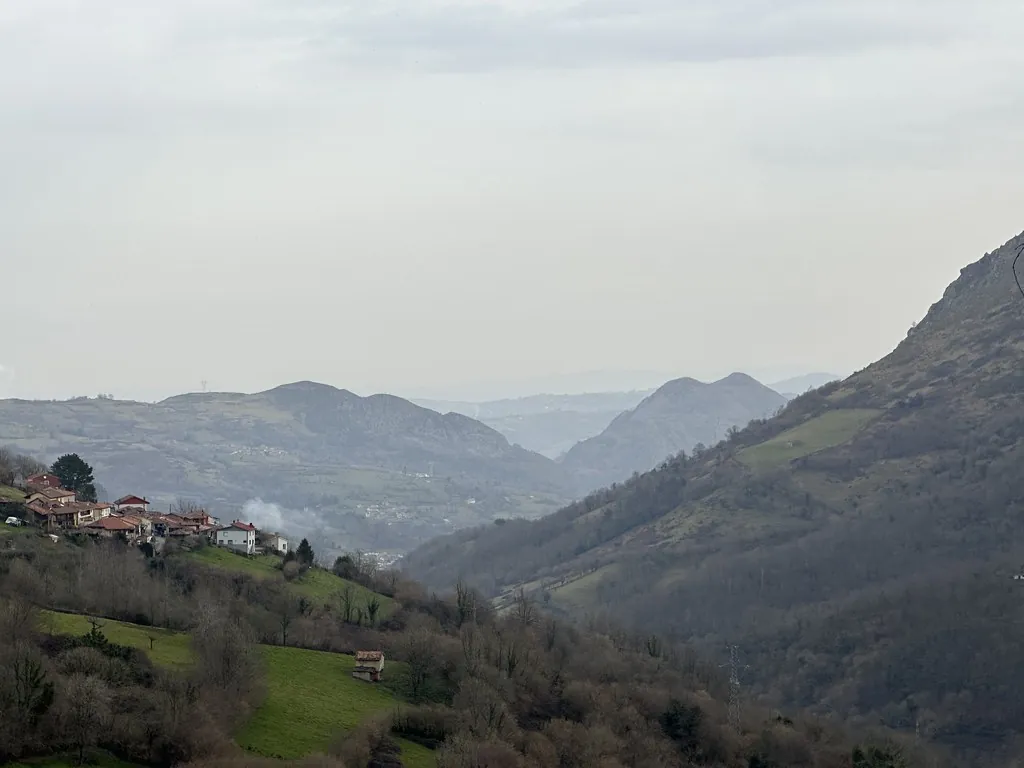
It sits close to Oviedo and the main motorway, yet the pace changes as soon as you enter the concejo, a local administrative area in Asturias. Meadows edged with hedges, houses spaced well apart, and roads that rise and fall without any obvious pattern. It is the kind of place where tractors are still more common than buses.
Vega de Sariego, a quiet centre
The most recognisable point is Vega de Sariego. This is where you will find the church of San Salvador and a small cluster of houses around it. Do not expect a historic centre that requires constant map-checking. The layout is straightforward.
The Romanesque church is usually where people begin to get their bearings. From there, roads lead out towards the different parishes of the concejo. Within ten minutes, you are back among open fields.
If you like walking without a fixed plan, there are several paths here that link neighbourhoods and farmsteads. There is nothing especially dramatic about them, and that is precisely the appeal. The interest comes from moving through the landscape at its own pace, rather than searching for standout sights.
A working landscape
Sariego is still active countryside. That becomes clear straight away. You will see hórreos and paneras, traditional raised granaries typical of northern Spain, along with stone farmhouses. They are not arranged for effect or restored for display. They are simply where they have always been.
Many houses have stacks of firewood at the side, open yards, and fields cut or left to grow depending on the season. The landscape is not curated for visitors. It reflects daily life in the concejo.
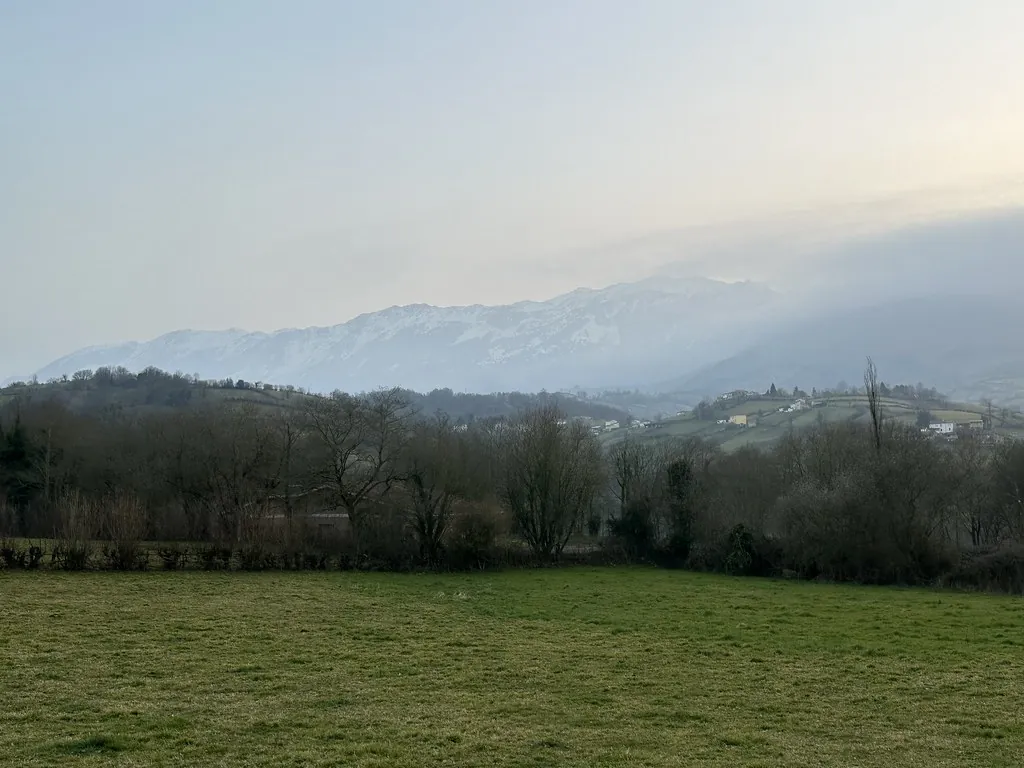
The hills are gentle, forming small valleys where streams run throughout the year. Along the edges, there are chestnut trees, oaks and occasional denser patches of woodland. Nothing feels forced or overly managed, and that consistency gives the area its character.
Roads that wander, views that appear
One of the best ways to understand Sariego is to drive slowly along its local roads. They are narrow, with bends and the occasional incline that makes you shift down a gear.
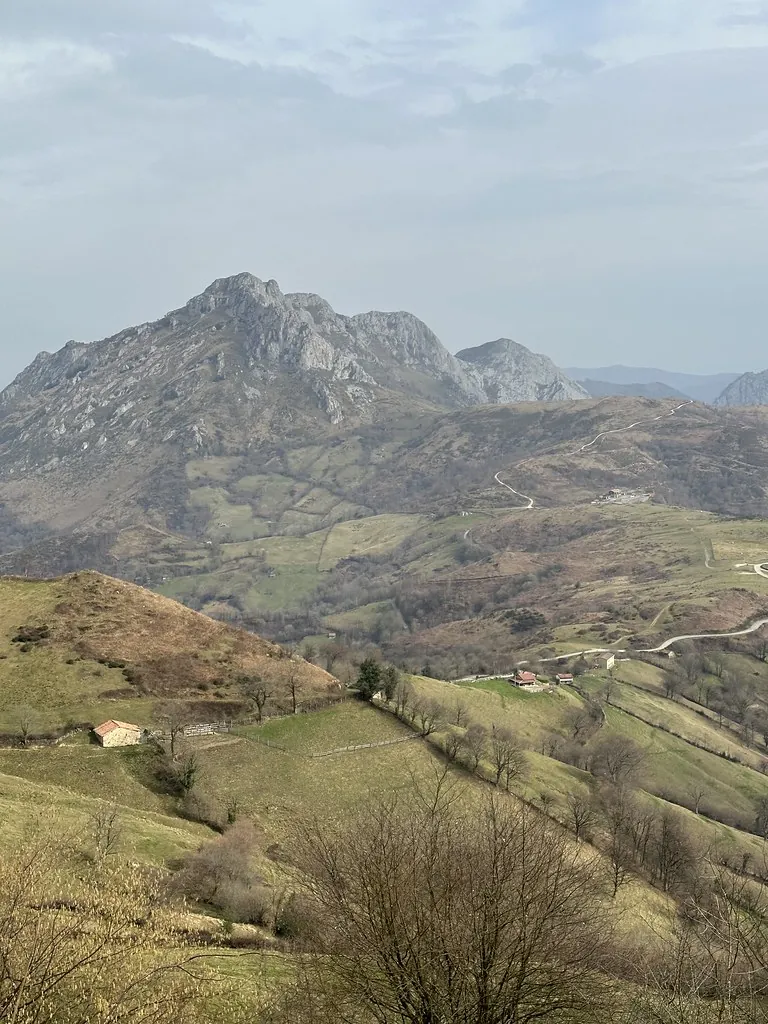
Now and then, an isolated farmhouse appears, or a group of hórreos beside the road. Then, just after a bend, the view opens out across a valley. These are not viewpoints marked on a map or signposted in any way. They simply happen as you go.
There are also rural paths connecting parishes such as Valsera, El Pino and Narzana. Some sections can be walked without difficulty if you have suitable footwear. After rain, mud becomes part of the experience fairly quickly.
The sense of distance here can be deceptive. What looks close on a map often takes longer because of the curves and slopes. That is part of the rhythm of the place. You do not pass through Sariego quickly unless you make a deliberate effort to do so.
When to come, how long to stay
Sariego does not demand a full day. In a few hours, you can pass through several parishes, stop along a track, and get a feel for the landscape.
Spring and autumn are often good times to visit. The fields are active, and there is little traffic on the local roads. Summer brings more movement, especially during the San Salvador festivities in August, when many residents of the concejo gather.
Winter shows a different side. Morning fog, damp air, and a quiet that is only broken occasionally by passing cars.
A final note before you go
Distances can be misleading here. Everything may appear close together, but the roads have their own logic. Take it slowly.
Parking is usually not an issue if you are around Vega de Sariego or nearby villages. It is worth paying attention to avoid blocking entrances to fields or agricultural tracks. In Sariego, the tractor still has priority.
One more thing. Do not arrive with a checklist of things to “see”. Sariego makes more sense when you ease off the pace and follow the secondary roads without a plan. Sometimes the most interesting part comes just after the bend you were not planning to take.