Full Article
about Siero
Asturias’s festive heart
Hide article Read full article
A Tuesday That Smells of Cattle and Cider
Tuesday morning in Pola de Siero smells of livestock and poured cider. It’s not a metaphor. You get out of the car and it hits you, that earthy, sharp air.
That’s when Siero clicks. This isn't a place for postcard viewpoints. It runs on everyday life. The weekly cattle market is its engine.
Trailers and lorries pack the fairground. Farmers in muddy boots huddle, talking prices. You see curious outsiders weaving through the crowd. Come early. By mid-morning, most deals are done. Then the talk moves to bars. Glasses of sidra get poured from high up, shared among friends and strangers.
It feels like a village party, but one that starts before lunch. You'll see people who just left the barn next to others in office clothes. They all end up at the same tables.
Skip the cider stop and you miss half the story. The real conversations happen standing, glass in hand.
More Than a Commuter Belt
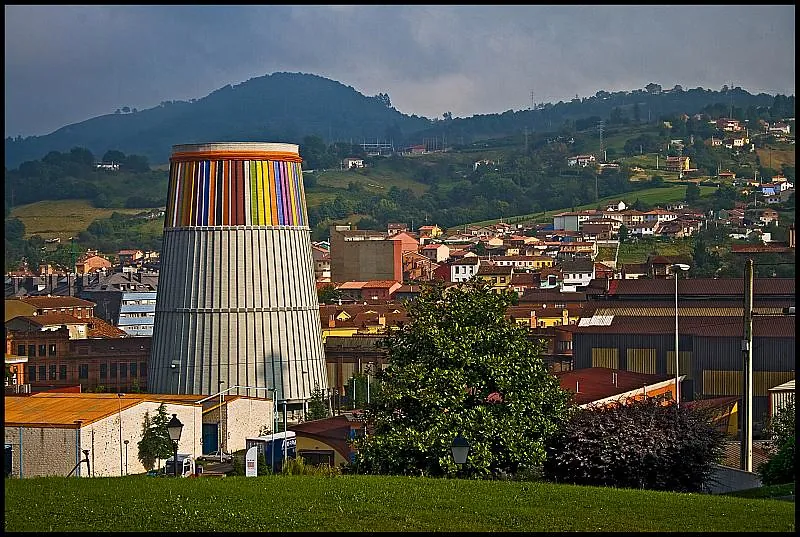
The rest of the week, Pola de Siero slows down. It becomes a practical town. People come here to run errands from nearby villages. You find pharmacies, hardware stores, even a cinema on its pedestrian streets. Lugones has more people, but La Pola feels like the capital.
If you expect one pretty village, think again. Siero is a concejo, a patchwork of towns and farmland. A car helps if you want to explore beyond La Pola itself. Buses connect the area, but service drops off at night and on Sundays.
Sunday gets very quiet here. Many shops close early or don't open at all. Plan ahead for food and fuel.
And pack a raincoat, even in July. Drizzle is common here. It turns paths muddy and softens the light across the fields.
A Rare Stretch of Flat Asturias
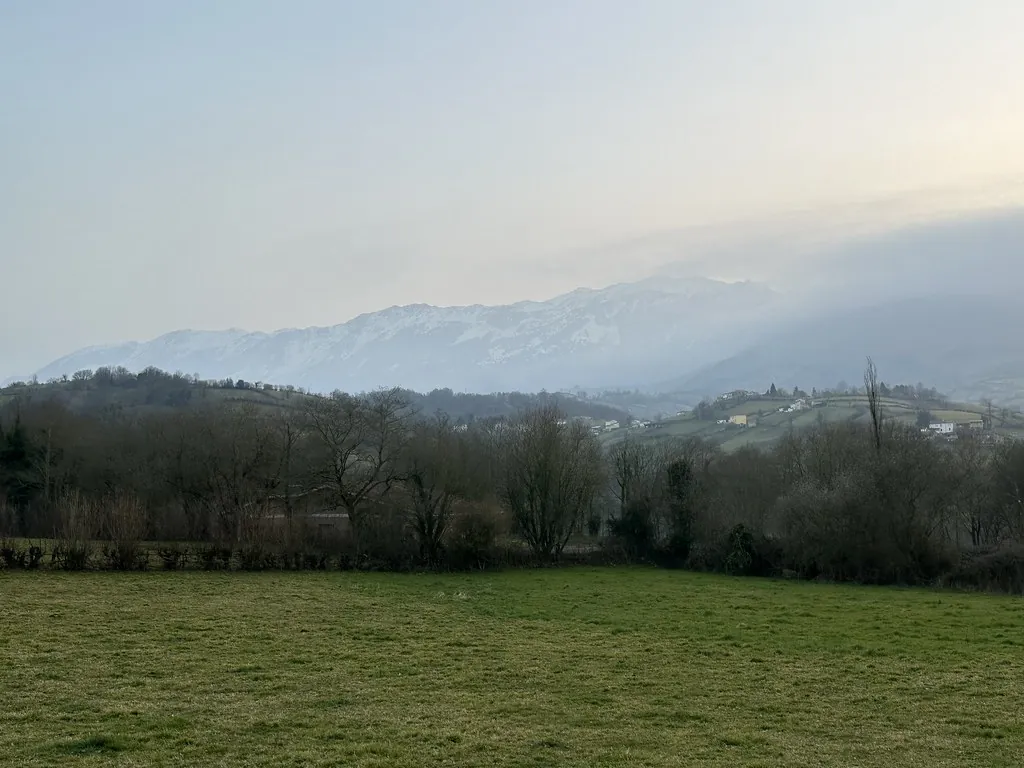
Asturias is all about steep mountains. Siero is different; it's notably flat. Cyclists love it for that reason alone.
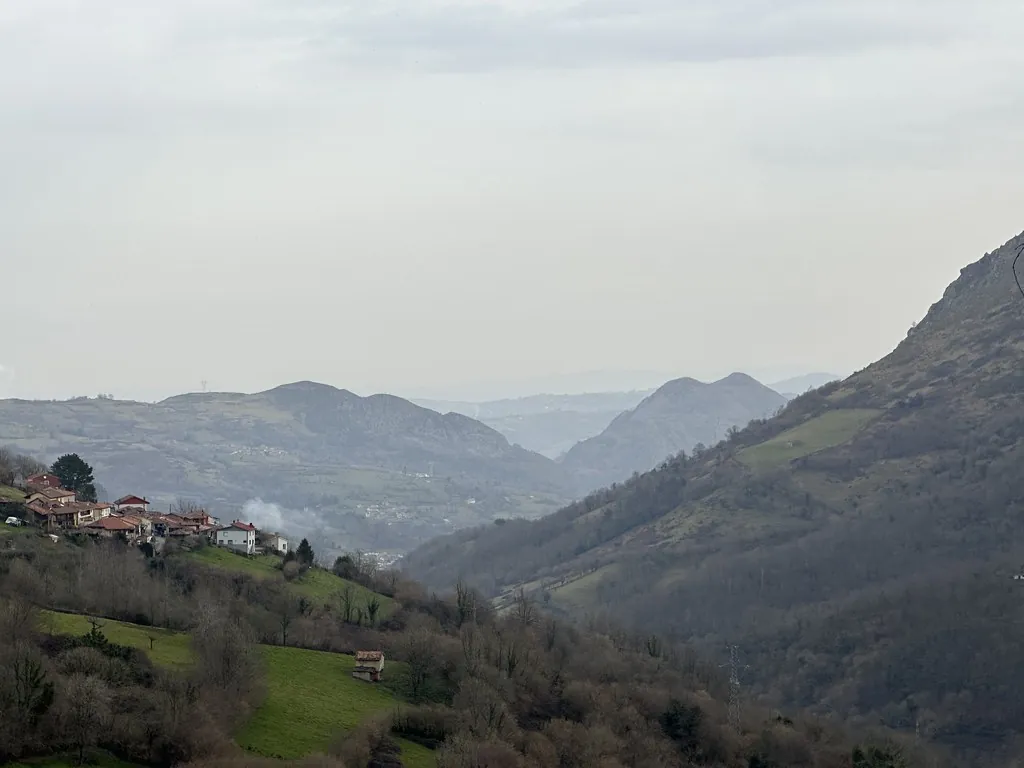
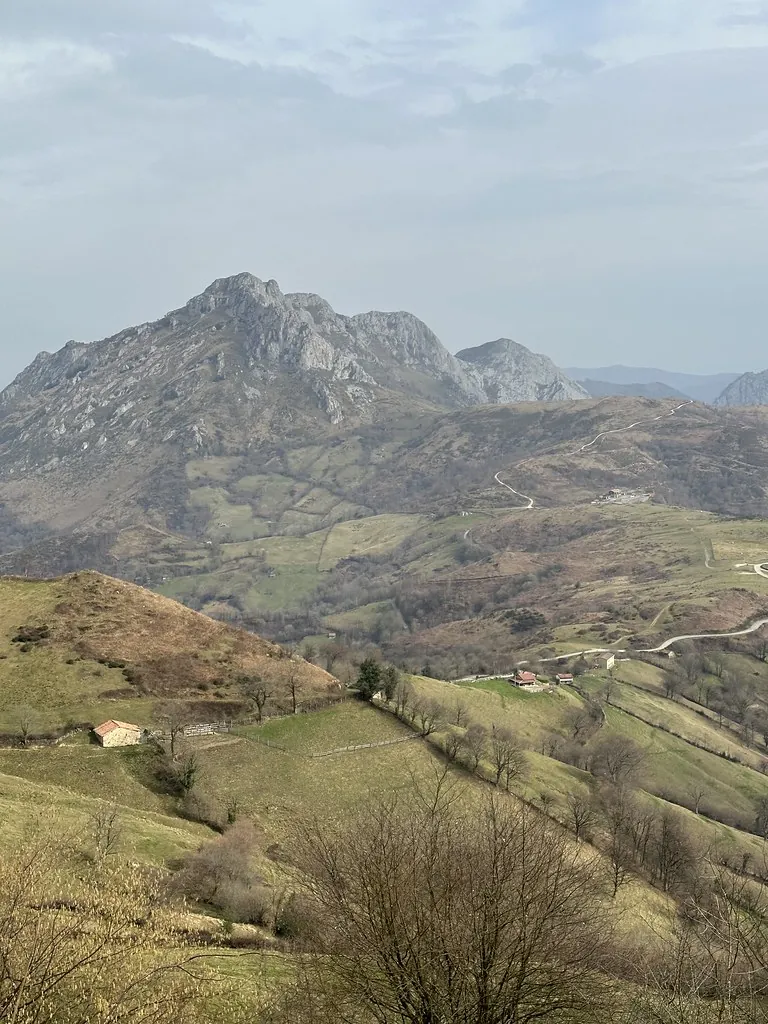
The land finally rises in the north around Pico Fariu. On clear days you can see much of the coast from there. Between these hills sit small villages like Argüelles or Aramil. Some have grand old houses still standing proud. Others show sagging roofs and wild gardens, signs of change over time.
Take the Palacio de Meres. Its gate is sometimes open. You can peek into the courtyard. There's no ticket office or info panel. It just exists as part of the scenery.
History here doesn't shout. The Romanesque church of San Esteban de Aramil sits right by the road. Most cars speed past. Its doorway arch has worn carvings. The figures under the roof deserve a closer look. The inside is usually locked. With some luck, a local might show up with a key. Inside smells of damp stone and wax candles. Light comes through a dusty rose window.
The hill forts ask for more effort. El Picu Castiello means an uphill walk. Les Muries has an old sign pointing the way. You won't find reconstructions or guides here. Just grassy mounds and long views over valleys modern roads now cut through.
Paths Without Fuss
A straight track runs about seven kilometres from Pola to Lieres. Walkers and casual cyclists use it; no special gear needed. On Sundays it fills with families, runners, dogs all sharing the space easily.
The Camino de Santiago from Gijón crosses Siero too. Pilgrims often sleep in La Pola. You see them with their packs on benches, wearing that specific look of tired contentment.
Leave La Pola by car or on foot, and within minutes houses thin out, the valley opens up towards Aramil, the sound of cowbells mixes with a river below, This is Siero's other half: working farmland that supplies Tuesday's market.
Drive carefully though, these rolling lanes dip sharply into hollows, and rain at night makes distances feel longer than they are.
Eating as Locals Do
Food follows Asturian rules: hearty, direct, no fuss about looks.
Fabada leads every menu, each kitchen swears by its own recipe, arguing over bean types or pork ratios, it’s so filling it counts as your main dish,
Bollos preñaos appear at festivals: bread rolls baked around chorizo sausage, eaten warm while standing up,
Carne gobernada, beef stew with peppers, shows up on everyday lunch menus,
Cider ties everything together, the concejo has many small llagares, cider presses dotted around parishes Some hold espichas, barrel-tapping parties where cider flows straight from wood simple food gets passed around no fancy decor just casks loud talk and people who've known each other forever
If you're new to Asturian cider know this: it's poured from above head height into wide glasses creating brief foam the bottle stays on table for everyone sharing it’s social glue not just drink
When to Go What to Expect
Spring autumn work best here fields stay green temperatures mild rural life feels active Summer brings local festivals across region which can book out nearby accommodation even if Siero stays calm itself
This isn't engineered for sightseeing It won't pose nicely for photos What you get instead working slice Asturias where market day still sets week rhythm countryside starts right past last shopfront
Try arriving Tuesday morning Walk fairground step inside bar for cider then wander out towards valley The contrast between busy market quiet lanes tells whole story