Full Article
about Yernes y Tameza
The least populated municipality
Ocultar artículo Leer artículo completo
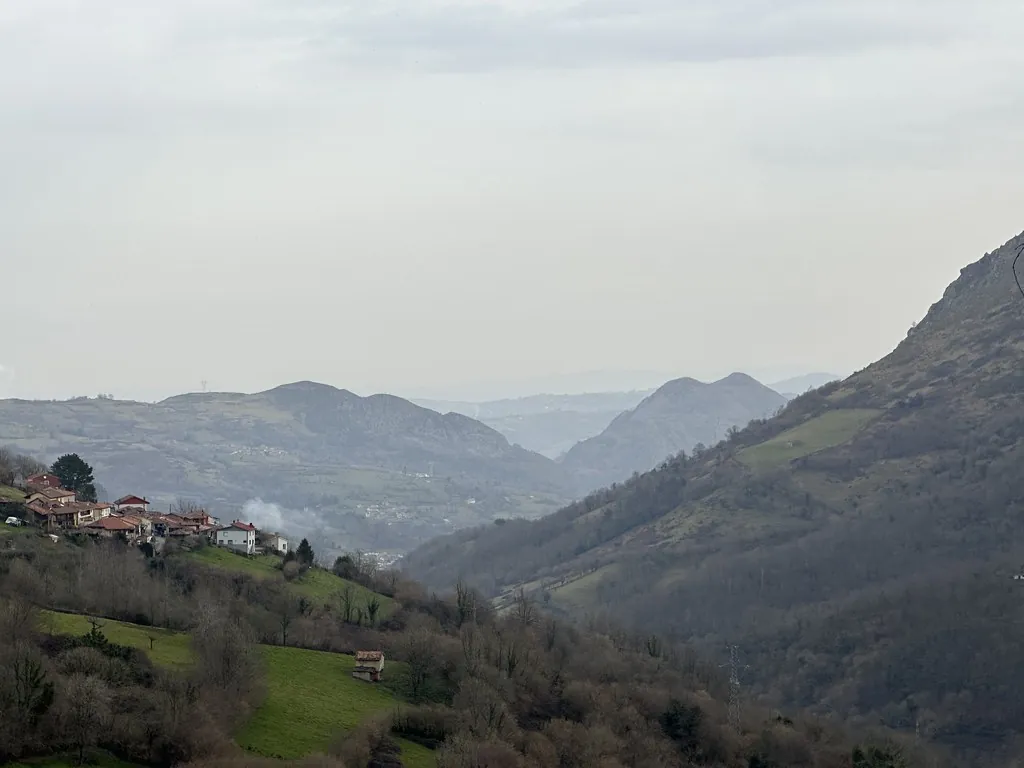
The tarmac narrows to a single thread just after Grado, climbing past apple orchards until the sat-nav surrenders with a polite "You have reached your destination". You haven’t. You’re still twenty minutes and several hairpins short of Yernes y Tameza, one of Asturias’ tiniest municipalities — 130 souls scattered across folds of hillside so tight that mobile signal gives up in disgust. Keep third gear engaged, ignore the sheep staring you down, and accept that from here on distance is measured in contours, not kilometres.
Stone, Wood and Working Farms
This isn’t a postcard village frozen for tourists; it’s a working mountain scatter where stone granaries still store last year’s chestnuts and farmers bring the cows home at dusk. Houses face south-east to grab every photon of winter light, their balconies painted the statutory Asturian green and their slate roofs weighted against the "norte", the wind that barrels in from the Bay of Biscay 35 km away. Between hamlets you’ll pass hórreos on stubby stilts — small, square, functional. Resist the urge to peer inside: most are locked and the owner lives up the lane.
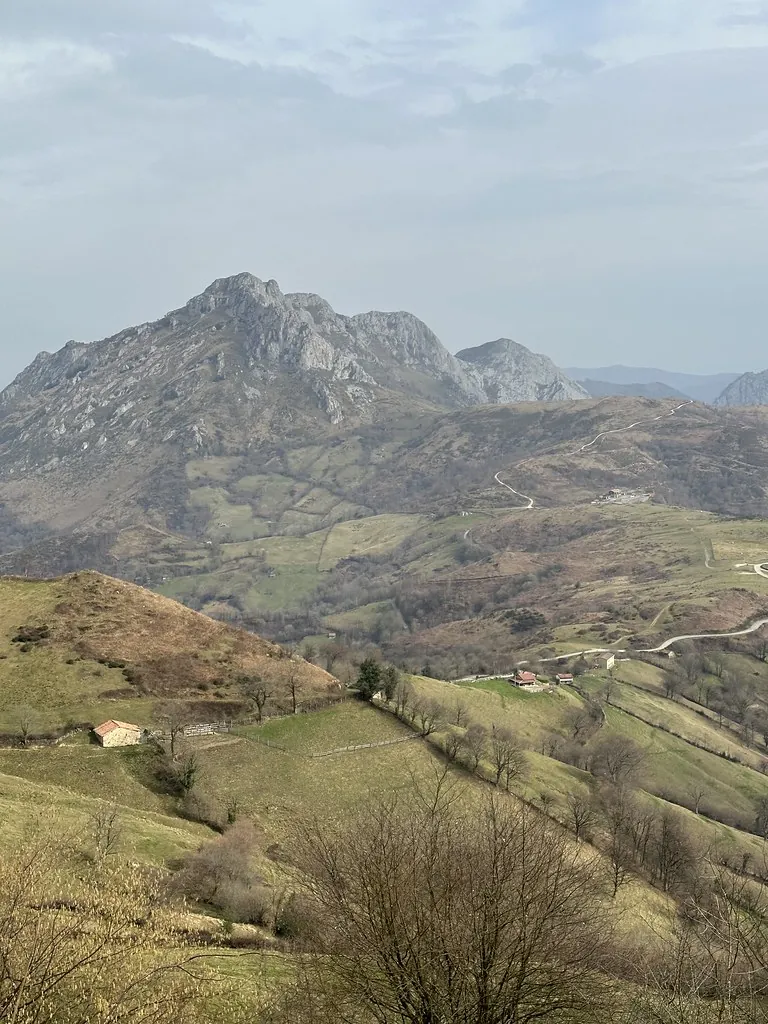
The land rises to 900 m at the Sierra de Tameza, high enough for Atlantic weather to turn nasty within minutes. Spring arrives late; bracken uncurls in May and the first cut of hay happens in June. October brings a brief, brilliant fortnight when chestnut trees bronze overnight and the air smells of apple must. In January the place is practically Arctic: daylight until 18:00, snow every other year, and lanes that become toboggan runs without warning.
A Church, a Track, and Time to Spare
Guidebooks list "San Martín de Tameza, 12th century". What they don’t say is that the church is usually locked and the key hangs in the bar — if the bar is open. The stone font sits outside anyway, filled with rainwater and the occasional beetle. Stand still and you’ll hear the real soundtrack: a tractor in low gear two valleys over, cowbells clanking like loose change, and the soft thud of chestnuts dropping on corrugated iron.
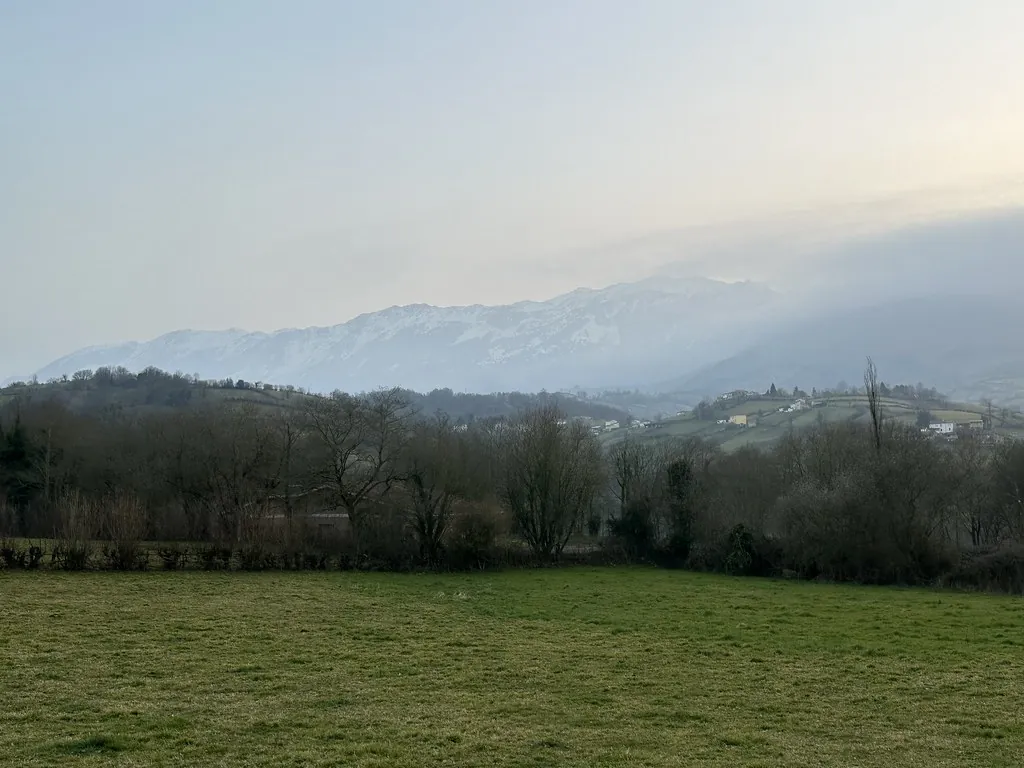
From the church a grassy lane continues upwards, once the drove-road to summer pastures. Follow it for twenty minutes and the beech hedge gives way to open hillside. On a clear day you can pick out the Picos de Europa 50 km west, snow on their northern faces even in July. Cloudy day? Turn back. Navigation up here is by line-of-sight; when the mist rolls in you’ll be lucky to spot your own boots.
Walking Without Waymarks
There are no glossy trailhead panels, no "You Are Here" arrows, and very little English spoken. What you get instead is a lattice of medieval paths linking hamlets whose populations can be counted on two hands. The council has started painting occasional yellow dashes, but sheep are colour-blind and the paint fades fast. Download the free Asturias IGN maps before you leave Grado — phone coverage is patchy and there’s no café Wi-Fi to rescue you.
A sensible half-day loop starts at La Foz (park beside the feed store, nobody minds). Head uphill past the last farmhouse, bear left at the chestnut grove, and contour round to La Piñera. Total distance: 5 km. Total climbing: 250 m. Surface: mud, loose shale, and the certainty that every descent will be steeper than the ascent. Allow three hours including the inevitable photo stop when the valley suddenly reveals itself through a breach in the clouds.
Where to Eat, Sleep and Fill the Tank
The municipality contains one shop, one bar, and zero hotels. The shop opens Tuesday and Friday mornings; the bar’s hours coincide with the owner’s mood. Turn up with a full tank and a packed lunch unless you fancy knocking on farmhouse doors practising your "¿Hay algo para comer?"
Most visitors base themselves in Grado, 20 minutes down the mountain. The Hotel Villa de Grado has doubles from €85 including use of a small spa — welcome after a day of horizontal rain. The 2025-opening Parador de Grado will push prices north of €200, so book early if you insist on state-run luxury. Prefer independence? Scattered across Yernes itself are four self-catering cottages (casa rurales), each sleeping four, booked through the regional tourist board. Expect stone floors, wood-burning stoves, and the neighbour’s rooster as your alarm clock. Nightly rates hover round €100; two-night minimum at weekends.
Evening meals mean a drive back to Grado. Try Sidrería El Rincón de Curro for tortos con picadillo — fried corn cakes topped with mildly-spiced beef mince, child-friendly and filling. Vegetarians get fabada beans minus the chorizo; vegans are politely offered bread. A three-course dinner with cider runs to €22 a head; card machines exist but cash speeds things up.
When to Come, When to Stay Away
April–mid-June is prime time: orchards in blossom, meadows knee-deep in buttercups, and daylight until 21:00. Mid-September to late October delivers the chestnut show and temperatures perfect for walking. July and August are warm but not oppressive (24 °C max), though Spanish holidaymakers triple traffic on the single-track lanes. November–March is a lottery: one week dazzling sunshine and frost-rimmed grass, the next horizontal sleet that makes the A-66 motorway resemble a skating rink. Unless you’ve driven in Norway, avoid renting anything wider than a Nissan Micra.
Bank-holiday weekends see Madrilenians in expensive boots clogging the one café terrace. Mid-week outside August you may hear only your own breathing and the distant thrum of a digger clearing a landslide — blissfully normal life.
The Practical Bit, Without the Bullet Parade
Fly into Asturias airport from London-Stansted (Vueling, easyJet summer schedule). Pick up a hire-car, point the bonnet south on the A-66, exit at Grado, then follow the AS-234 for 18 km. The final climb is steep but asphalted; snow chains are compulsory above 600 m from November to March, so pack a set or risk a €200 police fine.
Bring boots with ankle support, a waterproof that actually repels water, and enough cash for coffee — the nearest cash machine is back in Grado. Petrol stations close at 20:00; fill up before you head into the hills. Finally, pack a sense of temporal elasticity: timetables here are decorative and the mountains will not bend to your schedule.
Leave expecting nothing grander than stone walls, wood smoke and the possibility of silence. You’ll drive away surprised how much those three things can fill a day.