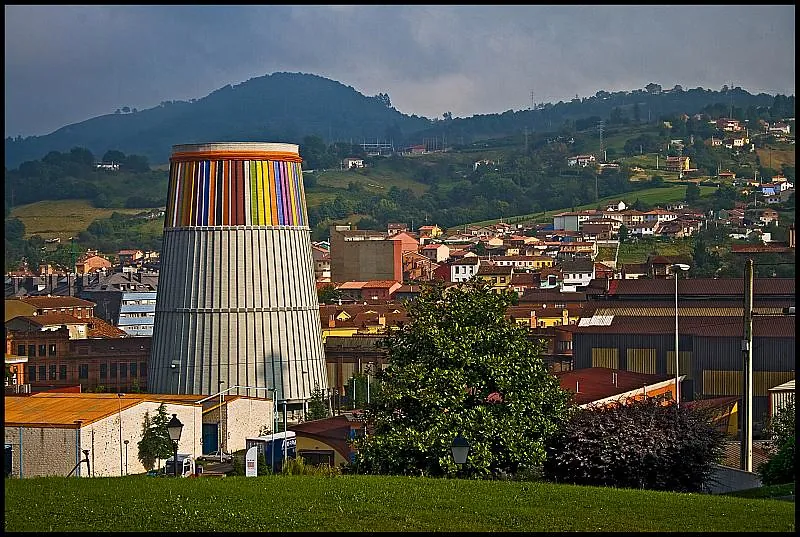
Bimenes - Flickr
Wikipedia · CC
Asturias · Natural Paradise

Bimenes

The church at Muñón hasn't changed much since the twelfth century, and neither has the view from its doorway. Look south and you'll see pasture sta...

1,639 inhabitants · INE 2025
350m Altitude

Why Visit

Mountain Martimporra Palace Hiking

Best Time to Visit

todo el año

San Julián Festivities Octubre y Diciembre

Things to See & Do
in Bimenes

Heritage

  • Martimporra Palace
  • Mill Route

Activities

  • Hiking
  • Ethnography

Festivals
& & Traditions

Fecha Octubre y Diciembre

Feries De San Julián, Santa Bárbara

Las fiestas locales son el momento perfecto para vivir la autenticidad de Bimenes.

Full Article
about Bimenes

Birthplace of Asturian as an official language

Ocultar artículo Leer artículo completo

The church at Muñón hasn't changed much since the twelfth century, and neither has the view from its doorway. Look south and you'll see pasture stacking up like green plates until the plates turn into the Sueve range. Look north and you'll see the same pasture dropping towards the Nalón estuary, 25 kilometres away as the crow flies, rather farther if you're driving the switchbacks. This is Bimenes: one parish, six hamlets, and a landscape that still measures time by grazing rotations rather than Google Calendar.

Most visitors whizz past the turning on the A-8, bound for the cider houses of Gijón or the bear-trail cycle path further inland. Those who do peel off discover a scatter of stone houses, wooden granaries on stilts, and lanes so narrow the grass grows down the middle. Mobile signal gives up halfway up the hill, which is either a crisis or a relief depending on your mood. Either way, the village makes its terms clear from the start: no centre to speak of, no souvenir shops, and the nearest cash machine is fourteen kilometres away in Laviana. Bring coins for coffee and a full tank of petrol; the only thing quicker than the descent to sea level is the fuel gauge on the climb back up.

Walking the Plates

The best way to understand the place is to walk between the hamlets. A gentle starter is the hour-long loop from Peón to Careses and back: tarmac, 120 metres of ascent, and enough stone horreos to play "spot the mouse guard" (look for the ceramic plates wedged under the legs). For something steeper, continue upwards past Suares until the lane turns into a stone track and the chestnut woods close in. On a clear morning you can pick out the Picos de Europa, fifty kilometres west, looking like someone has taken a bite out of the horizon. On a misty morning you can't see the gate in front of you; the same walk becomes an exercise in navigation by cowbell.

Maps label these routes as "agricultural access roads", which sounds dull until you realise they predate the Reconquista. Farmers still use them to bring hay down on tiny tractors, nodding at walkers because everyone recognises the rental-car number plates. Waymarking is minimal—a dab of yellow paint here, a sticker from the local cycling club there—so carry the free topo map from the ayuntamiento website or risk ending up in someone's barn. The reward is a countryside that feels lived-in rather than curated: vegetable plots behind slate walls, apple trees espaliered along the lanes, and the smell of woodsmoke from kitchens that have never heard of a heat pump.

What Passes for Gastronomy

Food options are limited and none the worse for it. The single supermarket, Covadonga, opens at nine, shuts at two, reopens at five and stocks everything from wellington boots to tinned squid. Bread arrives once a day; if the van is late, it's late. Most visitors self-cater, filling the kitchen of a £65-a-night casa rural with local eggs and the mild blue cheese that carries the village name. The cheese is a gentler cousin of Cabrales, creamy enough to convert the staunchest "I don't do blue" sceptic, and it pairs surprisingly well with a glass of dry cider—though accept the Asturian ritual: the waiter holds the bottle above his head, you keep your glass low, and both pretend not to notice the puddle on the floor.

If you fancy eating out, El Magüestu opens Friday to Sunday and serves whatever María has decided to cook. One week that might be fabada, the hearty bean stew that tastes like a Spanish take on cassoulet; the next, a cachopo the size of a laptop bag. Portions are built for miners coming off shift, so consider sharing unless you've just walked the entire Senda del Oso. The wine list is short, the coffee is proper, and pudding is usually rice pudding with a cinnamon crust. They stop serving at 15:30 sharp; turn up at 15:31 and you'll be offered bread and a sympathetic shrug.

When the Weather Changes Its Mind

Altitude here is 300–700 metres, enough to flip the forecast in half an hour. Spring brings daisies into the meadows and night frosts that catch the early tomatoes. Summer is warm but rarely stifling; the lanes stay cool under chestnut canopy, though open slopes can burn in the midday sun. Autumn is the photographers' favourite—chestnut russet, oak gold, and cider presses working overtime—but also the season when Atlantic fronts roll in and sit for days. Winter is surprisingly harsh: the road to Suares sometimes closes after snow, and the one local taxi refuses to leave the garage if the thermometer drops below zero. If you're booking a rural house for Christmas, check whether the heating is oil-fired or relies on the wood-burning stove; the latter is cosier but demands commitment with an axe at 07:00.

Rain doesn't cancel plans, it just changes them. Expect slate-grey skies, cobwebs beaded with water, and the smell of wet granite. Paths turn slick as ice; swap trainers for something with a Vibram sole and accept that views will shrink to fifty metres. The consolation is the soundscape: rain pinging off tin roofs, cattle lowing somewhere inside the cloud, and the church bell striking the hour with no traffic to smother it. Bring a book, settle by the fire, and remember that Sidra is cheaper than central heating.

Getting Here, Getting It Right

Fly to Asturias from Stansted on Ryanair's twice-weekly run—Tuesday and Saturday, wheels down in 1 h 50 m. Hire cars live in a cabin fifty metres from the terminal; book ahead in July or August when Spanish families flee Madrid's heat. From the airport it's 35 minutes on the A-8, exit 354, then the AS-248 that corkscrews up from the river. The road is wider than it used to be but still demands courtesy: pull into the lay-bys on uphill bends and don't trust sat-nav's timing; the algorithm has never met a tractor carrying 500 hay bales at 15 km/h.

Without wheels you're stranded. The daily bus from Oviedo is timed for school runs, not tourists, and the last departure back to the city leaves at 13:45. Taxis exist but start the meter from Laviana, so a round-trip to buy milk costs more than the weekly shop. Cycling is feasible if you enjoy 8 % gradients and the occasional loose cow; e-bikes are catching on, though charging points are still theoretical. Bottom line: if you can't drive, tag Bimenes onto a longer walking holiday and arrange a taxi collect at the end of a route—it's what the handful of British visitors usually do.

Leave the Checklist at Home

Bimenes won't deliver Instagram moments every five minutes. The souvenir choice amounts to a fridge magnet shaped like an horreo and a bottle of cider you could buy cheaper in Oviedo. What it does deliver is the sense that somewhere in Europe life still ticks to the rhythm of animals, weather and the church clock. Walk one lane, share one cider, accept one invitation to see the inside of a 200-year-old granary, and you'll have stories that no cathedral city can match. Just remember to fill the tank before the garage shuts at noon—because the village certainly won't change its timetable for you, and that, refreshingly, is the whole point.

Key Facts

Region
Asturias
District
Nalón
INE Code
33006
Coast
No
Mountain
Yes
Season
todo el año

Livability & Services

Key data for living or remote work

2024
ConnectivityFiber + 5G
TransportTrain nearby
HealthcareHealth center
EducationElementary school
Housing~5€/m² rent · Affordable
CoastBeach nearby
Sources: INE, CNMC, Ministry of Health, AEMET

Planning Your Visit?

Discover more villages in the Nalón.

View full region →

More villages in Nalón

Traveler Reviews