Full Article
about Caso
Heart of Redes Park
Hide article Read full article
A las siete de la mañana, en el aparcamiento de El Campu, el aire aún guarda la humedad de la noche. Huele a hierba recién cortada y a madera mojada. Las casas de piedra recogen una luz gris pálida que, en esta parte de Asturias, puede quedarse colgada todo el día. Así empieza aquí la jornada: sin ruido, en un lugar que se siente más como un recibidor que como un destino final.
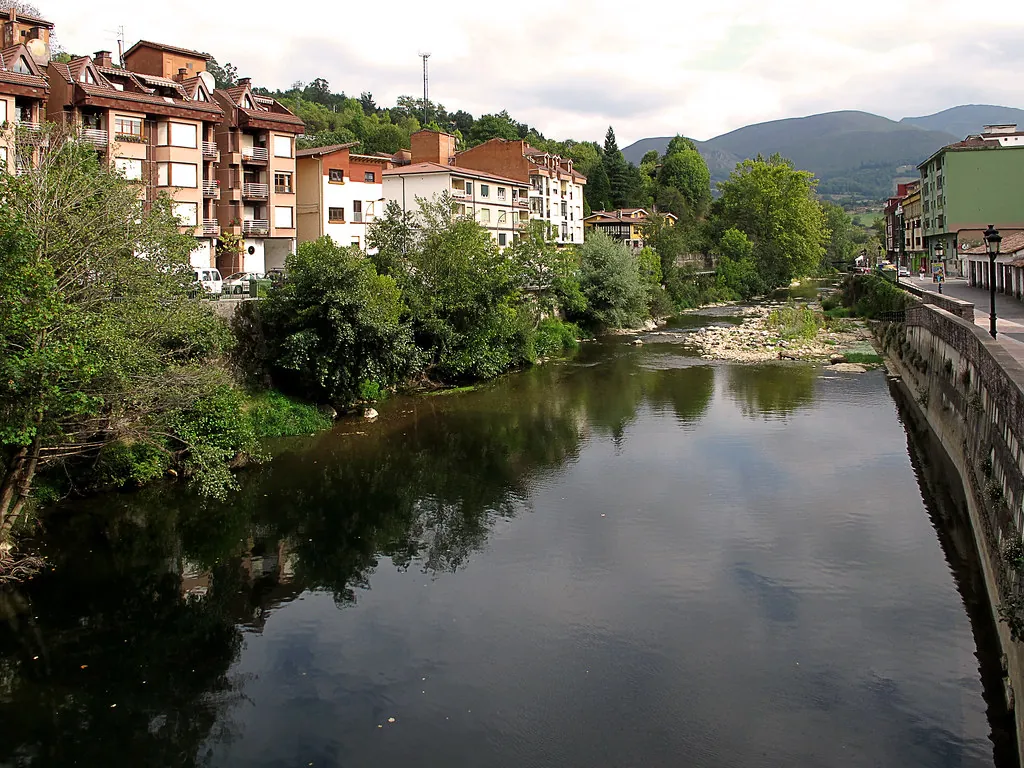
El Campu, capital del concejo de Caso, es pequeño y sin prisa. Unas pocas tiendas, edificios bajos, coches aparcados junto a prados abiertos. No tarda uno en darse cuenta de que la vida ocurre más allá del pueblo, en los valles y en las montañas que lo rodean.
Varias carreteras y pistas salen del centro hacia el Parque Natural de Redes. Los días claros afilan el verde de los prados; cuando se posa la niebla, todo se suaviza y se calla. Las distancias engañan. Lo que en el mapa parece corto, se estira con las curvas de la carretera, el ganado cruzando o la bruma baja sobre el asfalto. Es el tipo de lugar que pide tiempo, incluso antes de empezar a caminar.
Brañagallones y la altura
Brañagallones es una de esas palabras que siempre acaban saliendo cuando se habla de Caso. La braña aparece de repente al fondo del valle, rodeada de cumbres redondeadas y pastos abiertos donde suele haber vacas.
Las cabañas de piedra, muchas con el techo tomado por el musgo, llevan allí generaciones. No parecen colocadas para decorar. Están donde siempre han estado, plantadas contra el viento y la humedad de la montaña.
Llegar hasta Brañagallones implica caminar. La senda está clara, pero el suelo suele estar mojado, incluso en verano, así que un calzado firme ayuda. La subida conviene tomarla con calma, no solo por el esfuerzo, sino porque el paisaje cambia con cada recodo del valle. La sensación de espacio se abre poco a poco, sin un mirador único que lo defina.
Pueblos como Bezanes
En sitios como Bezanes, el ambiente es otro. Las casas se aprietan, los hórreos muestran la madera oscura y las pequeñas huertas se arriman a los muros de piedra. El sonido más constante suele ser un cencerro lejano.
No hay edificios señoriales ni plazas monumentales. Lo que aparece es una arquitectura hecha por gente que vivía del ganado y los pastos. Muros gruesos, puertas de hierro, fuentes donde aún se recoge agua. Es práctico, directo y atado a la tierra.
A primera hora de la mañana, sobre todo en días frescos, el humo de las chimeneas se desliza lentamente por las calles estrechas. Es un detalle menor, pero da una idea clara del ritmo diario, uno que sigue más al tiempo, a los animales y a las estaciones que a cualquier horario.
Subiendo al Puerto de Tarna
La carretera hacia el Puerto de Tarna cruza uno de los paisajes más abiertos del concejo. Según se gana altura, los bosques retroceden y dan paso a laderas amplias cubiertas solo de hierba.
Los días despejados permiten ver las líneas de cumbres que separan Asturias de León. En invierno, el escenario cambia por completo: la nieve, el hielo y el viento fuerte remodelan ese mismo terreno. Cuando cierra la niebla, puede merecer la pena esperar o bajar con cuidado. El tiempo aquí gira rápido y la visibilidad desaparece con la misma velocidad.
La sensación de exposición es parte de lo que define este tramo. Hay menos barreras visuales y el paisaje se siente más ancho, más horizontal, sobre todo si se compara con los valles cerrados de más abajo.
Caminar por Caso
La mayor parte de Caso se entiende mejor a pie. Los senderos suben hacia las brañas, las pistas ganaderas cruzan terrenos abiertos y hay rutas que pasan por bosques de haya y roble donde la luz se filtra entre las hojas.
La Ruta del Alba suele aparecer en las guías del valle del Nalón, aunque el concejo guarda más caminos de los que parecen a primera vista. Antes de salir conviene revisar bien los desniveles y los puntos de acceso. El barro es frecuente y las tardes de verano suelen traer tormentas.
A cambio hay tramos donde lo único que se oye es un riachuelo moviéndose sobre la piedra o el viento rozando los helechos. La experiencia tiene menos que ver con llegar a un punto concreto y más con atravesar un terreno que no para de cambiar.
Queso Casín y el ritmo del año
El Queso Casín, con denominación de origen protegida, forma parte de la identidad del lugar. Es compacto y fuerte de sabor, del tipo que te llena la boca desde el primer bocado. Tradicionalmente se hacía en las casas, ligado directamente a la ganadería del valle.
A lo largo del año hay celebraciones vinculadas a la vida pastoril y al propio queso. Esos días cambia el ambiente: hay más gente por las calles, aparecen puestos y las conversaciones se alargan alrededor de mesas compartidas.
Para quien busque silencio es mejor evitar esas fechas y venir entre semana. La primavera tardía y el comienzo del otoño suelen ser los periodos más tranquilos. Los prados siguen verdes, los caminos están aún abiertos y la montaña no se ha cerrado todavía con el frío.
Caso es grande en territorio y pequeño en núcleos construidos. Los pueblos están dispersos y algunos servicios no abren todos los días; conviene llevar cierta planificación por delante. Aun así basta con sentarse un rato junto a una fuente o ver cómo la luz se va apagando sobre los prados para entender el compás del lugar. Aquí el tiempo no corre; simplemente pasa.