Full Article
about Allande
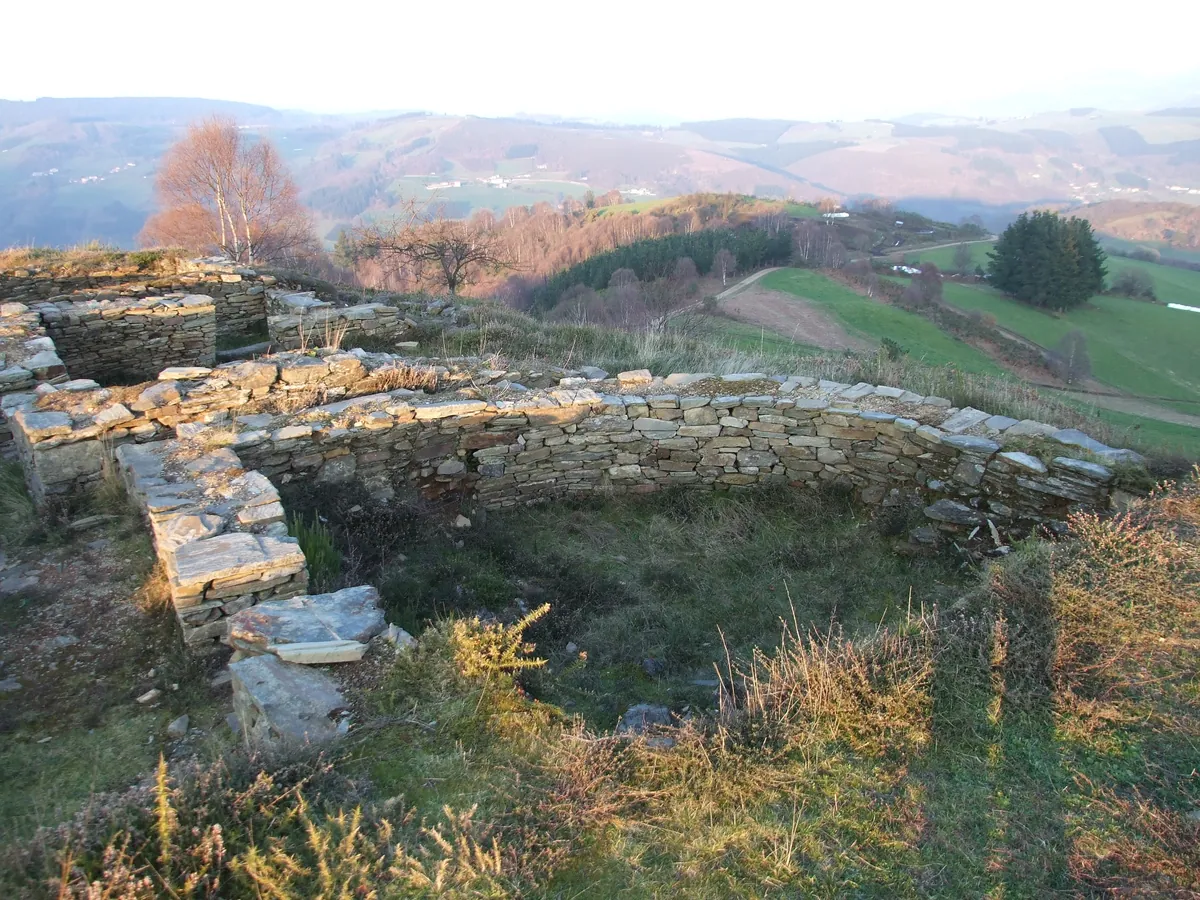
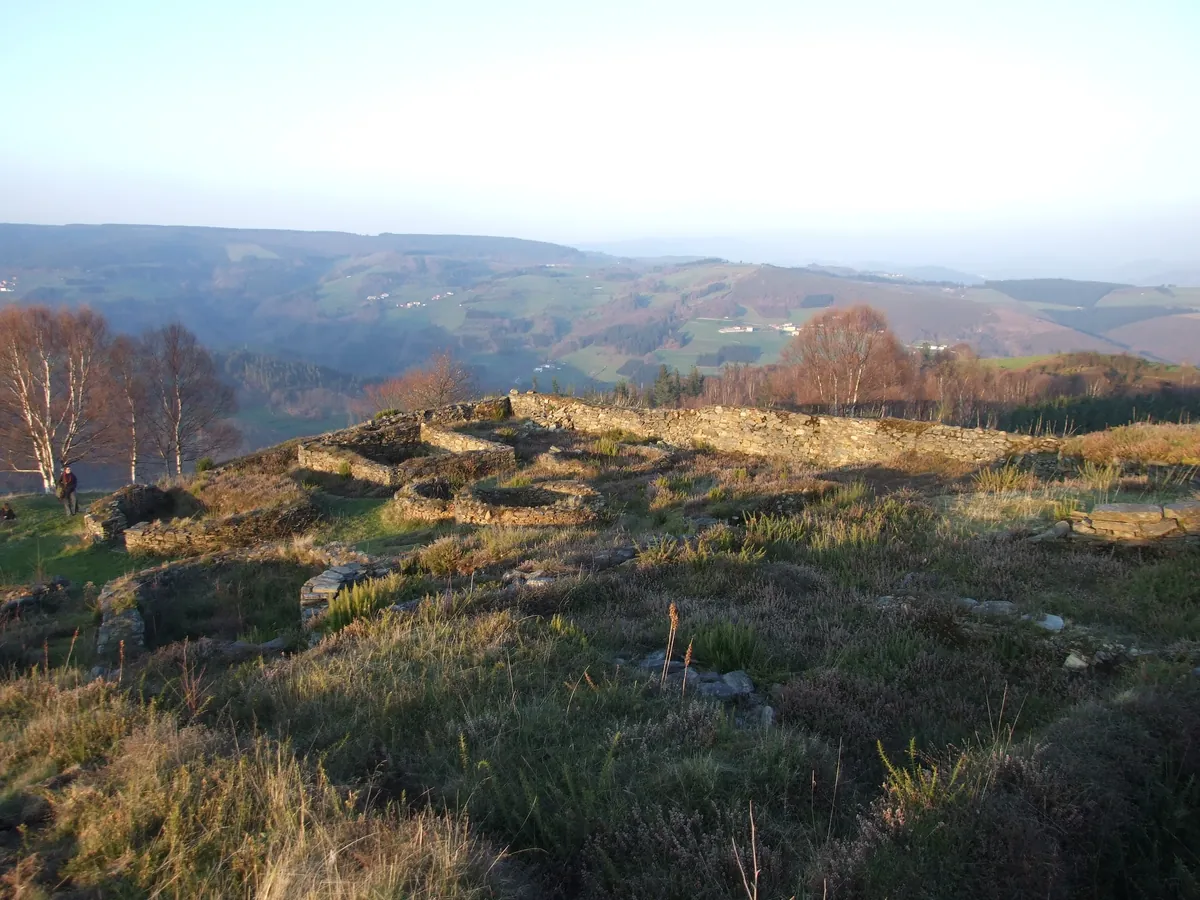
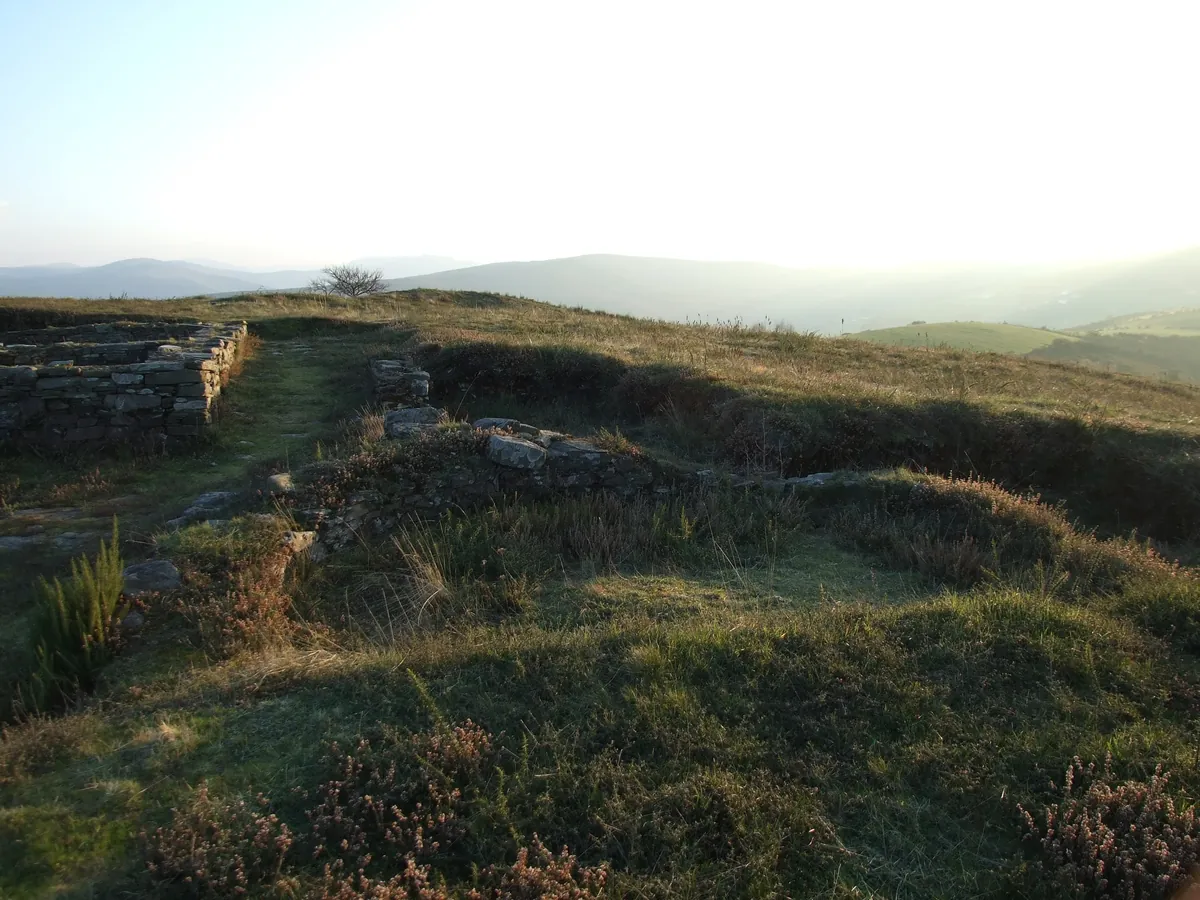
Land of yews and palaces
Hide article Read full article
A village that refuses to be hurried
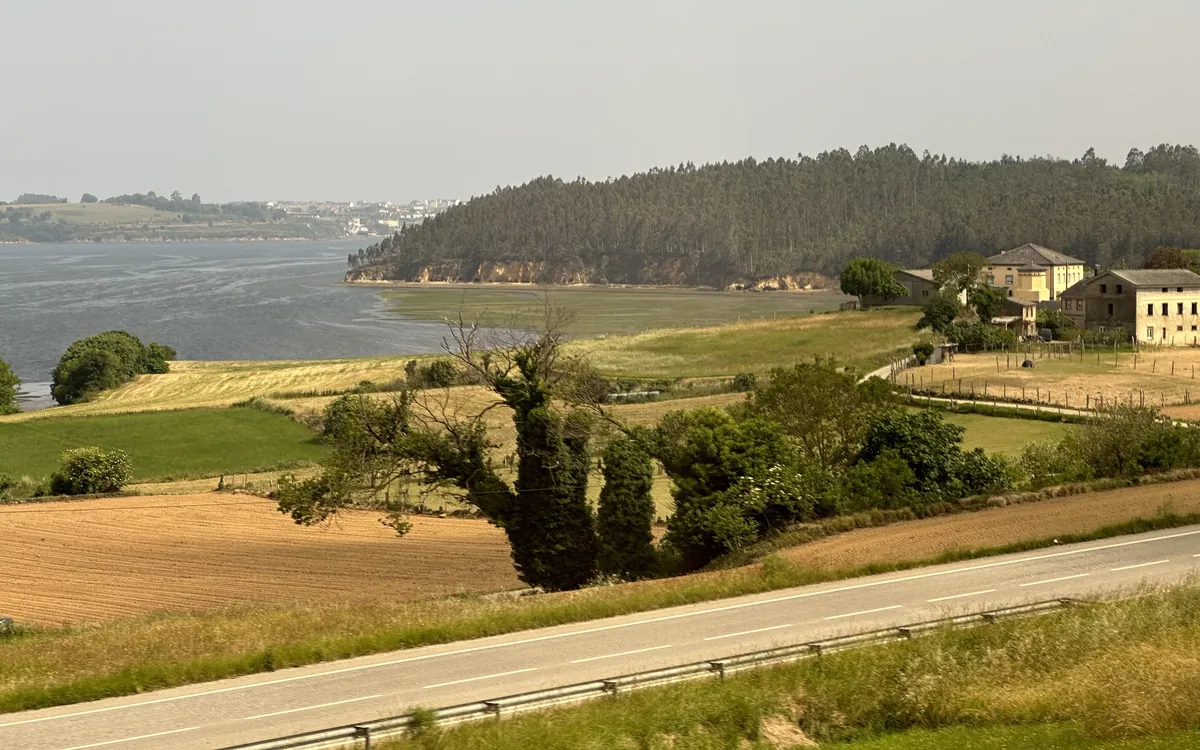
There are places you grasp in an hour: a circuit of the square, a look at the church, lunch, done. Allande does not work like that. The road bends, rises, dips again. Hamlets appear without warning, then vanish behind a fold of hill. You check the map more than once before switching off the engine.
This is western Asturias, and it feels like it. Fewer people, more silence, and a sense of space that stretches beyond the next ridge. “Allande” refers to a wide rural municipality rather than a single compact settlement. The population is small and scattered, and that shapes the experience. What looks close on a map can mean another ten minutes of winding tarmac.
It suits travellers who are content to slow down.
Pola de Allande, the practical heart
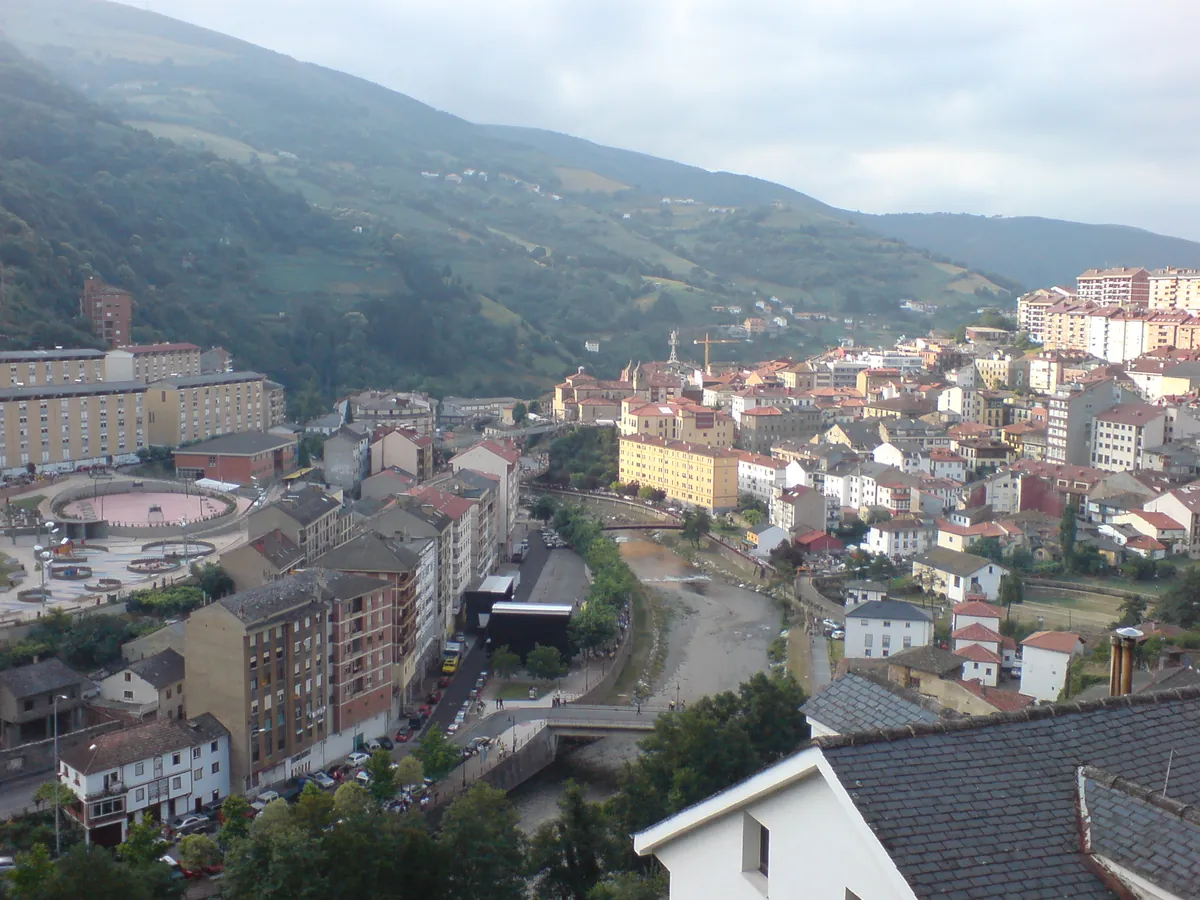
Most visits begin in Pola de Allande. It is not large, but it gathers together what you need to get your bearings. Calle Mayor slopes gently upwards towards the 16th-century church of San Andrés. The building reveals itself almost suddenly when the street opens out, a quiet punctuation mark at the top of the climb.
Around it are stone houses, wooden galleries and arcades that make sense on damp days. This is not a showpiece historic centre. The streets feel lived in rather than arranged for effect. Step away from the main drag and you find enclosed yards, hórreos pressed close to houses, and the occasional old cart resting against a wall. Everyday details carry more weight than any single monument.
There are traces of former prosperity. A few casas indianas, built by emigrants who returned from the Americas with money, stand out among the plainer homes. The Casa Palacio de Cienfuegos is another reminder that this territory once held more influence than its current quiet might suggest. Yet even here, the past tends to reveal itself in fragments: a line of granaries along a path, a stable attached to the living quarters, a heavy wooden gate that no longer swings open as it once did.
If you plan to explore further, this is the place to organise yourself. Beyond Pola, distances stretch and services thin out. Public transport is limited and the roads define the rhythm of your day. A car is the simplest way to see more than the main street.
Pilgrims and pastures in Berducedo
Drive on and you eventually reach Berducedo, one of the stopping points on the Camino Primitivo as it enters Asturias from Galicia. The change in atmosphere is subtle but noticeable. Backpacks lean against walls. Walking boots air out in the sun. Pilgrims rest their legs before the next ascent.
Even so, Berducedo remains a small rural village with scattered houses and working farmland around it. Step off the main strip of asphalt and you are among barns, vegetable plots and sheds where livestock is still kept. The Camino brings movement, especially in the warmer months, but it does not overwhelm the place. By evening, the pace drops again.
Allande does not have a single headline sight that draws everyone to the same viewpoint. Its appeal is more dispersed. That might frustrate those who prefer a clear checklist. For others, it is precisely the point.
Into the woods and up to the brañas
Walking is central here, though not because of one famous trail. The landscape itself invites it. Paths thread through dense oak and chestnut woods where the canopy can close so tightly that little light reaches the ground. In autumn the forest floor turns thick with leaves and the colours shift from green to rust and gold.
Mushroom foraging is common in season, and locals know what they are doing. Visitors should be cautious. Not everything that looks edible is safe, and advice is taken seriously in these hills.
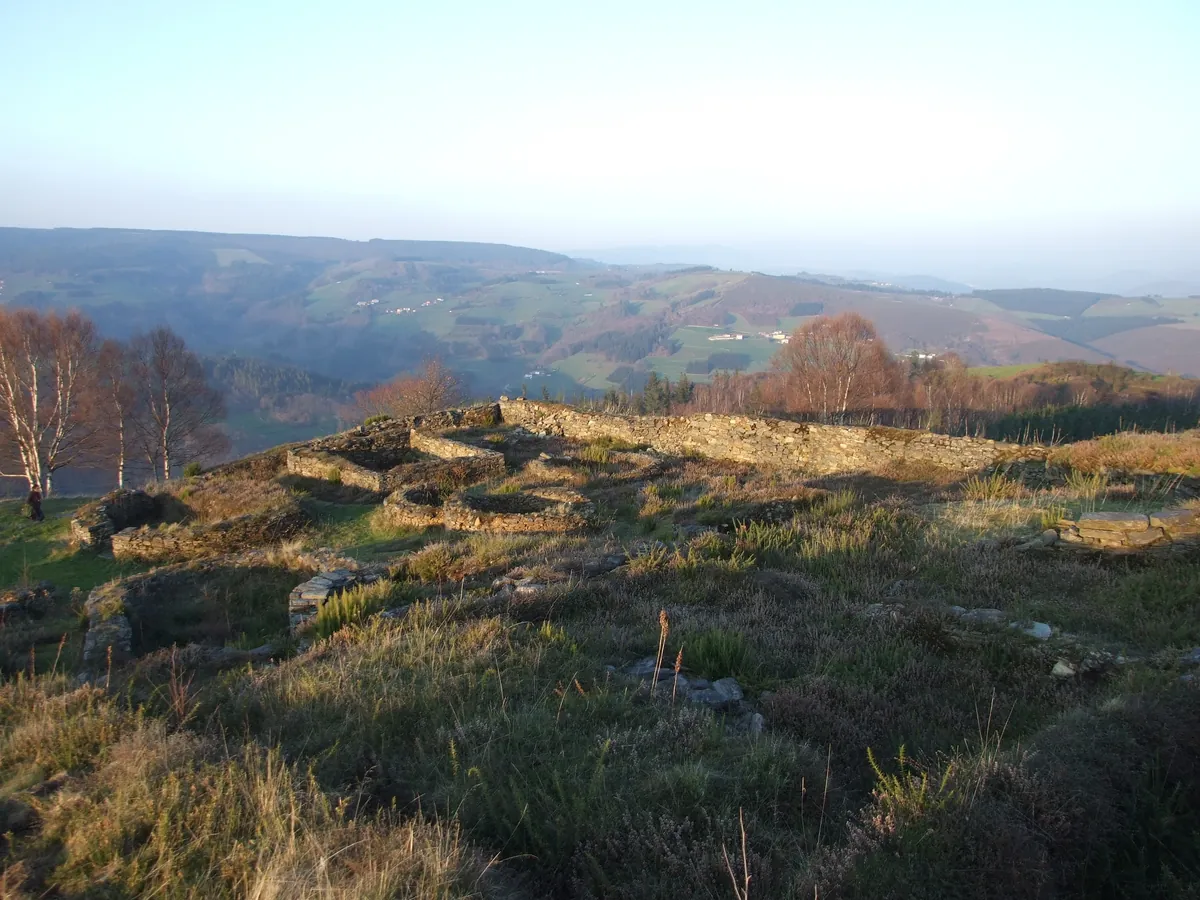
Climb higher and the woodland thins out. Brañas appear: high mountain pastures used for centuries as summer grazing. Near ridgelines such as those of El Pando or La Mapiá, the landscape opens into broader sweeps of grass and rock. Trees give way to open mountain and long views over valleys dotted with small settlements.
On a clear day, the sense of scale is striking. You can trace the folds of western Asturias far into the distance. On a foggy one, the opposite happens. Visibility shrinks to a few metres and familiar contours dissolve. Weather changes quickly when clouds roll in over the nearby passes. A waterproof jacket in the boot is sensible even in summer.
Underfoot, pavements disappear soon after the last house. Tracks can be stony and uneven. Proper footwear matters more than fashion.
Eating well, moving slowly
Food follows the logic of inland Asturias. Expect spoon dishes and substantial stews, especially when the weather turns cooler. Fabada, rich with beans and pork, is the sort of meal that settles you into your chair for the afternoon. Game appears when the season allows. Portions are generous and unpretentious.
There is no need to hunt for elaborate cooking. The simpler places tend to handle traditional recipes with confidence. Produce from local vegetable plots finds its way into the pot. Cider accompanies much of it, poured in the Asturian style and drunk without fuss.
Spring and autumn are particularly rewarding. In spring the hills regain their green after winter, and walking conditions are generally comfortable. Autumn brings colour to the woods and a crispness to the air that suits long rambles. Summer can be pleasant but busier along the Camino. Winter has its own stark beauty, though access to higher areas depends on conditions and the weather can turn abruptly.
Allande works best when expectations are adjusted. This is not a place for ticking off attractions at speed. It is a matter of small decisions: a turn down a secondary road towards an unnamed hamlet, an hour wandering out of Pola along a quiet lane, a slow drive up to open pasture to watch the light shift across the valley.
Accept the distances. Allow for the weather. Bring a map and the patience to use it. In return, western Asturias unfolds in its own time, and Allande begins to make sense.