Full Article
about Belmonte de Miranda
Land of gold and bears
Ocultar artículo Leer artículo completo
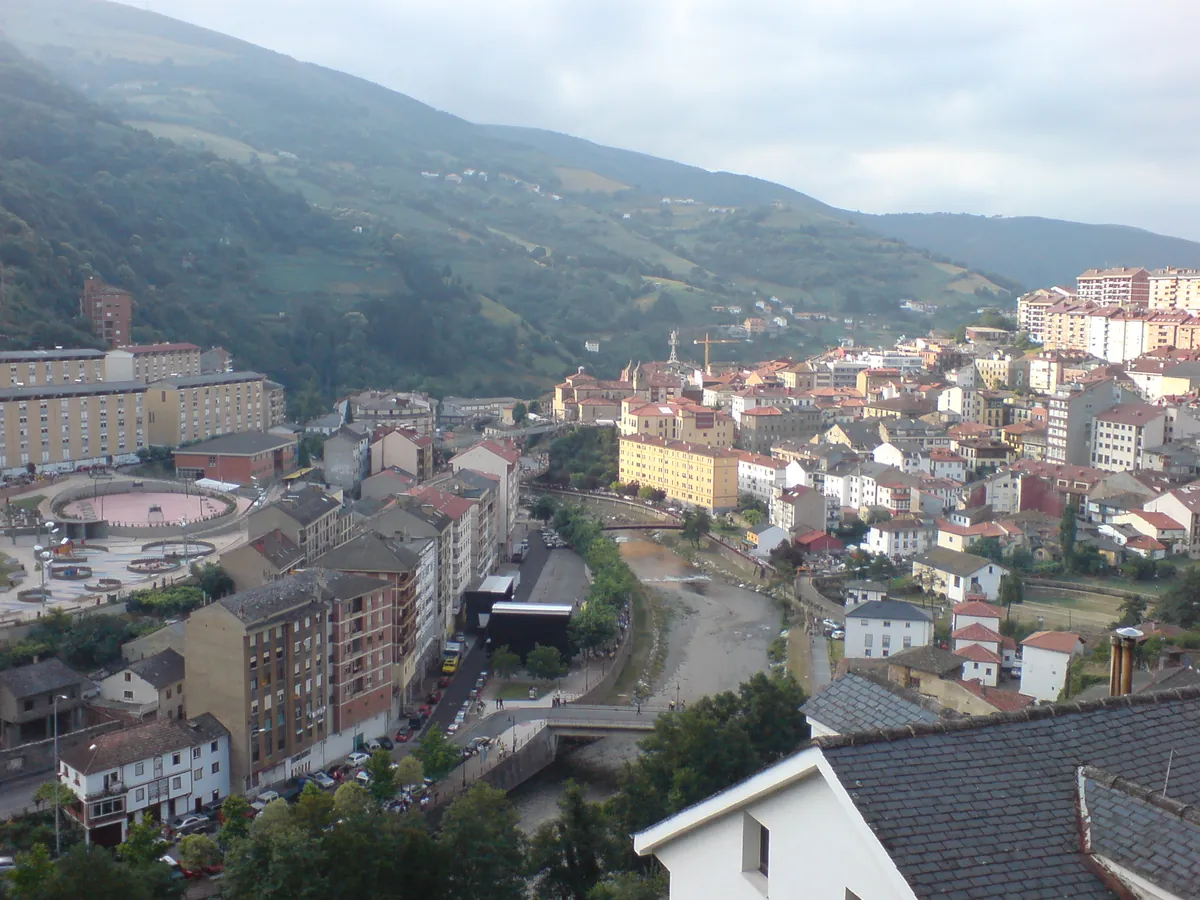
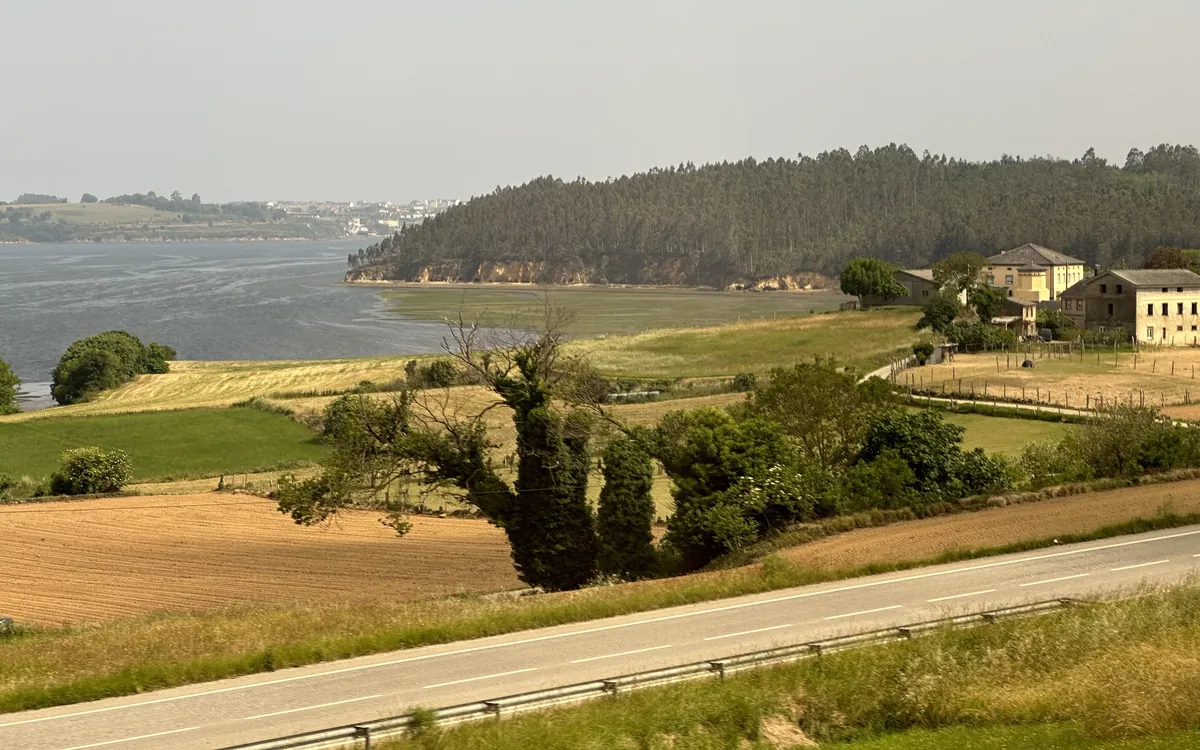
The Pigüeña River arrives before anything else. Even when the road is still climbing through chestnut woods, you can hear it churning below, a silver thread dictating where houses can be built, where maize will grow, where the valley road is allowed to bend. Belmonte de Miranda is less a single village than a scatter of stone hamlets that have negotiated space with the water for the last eight centuries. At 220 metres above sea level it is not high enough to feel truly alpine, yet the surrounding cordillera tops 1,200 m and traps weather the way a bowl keeps soup warm. Mornings arrive fog-soaked; by late afternoon the same bowl can feel like a pressure cooker, clouds stacking up until they spill over the rim in short, violent bursts of rain.
Walking with the water
The easiest way to understand the place is to follow the Camino Natural del Pigüeña, a 14-kilometre riverside path that starts behind Belmonte’s single-row high street. Signposts are discreet—look for a yellow arrow painted on the municipal rubbish bin—but once found the route is impossible to lose: alder on one side, stone terrace walls on the other, the river sliding over slate shelves. In May the path smells of wild garlic; in October it smells of rotting chestnut husks. Both are good months to come: midsummer can be close, and while the altitude keeps nights bearable, August afternoons often stall at 32 °C with 80 % humidity. Winter is quieter, spectacular when snow dusts the oak branches, but the AS-227 can ice over above 600 m and the petrol station still closes for siesta regardless of sleet.
Serious walkers head for the brañas, the high summer pastures where stone huts called teitos still wear rye-thatch hats. The climb from the valley floor to the first braña at Campo la Rasa gains 550 m in 4 km—think Yorkshire Dales steep, but with wild boar prints in the mud. Carry OS-style mapping: the 1:25,000 sheet from the Asturian government is sold in the tobacconist next to the weekend market, the only shop in Belmonte that accepts cards without a minimum spend.
Gold, wolves and the school bus in the bar
Belmonte’s small headline attractions sit on the same lane as the primary school, which tells you everything about scale here. The Aula del Oro is a single-room interpretation centre where a retired miner demonstrates 19th-century gold-panning technique in a trough fed by the Pigüeña. Entrance is €3 and children are handed a plastic dish to try their luck; flakes of river gold are glued to a card at the exit so nobody goes home rich. Fifty metres uphill, Casa del Lobo uses infrared footage and a neat interactive floor to explain why Cantabrian brown wolves are returning to these valleys. Both centres open only when staff arrive on the school run—if the bus is outside the bar, the museums are open.
Sunday morning supplies the week’s theatre. A market that would fit inside a British village hall spreads across the concrete plaza: three veg stalls, one van selling chorizo, and a baker with spelt loaves that taste of toasted walnuts. Prices are scribbled in wax pencil: €2 for a half-kilo loaf, €4 for a wedge of Afuega’l pitu cheese that crumbles like Wensleydale. Attempting Spanish is appreciated; asking for “cheddar” produces polite bewilderment.
What lands on the table
Forget tapas. Belmonte deals in cazuelas—earthenware bowls brought to the table bubbling. Fabada, the local bean and chorizo stew, arrives first. It is mild, smoky rather than spicy, and the portion looks designed for a ploughman. Cachopo comes next: two veal steaks the size of escalopes sandwiching Serrano ham and cheese, the whole lot breadcrumbed and fried in olive oil until it curves upward like a golden bridge. One feeds two adults comfortably; ordering a solo portion marks you immediately as a foreigner. River trout appears only if the previous night’s catch was good; otherwise the waitress will steer you to grilled pork shoulder, the default when the baker’s van fails to deliver bread and the menu shrinks to what is in the freezer. Expect to pay €12–14 for a main, wine included. Cards work in the restaurant; the bar next door takes cash only, so break a twenty before you sit down.
Getting there, getting stuck, getting out
Asturias airport at Santiago del Monte is 76 km away, most of it on the AS-227, a road that narrows to a single lane each time the river pinches the valley. Car hire is essential: there are two buses a day from Oviedo, timed for school and shopping, and a taxi must be booked the previous evening. If you land at Santander or Bilbao, motorway tolls add €20–25 each way but the journey is faster than Cornwall in August. Petrol pumps close at 14:00 sharp; after that you wait until 16:30 or beg the mayor’s secretary to open the municipal pump, a favour she grants with theatrical sighs.
When the valley fills up
Belmonte never heaves, but the weekend nearest 15 August swells with returning families from Madrid. Every guest room is booked, children race scooters through the bar and fireworks at midnight echo off the opposite slope like artillery. It is fun once; afterwards you will value the quiet. Late September gives the best compromise: heather on the high slopes, chestnut sellers on corners, hotel prices back to weekday rates. Spring is wet—April delivers 120 mm of rain—but the valley greens are almost luminous and you will have the trout stream to yourself.
Pack light: a rain shell that fits in a daypack, walking boots with ankle support (the red mud here is slippery as butter), and enough cash for coffee because the machine in the cultural centre has been broken since 2019. Mobile signal dies above 800 m, so screenshot your maps. Finally, build slack into the itinerary. Distances look tiny on the motorway map; on the ground every bend follows the river’s mood, and the Pigüeña was never in a hurry.