Full Article
about Boal
Land of honey and emigrants
Ocultar artículo Leer artículo completo
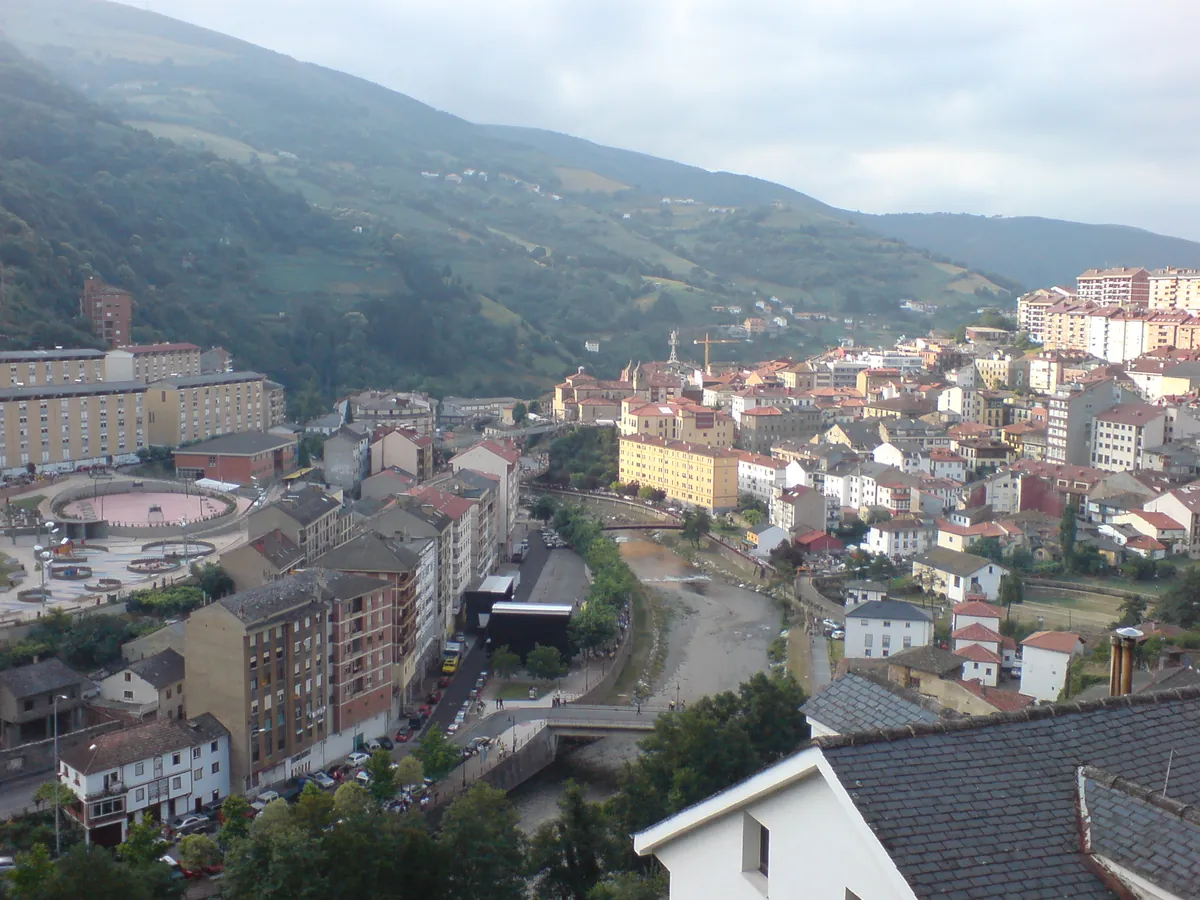
The road from the A-8 coast leaves the Atlantic behind at Navia, climbs 400 m through hair-pin bends, and suddenly the air smells of wet ferns instead of salt. You have entered Boal, a parish-sized council whose 1,500 citizens still outnumber its tourists on most weekends. Stone houses painted ox-blood red huddle around a single square; someone is practising bagpipe scales in an upstairs flat. This is not postcard Andalucía but “Green Spain”, and the soundtrack is Celtic, not flamenco.
Stone, Chestnut and the Scent of Honey
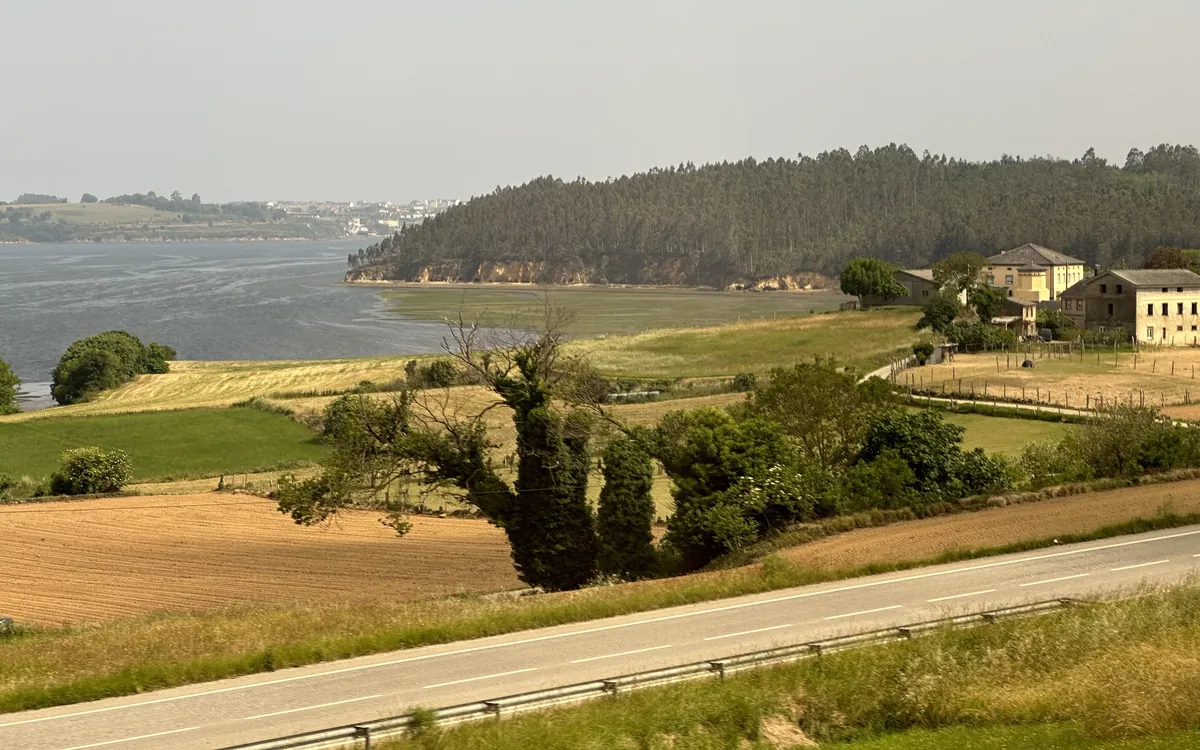
Boal’s geography is simple: three short river valleys that once fed corn mills now grow grass for Asturian cattle and chestnut for the autumn market. The highest hamlet, Doiras, sits at 550 m, cool enough in August that locals keep cardigans by the door. Down in the centre, the 18th-century church of San Andrés looks more fortress than sanctuary, its bell tower doubling as a lightning rod for mountain storms. Around it spread the usual markers of rural life—granite horreos on stilts to keep mice from the grain, and a single bar that opens at seven for coffee and closes when the owner feels like it.
The Casa Museo de los Fernández-Villaamil (entry €2, open Wed-Sun 11:00-14:00 & 16:00-18:00, ring ahead out of season) occupies the old manor house opposite the church. Inside are hand-forged ploughs, a priest’s portable mass-kit and a wall of sepia photographs of emigrants who left for Cuba in the 1900s and returned twenty years later with enough pesos to build the village’s only three-storey mansions. The captions are in Spanish, yet the curator is happy to give a ten-minute English tour if you ask—slowly. It is worth the stop because the exhibits explain why half the stone cottages you will see later have palm-sized shells carved above their doors: symbols of the Camino de Santiago, but also a reminder that every family here once had someone “overseas”.
Walking Tracks that Smell of Moss and Smoke
The most straightforward outing is the Ruta de los Molinos, a 6 km loop that follows the Río Boal past six abandoned water-mills. The path starts 300 m upstream from the main square; look for a green-and-white waymark half-hidden by hydrangeas. After rain the stones are slick, so decent tread is essential. You will not find souvenir stalls—only the sound of water and, in October, the thud of falling chestnuts. Allow two hours there and back, longer if you stop to photograph the moss-covered mill wheels that still turn when the river is high.
Keener hikers can link this to the Senda de los Castañedos, an 8 km figure-of-eight through oak and sweet-chestnut forest that joins the hamlets of Serandinas and Castrillón. The gradients are gentle but the path is narrow; bramble scratches are part of the deal. Mid-summer shade keeps the temperature below 24 °C, yet afternoon showers roll in without warning—a light cagoule lives in every local rucksack for a reason. Mobile coverage is patchy under the canopy; download an offline map before you set off.
When the Plaza Becomes a Dance Floor
Boal’s calendar revolves around two fiestas. The Fiesta de San Roque on the second weekend of August brings pipe bands from five neighbouring valleys. Dancing starts after the evening mass and continues until the cider runs out—usually around two in the morning. A week later the Festival Intercéltico turns the sports pavilion into a drumming circle where Galician, Breton and Asturian groups compete to see whose bagpipes can drown out whose. Foreign visitors are still rare enough that someone will press a free chigre (half-pint) of cider into your hand while explaining the difference between a gaita and a Scottish small-pipe. Both events are free, but car parking is not: farmers charge €3 to leave your vehicle in a meadow at the edge of town. Arrive before 11:00 or expect to walk the last kilometre.
Outside fiesta season the village reverts to library-quiet. Monday is officially “market day” but it amounts to one fruit van and a fish lorry whose cod fillets are still stiff from the overnight run from Vigo. If you need cash, the nearest ATM is back down the hill in Navia; Boal’s only bank closed in 2019 and has since become a second-hand furniture depot.
What to Eat and Where
There are just three places serving food within the village boundary, all family-run and closed on random Tuesdays. Casa Pachín, opposite the pharmacy, grills trout that was swimming the previous night in the Río Navia; order it al ajillo (with garlic and parsley) and mop up the juices with country bread. A full portion costs €14 and comes with a dish of cachelos—boiled potatoes dressed in olive oil and sweet paprika. The house wine is drinkable, yet locals stick to cider. Waiters pour from head-height into wide glasses; if you attempt the ritual yourself, expect polite laughter when half the liquid lands on the floor.
For lighter fare, the honey co-operative on Calle San Juan sells slabs of fresh quesada (cheesecake sweetened with Boal’s own heather honey) and will let you taste before you buy. Asturias produces 40 % of Spain’s honey; this parish alone manages 400 hives. A 500 g jar weighs less than a guidebook and survives the flight home in hold luggage.
Vegetarians can cobble together a meal from tortilla, local cheeses and the mountain-grown beans that go into fabada, though you should ask for it “sin compango” (without the chorizo and black pudding) if you want the meat-free version. Vegans face slim pickings—bring emergency nuts.
The Practical Bit (Because Someone Has To)
Boal sits 35 km inland from the fishing port of Luarca. The coastal A-8 is fast, but the final 19 km on the AS-12 twist through chestnut woods and can take 35 minutes behind a milk tanker. There is no railway; ALSA runs two buses a day from both Luarca and Navia, timed more for schoolchildren than sightseers. Car hire from Oviedo or Avilés airport is the realistic option; allow €45 for a three-day rental plus another €15 petrol return.
Accommodation is limited to four rural houses (casa rural) and the family-run Hotel Casa Manolo on the edge of the square. Expect €70–90 for a double with breakfast, less out of season. None has a lift and only one accepts dogs. Wild camping is technically forbidden, though the Guardia Civil rarely hike the forests to check. If you are caught, the on-the-spot fine starts at €60.
Weather is the wildcard. At 400 m Boal can be 8 °C cooler than the coast, so even July nights drop to 14 °C. Fog lingers until midday in spring; by October the first Atlantic storm can wash out forest paths for a week. Winter is quiet, beautiful and occasionally snow-blocked—carry snow chains from December to February, or you may spend the night in the square waiting for the gritter.
Heading Back Down the Hill
Most visitors leave Boal after a single night, clutching jars of honey and memories of bagpipes echoing off granite. That is probably right: stay longer and you start measuring time by church bells and counting the same three tractors. Yet for a swift dose of upland Asturias—green woods, slow conversations, and cider poured higher than your head—it delivers exactly what it promises. Just remember to fill the tank and the wallet before you climb, and to keep the waterproof within arm’s reach. After that, the only thing left to do is slow down to village speed and let the pipes do the talking.