Full Article
about Cangas del Narcea
Land of wine and gunpowder
Hide article Read full article
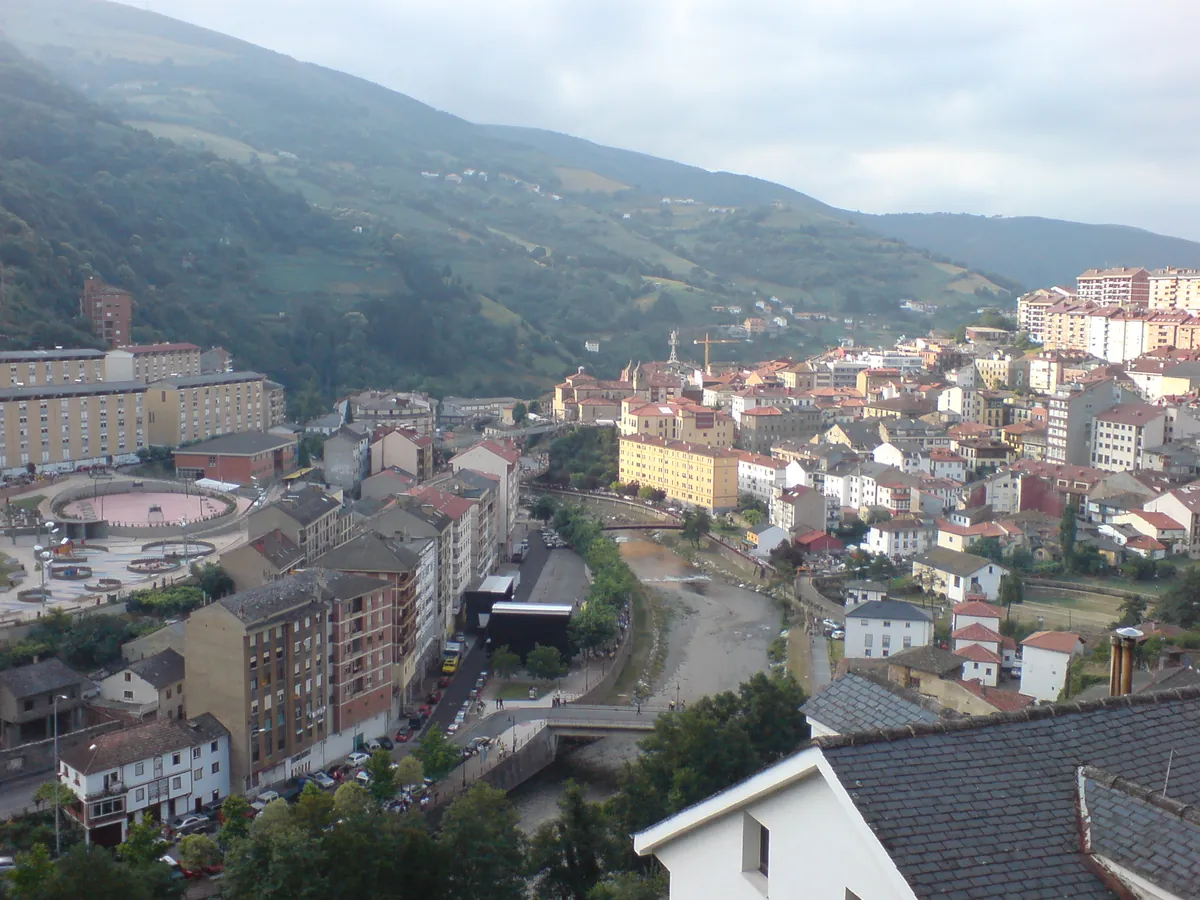
The road seems to test your resolve. Bend after bend, thick forest pressing close, the sense that you are driving deeper into green silence. Then the valley opens and Cangas del Narcea appears below: houses clustered by the river, slopes rising on all sides, and, unexpectedly, vineyards etched into the hills.
Vineyards in Asturias feel faintly improbable. That first glimpse explains much about this mountain town of around 5,000 people. Cangas is not coastal Asturias of cider and sea spray. It is inland, higher, shaped by river and woodland, with a wine culture that runs quietly but stubbornly through its history.
A valley that makes its own rules
Wine has been made here for centuries. Local tradition traces it back to Roman times, when gold seekers moved through these mountains and left behind the habit of planting vines. Whether drawn by minerals or by the shelter of the valley, they recognised something that still defines the place.
The Narcea valley creates a particular microclimate. The river tempers the air, the surrounding mountains shield against wind, and mists drift in without much warning. That combination produces grapes few would expect this far north.
The wines that result do not resemble a classic Rioja. They tend to be lighter, sometimes slightly untamed, with a note that can recall damp woodland after rain. The white albarín often carries a fresh edge, almost like newly cut grass. Many of the wineries remain small operations where the person pouring the glass is often the one who worked the vines. Tastings can turn into conversations that stretch comfortably beyond the formalities.
Autumn is when this side of Cangas comes most clearly into view. Harvest time brings celebrations centred on the local wine, with glasses in hand, music in the streets and a mix of residents and visitors. It is sociable rather than slick, rooted in the rhythm of the agricultural year.
Where the forest sets the terms
If the vineyards show one face of Cangas del Narcea, the forest shows another.
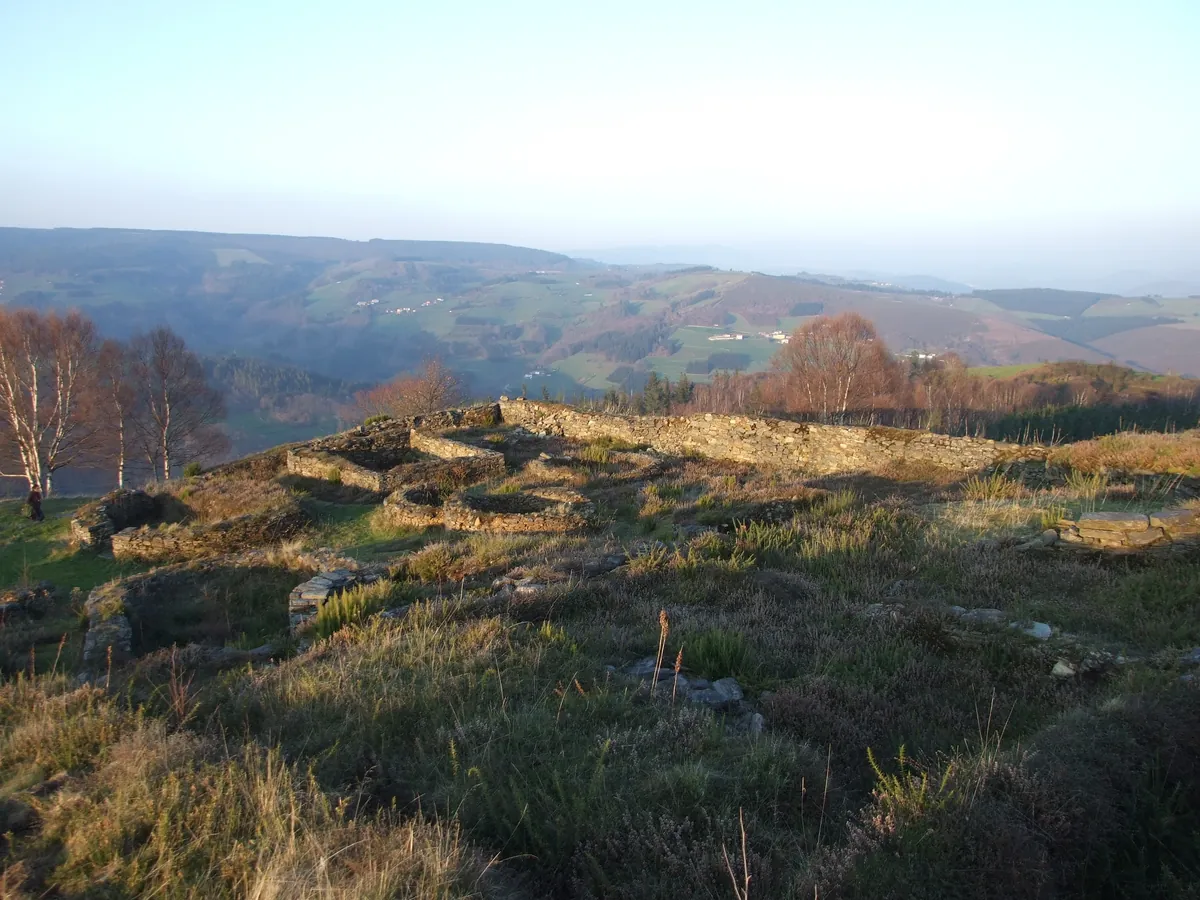
The name that comes up repeatedly is Muniellos. Entry is strictly controlled and must be arranged in advance because visitor numbers are limited. The reason becomes obvious once inside. It is considered one of the best preserved oak forests in Europe.
The trees are vast. Silence dominates. The sense is of a woodland that has been functioning on its own terms for centuries. Large wildlife is present, though sightings are more a matter of luck than persistence. The stronger impression is of stepping into someone else’s territory.
The main route through Muniellos is long and unhurried. It rewards steady pacing and preparation: water, food, and an acceptance that mobile coverage fades in many stretches. Even outside the reserve, the surrounding countryside is steep and heavily wooded. Paths can climb sharply over cobbles or earth. Sturdy footwear is sensible, and so is a flexible attitude to weather. Mountain conditions change quickly, and mist can roll across a valley with little warning.
This is a place where the forest still dictates the mood. Human presence feels negotiated rather than assumed.
Fire in summer, wine in autumn
Cangas does not keep the same tempo all year. In summer, the town’s major festival dedicated to La Magdalena transforms it. Streets fill, conversations grow louder, and one event in particular commands attention: the Gran Descarga.
This fireworks display reverberates across the entire valley. It is not subtle. The sound echoes against the mountains and rolls along the river. For those who happen to be nearby, it is impossible to ignore.
The contrast with an ordinary weekday in spring or autumn is striking. Outside festival periods, life moves at an unhurried pace. People stop to talk in the street. The market acts as a social anchor. Villages scattered across the municipality maintain a quiet routine that feels far removed from urban Spain.
Spring and autumn tend to suit the setting best. Forests shift colour, the air carries a cooler edge, and the vineyards demand attention. Summer brings energy and crowds around festival dates. Winter can be beautiful but access by road may feel slower in poor weather, with mountain driving that requires care.
A mountain table
Local food reflects the climate and terrain. Chosco appears in almost any conversation about Cangas. It is a substantial, smoked cured meat seasoned with paprika, sliced thick and built for mountain appetites. Bread is rarely far away.
Yet the pull of Cangas del Narcea goes beyond a single speciality. The deeper appeal lies in its rhythm. Time seems to stretch. Afternoons lengthen over views of the Narcea valley as light drains slowly from the hills. The surrounding villages retain a way of life that feels continuous rather than curated.
The urban centre itself is manageable in a couple of days. From there, it is easy to venture to the monastery of Corias and into smaller settlements across the municipality. Distances can be longer than they appear on a map, and public transport is limited. A car makes exploration simpler, especially for reaching forest areas or more remote corners.
Services are not designed around round-the-clock convenience. Planning ahead helps. So does packing for variable weather, even in midsummer. Cool evenings are common in the mountains.
Cangas del Narcea rarely features on quick itineraries through northern Spain. It demands a deliberate journey along winding roads and rewards those prepared for a slower pace. Vineyards where few expect them. Oak forests that pre-date modern tourism. Fireworks that shake a valley in high summer.
Leave with a better understanding of how diverse Asturias can be, and perhaps with a bottle from the Narcea valley tucked safely away for later.