Full Article
about Coaña
Living hillfort history
Hide article Read full article
At eight in the morning, when mist still tangles itself along the banks of the River Navia, Coaña wakes to the sound of cowbells and tractor tyres on damp tarmac. The air smells of wet grass. Up on the nearby brañas, cattle move slowly through pasture silvered with dew. From the hilltop castro, the stones hold a trace of yesterday’s warmth. Below, towards Ortiguera, the Cantabrian Sea strikes the cliffs with a dry crack that carries inland on the rising tide.
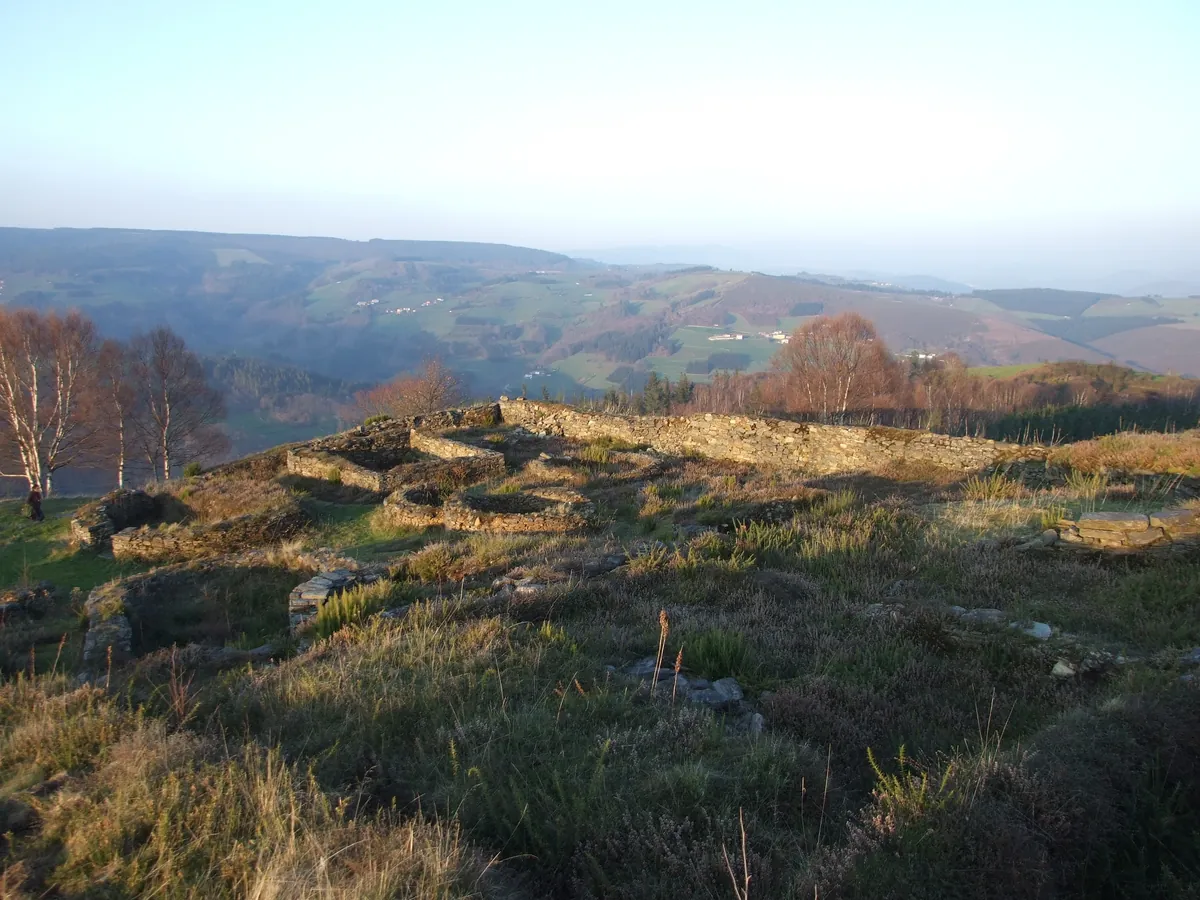
This is where most visits begin, high above the coastline, among ancient walls that look north to the water and south across the valley at the same time.
On the hill: an Iron Age settlement above two horizons
The castro of Coaña has been watching this landscape for centuries. Its defensive walls still trace the edge of the settlement, and inside them sit low, circular dwellings built from dark stone. Walking between the remains, the layout becomes clear: clusters of small houses, narrow passageways, the faint outline of hearths once set at the centre of daily life.
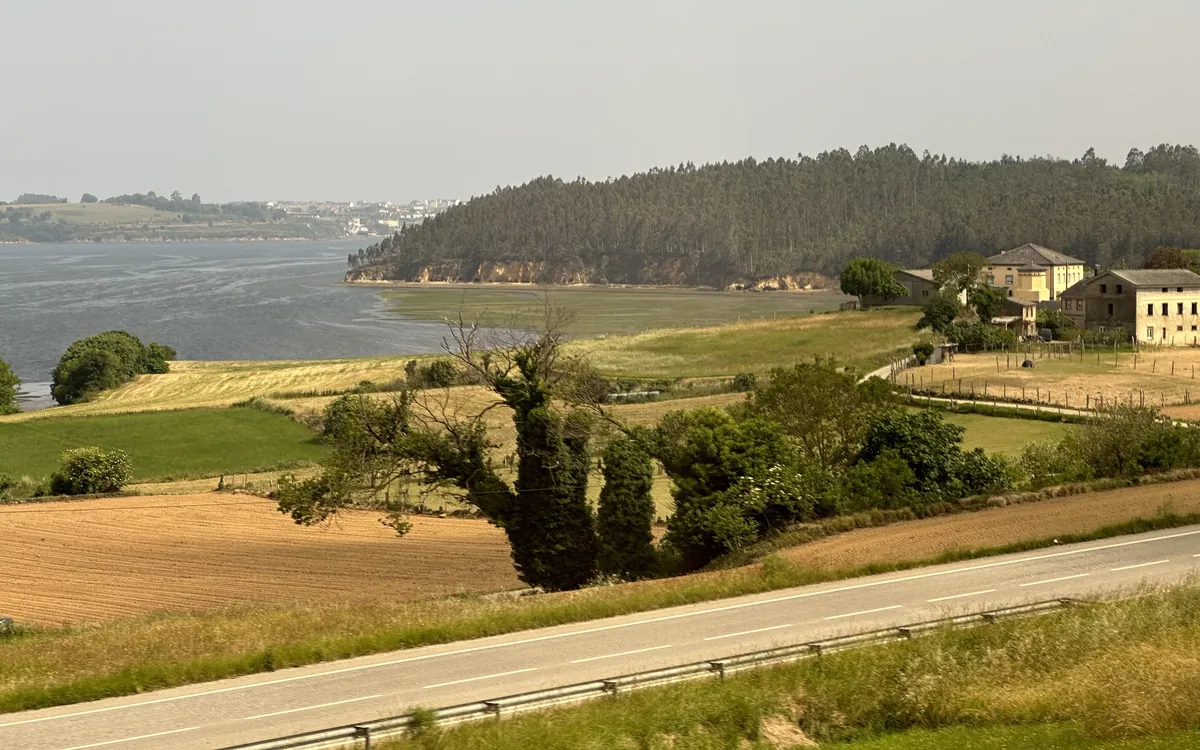
The setting does much of the talking. To the north, the sea often turns a deep green under closed skies. To the south, the Navia valley opens into rectangular meadows and scattered villages climbing the slopes. On a clear day, the contrast feels almost theatrical. Turn your head and the mood shifts.
The access path carries the scent of heather when the ground is wet. In winter it can turn muddy, so footwear with grip is sensible; the surface is stone and grass rather than smooth paving. September and October bring a low afternoon light that sharpens the relief of the walls and doorways. Those who linger towards dusk sometimes spot roe deer moving near the river below, though patience and binoculars help.
The final approach is uphill. It is easiest to leave the car at the upper area and complete the last stretch on foot, letting the view unfold gradually before entering the enclosure. Opening hours vary with the season, so checking ahead avoids disappointment.
Down to the harbour: Ortiguera and the edge of the Cantabrian
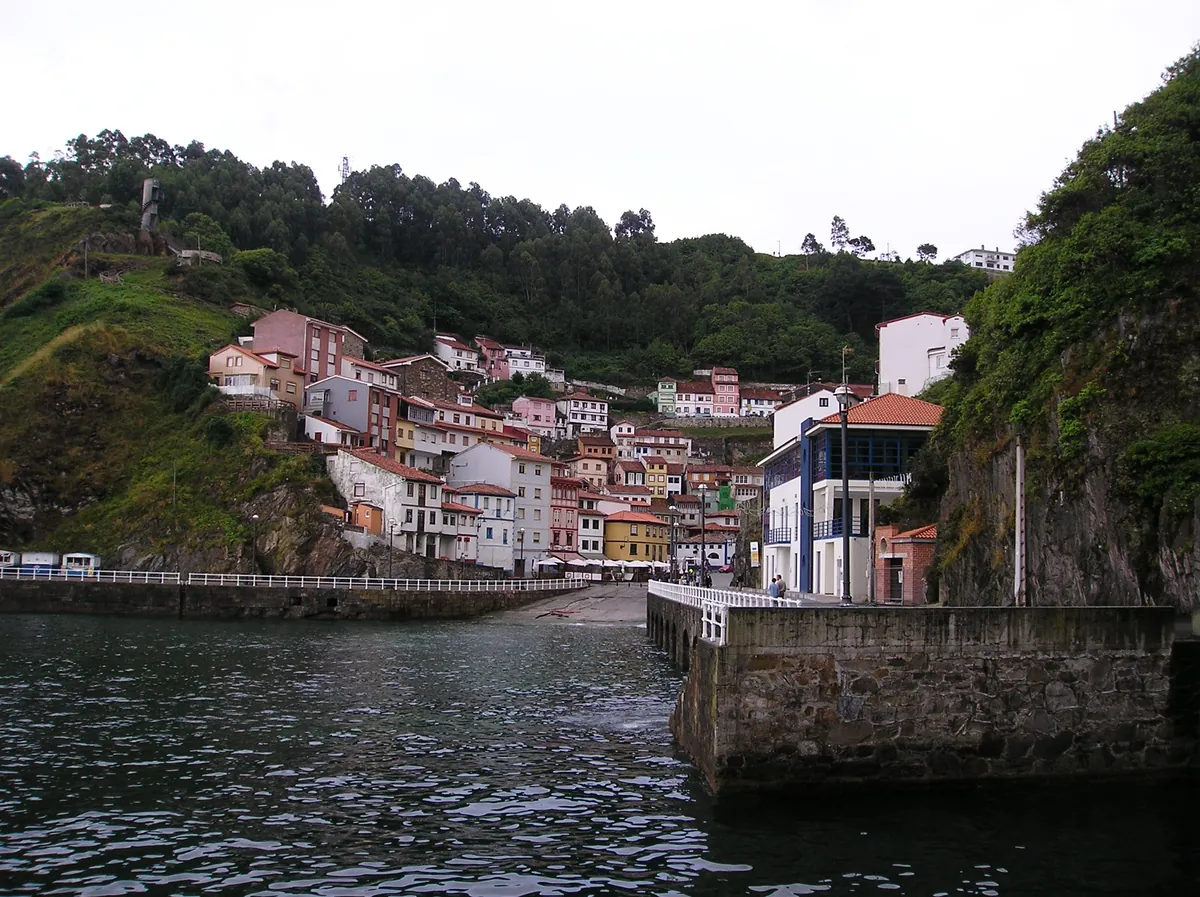
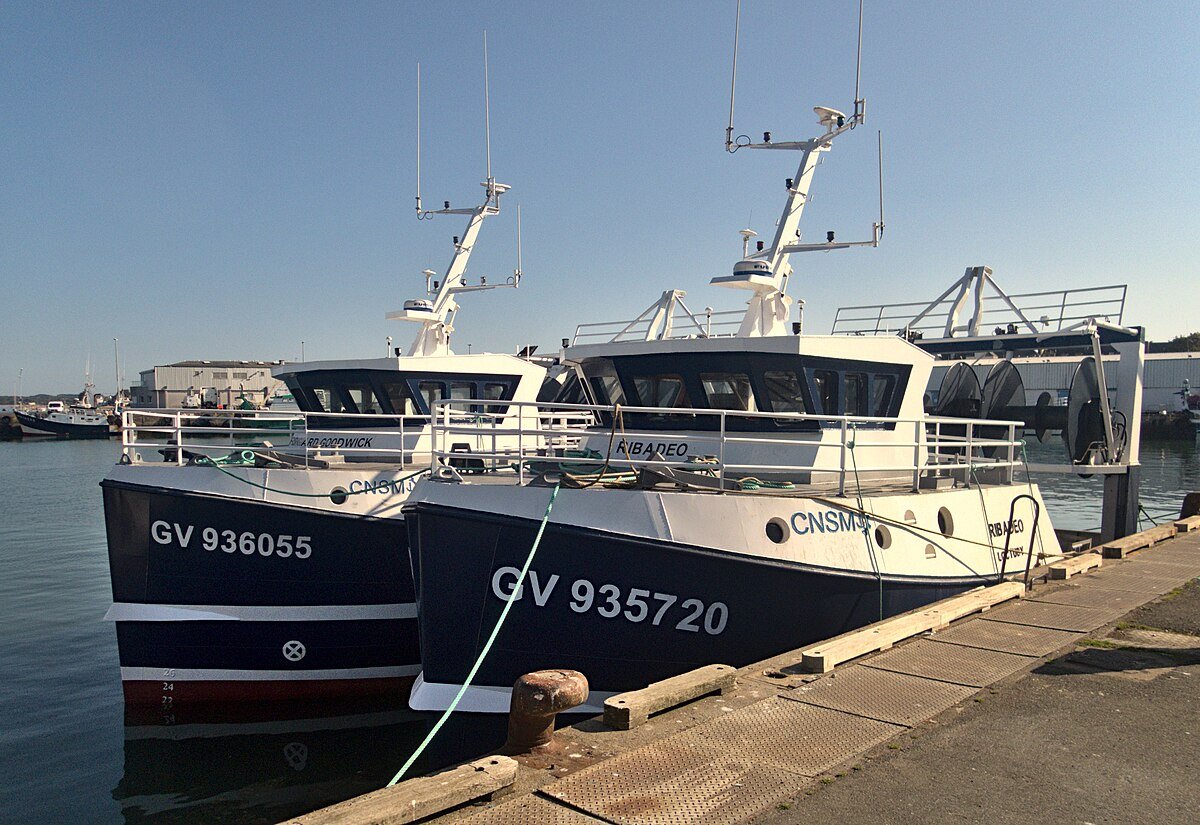
The road that drops to Ortiguera loses and regains the sea several times, slipping between bends and fields before the harbour appears suddenly at the bottom. It is small and contained. Nets lie stretched across the concrete, boats strain gently at their moorings, and timber creaks as the tide shifts.
Conversations along the quay often unfold in Eonavian, a blend of Galician and Asturian typical of this western fringe. The sound carries under arcades and across the moorings with an unhurried coastal rhythm. Even without understanding the words, the cadence signals a place that faces the Atlantic and keeps its own pace.
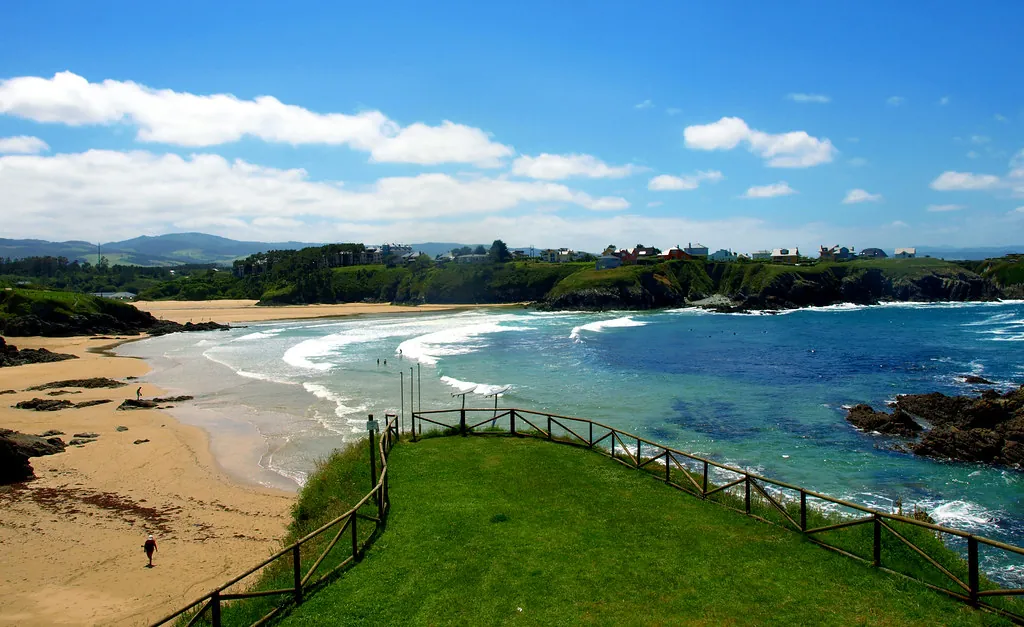
Weather shapes everything here. When conditions turn, which happens often along this strip of coast, rain blows in sideways and the harbour empties. The sea continues to hammer the cliffs of San Agustín, where rock drops straight into the water. On bright days the horizon stretches clean and wide. On grey ones, sea and sky blur until the boundary disappears.
August brings a noticeable change of tempo, especially in Ortiguera. Cars arrive from elsewhere, streets fill, and the harbour feels busier than usual as local festivals take place across the area. Outside those weeks, the rhythm is quieter. Expect a lived-in village rather than a resort. Evening life is limited and many places close in the afternoon, so planning meals with that in mind makes sense.
Along the Navia: leaf-soft paths and shifting water
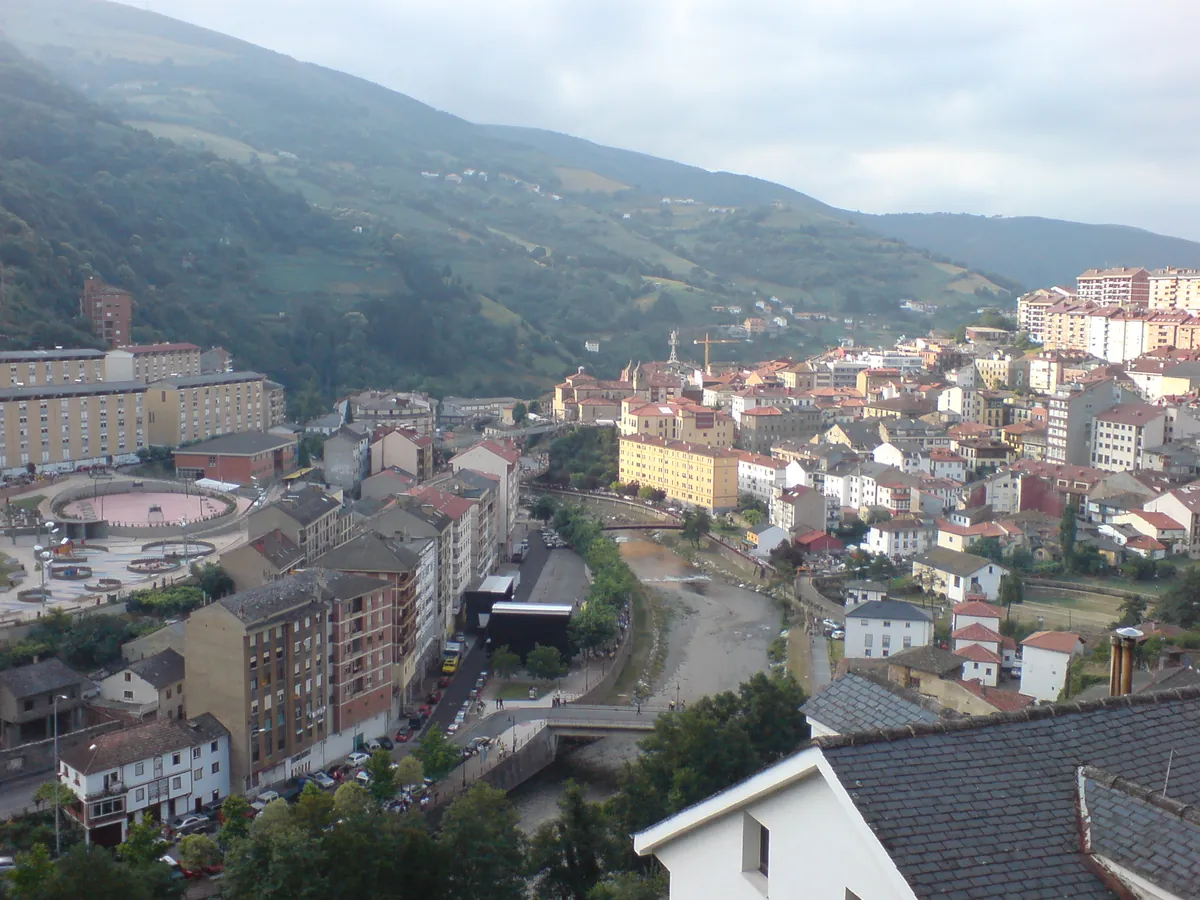
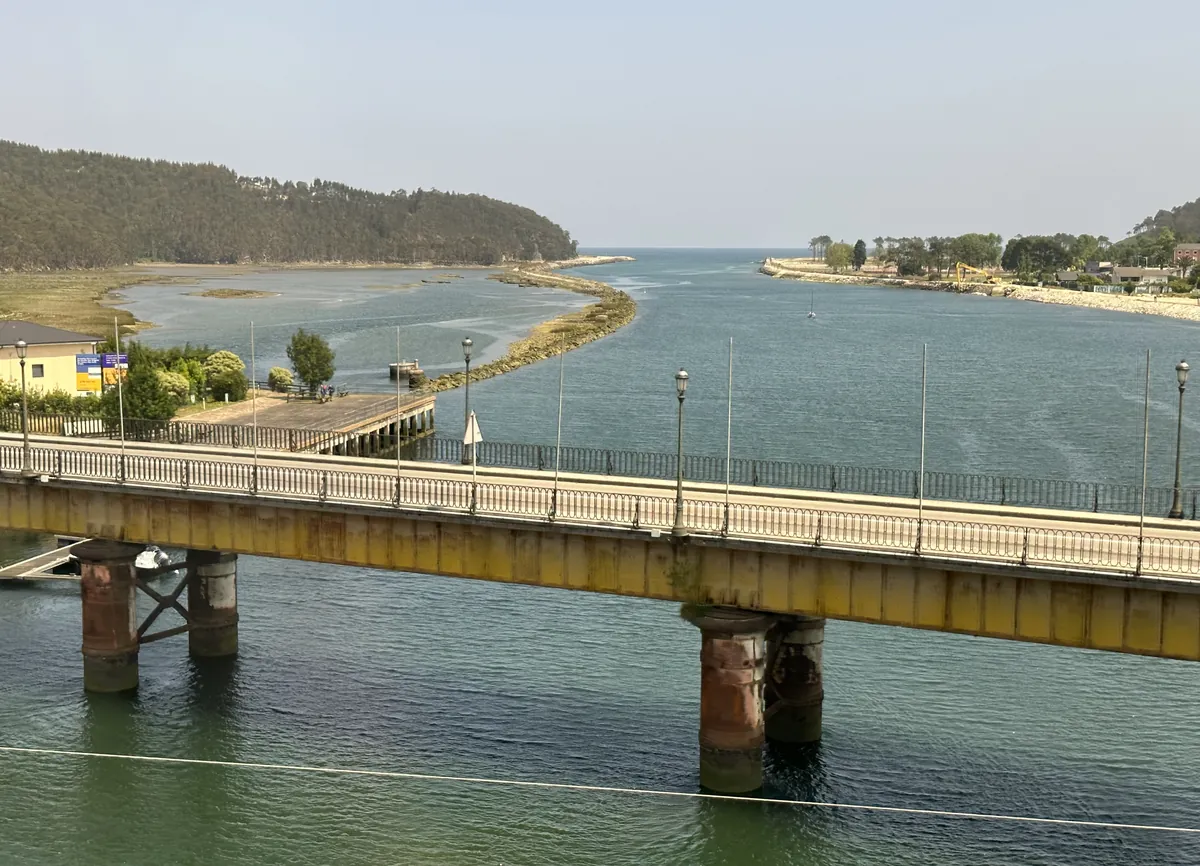
The River Navia defines much of Coaña’s landscape. Near the bridge at El Espín, several riverside paths begin, threading forward between chestnut and alder trees. In autumn, fallen leaves soften the ground underfoot and the scent of damp earth rises with each step.
In places the river has eaten into its banks, narrowing the passage. The walking is not difficult, but care helps when the terrain is wet. The water changes character from bend to bend: dark and slow in some stretches, quicker where large stones break the current midstream. The sound is constant, a low movement rather than a roar.
Higher up, Pico de Jarrio dominates the valley. The climb is not especially long, though the gradient makes itself known in the legs. From the top, enclosed meadows divided by hedges spread out below, houses sit dispersed across the slopes, and the sea appears in the distance when the sky clears. Wind often sweeps this exposed ground and there are few water sources, so carrying supplies is wise.
Spring paints the fields a bright green and tractors move steadily along agricultural tracks. Autumn carries the smell of apples and fermenting must from houses across the municipality as cider season arrives. Local fairs held when colder weather sets in draw small stalls into the square. People gather in clusters, cheeses are sampled, and cider is poured from height so it strikes the glass with a sharp note and leaves a brief foam.
Practicalities and pace
Coaña sits in coastal Asturias and is best reached by car. Public transport is limited, and most visitors arrive for a few hours rather than an extended stay. The terrain is hilly in places, with uneven stone and grass underfoot at the castro and narrower stretches along the river. A light rain shell is rarely wasted in this Atlantic climate; mist and sudden showers can appear even in summer.
English is not widely spoken away from the main viewpoint, so a few Spanish phrases smooth the way. Outside August and festival periods, the atmosphere is steady and rural. Expect tractors, grazing cattle, and stretches of silence broken by wind or the clink of rigging in the harbour.
Coaña’s appeal lies in its vantage points. Few places allow such an immediate sense of standing between two worlds: sea in one direction, valley in the other, both within the same sweep of vision. The stones on the hill remain where they have long stood, absorbing sun when it comes and weathering the frequent rain. Below them, life continues at ground level, measured by tides, seasons, and the slow turn of agricultural work.