Full Article
about Degaña
Untamed nature in the southwest
Hide article Read full article
A corner that sets its own rhythm
There are places that quietly force you to slow down, whether you intend to or not. Degaña does exactly that. The approach already hints at it: a mountain road, a run of bends, dense woodland on either side, and then a village that seems to follow its own timetable. Tourism here revolves around that feeling. This is a small municipality in the far south-west of Asturias where the aim is not to tick off sights, but to understand how daily life works.
Fewer than a thousand people live across the whole concejo, the local administrative area. Life stays closely tied to the land. You see it in the well-kept meadows, in sheds full of tools, and in tractors that appear on the road without warning. Degaña does not try to attract attention. It simply exists on its own terms.
Cerredo, where most journeys begin
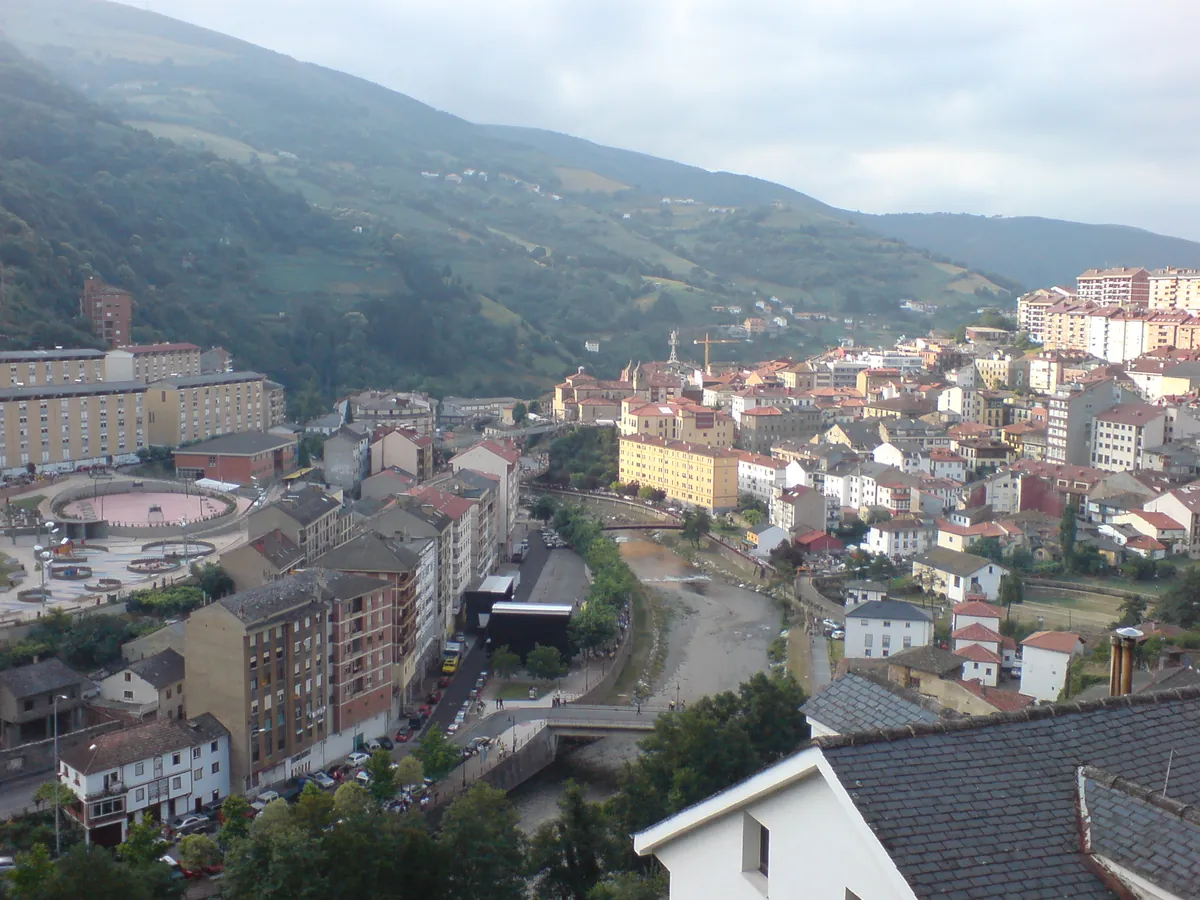
Most visitors pass through Cerredo, which acts as the centre of the concejo. It is not large. A handful of streets, houses with thick walls, and plenty of slate roofing define the place. Here, slate is not about style but survival against the winter.
The parish church is usually dated to the 17th century. It is not monumental, yet it sits naturally within its surroundings. From certain points in the village, the valley opens out, and the layout of life here becomes clear: homes gathered together, mountains all around, and little room for error when the cold sets in.
A walk through Cerredo does not take long. In half an hour, a clear sense of the place emerges. That is not a drawback. It is simply the natural scale of a mountain village.
Tablado and Beginés, villages that keep their own pace
A short journey within the concejo leads to smaller settlements such as Tablado and Beginés. These are places where a quiet stroll reveals more than any detailed explanation.
Details matter. Wooden galleries, low gates, and stone-paved courtyards all have a practical purpose. They protect against the weather, provide storage, and make use of every available metre. The architecture is not designed to impress. It is built to last.
For much of the year, the atmosphere remains very calm. At times the village can feel almost empty, but that impression shifts quickly when you encounter a neighbour. Life continues here, just without noise or display.
Walking through the natural surroundings
Part of the concejo lies within the Parque Natural de Fuentes del Narcea, Degaña e Ibias. This protected area brings extensive woodland, long stretches of quiet, and paths that are not always signposted in the way more visited places might be.
Forest tracks and trails climb the hillsides. Many of them have been used for years by shepherds and farmers. Prepared viewpoints or frequent signage are not the focus. Walking here is about moving slowly and paying attention to what surrounds you.
The forest feels dense. Birch, oak, and beech appear in different areas. Sounds often stand out more than sights. Birds call from the trees, a roe deer may move through the branches, and water runs through streams that barely show up on maps.
Food shaped by the cold
Time outdoors in this landscape tends to lead naturally towards food that warms properly. In many homes across the concejo, dishes such as pote asturiano remain common. This traditional stew combines greens, usually berza, with beans and other ingredients suited to colder conditions.
Game meat appears when the season allows, and trout from nearby rivers is also part of the local diet. Autumn brings chestnuts to the table. Ask about mushrooms and it becomes clear that local knowledge runs deep. People know exactly where to find them, even if they do not always share those locations.
When to go and how to get around
Autumn works particularly well in this part of western Asturias. The forest changes colour, and there is more activity in the hills as people head out to gather mushrooms or check on their land.
Summer is also an easy season to spend time here. The heat rarely reaches the intensity found on the coast or across the central plateau of Spain. Even so, evenings cool down quickly, so an extra layer comes in handy.
Reaching Degaña involves mountain roads. The route from the area of Cangas del Narcea follows the AS-15 before continuing along quieter stretches with plenty of bends. Nothing unusual, but a calm approach and a bit of extra time make the journey more comfortable.
The best way to approach Degaña is to keep plans simple. Spend some time in Cerredo, wander through nearby villages, and, if walking appeals, head into the hills for a while. That is enough to begin understanding how this part of Asturias works, at its own steady pace.