Full Article
about El Franco
Birthplace of Corín Tellado and sea
Hide article Read full article
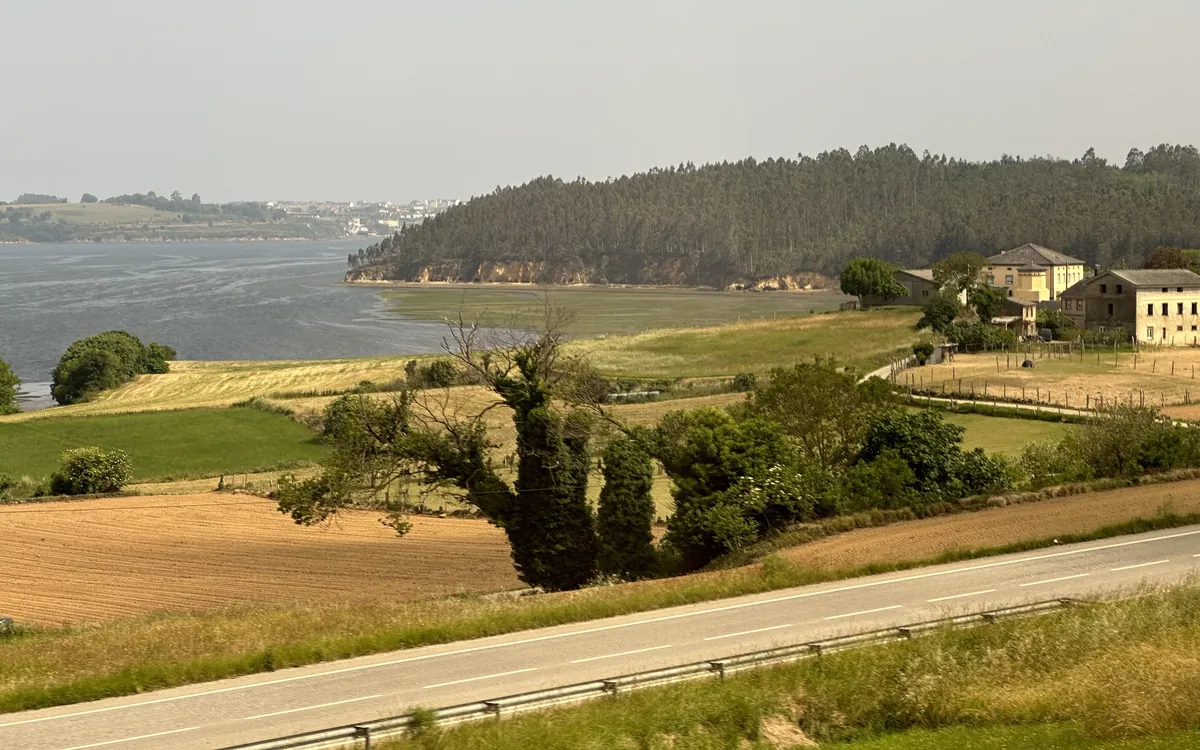
El Franco is the kind of place you drive through on the A-8 and might miss if you blink. It’s not a postcard village; it’s a whole municipality scattered between hills and coastline, with its administrative heart in A Caridá. That’s basically a roundabout, a town hall, a school, and the normal stuff of life. No fanfare.
Forget a single centre. Life here is spread across parishes, linked by lanes where you’ll see more tractors than tour buses. The constant is the Atlantic. It dictates everything.
A working coastline, with a beach on the side
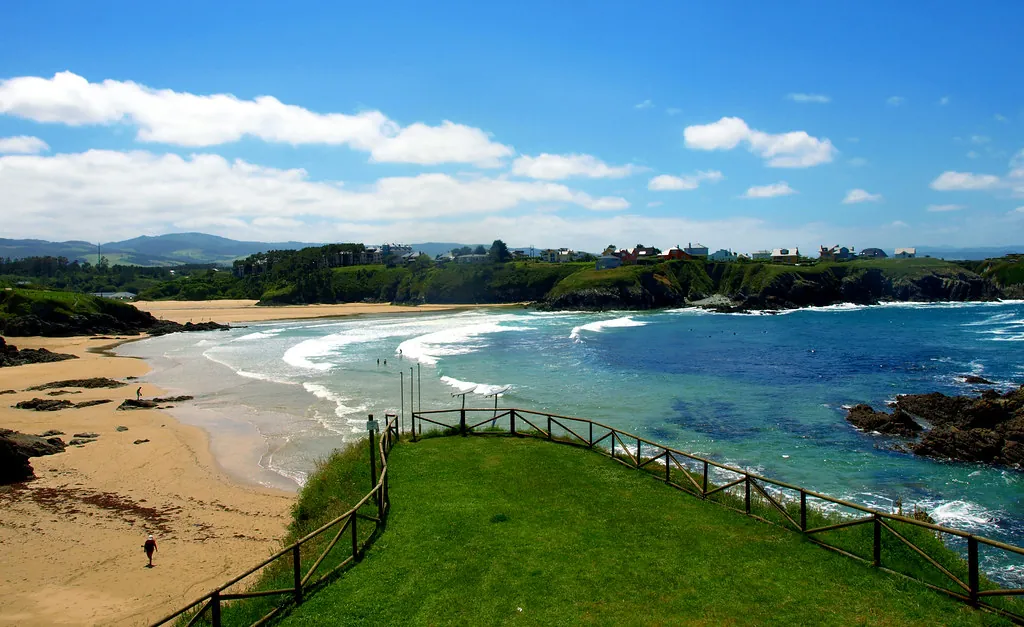
Most people end up at Porcía beach. It’s the main access point. Outside of August, you can usually park without that familiar Spanish beach-circle of frustration. You get out, walk two minutes, and you’re on sand. No lounger empires, just open space.
Walk east from there towards Castello and the scene shifts. The path isn't some engineered promenade. It’s a clifftop trail where the grass is long and the drop to the sea is right there. The wind gets serious. Wear proper shoes—the ground doesn’t care about your holiday espadrilles.
Low tide at Porcía reveals what this coast is really about: rock pools and people working them. Guys in wetsuits with rakes aren’t there for your Instagram; they’re gathering oricios or shellfish. This stretch of water is a larder first, a playground second.
Even in summer, the noise fades fast once you're away from the N-634 road. You hear cows before you hear people. It feels agricultural, not resort-like.
Viavélez: where the harbour wall is the social network
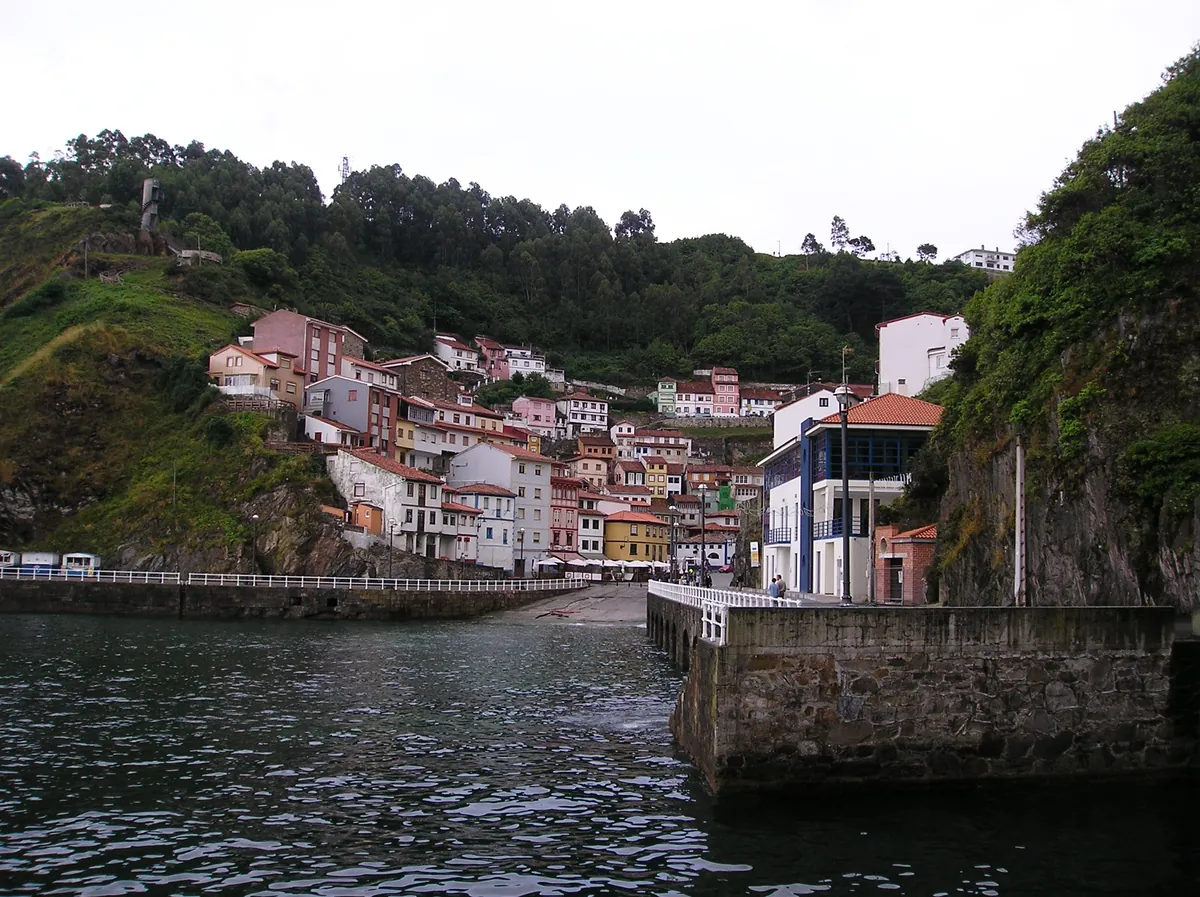
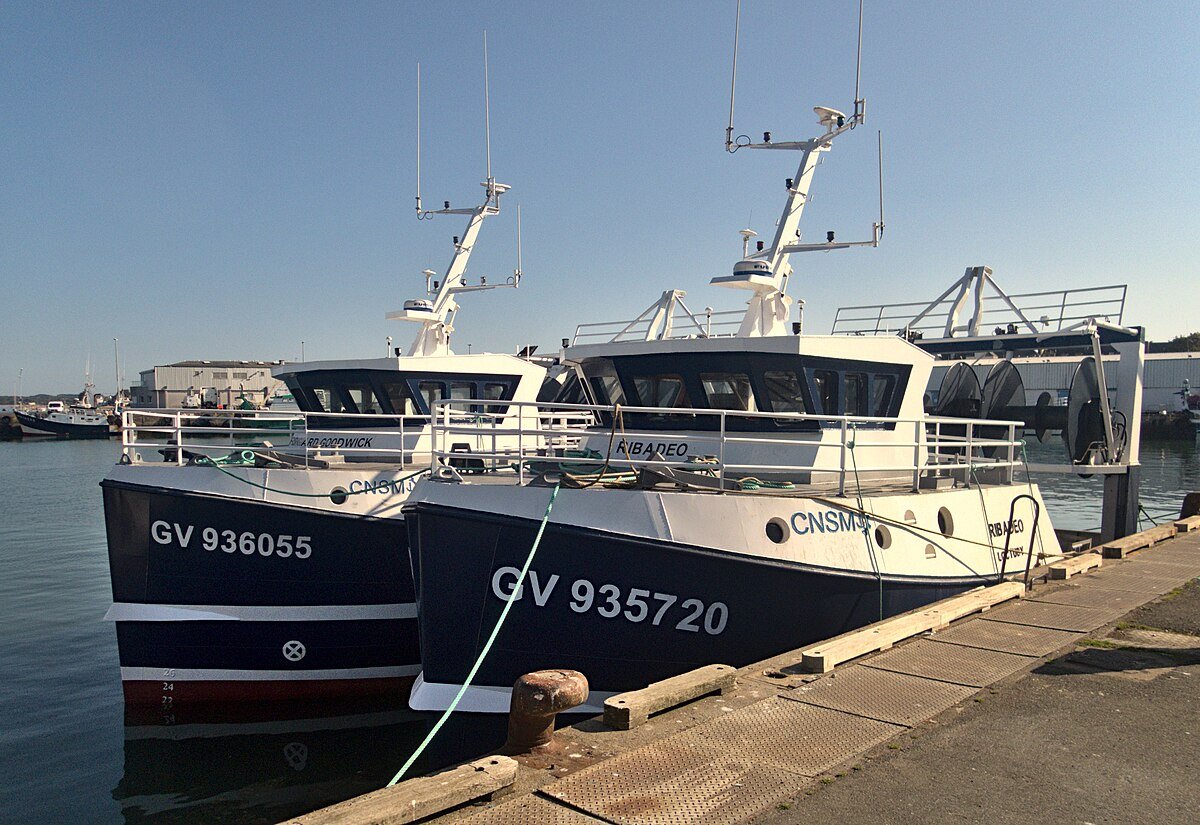
You almost overshoot Viavélez from the road. A turn dips down past houses clinging to a slope and suddenly opens up to a harbour held together by two stone arms. Fishing boats bob, gulls argue over scraps, and the air smells of diesel and salt.
Nothing here feels staged. Nets are mended on the concrete. Conversations are short shouts between tasks. It’s functional and completely unpretentious.
They say the novelist Corín Tellado summered here for years. But don’t expect a museum or plaques; the place never bothered to cash in on that. It stayed a working port.
Except for one day in July during the Virgen del Carmen festival. Then the quay fills with people, a band plays slightly off-key, and they carry the Virgin around the water's edge. For a few hours, it feels like everyone who lives here is in one place.
Inland: pazos that aren't trying to impress
Head away from the sea and you'll find old manor houses—pazos—stuck between fields like afterthoughts of history. They aren't signposted well or set up for tours.
The Pazo de Fonfría has a tower and coats of arms on its wall. Next to it, an iron-rich spring feeds a fountain where locals fill bottles for that metallic-tasting water. You just walk up to it.
The Pazo de Miudes is older still, sitting near where coastal Camino pilgrims walk past. Most don't even glance at it. History here blends into the scenery without needing your attention.
Driving between them means narrow lanes where you yield to cows and hope you don't meet a tractor coming the other way. This isn't curated countryside; it's just someone's farm.
Getting around: some honest logistics
You need a car here. Full stop. The A-8 from Oviedo takes about an hour. Once you exit, roads get tight and hilly. Lanes down to coves are steep. Mobile signal vanishes in patches along the coast—download your maps first. Weather does what it wants. A rain jacket in the boot isn't optional advice; it's common sense. Shops and bars keep village hours. If you come on a Monday or out of season, plan on cooking at your rental or eating early. Spring or autumn are smarter choices. The light is sharper then, and you can have Porcía's sand mostly to yourself.
The takeaway from El Franco
Don't come with a checklist. Come for an afternoon walking cliffs above Porcía. Come to watch boats unload in Viavélez at dusk. Drive inland until you find a pazo beside a field and realize no one's charging entry. Then leave. It doesn't ask for more time than that, and that's its strength. El Franco just continues, somewhere between meadow and sea, doing its own thing while everyone else races past on the highway