Full Article
about Illano
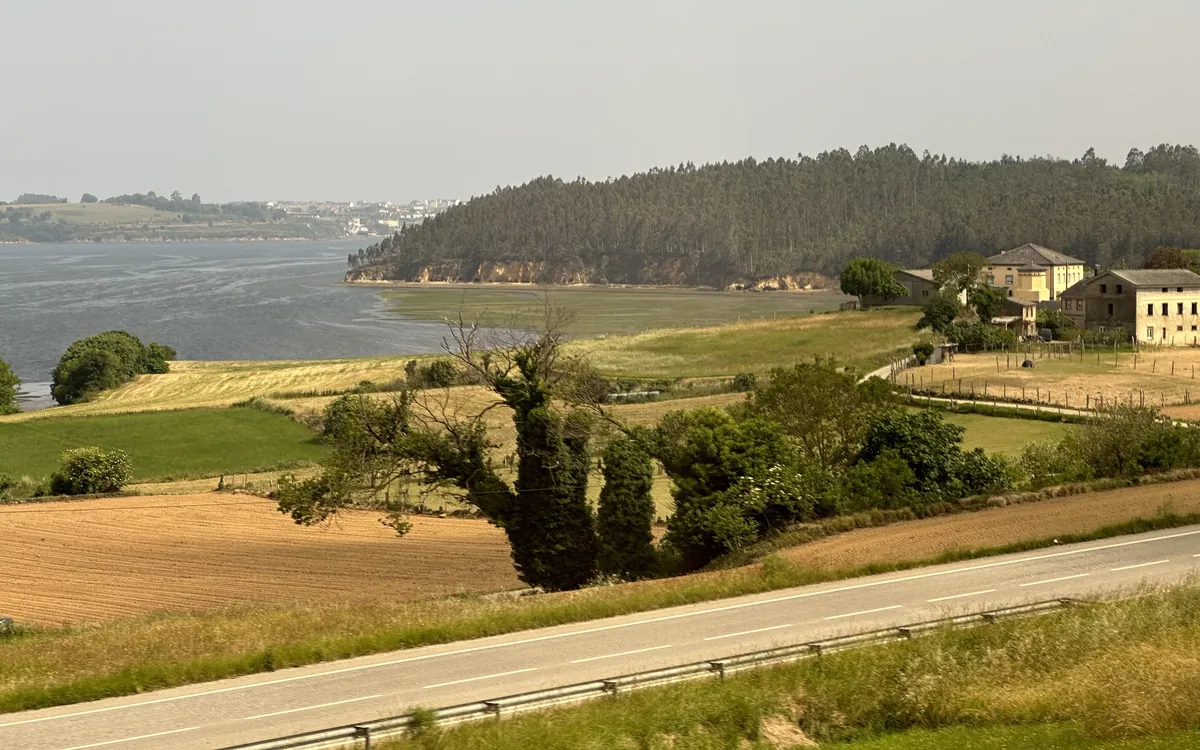
Viewpoint over the Navia
Hide article Read full article
Illano: A Geography of Scattered Hamlets
Illano sits in the western interior of Asturias, where the region folds into the mountains that border Galicia. The council area holds around three hundred people. They live dispersed across a dozen small hamlets, not gathered in a single town. The landscape dictates this. Narrow valleys and steep slopes leave little flat ground for a central plaza. Roads curve and climb to connect the scattered homes, so travel always takes longer than the map suggests.
You will not find monumental architecture here. The value lies in the settlement pattern itself—how generations adapted to the terrain without conquering it. Meadows cut into woodland. Stone walls trace property lines. Houses stand apart, separated by fields and vegetable gardens. The scale is human and agricultural.
This is not a destination for sightseeing. It is a place for observing a particular way of life, etched into the hills.
Parish, Valley, and Settlement Pattern
San Martín de Illano functions as the administrative parish. The church of Santa María stands there, a sober building with medieval origins modified over centuries. Its interior holds a modest Baroque altarpiece. The structure matters less than its placement. From its grounds, you see the church integrated into the valley, surrounded by houses and fields. It was part of the daily geography, not separate from it.
Small chapels appear in other hamlets. They do not form a planned route. Their locations speak to older parish divisions and the practical need for places of worship within walking distance of isolated homes.
A walk through San Martín or Robledo shows the logic. Houses align loosely, not in formal streets. Between them lie woodpiles, tool sheds, and patches of garden. Many homes feature south-facing wooden galleries, designed to capture light and dry harvests. The layout feels organic because it grew from necessity, not design.
The raised granaries, hórreos and paneras, stand near the houses. Some show recent repair; others bear the patina of continuous use. They are functional storage, not folkloric decoration.
Roads and Paths as Practical Features
The land alternates between deciduous woods—oak and chestnut—and open pasture. Streams cut through the valleys, and after rain their sound fills the air. Old paths, some now paved and others still dirt, connect the hamlets. These tracks get slippery in wet weather. They are used by tractors and for moving livestock, so mud is a common feature.
From higher points, views extend across the rumpled terrain of western Asturias. The perspective shifts with the weather. Clear days reveal layers of green ridges. Mist, which arrives frequently, can obscure landmarks and shorten sightlines to a few hundred metres. This changeable climate affects travel.
The roads are narrow, winding, and steep in sections. Signage is minimal. A car is necessary, as public transport is scarce and does not serve all hamlets. Even with a car, movement is slow. Satellite navigation often misinterprets the rural lanes.
The Texture of Daily Life
The most telling details here are incidental: laundry on a line between barns, the scent of cut grass, a farmer repairing a stone wall. Nothing is arranged for an outsider’s benefit.
Many houses retain those south-facing wooden galleries, a vernacular architecture element tied to agrarian life. Stone doorframes and low boundary walls add to the texture. The general quiet is not emptiness but the rhythm of work tied to seasons, not to opening hours. Visitors are acknowledged with a nod or a brief greeting, but not fussed over. Basic Spanish is useful; English is seldom spoken.
Mobile phone signals fade in the lower valleys. Temperatures drop quickly in the evening, and dampness rises from the ground after sunset. A waterproof layer is advisable in any season outside high summer.
Festivals and Seasonal Markers
Community events cluster in the warmer months, when families return. Patron saint festivals are local gatherings, organised by and for residents, though outsiders may watch. The atmosphere is informal.
In November, the feast of San Martín traditionally coincided with the matanza, the annual pig slaughter. This is now a private household event, but it remains a cultural reference point.
Small romerías are sometimes held at country chapels. They are simple affairs, often taking place in a nearby meadow.
A Realistic Approach for Visitors
Treat Illano as a slow observation, not an itinerary. Start in San Martín de Illano. The church of Santa María provides a focal point. Notice the houses with their wooden galleries and the granaries nearby. Then follow one of the dirt tracks that leads out between pastures and chestnut groves. A short walk reveals how the territory is organised. If a path becomes overgrown or confusing, simply turn back.
Services are limited. Shops have limited hours. You will find fuel and cash machines in larger towns in neighbouring councils, not in Illano itself. Plan accordingly.
When you park, ensure you do not block gateways or farm tracks.
Illano has no famous attractions. It presents a working Asturian landscape where human settlement still follows the old contours of land and weather. You come to see that, or you have little reason to come at all.