Full Article
about Muros de Nalón
Balcony to the Cantabrian Sea
Ocultar artículo Leer artículo completo
The FEVE train crawls into San Esteban de Pravia station at 3 km distance from Muros de Nalón, and that's your first lesson about this corner of Asturias—nothing quite arrives where you expect it to. From the platform, the Atlantic glints through eucalyptus trees, and white houses cascade down hillsides that smell of salt and damp earth. It's the kind of arrival that makes you realise you've left the package-holiday Spain far behind.
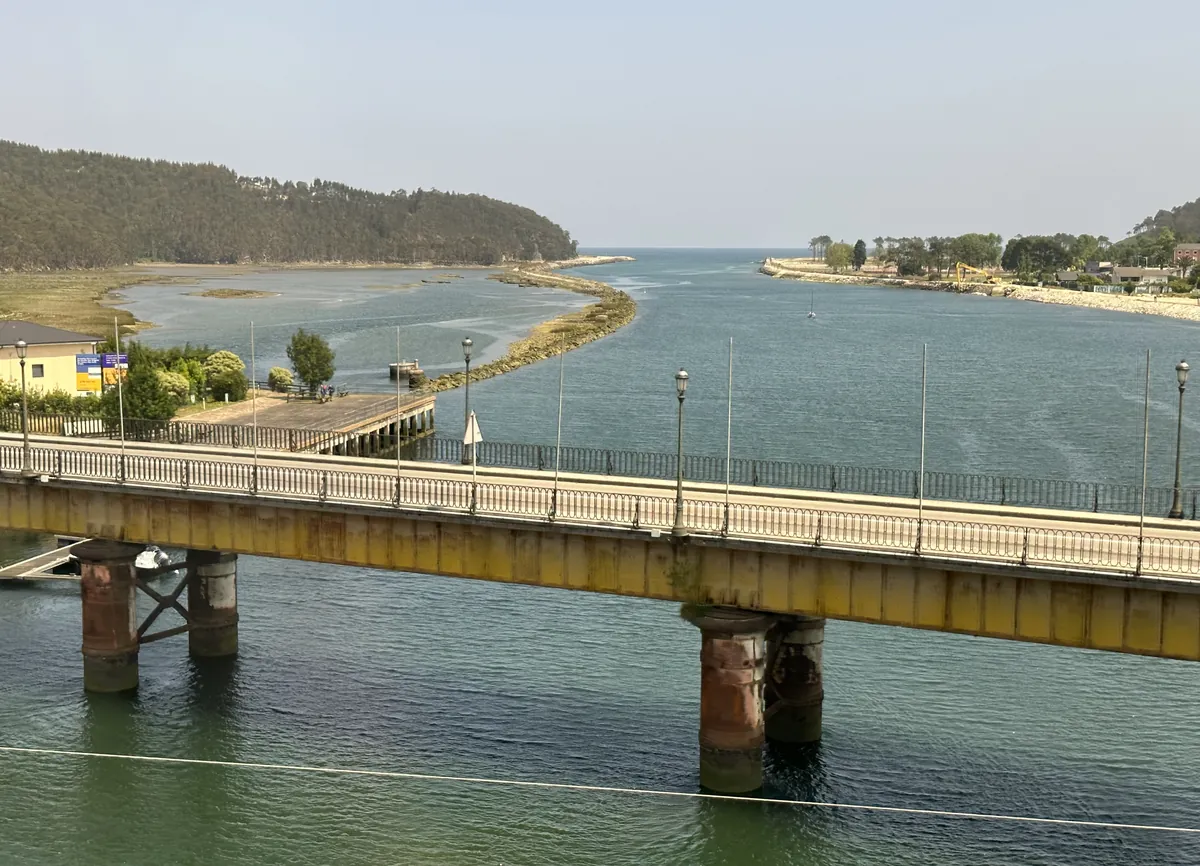
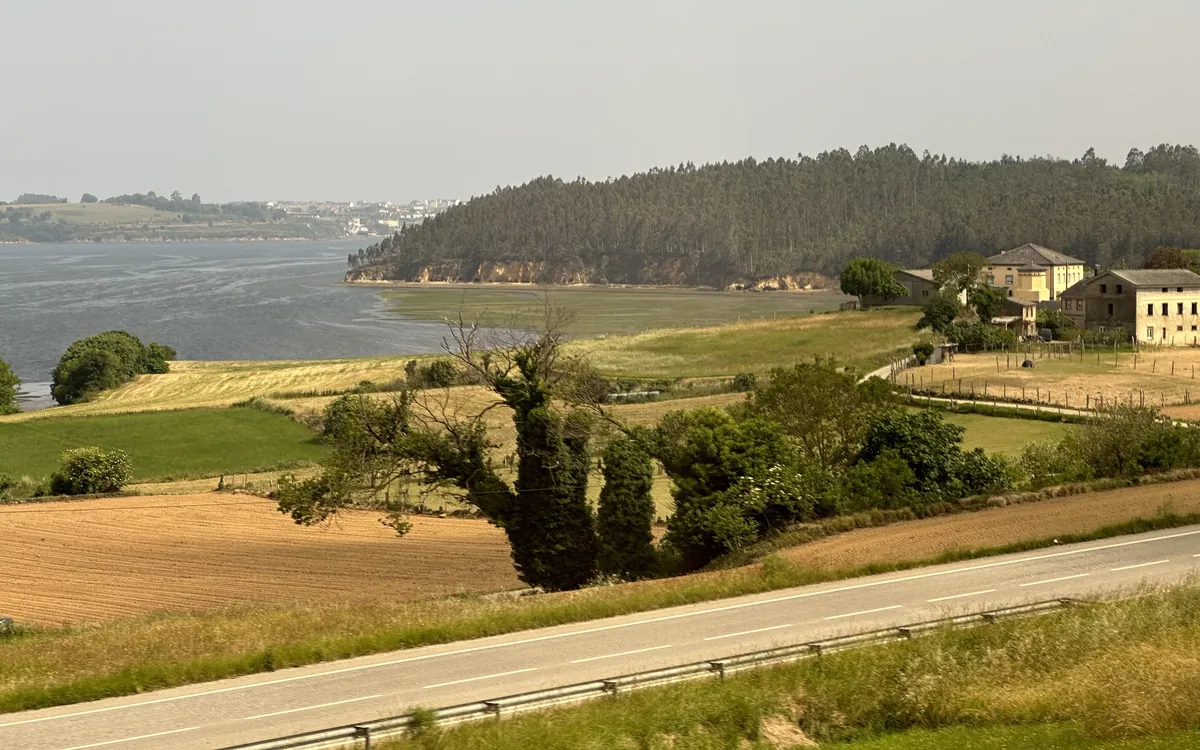
Muros sits where the Nalón River, Asturias's longest, unravels into the Cantabrian Sea. This geographical fact shapes everything: the daily rhythm of fishing boats, the salt-laden wind that sculpts the vegetation, the very reason the village exists at all. With barely 1,800 residents, it's hardly metropolitan, yet its position on the Camino del Norte gives it a transient energy that belies its size.
The Sea Wall Legacy
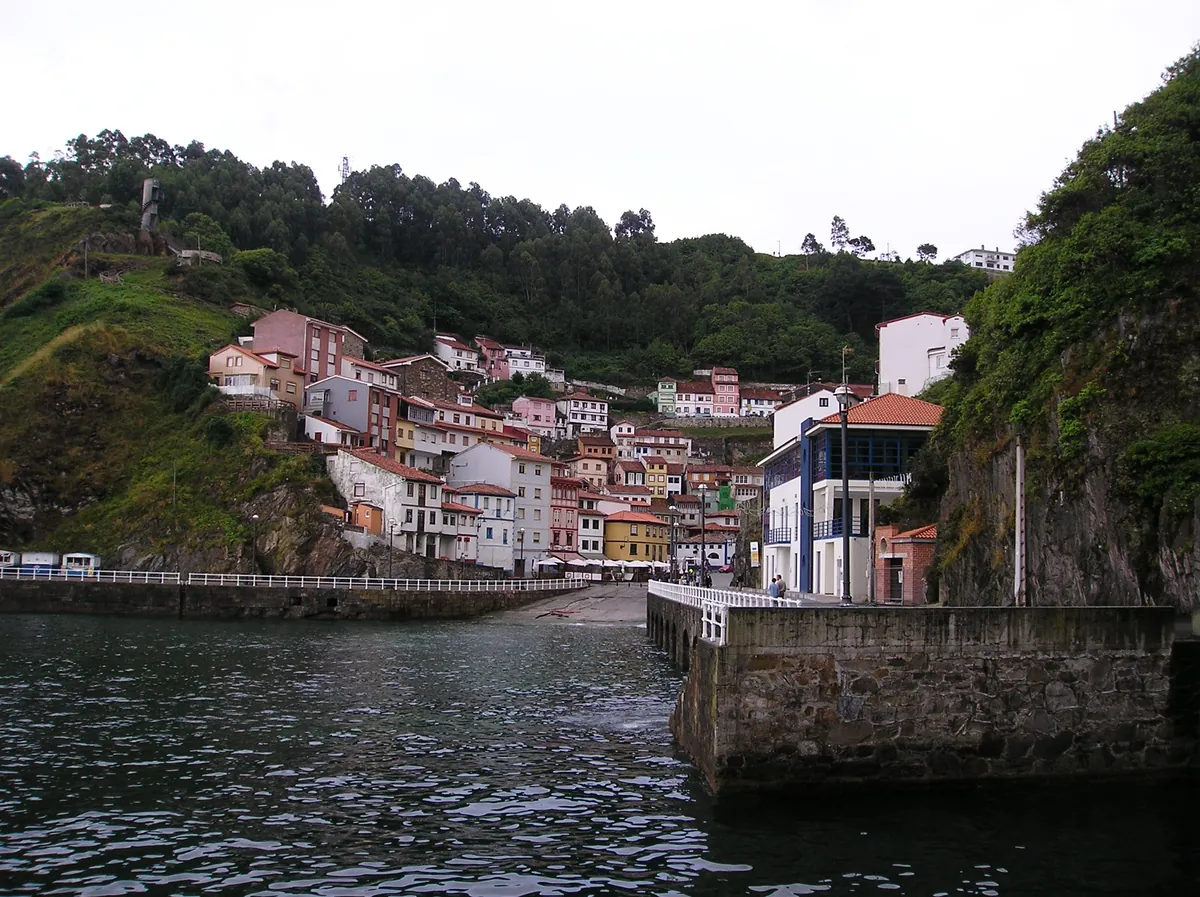
The village's name—literally 'walls'—hints at its defensive past. These weren't medieval battlements but sea walls, built to protect against the Atlantic's winter fury. Today's promenade follows their original line, though now the only defence required is against the occasional wave that breaches during equinox tides. Morning coffee at Café Dindurra offers front-row seats to this maritime theatre, where locals discuss the day's catch with the same intensity Brits reserve for football scores.
The fishing heritage runs deeper than the pretty painted boats suggest. Muros maintains one of Asturias's last traditional boat-building yards, where brothers José and Manolo still craft wooden dornas using methods their grandfather taught them. They're happy to show visitors around, though they'll carry on working while talking, planes and chisels moving in practiced rhythm. It's living heritage, not performance.
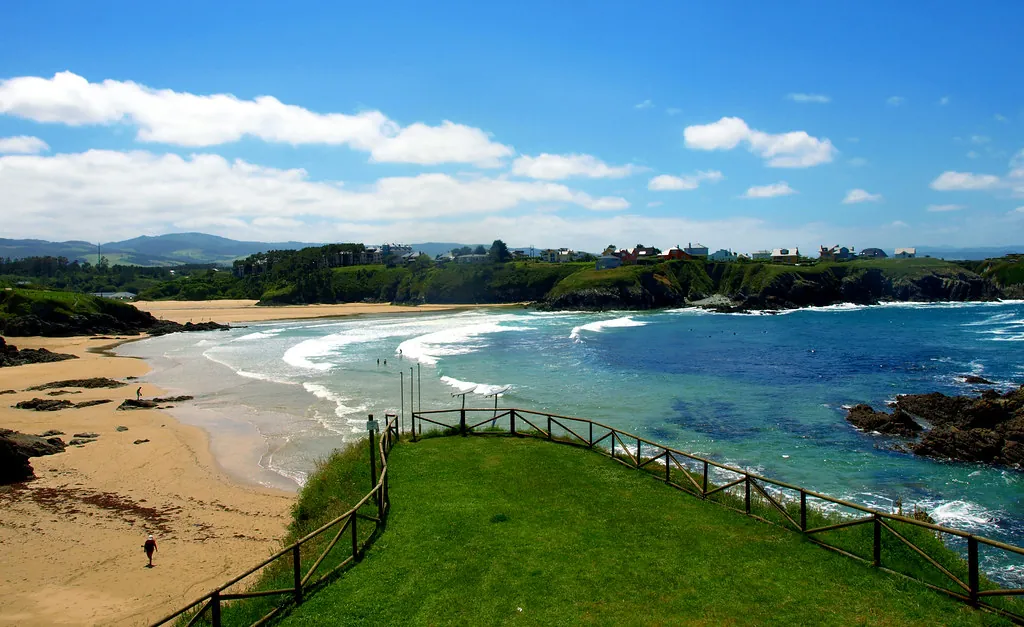
Beach choices reflect this working coast ethos. Aguilar, the main strand, earns its Blue Flag through genuine cleanliness rather than imported sand or concrete piers. Even in August, you'll find space to lay your towel without playing sardines—a revelation for anyone who's experienced Cornwall's summer crush. The water temperature hovers around 19°C in peak season, positively balmy for the Cantabrian coast, though still requiring a moment's courage for that first plunge.
Beyond the Promenade
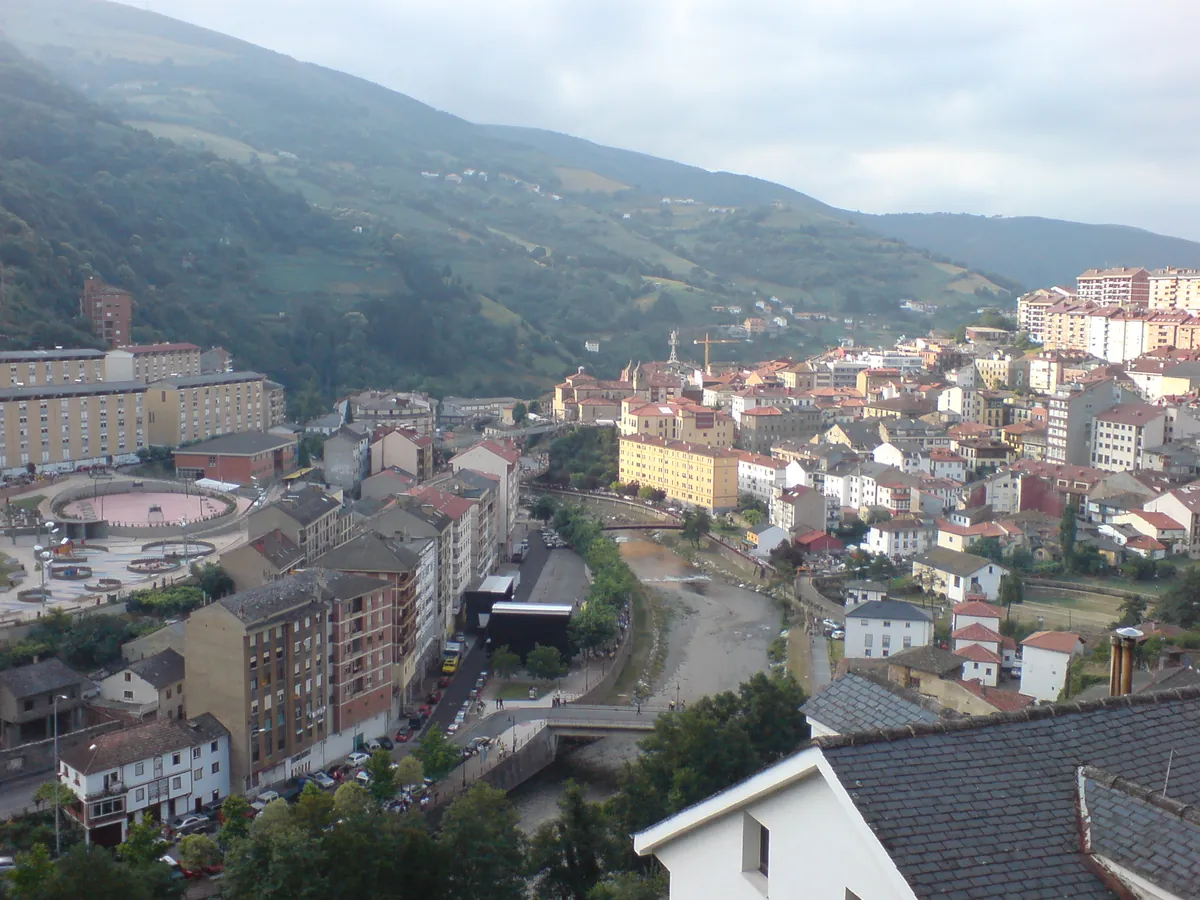
Venture uphill from the harbour and Muros reveals its other identity. Indiano mansions—built by locals who made fortunes in Cuba and returned with Caribbean dreams—line streets that climb steeply away from the sea. Palms grow improbably beside chestnut trees, while ornate balconies painted in sun-bleached pastels overlook gardens where hydrangeas bloom with almost aggressive enthusiasm. The Palacio de Valdecarzana epitomises this architectural culture-clash, its stone facade softened by tropical plantings that shouldn't survive this far north yet somehow thrive in the Gulf Stream's embrace.
The church of Santa María stands as counterpoint to these colonial fantasies. Romanesque origins show in its sturdy tower, though subsequent additions reflect centuries of maritime prosperity. Inside, the smell of beeswax and old wood provides sensory respite from the salt air outside. Sunday mass at 11:30 remains genuinely social rather than tourist spectacle—observe from the back, but don't treat it as entertainment.
Walking tracks spider out from the village, following ancient paths that linked hill farms to the harbour. The coastal route to San Esteban de Pravia offers two hours of gentle exercise with maximum scenic return, passing through pine plantations where Corsican pines grow at forty-five-degree angles, permanently shaped by prevailing winds. Spring brings wild garlic and early orchids; autumn offers chestnut foraging if you know where to look (locals will point out the best trees if you ask in the butcher's shop).
Practical Realities
Let's be honest about practicalities. Muros won't suit everyone. Nightlife means choosing between two bars, both closing before midnight. Shopping is limited to basics—anything more elaborate requires a trip to Pravia, 15 minutes away by car. The single ATM occasionally runs out of cash on summer weekends, so draw money in Avilés if you're arriving that way.
Weather demands respect. July averages 18°C, yes, but that's an average. Four seasons in one day isn't meteorological hyperbole here—pack layers regardless of forecast. The rain that keeps Asturias so vividly green arrives suddenly, often horizontally. Yet when sun breaks through, illuminating the estuary's shifting colours, you forgive everything.
Accommodation divides between harbour-front hotels and rural houses scattered in the hills. The former offer convenience but can suffer from late-night fishing boat noise. The latter provide tranquillity at the cost of navigating dark, winding lanes after evening meals. Choose based on your tolerance for diesel engines versus torch-lit walks.
Eating With the Tide
Food follows the tide's timetable. Merluza a la sidra appears on every menu, the hake poached in local cider creating a sauce that converts even fish-sceptic children. Pixin a la brasa—char-grilled monkfish—costs half what you'd pay in London, tasting like cod's sophisticated cousin. The cider ritual provides free entertainment: waiters pour from shoulder height, creating theatrical foam that must be consumed in single swallows. Request 'un culín pequeño' for a child-sized portion that won't leave you staggering.
La Balanza restaurant occupies a former fish warehouse, its thick stone walls now decorated with nets and floats. Their tortilla de patata arrives thicker than a doorstep, proper comfort food after coastal walks. Book for Saturday dinner—Sunday lunch sees the village observing the Spanish siesta with religious dedication, everything shuttered by 4 pm sharp.
When to Time Your Visit
Timing matters enormously. May and September offer the sweet spot: decent weather minus summer crowds, restaurants fully operational, accommodation prices reasonable. June delivers long evenings where the estuary turns silver at dusk, though sea temperature remains 'character-building'. July and August bring Spanish families and fuller car parks, yet even then you'll share Aguilar beach with perhaps fifty others rather than five hundred.
Winter visits reward the hardy. Storm watching becomes legitimate activity—wrap up and head to the harbour wall as Atlantic waves explode against the lighthouse. Hotels offer significant discounts, restaurants serve hearty fabada stew that sticks to ribs, and you'll experience the authentic rhythm of village life uninterrupted by tourism's seasonal pulse.
The Honest Truth
Muros de Nalón won't change your life. It's not that kind of place. What it offers instead is something increasingly rare: a working Spanish coastal village that happens to welcome visitors rather than existing purely for them. You'll leave knowing the difference between a dorna and a trainera, understanding why cider must be poured from height, carrying the smell of salt and eucalyptus in your memory.
Come with realistic expectations. Bring walking boots and a waterproof, whatever the forecast. Learn enough Spanish to order coffee and ask about the catch of the day. Don't expect entertainment—provide your own by watching fishing boats unload at dawn, or counting the different blues in the estuary as tides turn.
This is Asturias at its most honest: beautiful, occasionally frustrating, always genuine. The FEVE train will take you away again, back to airports and motorways, but you'll find yourself calculating return distances, wondering how difficult relocation might be. Just remember—you heard it here first, before everyone else realised what they'd been missing.