Full Article
about Navia
Estuary and sea in the west
Hide article Read full article
Navia, between river and sea
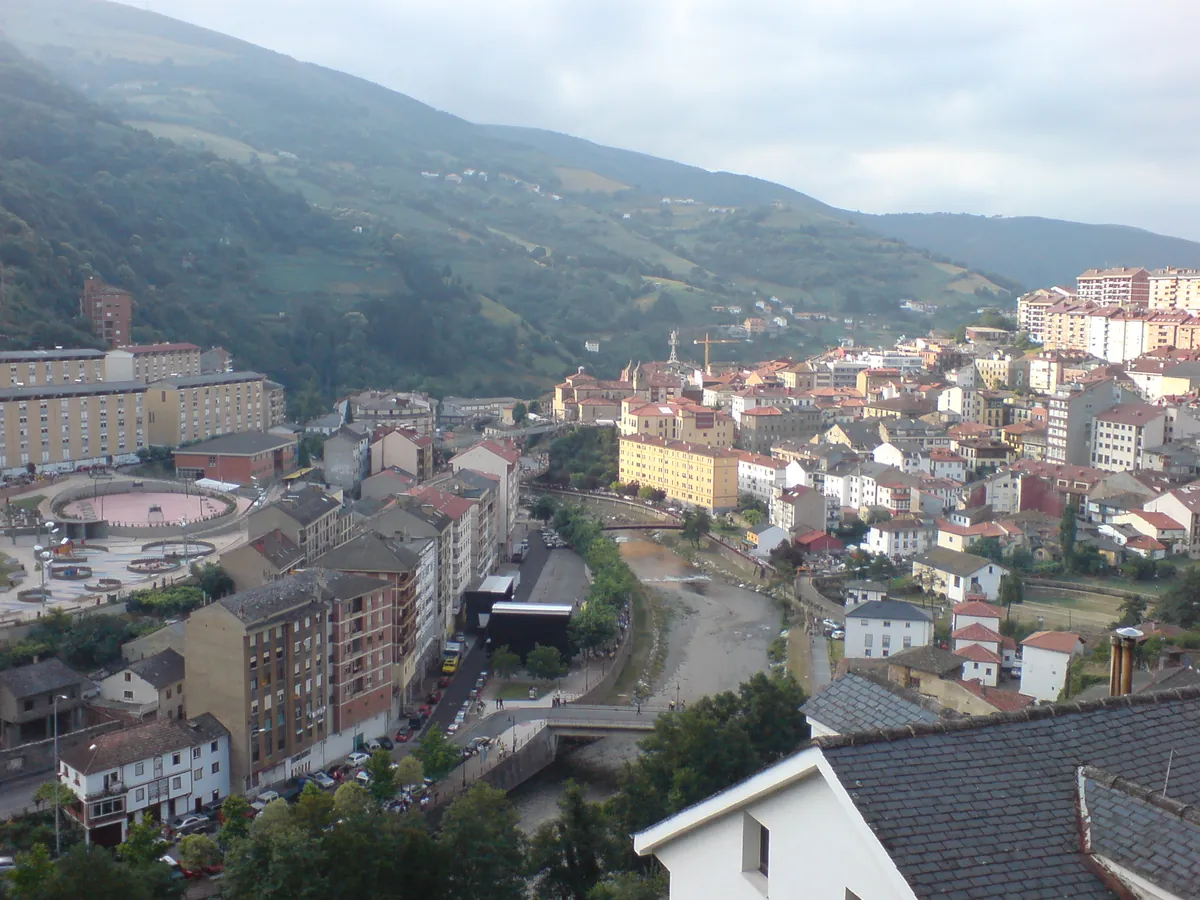
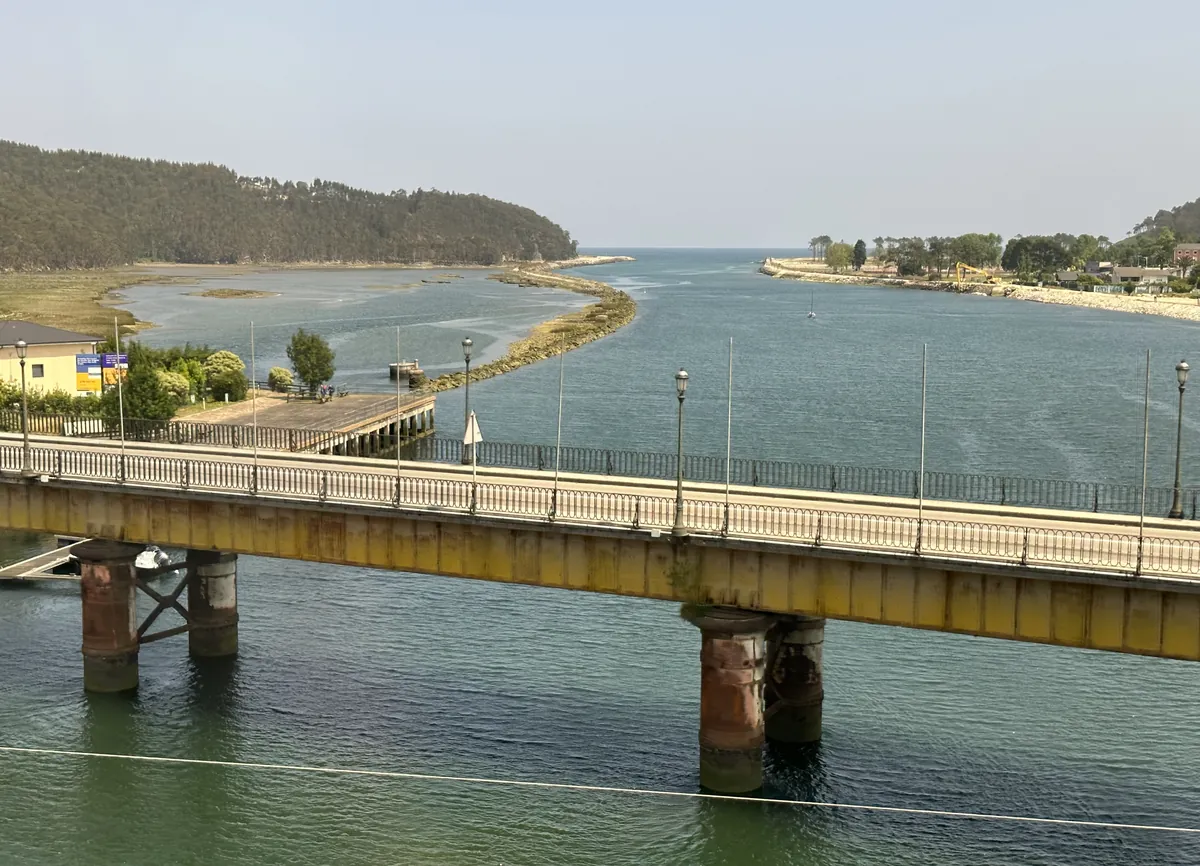
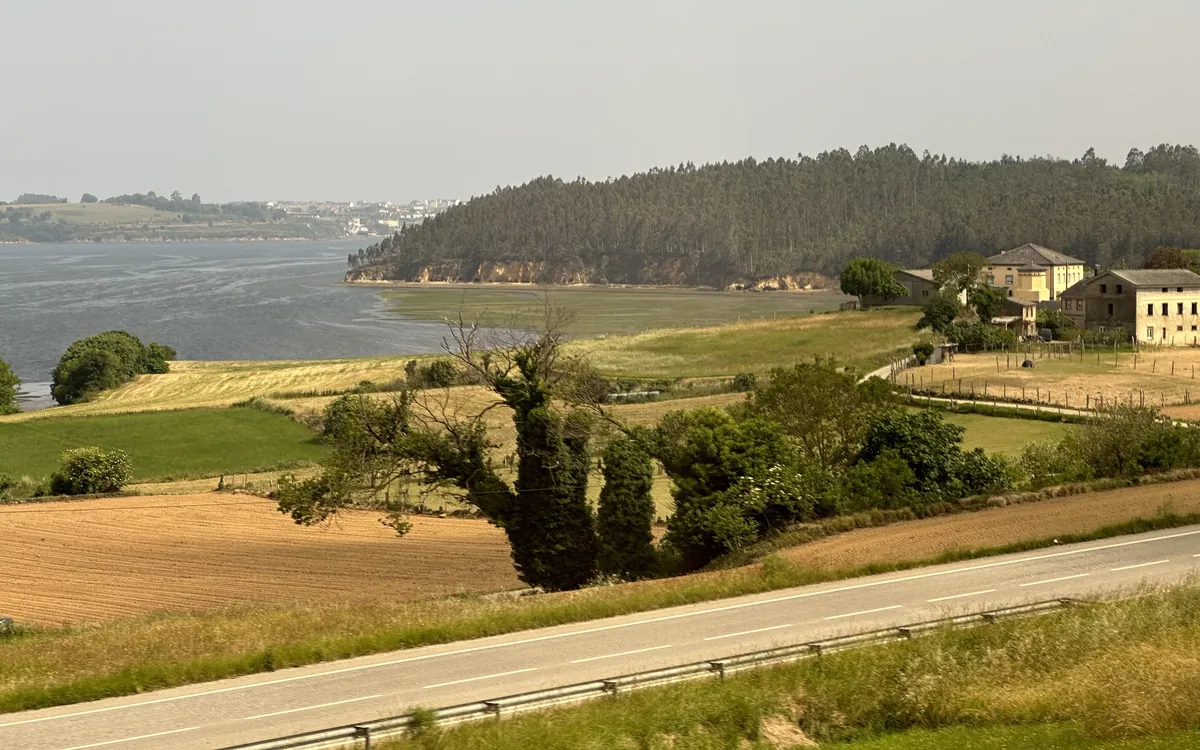
The town of Navia sits where the river of the same name widens into an estuary before meeting the Cantabrian Sea. This geography made it a natural port; the Romans used it to ship gold extracted inland. That history of movement, of goods and people passing through, still defines the place. It is a working town, oriented toward the water, not a preserved image.
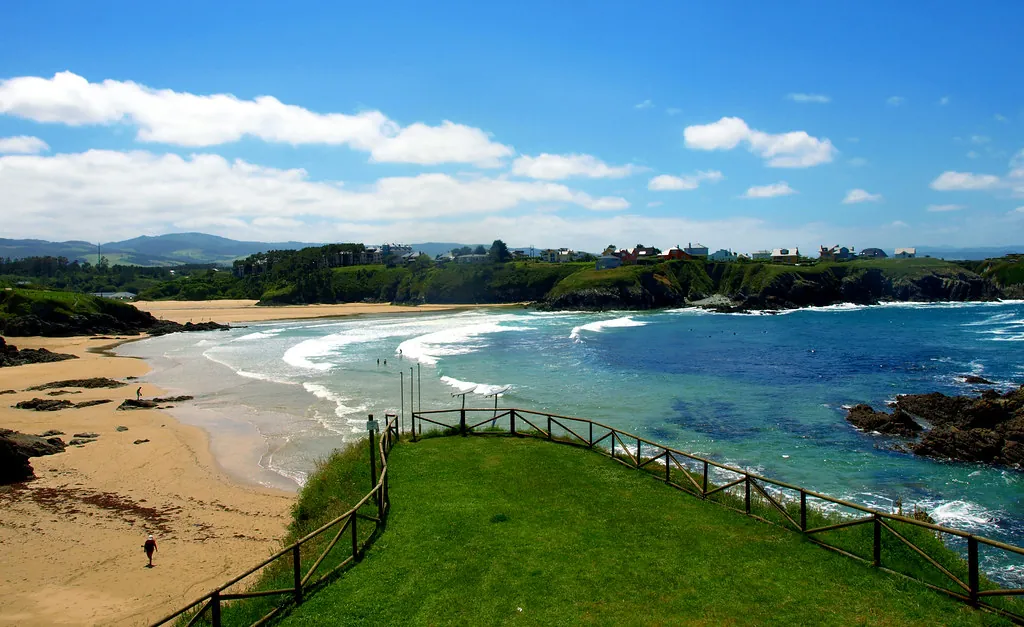
The layout is straightforward for walking. From the bridge over the estuary to the beach area is roughly three kilometres. You understand it best on foot, with the riverbank on one side and the sense of the open coast nearby.
A maritime economy
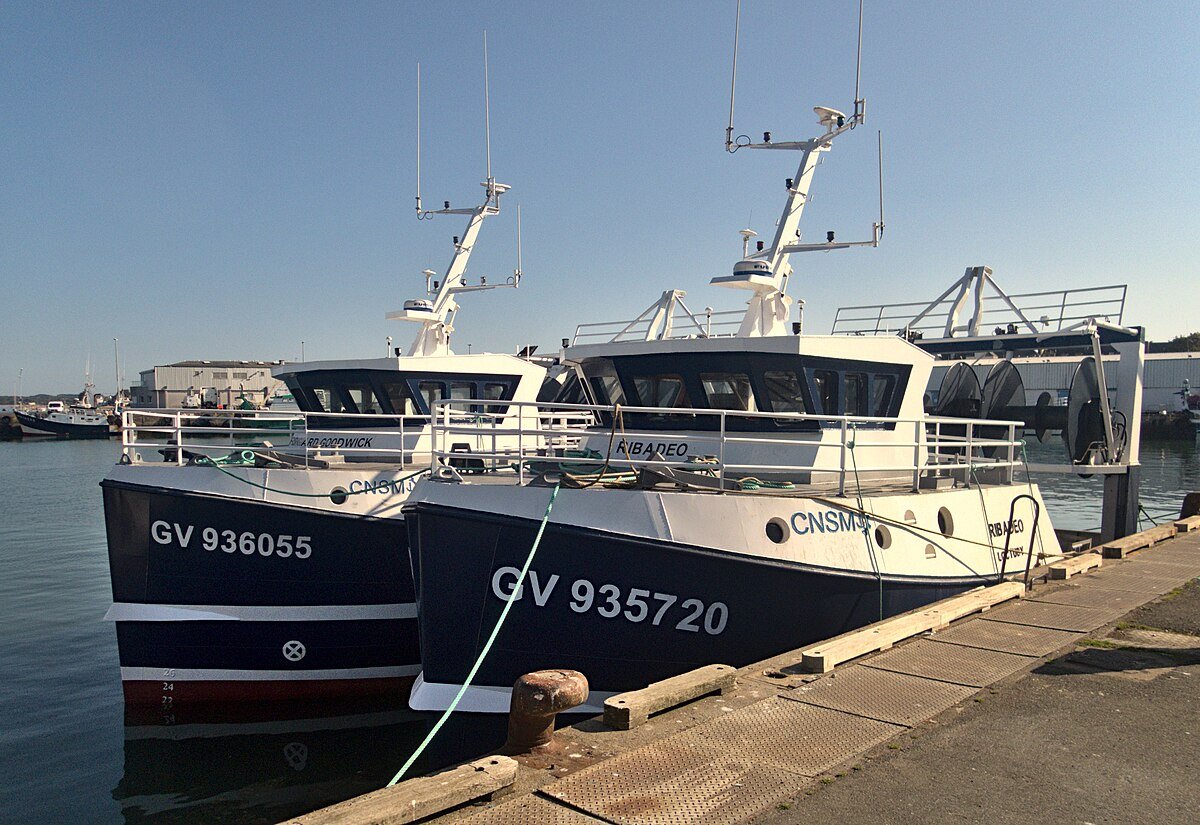
Navia’s reason for being was the sea. Fishermen from Puerto de Vega, now within the municipality, were sailing to Newfoundland banks long before industrial cod fishing. Those long campaigns built the local economy for generations.
The old port batteries, built in the 18th century, still hold their iron cannons. They were placed there for defence, to watch the estuary entrance during a time of coastal raids and smuggling. The church of Santa Marina was largely paid for with wealth from the sea. Its main altarpiece is 18th century, though the building shows several phases of work. From its grounds, you see the relationship clearly: the river behind, and the sea just ahead.
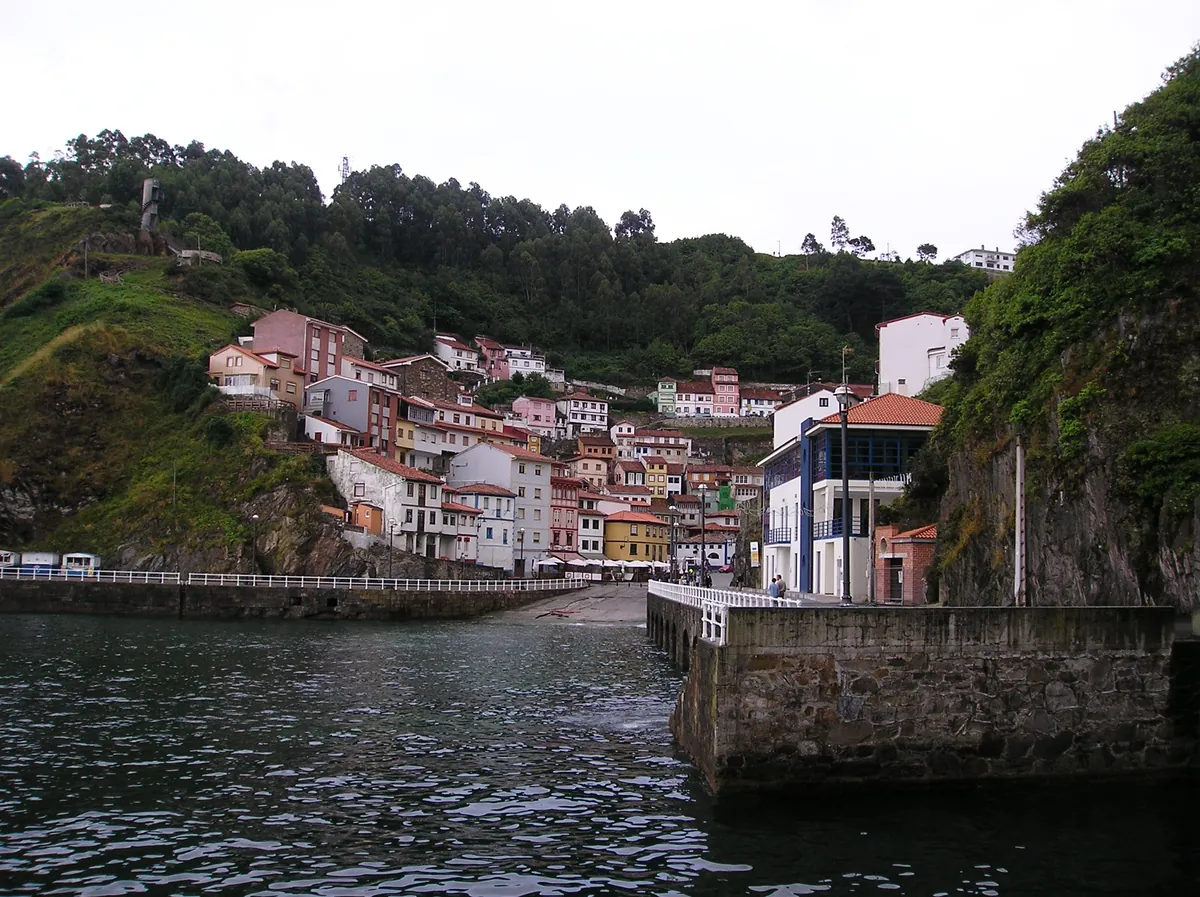
In Puerto de Vega, you can still identify houses once owned by shipowners. They have wooden balconies, wrought-iron details, and stone shields carved with anchors or shells. These are not museums. Laundry hangs from the balconies, and pots of geraniums sit on window ledges. The neighbourhood remains a lived-in space.
The return from across the ocean
Emigration to the Americas shaped western Asturias, and Navia was no exception. In the late 19th century, many left for Cuba, Argentina, or Mexico. Those who returned with money built homes that reflected their experience.
The casas de indianos appear on several streets. They are few but conspicuous. Iron bay windows, colourful ceramic tiles, and gardens with palm trees contrast with the grey Atlantic weather. At the time, they were a clear statement: the owner had gone away and come back changed.
No two are exactly alike. Each represents personal taste and a particular journey. Together, they form a scattered archive of stories that began far from here.
Older structures in the landscape
Scattered across the municipality are rural palaces that began as fortified houses. They were homes for local lineages who needed to secure their land.
The palace of Anleo retains medieval elements despite fires and rebuilds. In Lienes, a complex includes a tower that functions more as a symbol than a fortress. In Andés, a palace with its own chapel served as a religious centre for the area for centuries.
Little remains of Navia’s old town walls. A short stretch survives in Calle Las Armas, just a few metres of stonework. It marks where the historic town once ended, beyond which lay open ground toward the river.
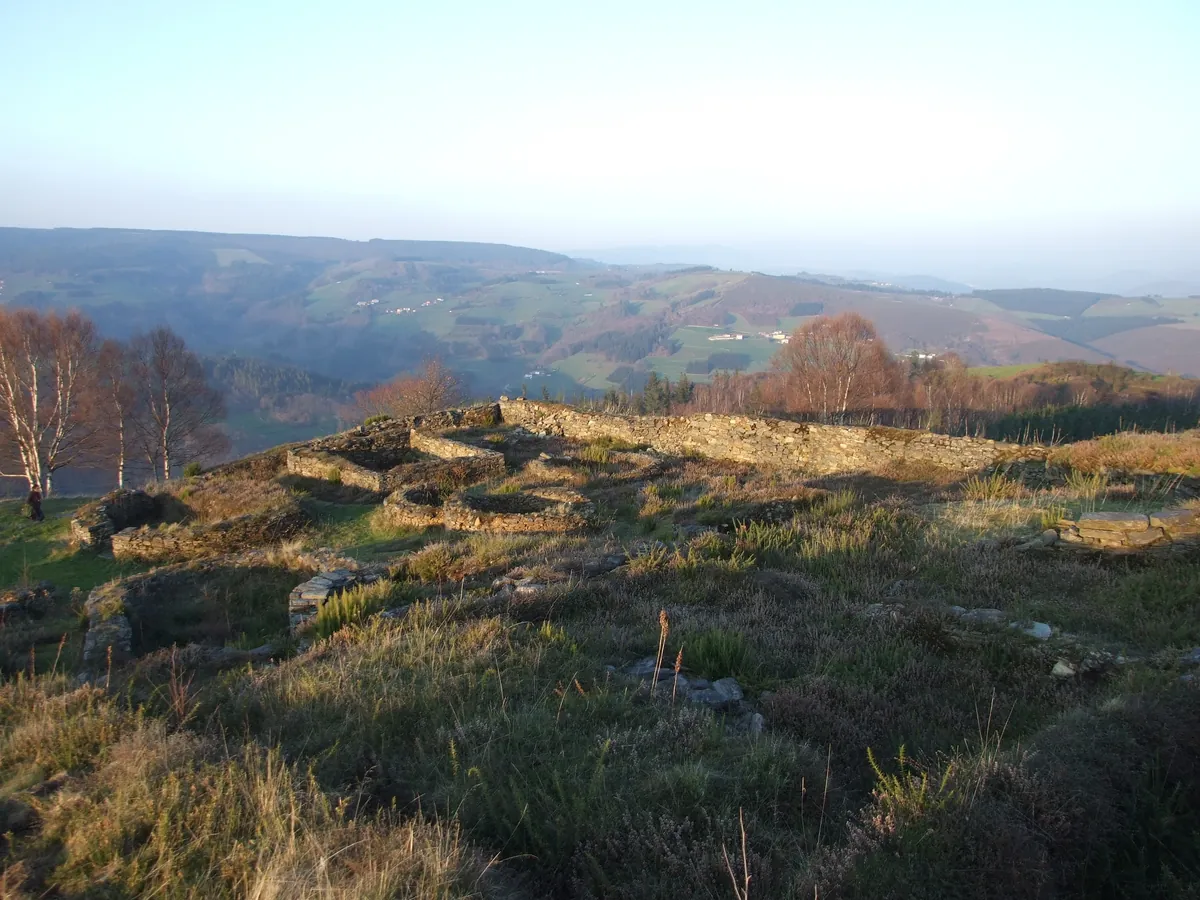
A short drive away is the castro de Coaña, one of the better-known hillfort sites in western Asturias. From its position, you have a clear view over the estuary. That vantage point explains why people chose to live there two thousand years ago.
Festivals by the water
Local celebrations still cluster around the estuary. In August, festivals for the Virgen de la Barca, San Roque, and the Jira draw people to the riverbanks. The pattern is simple: families and friends gather outdoors to share food, stretching the afternoon into evening.
The same month sees the swimming descent of the Navia estuary. While swimmers come from elsewhere, for locals it turns the river into a social event as much as a sporting one.
Later, in September, Puerto de Vega holds the festivities for the Virgen de Guía. The streets fill with paper lanterns and music in Asturian. The feeling is of a maritime tradition that continues without being staged.
Walking the coast and river
There is a coastal route, the Costa Naviega, that connects parts of the municipality like Barayo, Frejulfe, Puerto de Vega, and Andés. It is too long to do in one go for most, but it works well in sections.
A simpler option is the riverside path that follows the Navia to Frejulfe beach. It is flat, paved, and stays close to the water all the way.
The local table
Food here follows the rhythm of daily life and celebration. Pote de berzas is common, a stew of cabbage, potatoes, and meats made for sustaining work. Chosco, a smoked sausage from western Asturias, is often served thinly sliced.
The bollo preñao remains practical food, easy to carry for a day in the countryside or to a romería. Vidiago cheese, made from cow’s milk, appears often. Natural cider accompanies meals regularly, part of the same social fabric as the festivals by the river.