Full Article
about Salas
Jewel of the Camino Primitivo
Hide article Read full article
The first thing many people see of Salas is a medieval bridge over the river Nonaya. Pilgrims on the Camino Primitivo cross it, step into the town and follow Calle Real, a street that has channelled travellers for centuries. This is not a place that reinvented itself for tourism. It grew because people had to pass through.
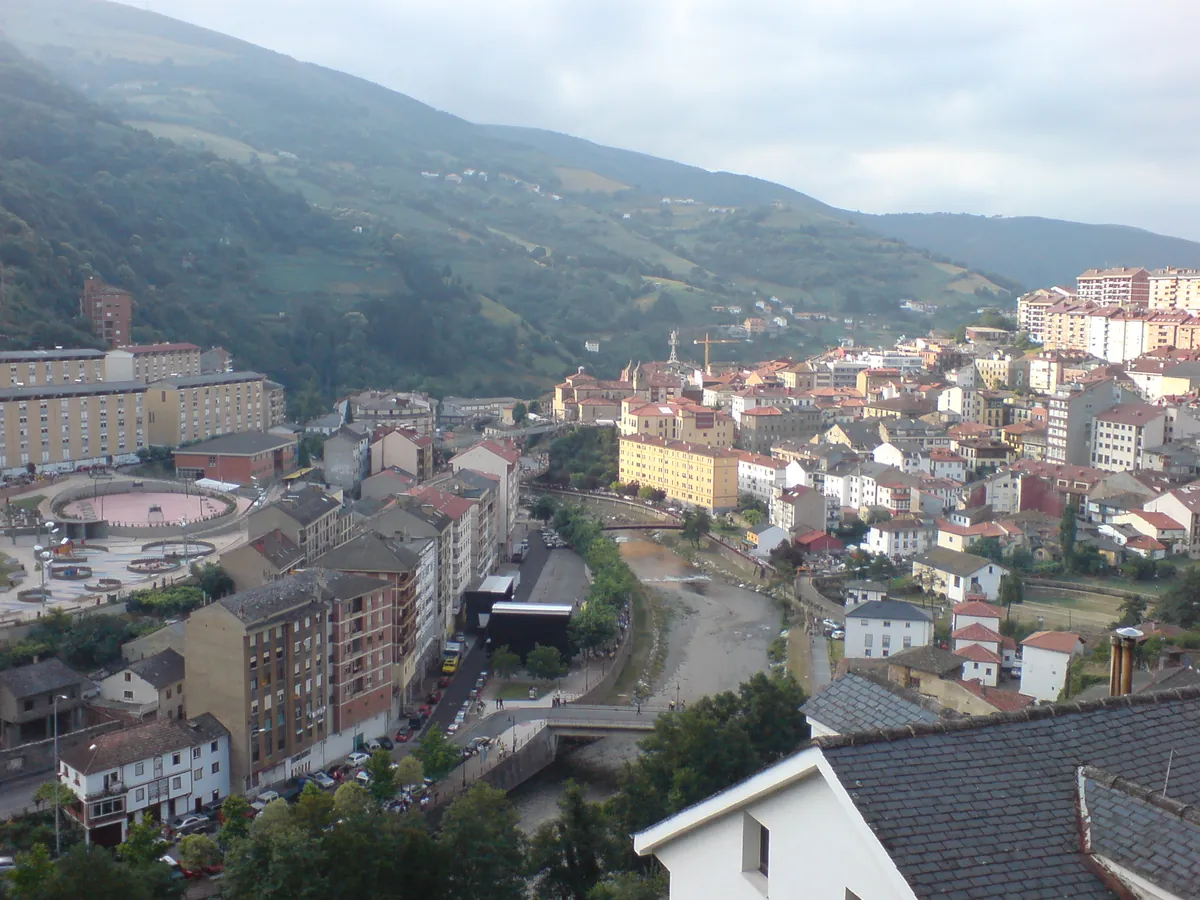
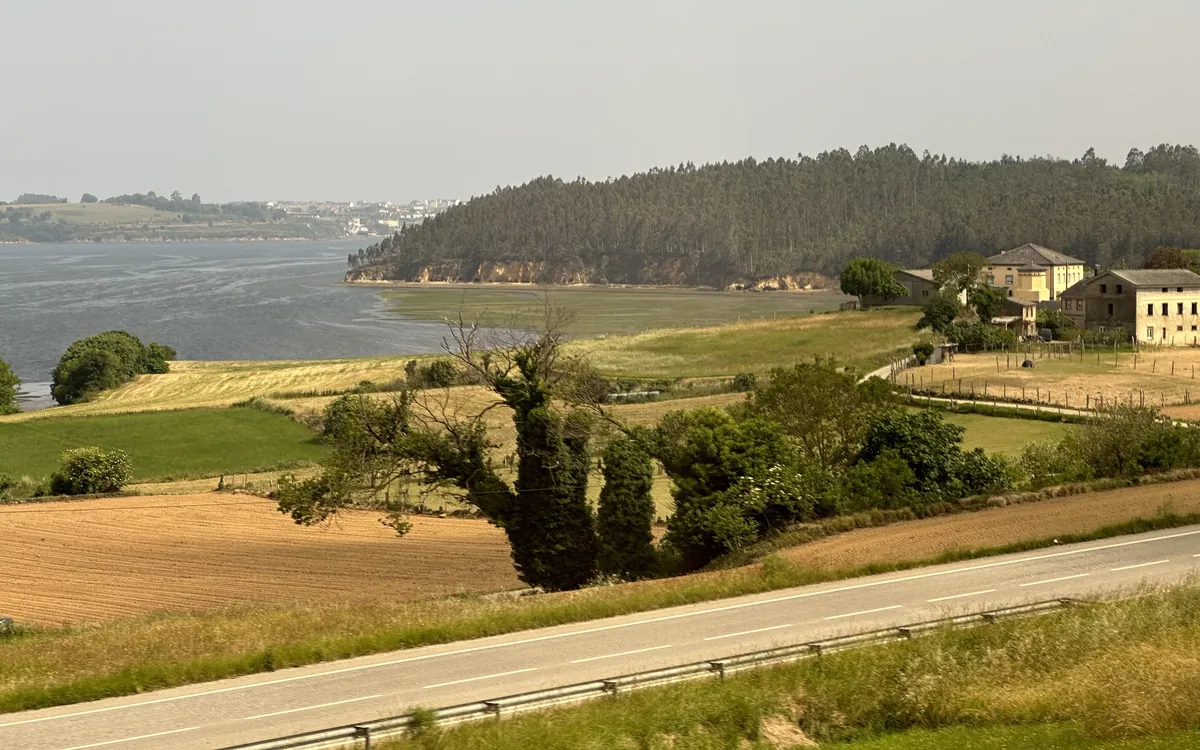
Salas sits in western Asturias at a narrowing of the valley, a natural bottleneck before the land opens towards the plain of Cornellana. For much of its history, whoever controlled this stretch controlled the routes linking Galicia with the Asturian interior. The layout still makes sense once that is understood: narrow streets that curl up the slope, houses bearing carved coats of arms, and a church whose solid profile hints at more than purely religious duties.
A castle above the bend in the valley
The castle defines the skyline. It rises on a limestone outcrop above the rooftops, its keep visible from almost anywhere in the valley. The structure seen today is largely 14th century, although documents refer to an earlier fortification in the early Middle Ages. The Fernández de Valdés family, lords of the area, turned it into a noble residence, reshaping what had been a strategic stronghold into a statement of status.
From the higher paths near the castle, the logic of the town becomes clear. Streets curve with the hillside and cluster around the rock, as if seeking protection. The gradients are real. Short walks involve steady climbs, and granite cobbles can be slick when it rains, which in Asturias can happen at any time of year. A light waterproof belongs in any bag, even in July.
A few metres away stands the Colegiata de Santa María la Mayor. Much of the current building dates to the 16th century, yet it preserves older elements, including a Romanesque baptismal font. Inside are Renaissance altarpieces and tombs linked to local lineages whose heraldry still appears above doorways in town. The adjoining bell tower served several roles over time: public clock, lookout point and, if required, refuge. In settlements of strategic importance, that combination was practical rather than unusual.
The impression is of a place that has seen busier centuries. Pilgrims still arrive, often mud-splattered from the descent from the Puerto de El Pedrón, and Salas is the last sizeable settlement before the long, wooded stretch towards Tineo. Benches and cafés fill with walkers comparing blisters and weather forecasts. The atmosphere is shared rather than staged.
Cornellana and the meeting of rivers
Six kilometres from the main town lies Cornellana, where the rivers Narcea and Nonaya meet. This confluence has long been a natural crossroads, with fertile land spreading around it. In 1024 the infanta Cristina, daughter of King Bermudo II of León, founded the monastery of San Salvador here to establish a Benedictine community. The choice of site was deliberate.
During the Middle Ages the monastery came to control an extensive territory, with dependent churches, farms, mills and pasture. In the 12th century it entered the orbit of Cluny, strengthening its influence across the region. Today the Romanesque church survives alongside the cloister and several monastic buildings. The western portal, with its carved archivolts, is often cited as one of the more carefully executed examples of Romanesque architecture in Asturias.
Cornellana developed around the monastery and the river. The Narcea is known for its salmon fishing tradition, which has shaped local life for generations. This is not a decorative detail but part of the valley’s working history. Close to the river stands the so‑called yew of Salas, an ancient tree of notable size and girth. It is frequently mentioned among the singular trees of the municipality, and it may well have been rooted here when the monastery first organised the surrounding land.
Reaching Cornellana is straightforward by car. Public transport exists but thins out in the evening, so anyone planning to explore riverbanks or linger at the monastery will find their time less constrained with their own vehicle.
Walking where others have walked
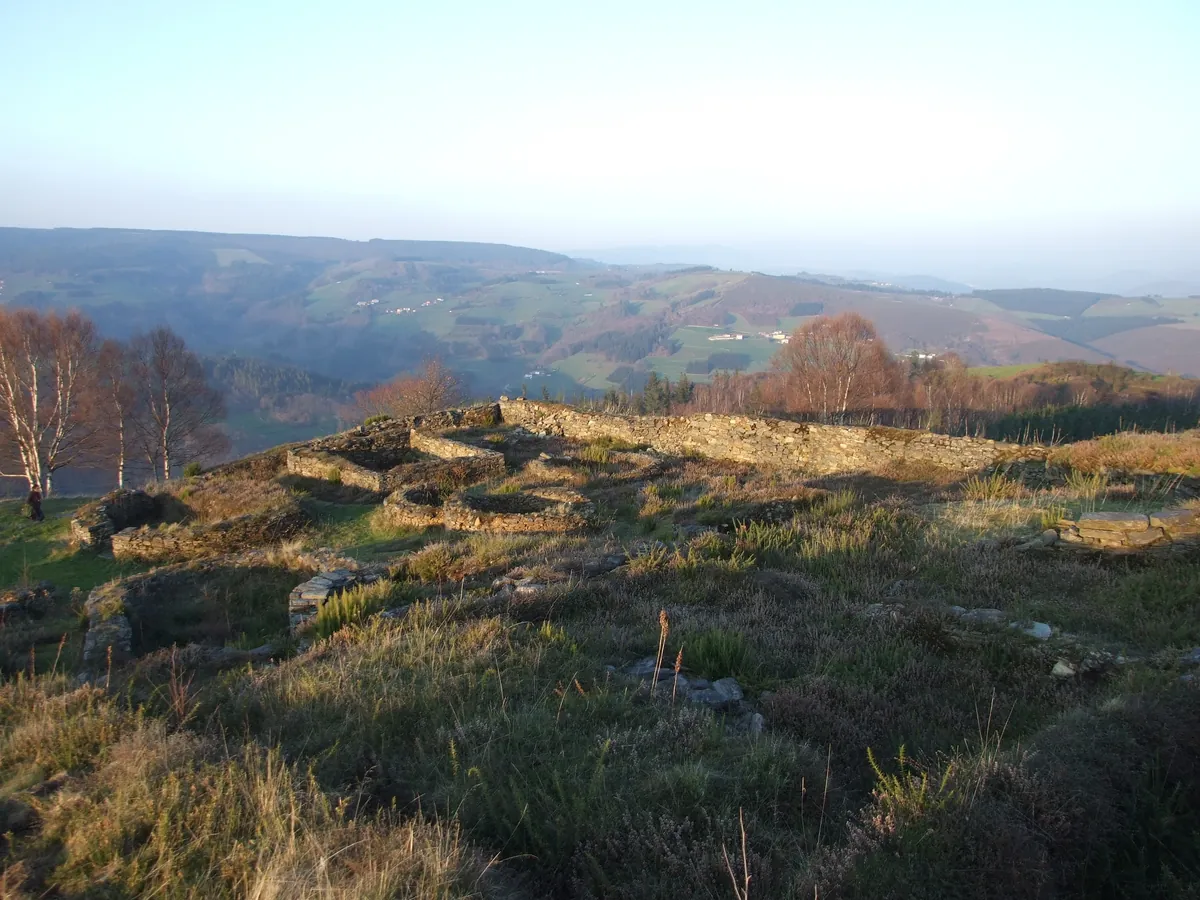
The Camino Primitivo runs east to west across the municipality. Between the Puerto de El Pedrón and the approach to Tineo there are roughly twenty-five kilometres that mix forest tracks, old mule paths and occasional stretches of tarmac. One of the more demanding sections comes after Cornellana, climbing towards the Alto del Fresneo with significant ascent over a short distance. The reward is quieter ground, with stretches that follow the Nonaya valley between woodland and meadows.
It is perfectly possible to sample this landscape without committing to a full stage. Paths rising towards the castle provide broad views of the medieval core and its relationship to the valley. Other routes lead towards the yew or on to Malleza, known for houses built with money sent back by emigrants to the Americas. Mobile signal can fade in these valleys, so offline maps are sensible.
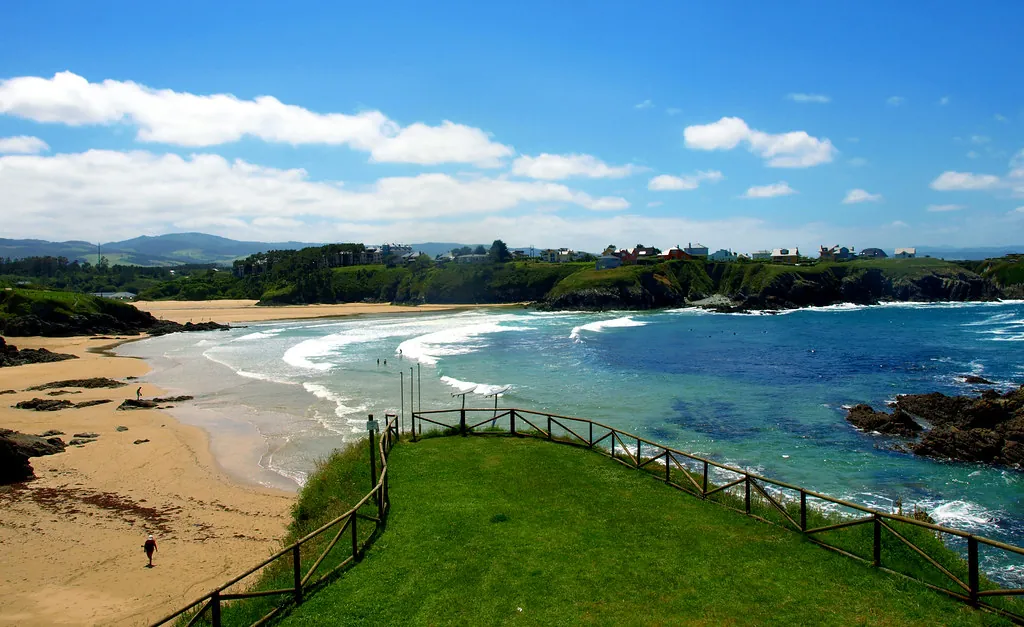
Salas itself has around 5,000 inhabitants spread across the wider municipality. It feels like a market town rather than a resort. There is no coastal drama here, only the steady presence of river water and the smell of woodsmoke when the weather turns cool.
Almond biscuits and autumn fairs
At the start of the 20th century, a teacher born in Salas devised a simple sweet made from almond, egg white and sugar. Baked until crisp and served with coffee, these biscuits became known as carajitos. They remain closely associated with the town and are still produced in local bakeries using traditional methods. Order them by name and they tend to appear after a meal.
The wider cooking reflects the surrounding landscape. Rivers provide trout and salmon. Nearby hills supply game and wild mushrooms in season. Valley gardens contribute whatever is growing at the time. In autumn a medieval-themed fair fills the streets with stalls and historical recreations, some more rigorous than others, alongside a strong presence of local produce. It brings movement and colour to stone façades that otherwise keep a fairly subdued palette.
Spring and autumn are often the most agreeable seasons to visit. The valley is green, the temperatures moderate, and the walking conditions generally kinder than in high summer or the depths of winter. Rain is spread through the year, so flexibility helps. Salas lies less than an hour from larger Asturian towns by road, and is best reached by car if planning to explore beyond the centre.
Salas does not compete for attention with grand claims. Its appeal lies in continuity: a bridge still used, a castle still watching the valley, a monastery that once organised the land and still anchors it visually. Pilgrims pass through. Rivers keep flowing. The town remains where it has always been, at a narrow point in the landscape, content to let the road come to it.