Full Article
about San Martín de Oscos
Biosphere Reserve
Ocultar artículo Leer artículo completo
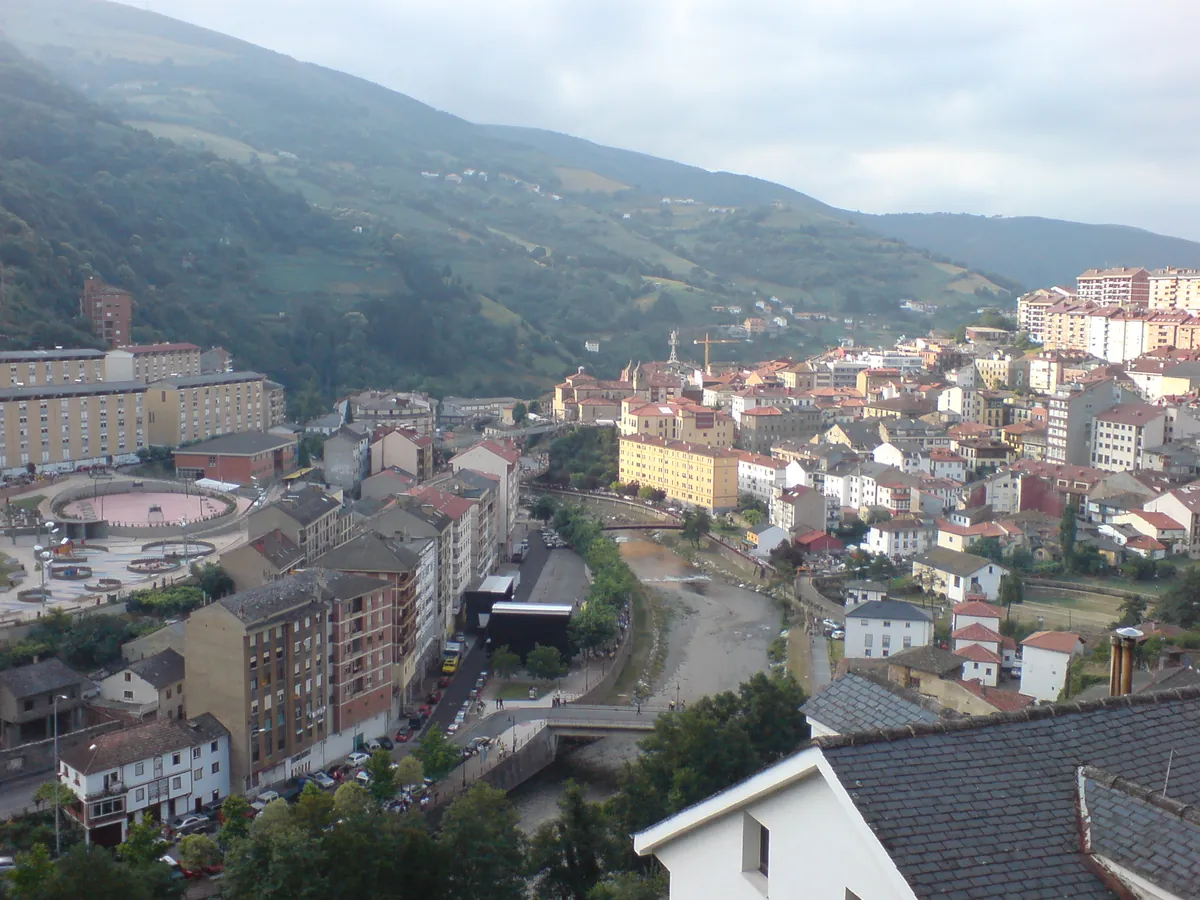
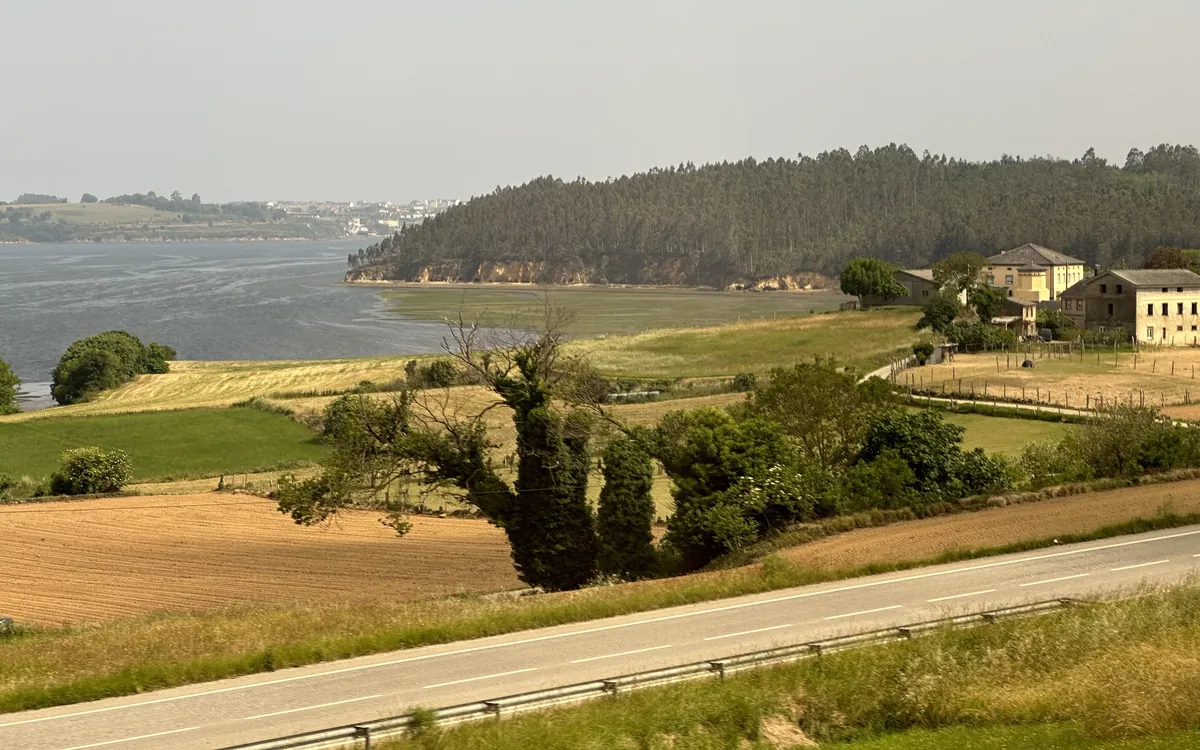
The valley appears empty until a tractor coughs into life somewhere below. Then you notice the slate roofs, almost camouflaged against the grey-green hillside, and realise the village has been there all along. San Martín de Oscos doesn't announce itself. At barely four hundred souls, it doesn't need to.
This is the forgotten triangle of Asturias, squeezed between Galicia and Castilla y León, where mobile signal vanishes more often than it works and the loudest sound is the river Agüeira tumbling over stone. British visitors who make the detour off the A-8 coastal highway usually arrive with the same question: "Are we still in Spain?" The answer is yes—just not the Spain of package posters.
A Valley That Measures Time in Centuries, Not Seasons
The council stretches across barely 65 square kilometres yet contains dozens of hamlets—some no more than four houses and a bread oven. Stone walls divide tiny meadows, each no bigger than a suburban garden back home, and every plot seems to have its own horreo, the raised granary built on stilts to keep mice out. Oak and sweet chestnut climb the slopes above; higher still, wild horses graze among heather and gorse. Locals joke that the council's population doubles in August when emigrants return from Oviedo, Madrid or Manchester, then halves again on the first of September. The rhythm is agricultural, not touristic.
Walking is the only way to understand the place. A web of public footpaths links the settlements, waymarked by the regional government but still rough underfoot. The shortest loop, a 5 km circuit from the capital to the hamlet of Busmayor and back, gives a crash course in vernacular architecture: slate tiles held down by more slate, wooden balconies the colour of weathered oak, and haylofts built into the roofspace so cattle and fodder share the same rectangular footprint. Allow two hours—longer if it has rained, because clay and chestnut leaves make a surprisingly slippery combination.
Ambitious hikers head south onto the Sierra de la Bobia, a 1,200 m ridge that acts as the natural border with León. The climb starts gently through abandoned apple terraces, then turns steep once the path enters pine forest. From the summit the view runs north to the Cantabrian Sea, 35 km away, and south across the endless Castilian meseta. On a clear winter day you can pick out the Picos de Europa; in summer the ridge often sits above a cotton-wool blanket of cloud, the valleys acting like natural bowls to trap cool Atlantic air. Either way, pack an extra layer—temperature drops mimic those of the Yorkshire Dales, minus the tea shops.
Eating What the Woods and Meadows Provide
There are no restaurants in the village itself, only a bar that opens at irregular hours and shuts whenever the owner drives to Vegadeo for supplies. Self-catering is the norm. The tiny colmado stocks UHT milk, tinned tuna and the local Queso de Oscos, a soft cow's-milk cheese that tastes like a saltier cousin of French Brie. For anything more exotic—fresh coffee, Marmite, decent red wine—stock up in Vegadeo before you leave the coast.
If you fancy eating out, book a table at Casa Pachín in neighbouring Villanueva, a ten-minute drive on a road so narrow that hedgerows scrape both wing mirrors. Their fabada, the classic Asturian bean stew, is simmered for four hours and arrives in a clay pot big enough for two. The cachopo—two veal steaks sandwiching Serrano ham and cheese, breadcrumbed and fried—hangs over the plate like a culinary challenge. One portion feeds a hungry couple; attempt it solo and you'll understand why Spanish siestas were invented.
Autumn brings wild mushrooms, and the forests fill with locals carrying wicker baskets and penknives. British visitors are welcome to forage, but the rules are strict: no more than 3 kg per person per day, and only níscalos (saffron milk-caps) and boletus edulis are tolerated. Pick the wrong species and fines start at €300—roughly the cost of a Gatwick flight home.
When the Clouds Roll In
Weather changes faster than a London bus timetable. Mornings can dawn bright and still, with dew on the grass and vultures circling high in a blue sky. By lunchtime Atlantic fronts push up the valley, turning the ridge into a Scottish mist and the footpaths into small streams. Waterproofs are non-negotiable year-round; in winter add a fleece and consider micro-spikes because north-facing slopes stay icy until midday. Snow is rare in the village at 400 m, but the sierra can be white from December to March, making the single access road treacherous enough that locals chain up.
That road is the other practical headache. The AS-28 winds in from the A-8 at Vegadeo, climbing 350 m in 25 km of switchbacks so tight that camper vans frequently have to reverse. Petrol stations are non-existent beyond Vegadeo, so fill the tank and check the spare tyre. Public transport? Two buses a day from Oviedo to Vegadeo, then nothing on to San Martín. Without a hire car you're essentially stranded—taxis from the coast cost around €60 each way, assuming you can persuade a driver to make the journey.
Sleeping Under Slate, Not Neon
Accommodation totals three self-catering cottages and a 14-bed albergue (refuge) run by the council. None have televisions; all have wood-burning stoves and views straight out of a pre-war photograph. Prices hover round €80 a night for a two-bedroom house, less if you stay a week. The albergue charges €15 for a bunk, but bring a sleeping bag because duvets are considered extravagant. Booking ahead is essential—there simply isn't anywhere else within a 40-minute drive, and the next nearest hotels are in Grandas de Salime, a village famous for its reservoir and little else.
Phone reception inside the houses is patchy at best; outside you might get one bar if you stand by the fountain and face north. Download offline maps before you leave home, and don't rely on contactless payments—there is no cash machine in the council, and the nearest ATM is a 25-minute drive to Grandas. Bring euros in small denominations; the baker will laugh if you proffer a €50 note for a €1.20 loaf.
Leaving the Valley to Its Silence
Stay a couple of nights and you'll notice something odd: the darkness. No streetlights, no neon shop signs, no headlights sweeping across the ceiling. Just an inky blackness that makes the Milky Way look like a child has spilled sugar across the sky. Pair that with the smell of woodsmoke and the distant clang of a cowbell, and England's 24-hour supermarkets feel like fiction.
San Martín de Oscos won't suit everyone. If your idea of holiday hell is a village without a Costa Coffee, stay on the coast. But for walkers willing to pull on boots, for drivers who don't mind single-track roads, and for anyone curious to see how rural Spain functioned before tourism, the valley offers a masterclass in slow living. Come prepared, lower your expectations of connectivity, and the place will reward you with a week of silence you simply can't buy at home.