Full Article
about Tineo
Capital of chosco
Hide article Read full article
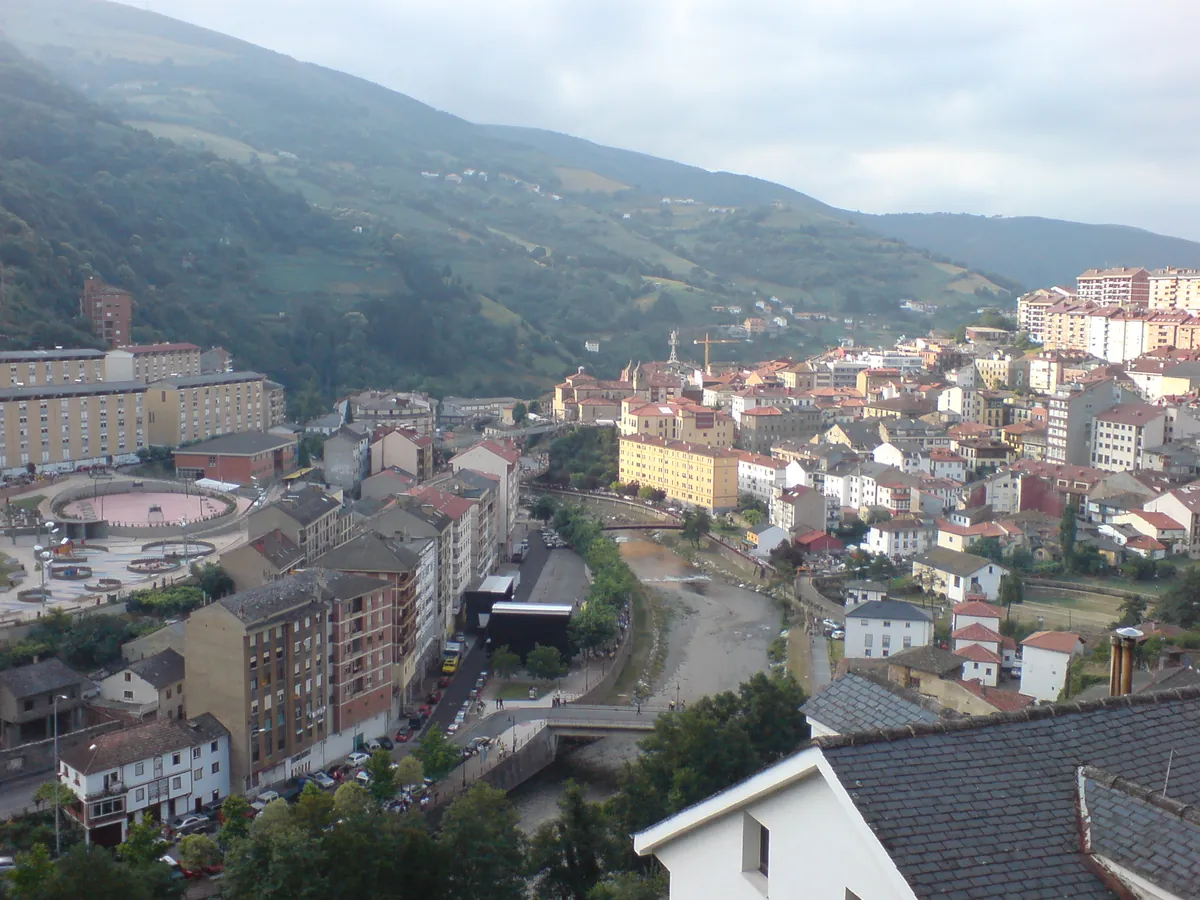
Tineo sits at a crossroads, both geographically and historically. The road from Pola de Allande climbs persistently for kilometres, only levelling out as you reach the town, which is spread across a broad hill at around six hundred metres. This is not a passing place; it was a deliberate foundation, granted its town charter by Alfonso IX in the 13th century. That sense of a deliberate destination, somewhat removed, has defined it ever since.
From the higher points, the layout makes sense. Streets follow the contours of the hill, and to the south the land opens into a wide valley. The air is clear, and the horizon is closed by the silhouettes of western Asturias’s sierras. This altitude and space are not just a view; they are a condition of life here.
A Landscape Shaped by Livestock
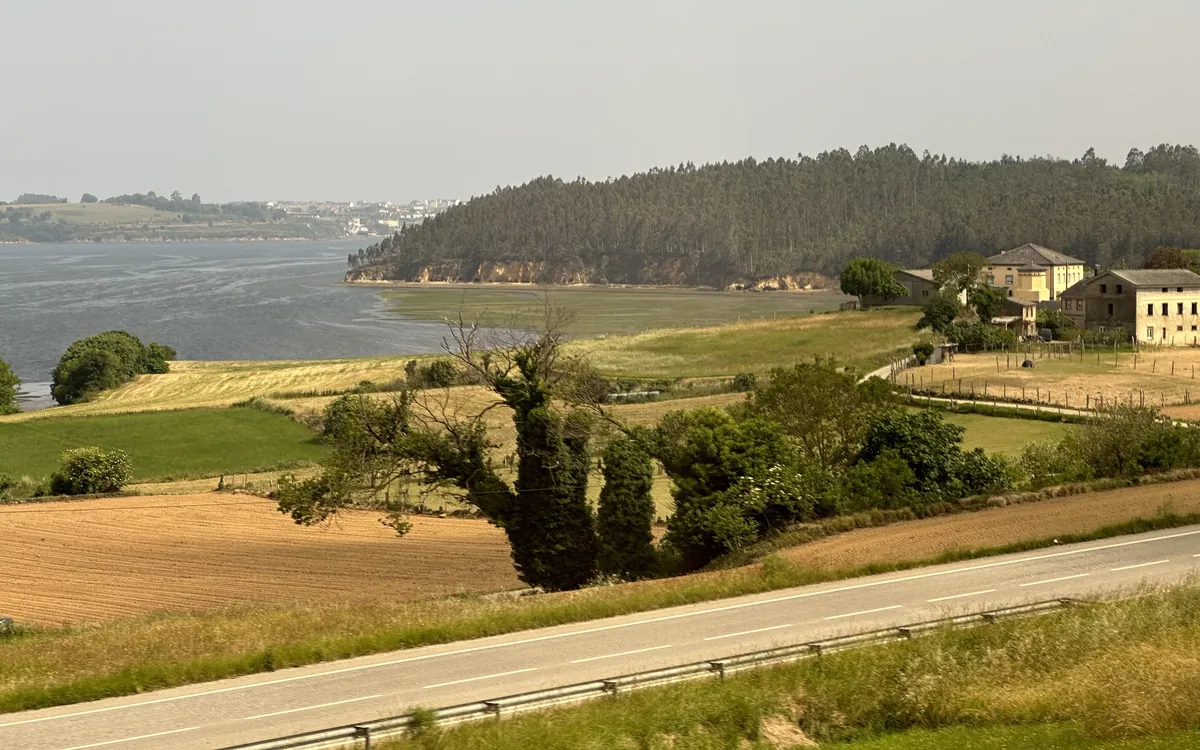
The municipality is one of the largest in Asturias, encompassing over five hundred square kilometres of parishes, hamlets and woodland. Most of it lies between four hundred and eight hundred metres, a terrain that historically favoured pasture over crops. The economy was, and remains, tied to livestock.
You see it in the enclosed meadows and the stone caserías. You hear it in the predawn rumble of milk tankers on the local roads. This is working land. The cattle fairs, traditionally held in spring, are functional events. They serve as meeting points for the scattered parishes, more about commerce and continuity than any kind of spectacle.
Fragments of History in Stone
Tineo’s past doesn’t announce itself with a single grand monument. It appears in layers. The former convent of San Francisco del Monte, founded in the Middle Ages, retains its church and part of the cloister. Its position was strategic, offering a clear vantage point over the town and the valley below.
The parish church of San Pedro holds a quieter detail. Its doorway features a pantocrator surrounded by the evangelists, a work from a late phase of Asturian Romanesque. It was carved at a time when Gothic style was already dominant elsewhere in Europe, a reminder of how architectural currents arrived slowly in this western part of Asturias.
In the parish of Tuña, history becomes more personal. It was the birthplace of General Rafael del Riego, a key figure in the 1820 liberal uprising. His family home is preserved as a memorial. Local civic events still mark his legacy, a thread of 19th-century politics kept alive in community memory.
The Gold of the Narcea Valley
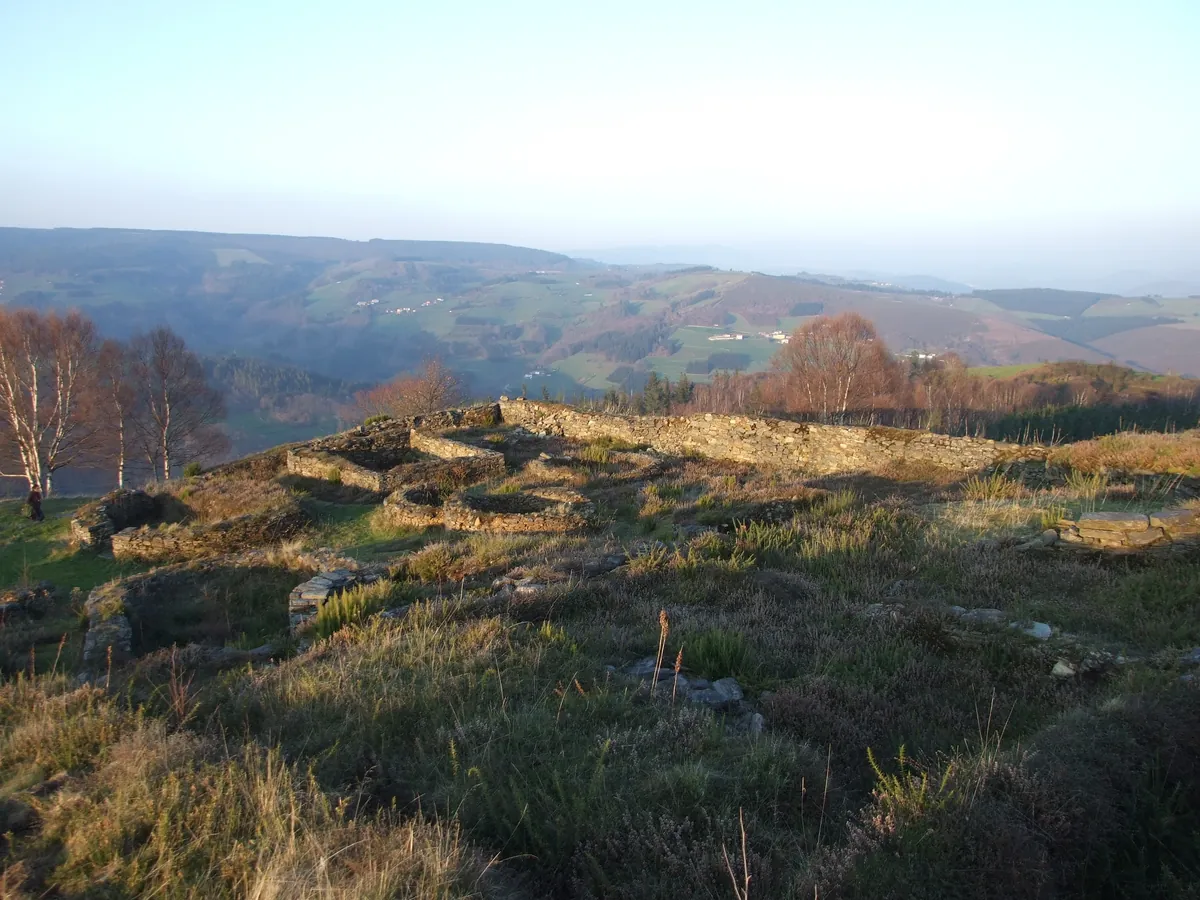
The evidence here is older and more geological. In areas like Navelgas, within Tineo’s boundaries, you can find traces of Roman gold mining. The slopes were systematically worked using water, a technique that reshaped the land.
An interpretation centre documents this activity. More visibly, the tradition of gold panning persists on the riverbanks, often as an activity for families. Watching someone swirl a pan in the Narcea’s tributaries connects that ancient industry directly to the present landscape.
A Table Rooted in the Land
The local cuisine follows from the environment. The most distinctive product is likely chosco de Tineo, a cured sausage of pork and beef, smoked with oak wood. It holds protected status.
Dishes tend to be substantial: stews of greens with compango, or thick bean broths. Even the desserts speak of dairy wealth. Natas vaqueiras are a modern creation based on rich cream and milk, sugar and cinnamon. The ubiquitous Afuega’l Pitu cheese, in its various textures from soft to cured, is a staple of the area’s dairy production.
Paths Through the Parishes
To understand the municipality, it helps to walk it. Short routes connect meadows, oak woods and quiet villages. One objective could be the Carbayo de Valentín, an ancient oak declared a natural monument. The walk to it is brief and gentle.
Tineo is also a stage on the Camino Primitivo, the oldest route of the Camino de Santiago. Pilgrims pass through on their way to the Puerto del Palo and into Allande. Their presence is part of the town’s daily rhythm, especially from spring to autumn.
Practical Notes
Tineo is roughly an hour’s drive from Oviedo via the A-63 motorway and then local roads. Regular bus services connect it to the capital, used primarily by residents.
The town centre is walkable. A short but noticeable climb leads from the main square up to the area of the former convent for views over the valley. Accommodation and places to eat are functional and scattered between the town and outlying villages. The appeal lies in the landscape and the slow pace it imposes, not in extensive tourist infrastructure.