Full Article
about Valdés
The White Town of the Green Coast
Hide article Read full article
A cemetery above the Atlantic
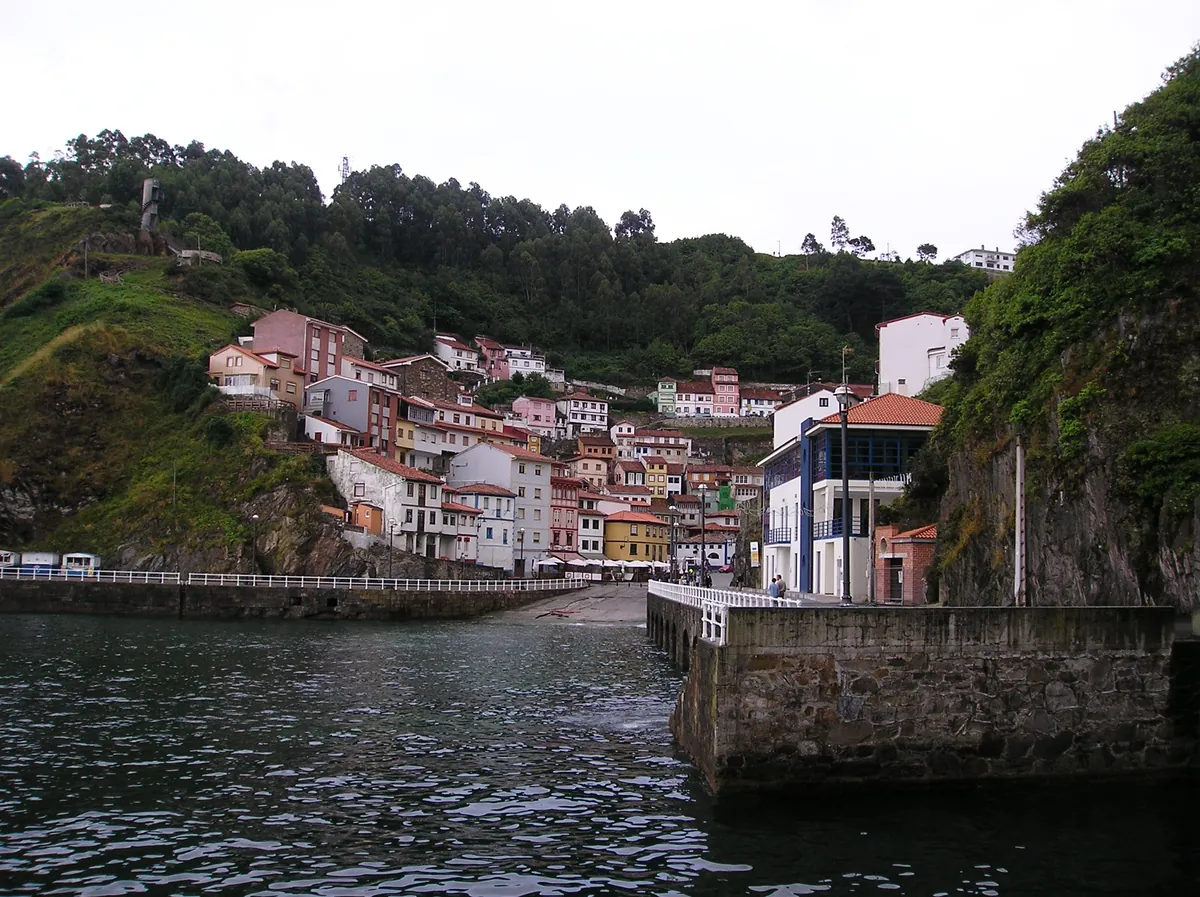
The best view in Valdés is from a cemetery. It’s in Luarca, the harbour town where most of the council’s life happens. The graveyard sits on a headland with the sea on three sides. White niches line the cliff edge. Below, the harbour curves around. On a clear day you see fishing boats at their moorings. On a foggy one, the port fades and everything goes quiet except the water.
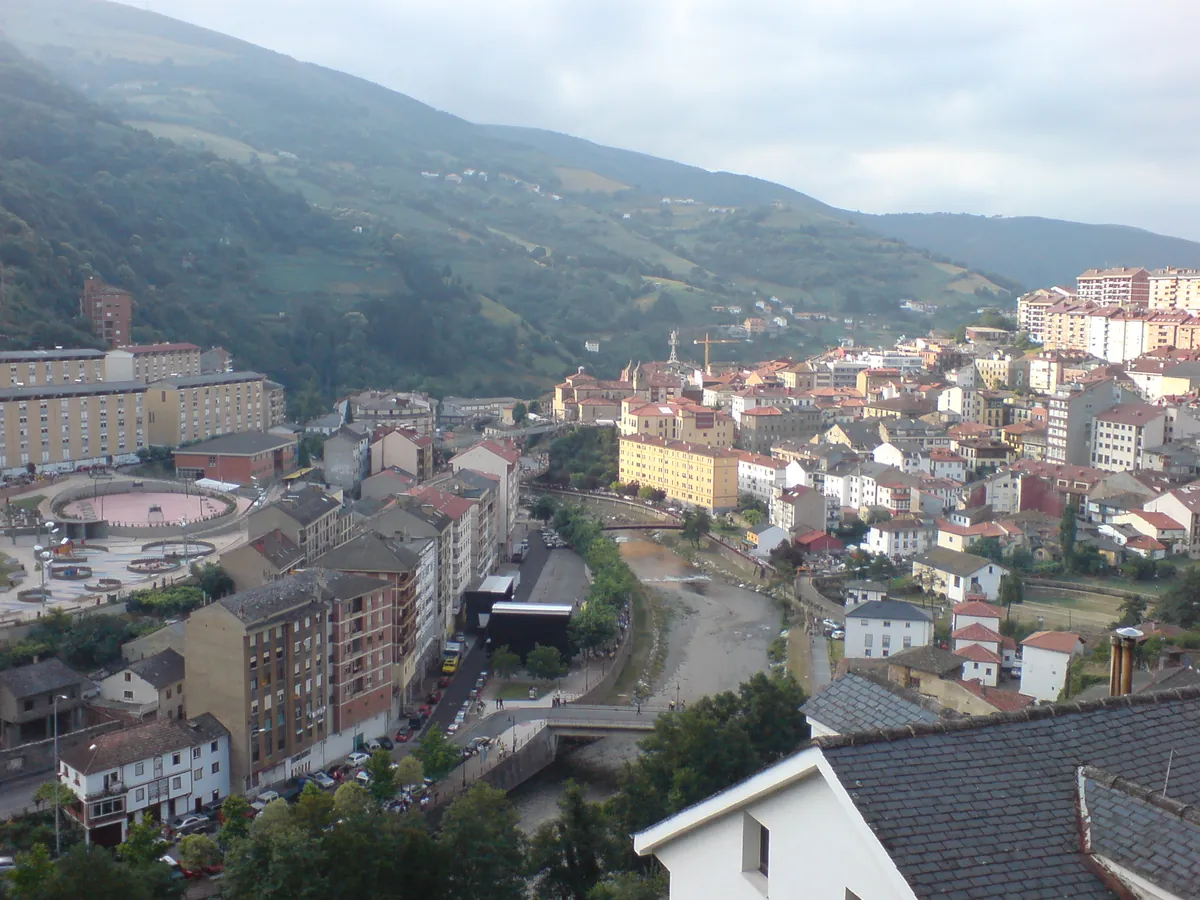
That mix of exposure and enclosure sums up Valdés. It’s a large, rural council on the Asturian coast, with Luarca as its centre. Around 5,000 people live across parishes that stretch inland and along the shore. In summer, visitors cluster around the harbour and take photos of that cemetery. Step further out and things change.
Harbour routines and summer bottlenecks
Luarca is easy to reach from the A‑8, whether you come from Oviedo or Galicia. The problem starts when you park. In July and August, it gets tight. Streets are narrow, pedestrians walk across roads, drivers circle for spaces.
Park near the marina or by the sports centre to avoid trouble. From there it's about ten minutes on foot into town. In winter it's different: spaces open up and things calm down.
You can see Luarca in an hour if you keep moving. Walk down Marina street towards the harbour. Fishing boats sit low in water. In season there's activity around bonito catches—a working port smell of salt and diesel hangs in air. Gulls provide background noise.
From harbour steps climb toward lighthouse passing church before reaching cemetery. From here layout makes sense: white walls against dark rock harbour tucked below Atlantic pushing from almost every side.
Way down runs along Camino de la Peña crossing small wooden bridge over stream where couples have left padlocks like countless other European towns. Cross over streets fold back into heart of Luarca sit square listen conversations move slowly weather sea dominate many people seem known each other decades
Beyond harbor curve
Valdés isn't single compact village broad municipality made multiple parishes settlements Luarca draws most summer attention yet much territory lies outside its steep streets
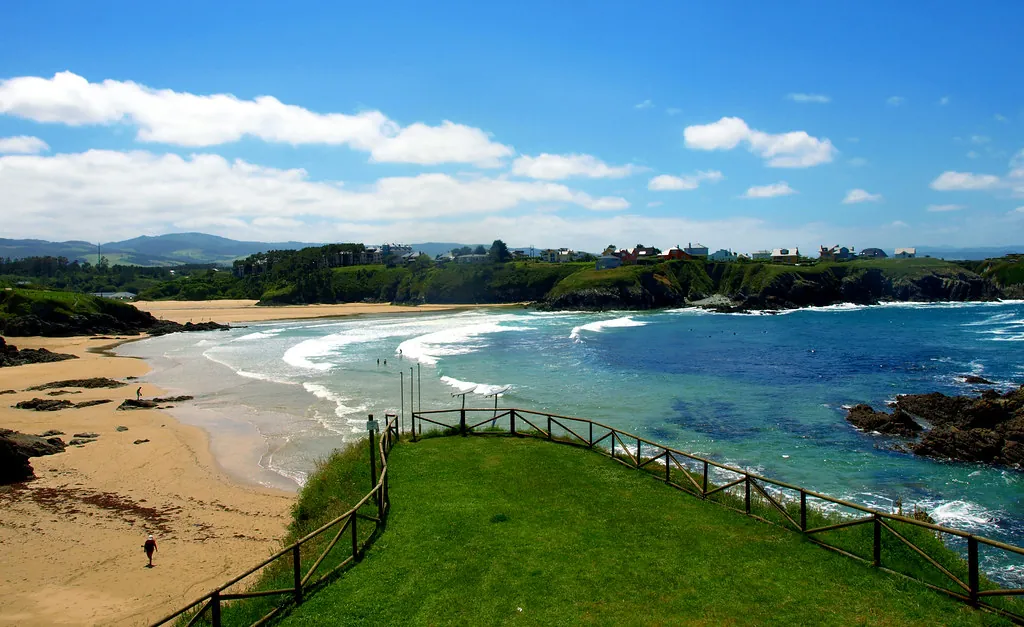
Cadavedo has well-known beach fills August outside high season markedly calmer difference between summer rest year stark along this stretch coast warm months bring movement noise autumn spring return space sense distance
Trevías looks modest road larger than first appears old church though not always open Paredes keeps traces mining once took area remaining shaft little else hint past these aren't places staged tourism part everyday geography council
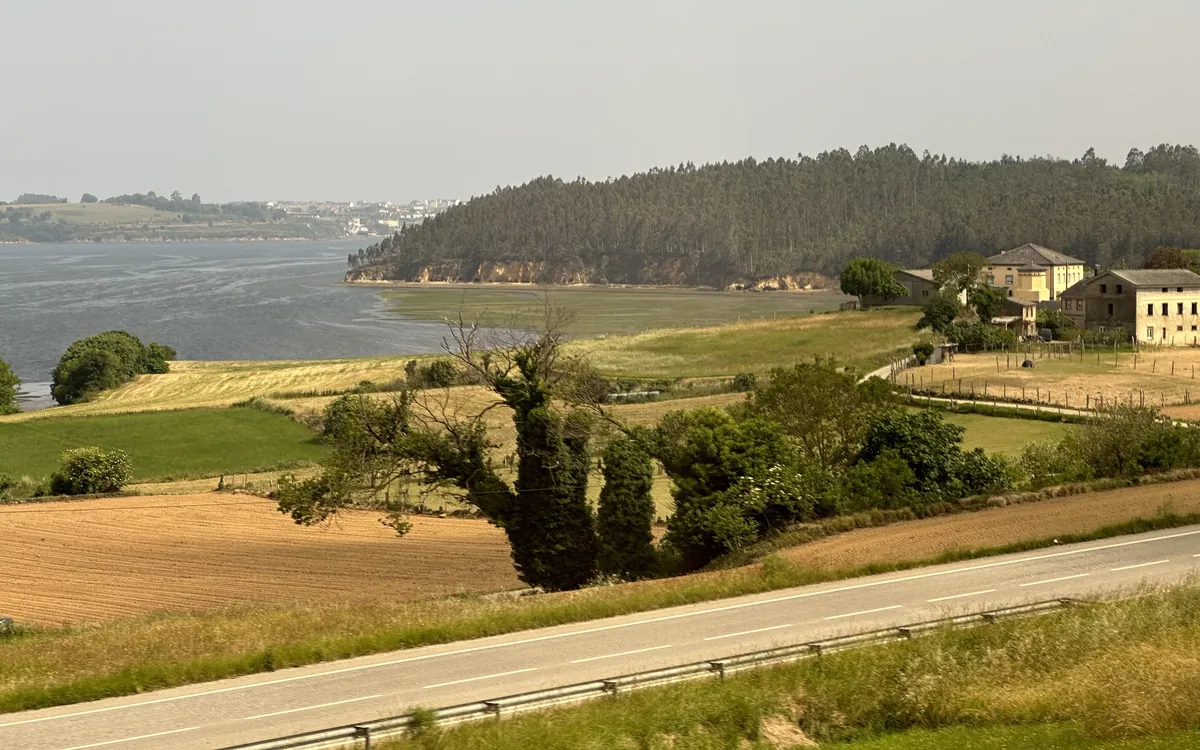
To see interior take AS‑219 quiet road threads between meadows farmhouses closed houses stand beside working barns cattle still move pastures some areas ordinary sight here no ticketed viewpoints pull over safe not way look across fields low hills
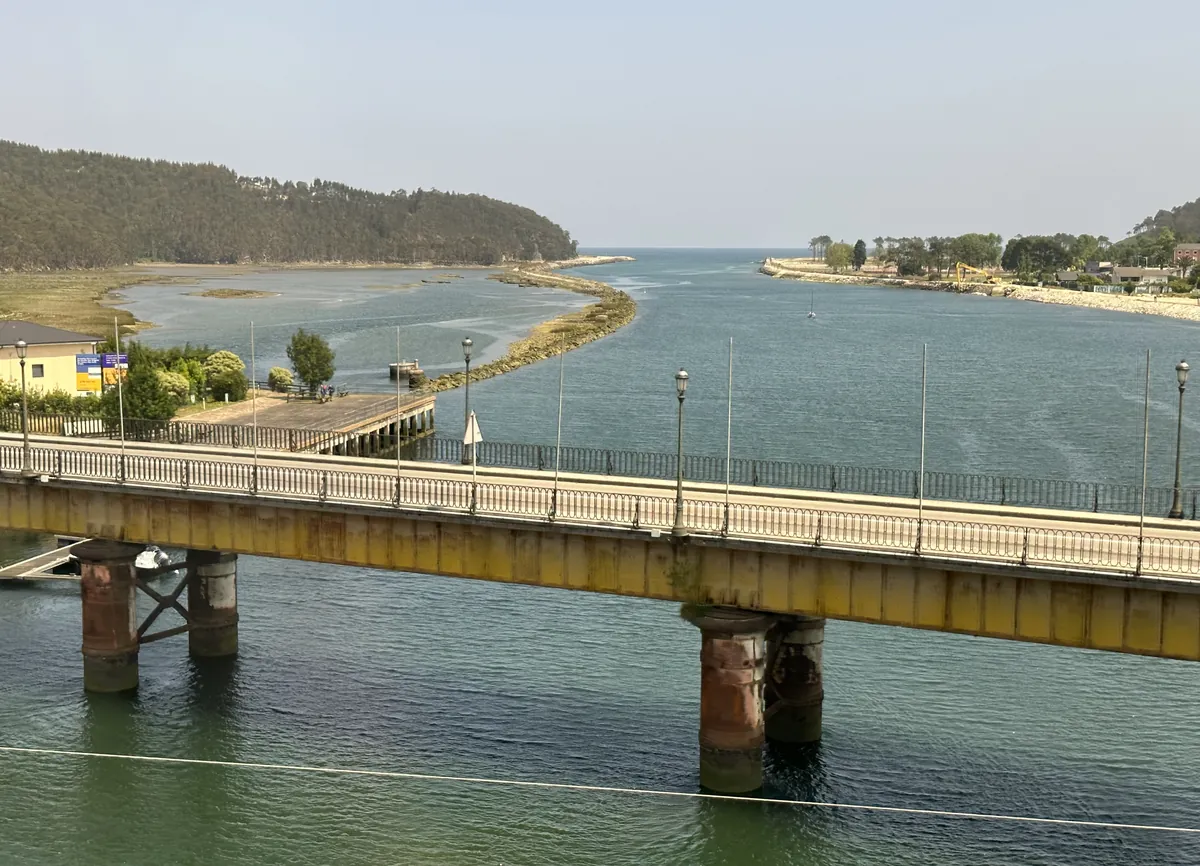
Coastline runs miles but not strip promenades ice-cream kiosks access can involve walking Atlantic wind feels cool even August public transport links main settlements yet services limited car makes exploring easier
Eating what sea fields allow
In Luarca fish default Grilled battered squid appears frequently often portions larger than expected remains squid done simply harbor setting makes feel appropriate
Across council strong dairy tradition shops supermarkets stock Asturian blue cheeses powerful smell deep lingering flavor local festivals sometimes bring spelt bread homemade cured meats outside those moments meals follow rhythm any coastal Asturian town straightforward filling tied available
Food here doesn't arrive dressed visitors reflects landscape Sea front pasture behind
When come what expect
Valdés rewards slower approach not checklist destination council large rural dispersed Luarca concentrates most summer activity especially around harbor cemetery viewpoint June early autumn suit place well fewer people walking through centre doesn't require patience August patience essential parking moving tight streets if doesn't bother energy high season own appeal Winter brings quiet space harbor still works sea still shapes headlands fog roll transform cemetery near-monochrome scene port almost disappears Valdés doesn't try entertain every turn after dark especially outside height summer noise level drops sound carries most consistently cry gulls low wash Atlantic This place conversation turns easily weather state sea stretches along rugged coast green interior fields Luarca perched between slope water Go time accept small inconveniences summer traffic allow atmosphere settle view headland still there whether horizon clear wrapped mist