Full Article
about Villanueva de Oscos
Monastic peace in the Oscos
Ocultar artículo Leer artículo completo
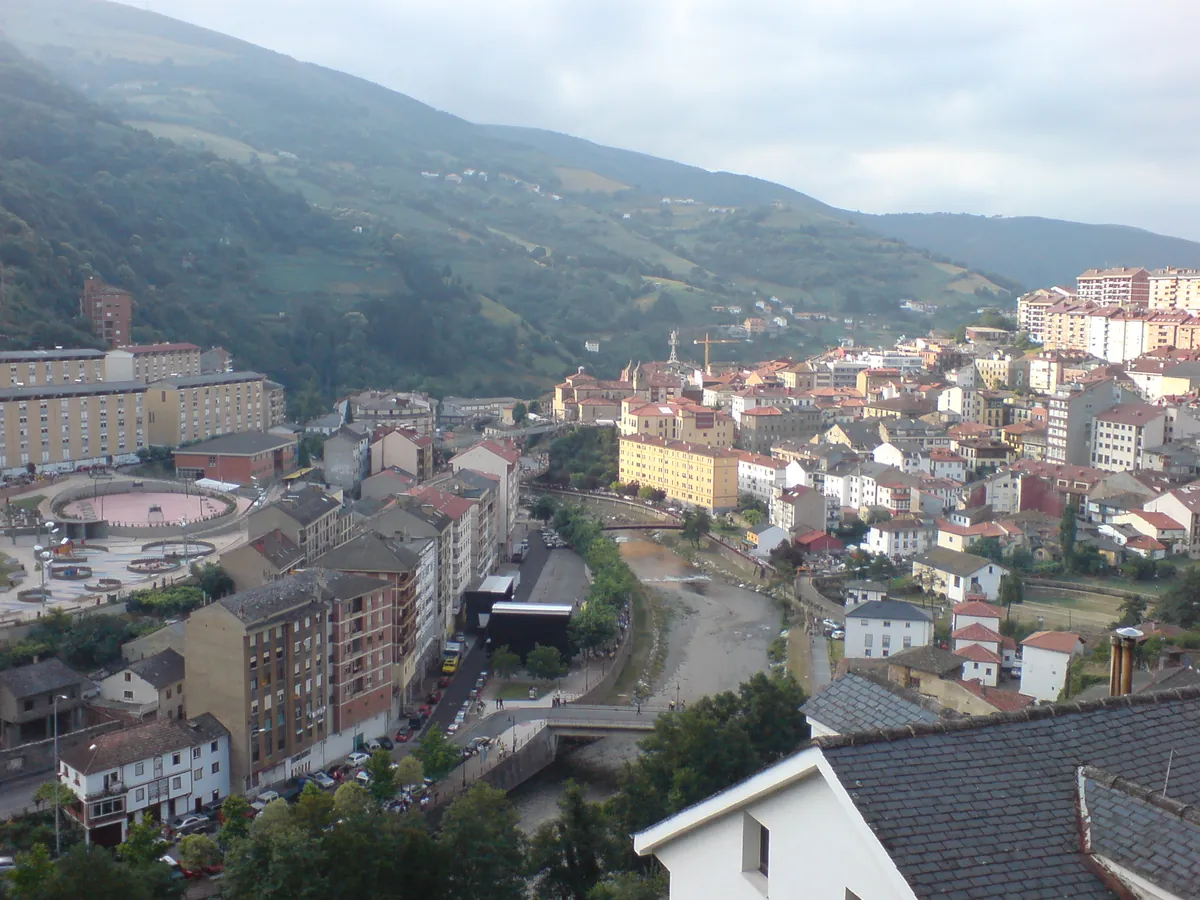
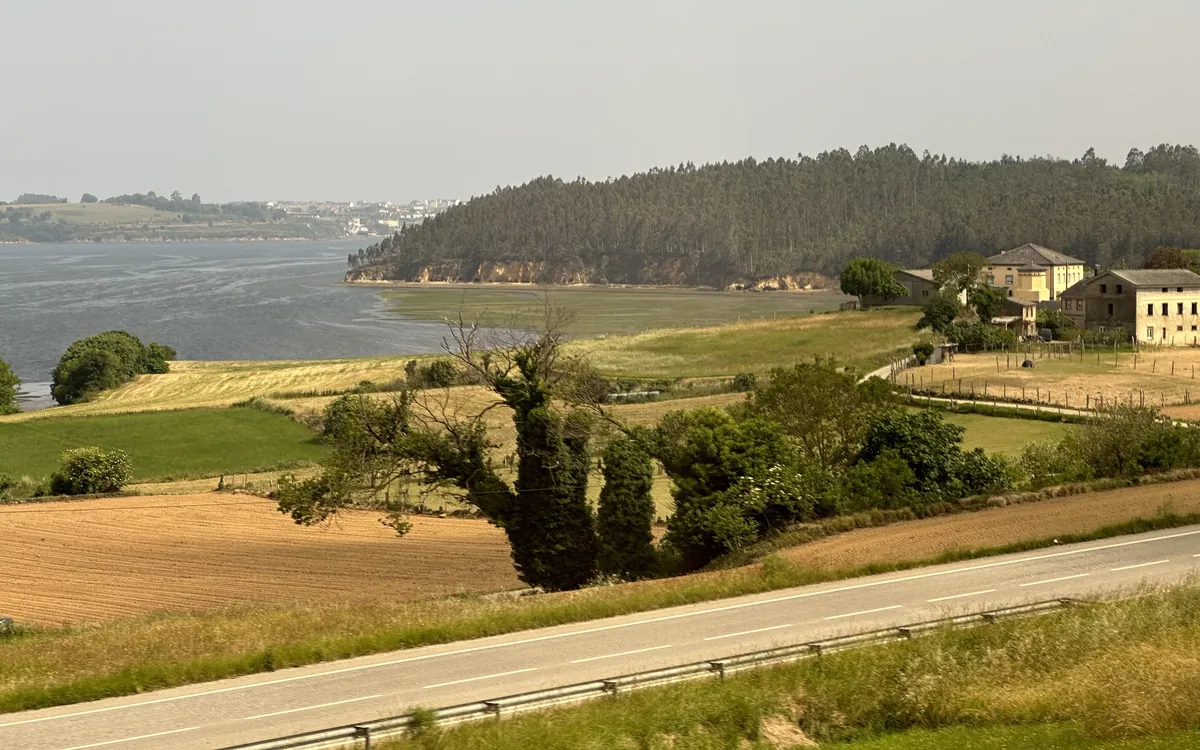
The fog lifts just long enough to reveal a stone cross wedged into a wall, its carving so worn the crucifix looks more like a plus sign. That's your first clue the clocks run differently here. Villanueva de Oscos sits halfway up a valley in Spain's most north-westerly province, close enough to the Atlantic for rain-bearing clouds but far enough inland that the sea remains a rumour. Five hundred residents, give or take a few who've nipped down to Vegadeo for groceries, share 45 square kilometres of chestnut woods, cow pastures and lanes so narrow the council trims the hedges to stop lorries getting wedged.
Stone, Wood and the Smell of Damp Slate
Houses are built from whatever the hillside coughed up: slate roofs the colour of wet charcoal, granite cornerstones, oak balconies green with age. No-one paints the timber bright colours here; the climate won't allow it. Instead the wood turns silver, then black, giving the villages – Fontanera, Seimeira, Rozadas – the uniform look of an old photograph. Walk at dawn and the only sounds are a chainsaw starting somewhere across the river, boots squelching on fallen leaves, the soft slap of milk hitting aluminium as a farmer finishes the morning round.
The Monastery of Santa María is less a ruin than a roofless parish church that grew too big for its boots. You simply push the iron gate – no ticket, no turnstile – and wander into the cloister where ferns sprout from cornices. Bring a torch; the chapter house at the back is pitch-black at midday and the graffiti scratched into the limestone ranges from 1764 to last April. English voices echo here more often than Spanish ones in winter, mainly walkers on the Camino de Santiago's coastal link who've detoured inland for a bed at the municipal albergue (€15, kitchen included, blankets but no heating).
When the Woods Take Over
October is the month the valley advertises itself. Chestnut leaves turn the colour of burnt toast and locals fan out with wicker baskets looking for boletus edulis. The council has marked four circular walks from 4 km to 16 km, but way-marking is a polite suggestion rather than a promise. After heavy rain the signs disappear under bramble and the paths become small streams. Download the free "Sendas de Oscos" pdf before you leave home – phone signal vanishes two minutes outside the village – and pack boots with proper tread. The shortest loop, up to the abandoned mills at A Veiga and back, still involves 200 m of climb, enough to remind you the altitude here is 500 m and the air cleaner than your dishwasher filter.
Spring works too, especially May when the meadows are short enough to see cowslips without getting pollen on your socks. Summer is warm but rarely hot; midges own the riverbanks at dusk so walkers tend to start early and nap through the afternoon heat that arrives, some days, at 26 °C. January is perfectly possible – the road from Vegadeo is kept open – but daylight packs up at 6 pm and the albergue shuts, forcing you into one of the stone cottages that rent by the night (€70-€90, firewood extra).
Bread, Cheese and the Art of Doing Nothing
The Eco-Museum of Bread opens only Friday to Sunday, but ring ahead and the caretaker, Ana, will appear with a key and a cast-iron pan. She shows how the communal oven once fired twice a week and sent a plume of smoke over these slate roofs that could be smelled in the next valley. You get a hot chunk of rye and a thimble of cider; the whole performance costs €3 and is worth it for the smell alone. Vegetarians survive on caldo de verduras, a light vegetable broth that tastes of leek and cabbage rather than chorizo if you specify. Carnivores graduate to cecina, air-dried beef sliced see-through thin, less fatty than jamón and reassuringly like the stuff you pay £6 for in Borough Market. The local cheese, queso de Oscos, sits somewhere between Caerphilly and a young Manchego; start with the semi-curado version unless you enjoy the tongue-tingling sensation of live culture.
Casa Perales, the only restaurant open year-round, will grill plain fish for children who balk at octopus, but don't expect chips – the kitchen does boiled potatoes or bread, take your pick. Dinner for two with a bottle of cider (you pour it above your head, don't ask why) lands just under €40. If that feels steep, the village shop stocks tinned tuna, local apples that stay crisp until Christmas and a surprisingly good Albariño for €7 a bottle.
Getting Here, Getting Out
Public transport is a theoretical concept. One bus leaves Oviedo at 07:15, reaches Villanueva at 11:20 and turns straight round. The same vehicle comes back at 17:00, so unless you fancy four hours on a plastic seat, hire a car. From Santander it's two hours on the A-8 to Ribadeo, then 35 minutes inland on the AS-28, a road that coils like a dropped garden hose. Fuel up in Vegadeo – the last garage before the valley – and withdraw cash; the bakery doesn't take cards and the nearest ATM often runs out of €20 notes on Sunday evening. Distances look tiny on the map; allow 40 minutes for every 25 km once you leave the dual carriageway.
The Catch
There is one, and it's not minor. When the cloud drops you could be anywhere in the Pennines with better stone-work. Views disappear, paths turn to porridge and the romantic notion of "digital detox" becomes frantic waving in the church porch hoping for one bar of signal to tell your other half you haven't fallen in the river. The valley's beauty is conditional: it needs the right light, the right footwear, a car that doesn't mind reversing 400 m when you meet a tractor hauling silage. Come unprepared and you'll spend the afternoon in the bar staring at a cracked tile depicting the Virgin, nursing a €1.20 coffee and wondering why you didn't stay on the coast.
Yet on a clear morning, when the sun catches the quartz veins in the slate and a buzzard circles over the monastery walls, Villanueva de Oscos feels like someone pressed pause on the 1950s. Just remember to fill the tank, pack the waterproofs and surrender to valley time: the place will not hurry, and neither should you.