Full Article
about Villayón
The council of waterfalls
Hide article Read full article
Smoke in the Valley, Water in the Air
The smell arrives before the view. On autumn evenings in Villayón, damp woodsmoke drifts down the Polea valley and settles halfway along the hillside, mixing with mist that seems reluctant to lift. By five o’clock the sun has already slipped behind the Sierra de Carondio. What remains is the sound of water: small streams cutting across fields, a fountain left running, a door closing somewhere in a stone house.
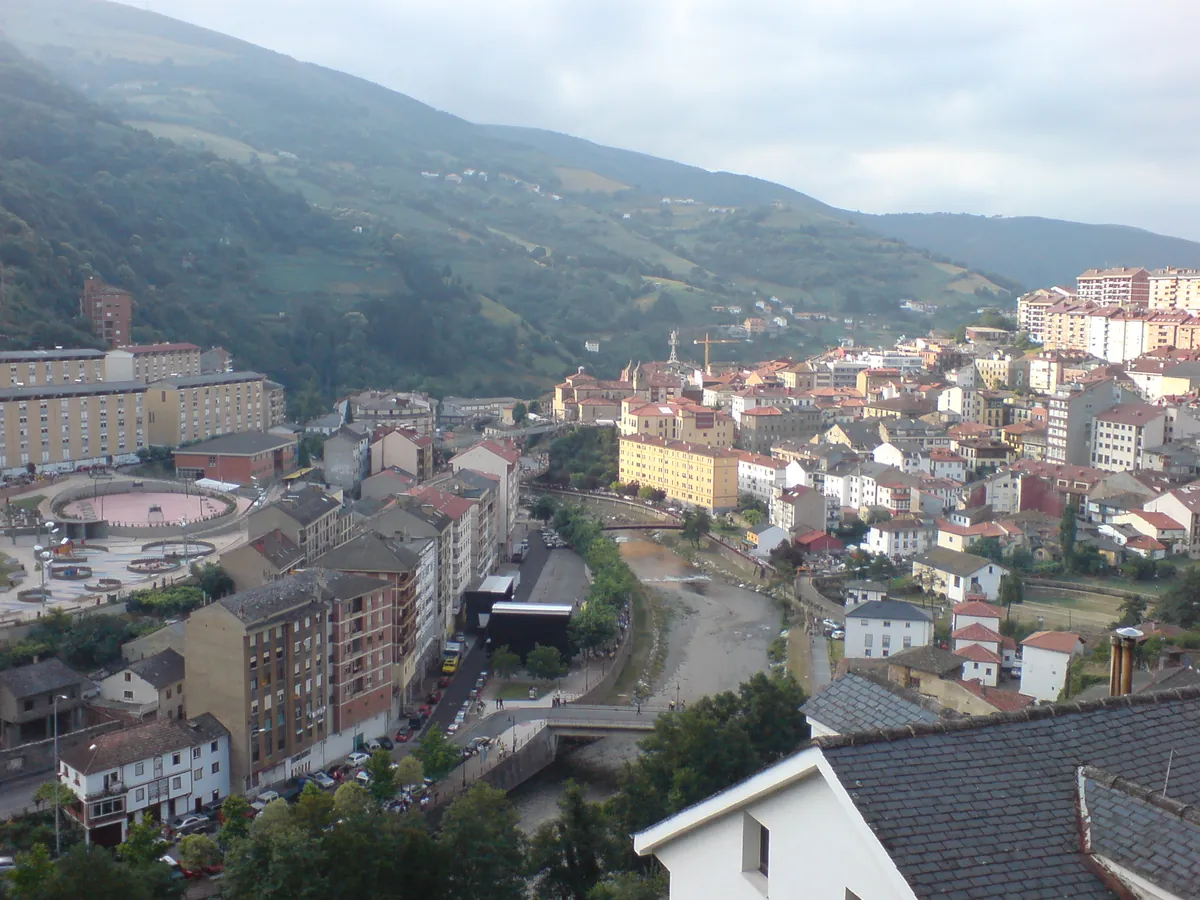
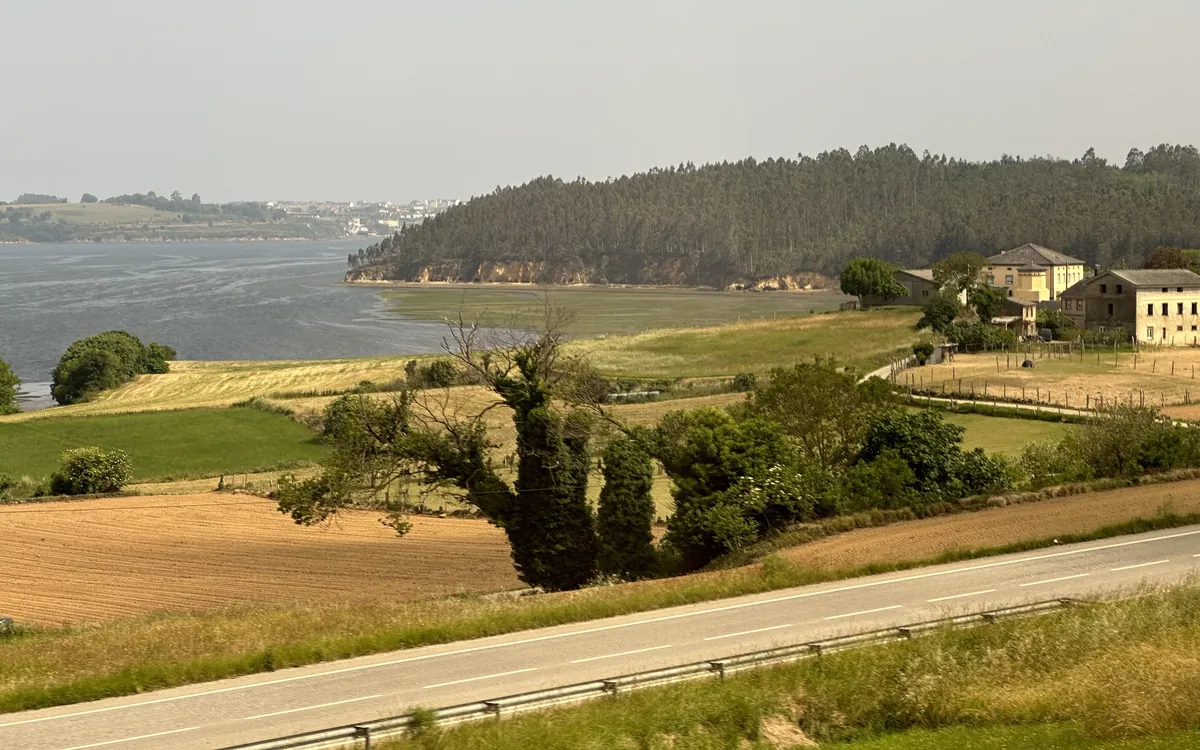
Villayón sits in the hills of western Asturias, a municipality of around 5,000 people spread across a scattering of parishes rather than gathered into a single compact village. From the road into the administrative centre, the valley opens like a relief map: sloping meadows, patches of oak and chestnut, dark slate roofs punctuating the green. The centre itself is modest, with a town hall and a handful of streets. Most days pass quietly.
This is mountain country without drama. The altitude and the surrounding sierra shape the climate in subtle but constant ways. Mornings can begin clear and end in low cloud. Even in summer, evenings cool quickly once the sun drops behind the ridge. In winter and autumn, mist often lingers along the valley floor and halfway up the slopes, softening edges and dampening sound.
Public transport is limited, and the parishes lie several kilometres apart along narrow, winding roads. A car makes life much easier, particularly for reaching trailheads and moving between scattered hamlets.
The Water That Sings
A few minutes’ drive from the main centre, the road narrows between moss-covered banks. In the parish of Oneta, a path leads to the waterfalls that have become the best-known sight in the area.
The walk begins gently, passing vegetable plots and fenced meadows marked out with wooden stakes. First comes the noise, then the sight of La Firbia, the initial drop of the Oneta river spilling down a dark rock face. In spring, or after several days of rain, the water carries real force. The sound ricochets through the trees and can be heard well before the falls come into view.
The route continues to other cascades along the same river. It is not especially long and can be completed in a little over an hour at an unhurried pace. The terrain is straightforward, though moisture is part of the landscape here. Stones turn slick quickly, and good footwear is more than a formality.
Arriving early is sensible, particularly on fine weekends. The parking area is small and once it fills, cars line up along the roadside. During the week the rhythm changes. Fewer visitors, more locals moving at their own speed.
Water defines Villayón beyond the waterfalls. Streams thread through fields, and the steady presence of running water becomes background music. After heavy rain the volume rises across the entire valley; in summer the cascades thin and the woods grow quieter.
At the Table When the Temperature Drops
Cold weather brings a shift indoors. In this part of western Asturias, cooking remains closely tied to what is raised or grown nearby. When temperatures fall, tables fill with spoon dishes: fabada, cabbage-based stews, thick broths scented with cured pork.
The compango, the trio of meats that gives many Asturian stews their depth, often comes from domestic slaughter or small local producers. Black pudding, chorizo and pork shoulder cook slowly over a low flame while the kitchen warms around them. Meals are substantial and built for damp air and long evenings.
Cheese has its place too. Afuega’l pitu, one of Asturias’s oldest varieties, appears frequently. Its white paste is slightly grainy, with a gentle acidity that lingers. It is often eaten simply, allowing that tang to stand on its own.
Honey from the area tends to be dark and dense, frequently from heather. In summer, hives are moved up to higher pastures where flowering lasts longer. The result is a thick, aromatic honey that reflects the mountain flora rather than citrus groves or lavender fields.
Autumn brings chestnuts in abundance. The trees that pattern the hillsides fill out, and their fruit finds its way into local cooking. The season has a distinct feel: smoke rising from chimneys, castaños heavy with burrs, a sharper chill once the light begins to fade.
Sierra Paths and Older Footprints
For those drawn higher, Pico Villayón rises from the Sierra de Carondio above the valley. The ascent follows forest tracks and mountain paths. It is not technical, but it is long. Several hours should be set aside for the full climb and descent.
On clear days the reward is expansive. Valleys stretch towards the River Navia, and the glint of the Arbón reservoir appears between stands of pine. Cloud can change the experience entirely, reducing views to a shifting white wall. Conditions move quickly at this height, and carrying a waterproof layer is wise even when the morning looks settled.
The sierra holds traces of much older communities. Burial mounds and megalithic structures, identified as dolmens, sit quietly in certain spots. They are easy to miss: a low grassy rise, a rough circle of stones. These monuments were raised thousands of years before the present villages took shape.
Elsewhere in the area, archaeological finds bearing Latin inscriptions point to mining activity in the Navia valley during Roman times. Some pieces are kept in local churches or small collections. They serve as understated reminders that these hills have been worked and walked for millennia.
Seasons on a Different Clock
Villayón changes character across the year. Spring brings flowers to the meadows and stronger flow to the rivers. Waterfalls are at their most impressive after sustained rain. Summer is quieter in sound if not in visitors; the woods feel stiller, and the cascades lose some volume.
Autumn may be the most recognisable season. Chestnut trees are heavy, woodsmoke returns to the valley, and the light fades early behind the sierra. Winter sharpens everything: colder air, earlier dusk, a deeper reliance on indoor warmth.
Rain is part of the rhythm in any season. A clear morning does not guarantee a dry afternoon. Mist can sweep up from the valley floor within minutes and soak paths that seemed firm an hour before. Waterproof layers and sturdy boots are not over-preparation here, even for short walks.
Festive weekends in nearby parishes bring more traffic and fuller car parks. Outside those moments, life moves slowly. Cars are few. Neighbours walk along the local road. The loudest constant remains the river.
Villayón does not arrange itself around visitors. It remains a working, scattered mountain municipality where houses sit apart, fields tilt steeply, and water runs almost everywhere. Time feels measured less by schedules than by light on the ridge and the steady murmur from the valley floor.