Full Article
about Amieva
Gateway to the Picos de Europa
Hide article Read full article
Getting Your Bearings
Tourism in Amieva starts with understanding how the place works. This is not a destination with a single centre where everything gathers neatly. Instead, it is spread out across villages separated by bends and distance. You park in one place, get back in the car, drive on, and repeat. That pattern defines the visit.
The main route through the area is the road that runs along the Desfiladero de los Beyos. It is narrow in several stretches, with very few places to stop. If the idea is to take photos or simply pause to look at the river, it is important to use proper pull-ins rather than improvising. In summer there is a steady flow of traffic, including the occasional lorry, which makes stopping even trickier.
Amieva does not present itself all at once. It unfolds in fragments, linked by the road and shaped by the terrain.
The Landscape That Dominates
The Desfiladero de los Beyos is the most striking feature. High rock walls rise on either side, while the Sella runs below, tightly confined. The road clings to the slope, and driving through it becomes part of the experience itself. Stopping, however, is not always easy.
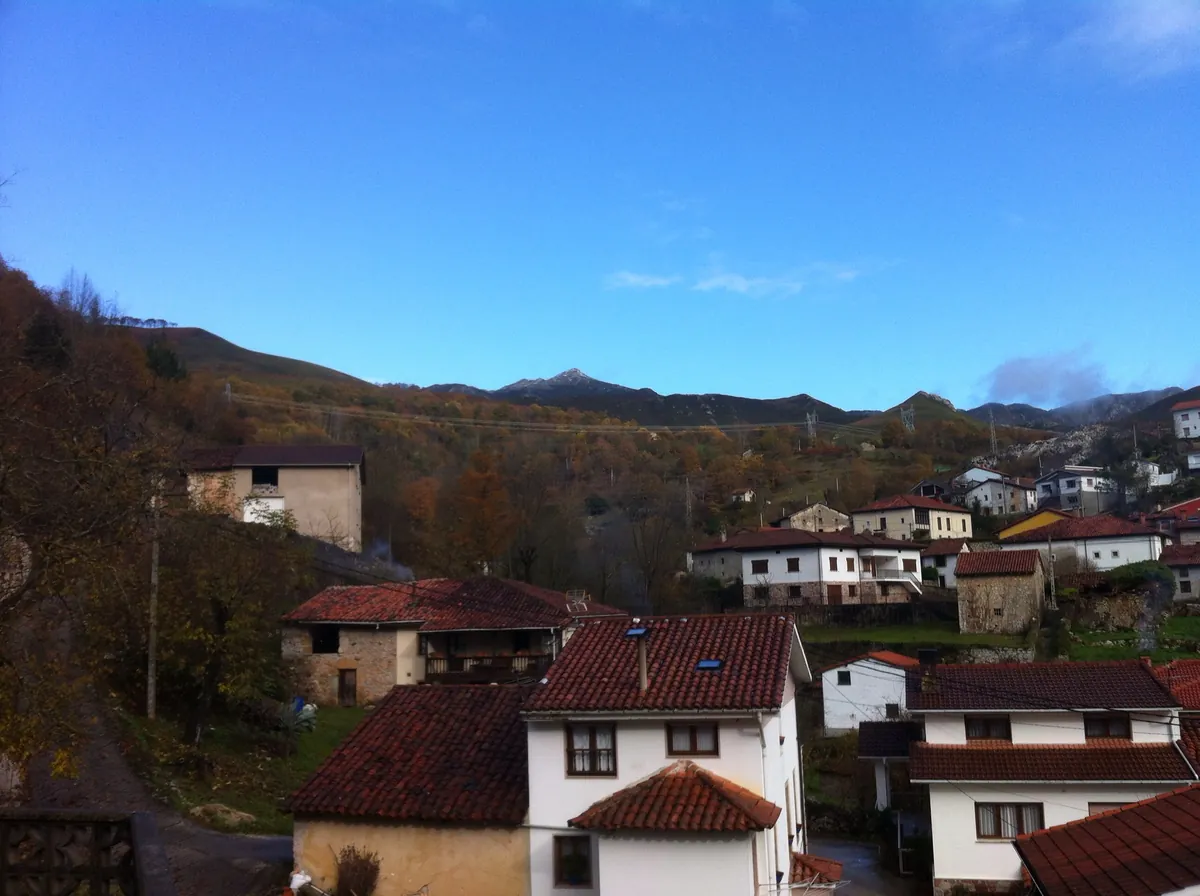
Sames serves as the administrative centre of the concejo, which is the local municipal area. It is small and straightforward. There is a church, a cluster of houses, and little else. A short walk is enough to see it. The hórreos, traditional raised granaries typical of northern Spain, are still in use here. They are not decorative additions but part of everyday life.
Heading further inland, the Puerto de Beza appears. The ascent is gradual, and the road narrows as it climbs. On clear days, the landscape opens up noticeably at the top. When fog rolls in, which is fairly common in these mountains, visibility drops and there is little to see from above.
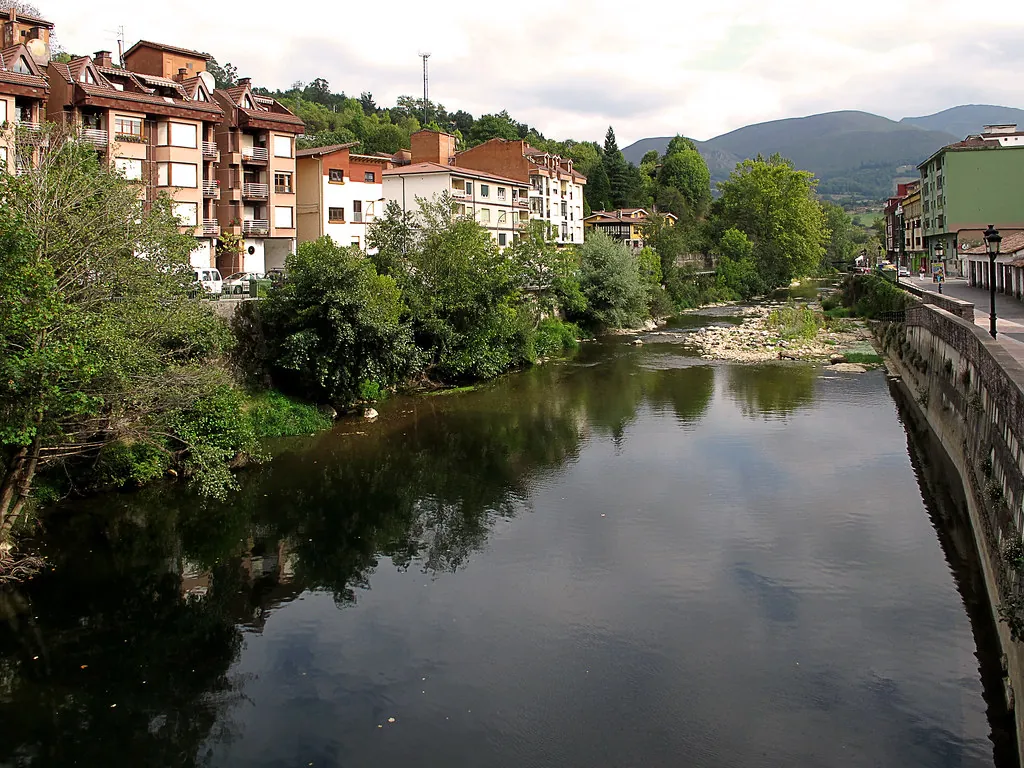
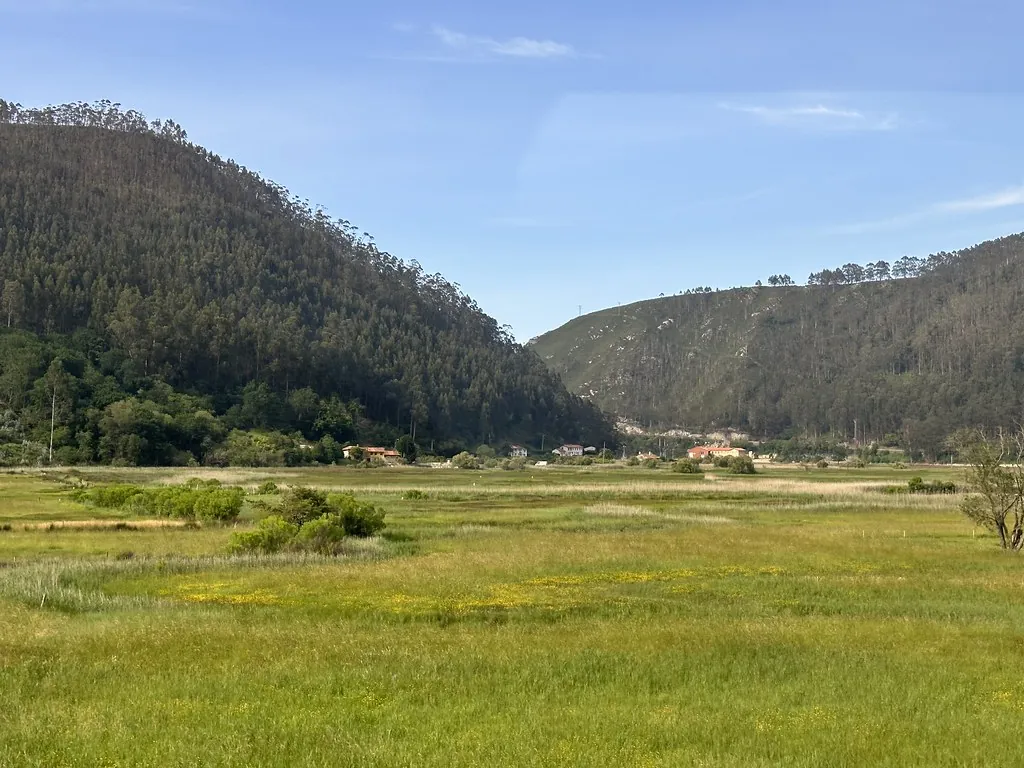
The valley of the Dobra offers a quieter contrast. There is forest, river, and shade. On hot days, it is a place where stopping for a while and stepping out of the car feels worthwhile.
Walking and Moving Around
There are options for walking, though they are not casual strolls. The Ruta del Arcediano passes through this area. It is an old route connecting several villages and entering wooded sections along the way. It is not an urban walk, and some parts are long and involve changes in elevation.
There are also access points towards areas of the Parque Nacional de Picos de Europa. Before setting out, checking the weather matters. Fog can appear quickly, and mobile phone coverage is unreliable in several spots.
The Sella crosses the concejo. Certain sections are used for canoeing, although this depends heavily on water levels and the time of year. Conditions are not always suitable, so it is not something to assume will be available.
Moving around Amieva requires patience. Distances may look short on a map, but the nature of the roads means travelling takes longer than expected.
If Time Is Short
With limited time, the most sensible plan is simple. Drive part of the Desfiladero de los Beyos and stop at a wide pull-in where it is safe to do so. That alone gives a clear sense of the area.
Afterwards, heading to Sames for a brief walk works well. It does not take long to see, and it provides a contrast to the more dramatic landscape of the gorge.
If the day is clear, driving part of the way up towards Beza can be worthwhile. If the peaks are covered, it is better not to spend time on the climb, as the views will not open up.
Before You Go
Amieva does not have a large historic centre or a single village that brings everything together. It is made up of small settlements scattered across the valley. Many people pass through on their way to other parts of the Picos de Europa rather than stopping for long.
Distances can be misleading. What appears close on a map often requires slow driving due to the nature of the roads.
Spring and autumn tend to offer good scenery when the weather cooperates. Summer brings more traffic along the road. In winter, it is worth checking the condition of the mountain passes and whether there has been several days of rain or snow.
A simple piece of advice sums it up: come without rushing and with at least half a tank of fuel. Quick plans rarely work here.