Full Article
about Cabrales
Cradle of blue cheese and the Picos de Europa
Hide article Read full article
The morning chill in Cabrales still holds the scent of woodsmoke from kitchen fires, a thin, sweet thread in air that tastes of stone and grass. Down in the valley, the villages are pockets of shadow, while higher up, the first sun catches the limestone crags of the Picos de Europa, turning them a pale, bleached gold. Here, the mountain isn’t a view; it’s a presence, felt in the slant of the land and the way sound carries—a cowbell, a distant tractor, the rush of the Cares River far below.
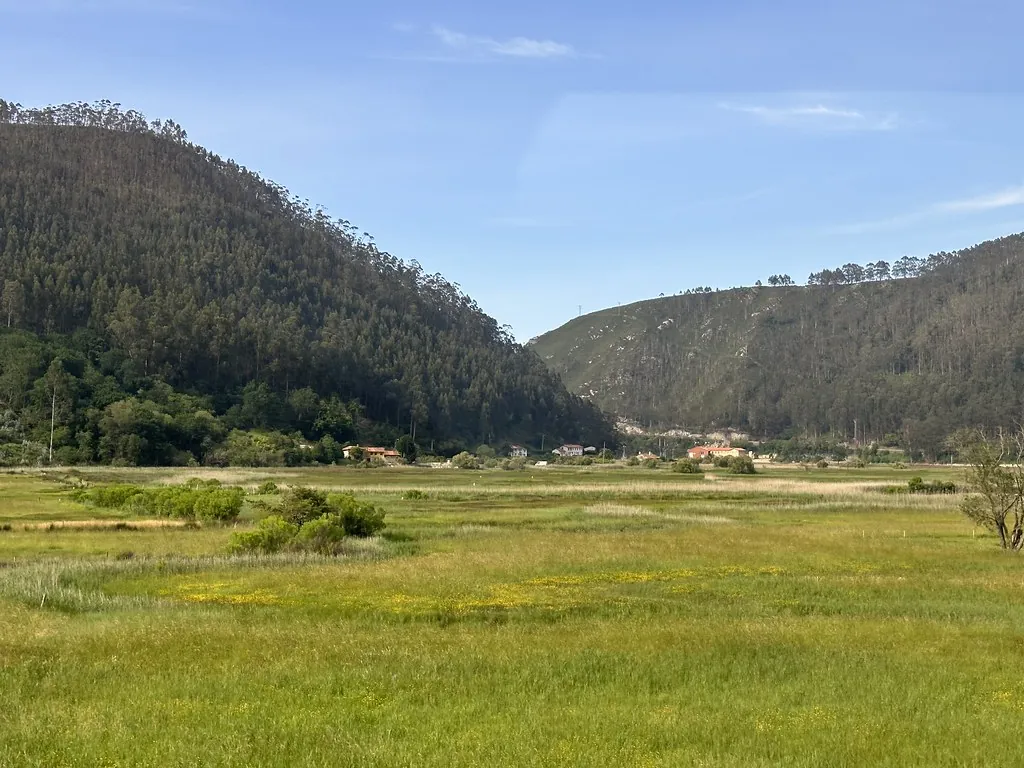
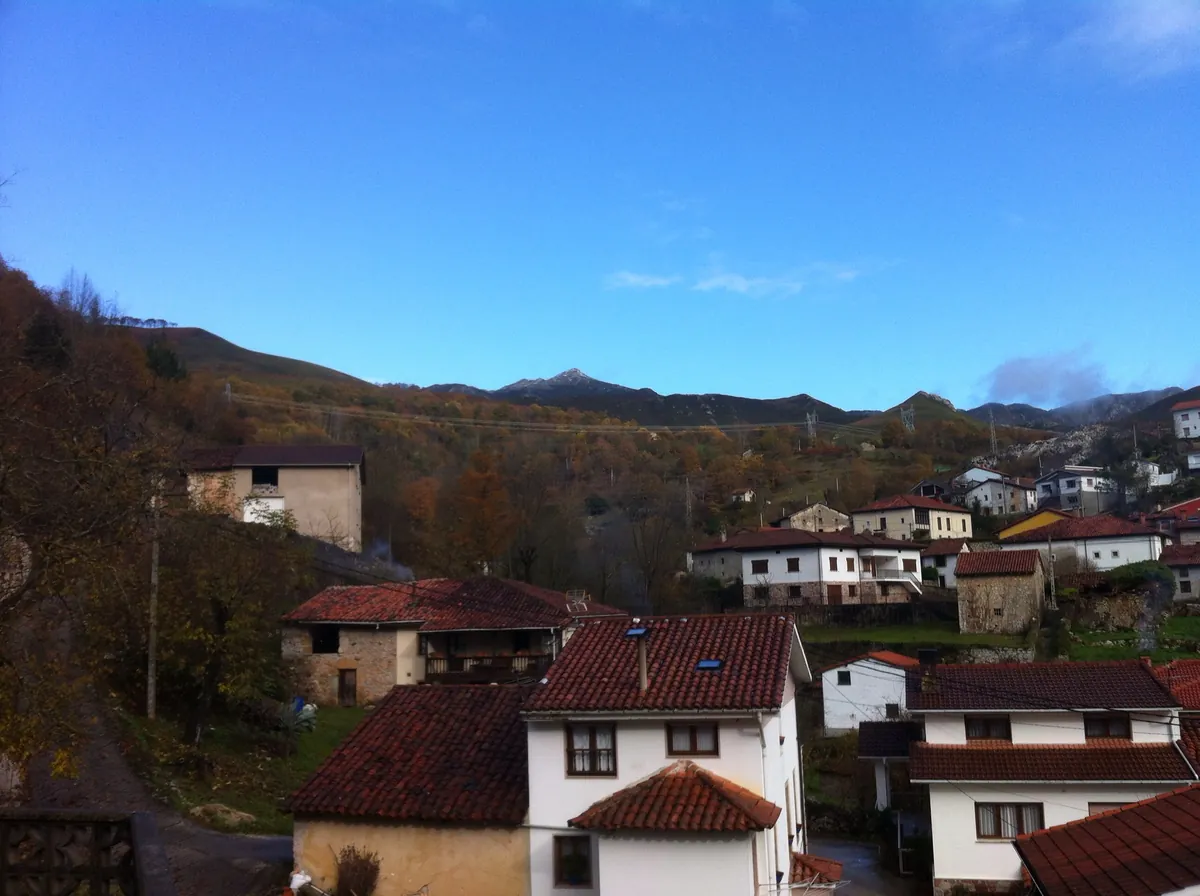
This is a working landscape, not a postcard. The famous cheese, with its sharp, cavernous smell, comes from this terrain. The villages—Carreña, Arenas, Sotres—are strung along hillsides connected by roads that coil like rope. You drive slowly here. A journey of ten kilometres can take half an hour, each bend revealing another steep meadow or a cluster of stone cabanas with slate roofs the colour of storm clouds.
Living Among the Peaks
The administrative centre is Carreña, a quiet knot of lanes where you’re more likely to hear Asturian spoken than anything else. Its church is simple, built from the same grey stone as the houses around it. Life moves at the pace of agricultural work. In Arenas de Cabrales, there’s more activity. Shops display wheels of cheese veined with blue, and you can sometimes watch a producer unpack a batch recently brought down from the maturing caves. The aroma in those rooms is dense, humid, almost peppery.
The smaller settlements—Poo, Tielve, Asiego—feel removed by more than distance. Time thins out. You notice the quality of the silence, broken only by water running in stone channels or the wind in the chestnut trees. There are no conventional sights. What stays with you is sensory: the cool dampness of a shaded lane, the sudden view of a peak through a gap in a barn wall.
Light and Weather on the Cares Trail
The Picos dictate everything. From miradores like the one above Puente Poncebos, you look straight into the throat of the Cares Gorge. On clear days, Picu Urriellu stands stark against the sky. But clarity is fleeting. Cloud pours in from the coast without warning, swallowing ridges and leaving only the sound of water echoing off rock.
Walking the Cares trail means sharing a narrow path carved into a cliff face. It’s engineering, not wilderness. The stone underfoot is uneven, worn smooth in places by countless boots. In high season, there’s a constant flow of people in both directions. To find any solitude, you need to start at dawn. The light then is flat and grey, but by late afternoon it slants deep into the gorge, warming the rock to a rusty orange and turning the river far below into a ribbon of shattered silver.
A Practical Rhythm
For quieter walks, seek out the paths that climb from these hamlets towards the brañas, the high summer pastures. The ascents are steady and often muddy. Good boots are non-negotiable, and carrying a waterproof layer is simply prudent. The weather can shift from sun to thick mist in minutes.
Most visitors come between July and September. If you do, commit to early mornings. The light is better, the trails are quieter, and you’ll have finished your walk before the day’s heat brings out the crowds. Spring has its own intensity, with every meadow a violent green. Autumn brings a sharper chill and woodlands smouldering with colour.
Come prepared for self-reliance. Shops are few outside Arenas. Mobile signal vanishes in the folds of the valleys. The cold at night, even in August, demands a sweater. This isn’t a place for a rushed itinerary. A day here might consist of one good walk, a slow lunch of local cheese and cider poured escanciada from height, and waiting for a bank of cloud to lift just enough to see the path ahead.
That acceptance is part of visiting Cabrales. The mountains decide what you see and when you see it. Your schedule is just a suggestion