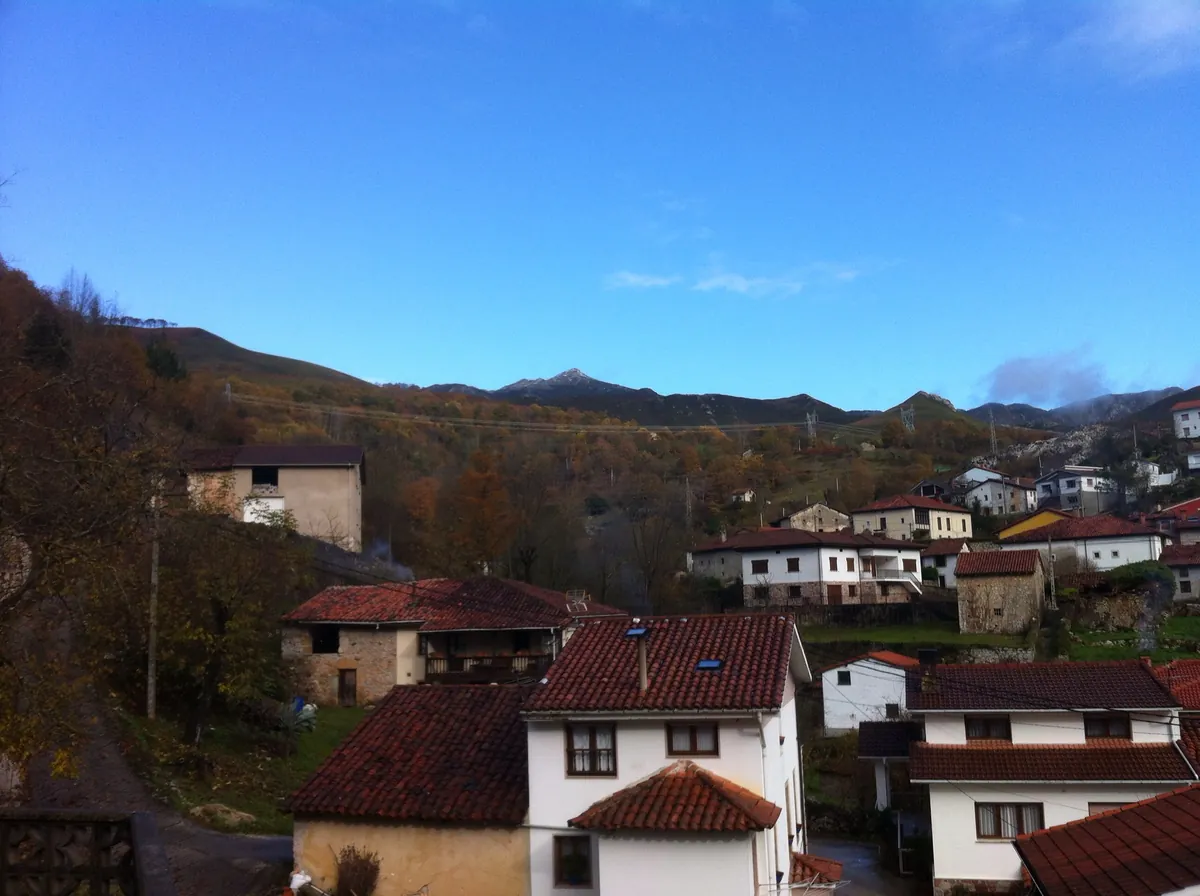
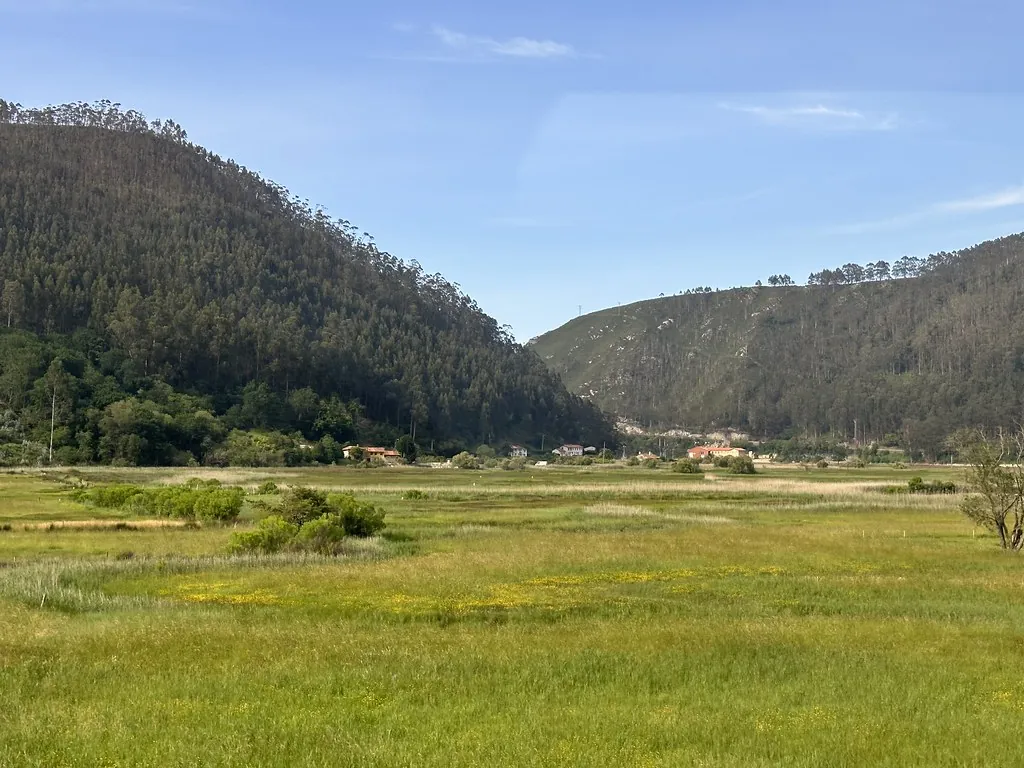
Cabranes - Flickr
jacilluch · Flickr 5
Asturias · Natural Paradise

Cabranes

The church door hangs open at Santa Eulalia de Narzana, revealing stone walls thick enough to swallow mobile signals. Inside, the air carries centu...

1,094 inhabitants · INE 2025
250m Altitude

Why Visit

Mountain Rural School Museum Cuisine

Best Time to Visit

todo el año

San Francisco and 46th Rice Pudding Festival Mayo y Septiembre

Things to See & Do
in Cabranes

Heritage

  • Rural School Museum
  • Riverside Path

Activities

  • Cuisine
  • Hiking

Festivals
& & Traditions

Fecha Mayo y Septiembre

San Francisco y 46º Festival del arroz con leche, Carmen de Torazu y jira de incós

Las fiestas locales son el momento perfecto para vivir la autenticidad de Cabranes.

Full Article
about Cabranes

Rice pudding capital

Ocultar artículo Leer artículo completo

The church door hangs open at Santa Eulalia de Narzana, revealing stone walls thick enough to swallow mobile signals. Inside, the air carries centuries of candle smoke and something sweeter—apples from the surrounding orchards that define this corner of eastern Asturias. Cabranes doesn't announce itself with dramatic vistas or medieval fortresses. Instead, it offers a masterclass in rural persistence: villages where wooden granaries still store grain, where neighbours know which field belongs to whom, and where the loudest sound is often a tractor changing gear.

Reading the Landscape

Five thousand people spread across forty-seven square kilometres means space to breathe. The villages—Fresnéu, Santolaya, Torazo, Pandenes—scatter like dropped coins across hills that roll rather than soar. Each settlement follows its own logic: houses cluster around a church or a spring, with narrow lanes designed for ox carts rather than SUVs. The distinctive hórreos rise on pegoyos (stilts) above the ground, their stone caps preventing rodents from reaching stored grain. These aren't museum pieces but working buildings, some dating to the seventeenth century, still used by families who can trace their land ownership back generations.

Apple orchards dominate the lower slopes, their blossom transforming the hillsides to white each April. The trees aren't neat commercial plantations but traditional pomaradas, mixed varieties planted for cider production. Come September, the harvest involves entire families shaking branches while canvas sheets catch the falling fruit. The cider museum at Torazo explains this relationship between land and drink, though check opening times before visiting—this isn't a theme park operation but a small exhibition run by locals who have farming to attend to.

Walking Between Worlds

The best way to understand Cabranes involves leaving the car behind. A network of traditional paths links villages, following ridge lines and valley floors. The walking isn't challenging—rarely more than 200 metres of ascent between settlements—but requires proper footwear. Recent rain turns clay paths slippery; summer dust can coat boots in minutes. Spring brings wild garlic and orchids to roadside banks, while autumn colours the oak woods copper and gold.

From Torazo to Santa Eulalia takes forty minutes on foot, descending through meadows where brown cows watch passers-by with bovine indifference. The route passes a derelict mill, its waterwheel long gone but stone channel still carrying a trickle between banks of wild mint. Near Santolaya, an abandoned casa señorial crumbles behind iron gates, its coat of arms just visible above encroaching ivy. These signs of decline aren't failure but evolution—younger generations choose city jobs over smallholding life, leaving properties to gradually return to earth.

When Silence Becomes a Sound

Mid-afternoon in August, heat shimmers above the main road. This is siesta time proper, not the tourist version. Shutters close against the sun, and villages empty except for the elderly who've earned the right to ignore clocks. The silence feels absolute until ears adjust: distant cowbells marking grazing animals, a cuckoo calling from mixed woodland, the whisper of wind through maize fields ready for harvest.

Evening brings gradual reawakening. Women emerge to sweep doorsteps while men gather at bar entrances, discussing football and rainfall statistics with equal passion. The single restaurant in each village serves simple food: fabada beans with chorizo, tortilla thick as textbooks, rice pudding that justifies the annual May festival. During Festival de Arroz Con Leche, Santolaya's population swells tenfold as visitors queue for versions ranging from classic cinnamon to experimental chocolate-orange. Accommodation books months ahead; day-trippers face parking chaos along lanes designed for horse-drawn carts.

Practical Realities

Getting here requires commitment. Asturias Airport sits forty-five minutes away via the A-8 motorway, then twenty minutes on regional roads that narrow alarmingly. The final approach involves single-track lanes with passing places; meeting a delivery van requires reversing skills and good humour. Satellite navigation occasionally directs drivers onto farm tracks suitable only for tractors—downloading offline maps proves essential when mobile signals vanish behind hills.

Eight hotels serve the entire municipality, alongside scattered self-catering properties. Prices reflect limited supply: £84 per night during spring and autumn, rising to £110 in summer. Book early for festival weekends or accept accommodation in Villaviciosa, twenty minutes away on the coast. The drive down to Rodiles beach takes thirty minutes through eucalyptus plantations, offering surfing opportunities that contrast sharply with Cabranes' inland calm.

Weather changes rapidly. Morning mist can hide villages entirely, burning off by eleven to reveal blue skies and twenty-degree temperatures. Afternoon thunderstorms build over the mountains, bringing brief but intense rainfall that turns paths to mud within minutes. Always pack waterproofs, even when departing under clear skies. Winter brings snow perhaps twice annually—enough to paralyse transport but transform the landscape into something approaching Christmas card territory, minus the commercialisation.

The Art of Slow

Cabranes rewards those who abandon checklist mentalities. This isn't a place for ticking off attractions but for understanding how rural Spain functions when tourism remains secondary to agriculture. Spend an hour watching swallows nest under church eaves. Learn to distinguish maize fields from meadow grass at fifty paces. Accept that the bar might close randomly when the owner collects grandchildren from school.

The village of Pandenes illustrates this philosophy perfectly. Twenty houses cluster around a chapel barely larger than a UK garage. The single lane passes within metres of front doors, where residents set out chairs for evening socialising. Children play football using chapel steps as goals while grandparents supervise from kitchen windows. None of this is staged for visitors—it simply continues as it has for decades, occasionally interrupted by strangers who've taken wrong turns and discovered something more valuable than intended destinations.

Leave before understanding arrives, and Cabranes disappoints. Those expecting entertainment find only emptiness. But visitors who adjust to rural rhythms discover something increasingly rare: a landscape where human activity enhances rather than dominates nature, where tradition serves purpose rather than performance, where five thousand people maintain a way of life that elsewhere exists only in folk museums. The apples will continue falling each autumn, the hórreos will keep storing grain, and the cowbells will sound across these hills long after today's visitors have returned home.

Key Facts

Region
Asturias
District
Oriente
INE Code
33009
Coast
No
Mountain
Yes
Season
todo el año

Livability & Services

Key data for living or remote work

2024
ConnectivityFiber + 5G
TransportTrain nearby
HealthcareHospital 8 km away
EducationElementary school
Housing~5€/m² rent · Affordable
CoastBeach nearby
Sources: INE, CNMC, Ministry of Health, AEMET

Planning Your Visit?

Discover more villages in the Oriente.

View full region →

More villages in Oriente

Traveler Reviews