Full Article
about Colunga
Dinosaur Coast
Hide article Read full article
Colunga: base costera y museo
Colunga es un municipio práctico para recorrer el oriente de Asturias. No es un pueblo grande, sino varios núcleos dispersos entre la costa y los valles interiores. La mayoría llega con un objetivo claro: el Museo del Jurásico o las vistas de Lastres. Se aparca, se ve, y se sigue camino.
El aparcamiento es un tema recurrente. En Lastres, las plazas se llenan temprano y las calles son estrechas. Llegar más tarde suele implicar dejar el coche arriba y bajar andando. Es parte de la dinámica del lugar.
No es una zona que intente retenerte con decenas de atracciones. Funciona mejor como una parada dentro de una ruta más amplia por Asturias.
La costa jurásica, sin mitos
La Ruta del Jurásico es una carretera costera con paradas señalizadas. En varios puntos hay yacimientos con icnitas, huellas fosilizadas en la roca. Sin contexto, parecen solo marcas extrañas en la piedra. Los paneles informativos ayudan a entender lo que estás viendo.
El Museo del Jurásico está en la rasa costera, a las afueras de Colunga. El edificio es grande y moderno. Dentro hay fósiles, reconstrucciones y material que explica cómo era esta costa cuando estaba sumergida hace millones de años. Da contexto útil al resto de la zona.
Para familias con niños suele funcionar bien. Solo es una visita más tranquila; se puede ver con calma sin dedicarle demasiado tiempo.
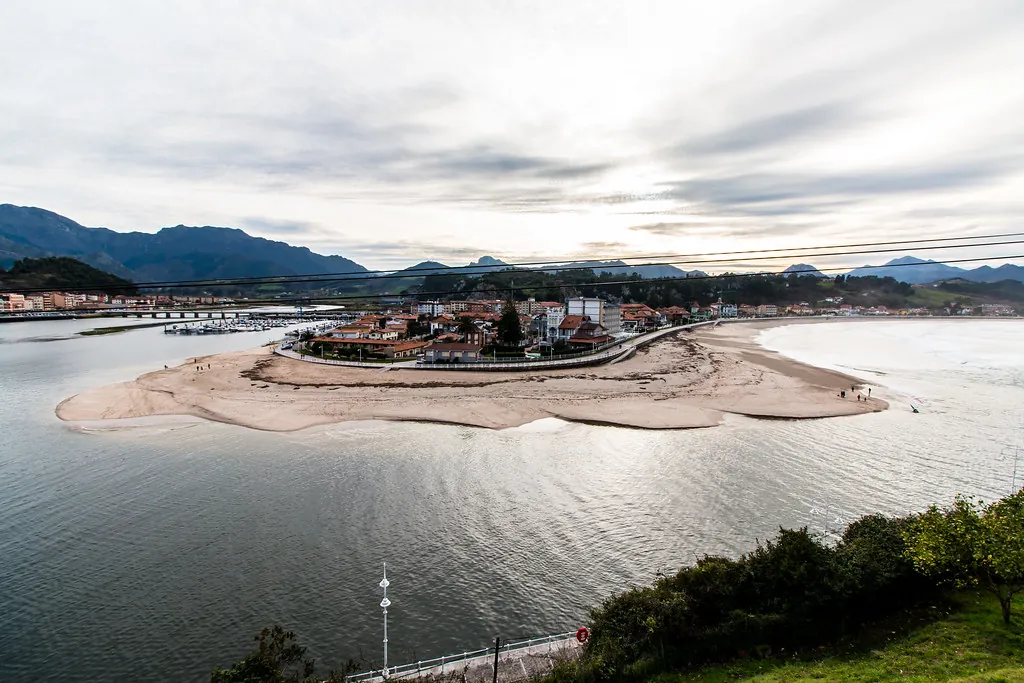
Cerca está la rasa de San Telmo. El mirador muestra el paisaje sin adornos: una plataforma plana, el corte del acantilado y el mar abierto. Mirándolo aquí se entiende por qué aparecen restos jurásicos.
En Tazones también se ven huellas en la roca de la playa. Solo son visibles con marea baja suficiente. A veces se distinguen bien; otras cuesta más localizarlas.
Lastres: cuestas y puerto
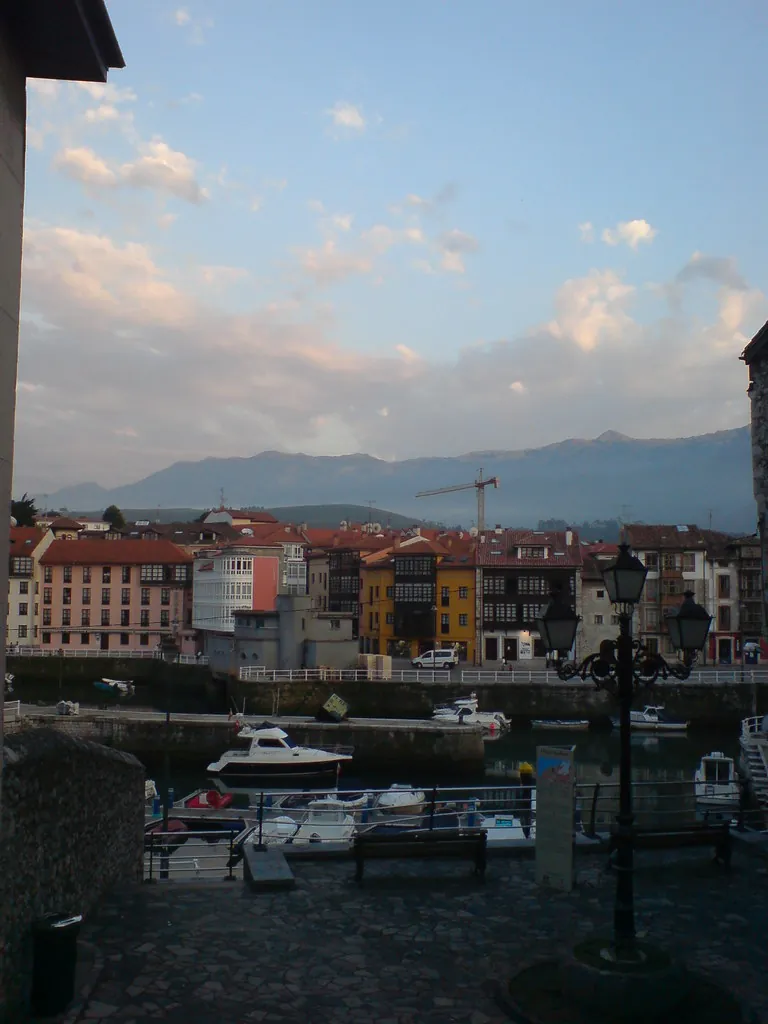
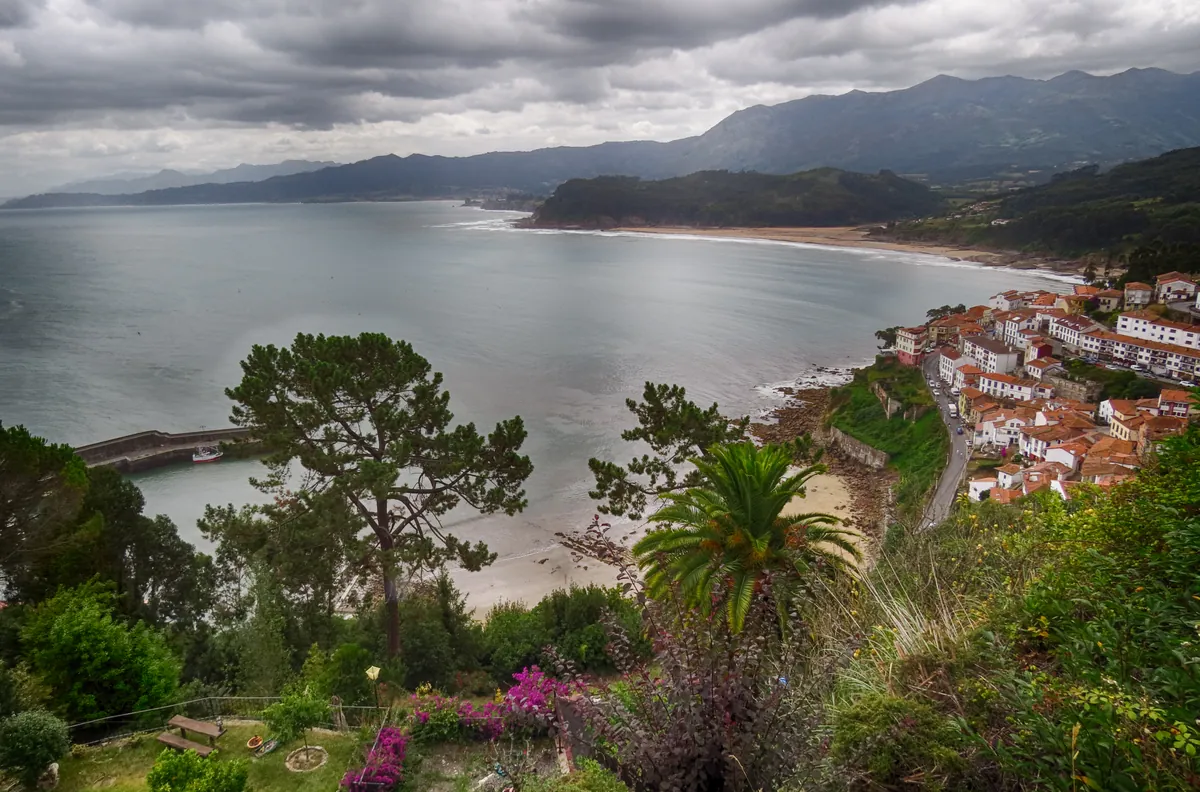
Lastres cuelga sobre su puerto. La estructura son cuestas largas, escaleras y calles por donde no caben dos coches juntos. Dejar el coche arriba y bajar andando es lo habitual.
Las casas miran al mar, con el puerto pesquero abajo. Se mezcla olor a sal, redes y gasoil, propio de un puerto pequeño que funciona. La iglesia se ve desde casi cualquier punto del pueblo; sirve como referencia al moverte por las calles.
Aquí se grabó la serie Doctor Mateo. Hace años llegaban visitantes buscando localizaciones. Hoy quedan pocas huellas; el pueblo ha vuelto a su ritmo normal.
La playa es de cantos rodados. En verano se llena rápido; el espacio es limitado. Lo que ves es lo que hay.
Gobiendes: piedra hacia el interior
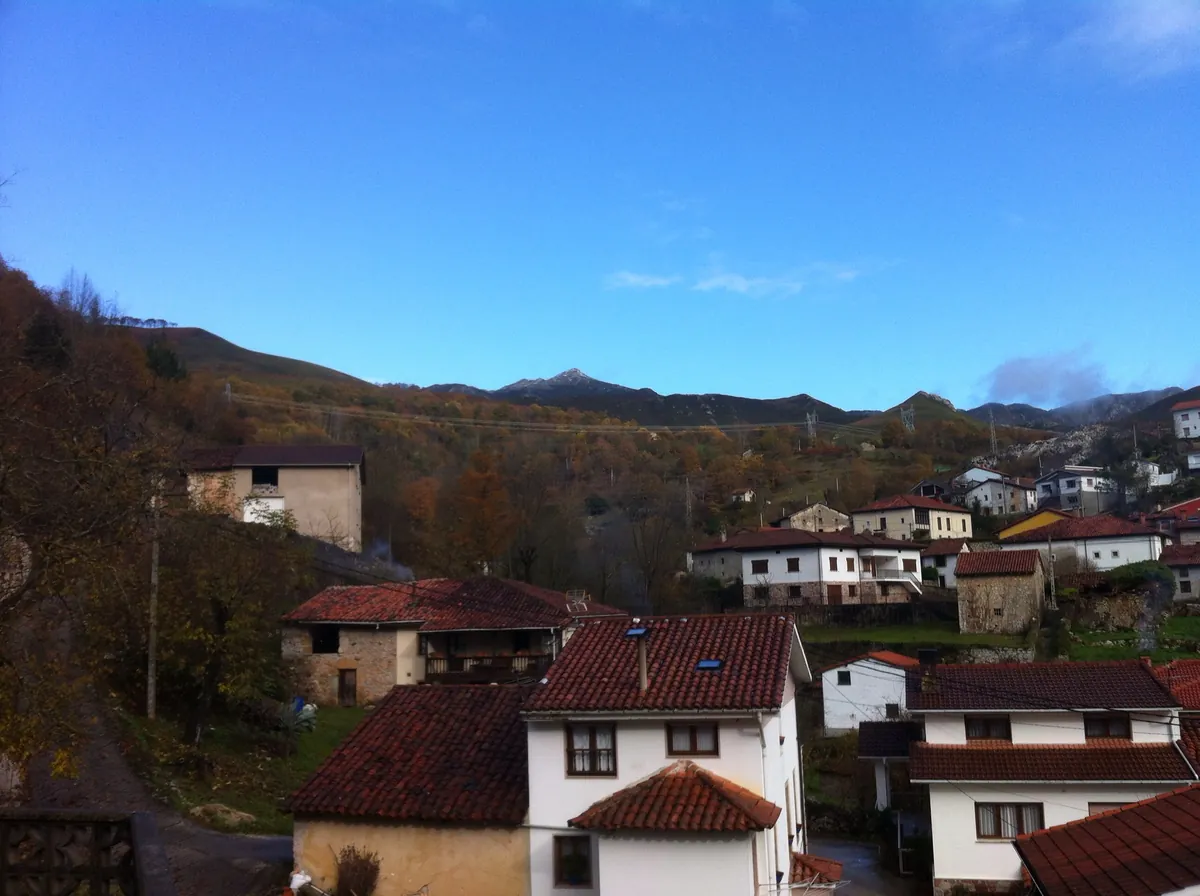
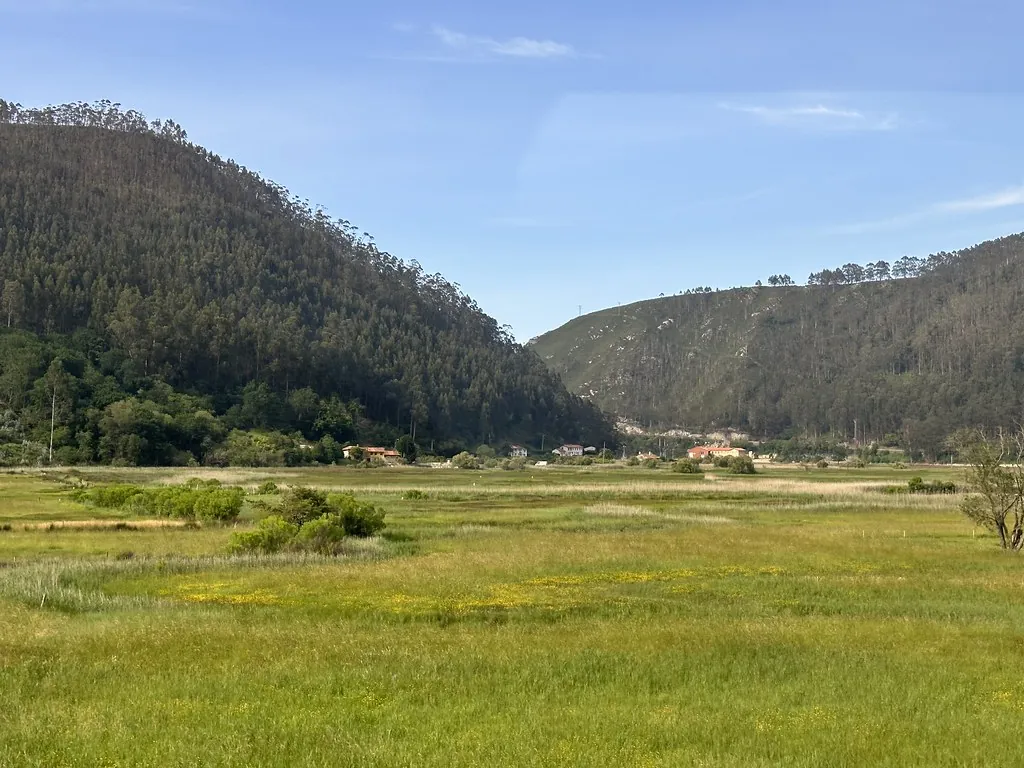
Alejado de la costa, el paisaje se abre a un valle con prados. Ahí está la iglesia de Santiago de Gobiendes. Es románica, lleva siglos ahí. La entrada es sencilla; dentro hay elementos antiguos conservados.
Como muchas iglesias rurales asturianas, suele estar cerrada. Si coincides con que está abierta, merece echar un vistazo rápido.
Junto a ella está el Palacio de Gobiendes. El edificio tiene antigüedad, aunque ha sido reformado. Sigue siendo vivienda privada, solo puede verse desde fuera. La fachada se aprecia bien desde el camino cercano.
Comer sin complicaciones
Comer aquí sigue el patrón habitual de buena parte de la costa asturiana: platos conocidos, sin grandes giros. Fabada aparece a menudo, lo mismo que pescado del día. Algunos sitios hacen arroz con marisco si forma parte de su cocina habitual.
La sidra está en todos los bares; es lo normal aquí para acompañar la comida o para tomar sola mientras ves pasar gente por alguna terraza cerca del agua o en alguna plaza interior donde apenas llega ruido salvo voces bajas hablando detrás ventanas abiertas durante tarde calurosa pero fresca al caer sol tras montaña cercana cubierta verde intenso bajo cielo despejado azul profundo hasta horizonte donde mar empieza extenderse infinito plano brillante bajo luz dorada última hora día antes anochecer rápido viene brisa fría sube collado trae aroma hierba húmeda tierra recién regada huerta pequeña junto camino piedra musgo entre juntas pared vieja construida siglo pasado todavía firme contra vientos invierno crudo estas tierras altas lejos ruido ciudad tráfico constante sirena lejana ambulancia hospital próximo pueblo mayor donde gente va comprar pan fresco mañana temprano antes trabajo campo empezar otra jornada larga bajo sol verano fuerte calor mediodía sombra árbol grande junto riachuelo corre constante fondo valle siempre agua clara fría nieve derretida cumbres lejanas blancas invierno eterno glaciar tiempo lento pasa diferente aquí reloj marca horas distintas vida tranquila pausada sabe quien vive sabe esperar momento justo cada cosa hacer sin prisa pero sin pausa como marea sube baja ritmo constante naturaleza orden establecido milenios antes hombre llegara alterar equilibrio delicado ahora intentamos recuperar poco poco volviendo raíces olvidadas enterradas bajo asfalto progreso mal entendido dejamos atrás buscando algo perdimos camino original hacia casa finalmente encontramos sitio pertenecemos aunque sea breve visita recordarnos quienes somos realmente debajo capas civilización impuesta desde fuera foránea cultura ajena raíz propia profunda esperando ser regada nuevamente florecer otra vez fuerte orgullosa identidad nunca desapareció solo dormida sueño largo despertar ahora necesario urgente tiempos convulsos necesitan anclajes sólidos pasado construir futuro mejor todos juntos misma dirección común unidad propósito compartido bienestar comunidad entera no solo individuo aislamiento egoísta beneficio propio corto plazo destruye entorno todos dependemos supervivencia colectiva esencial entenderlo pronto actuar consecuencia irreversible perderlo todo irreemplazable único hogar tenemos universo conocido llamado Tierra pequeña canica azul flotando oscuridad inmensa vacío frío absoluto milagro vida precaria frágil debemos proteger precio cualquier sacrificio necesario garantizar continuidad generaciones venideras hereden mundo habitable hermoso diverso lleno posibilidades esperanza renovada cada amanecer regalo precioso no desperdiciar jamás agradecer siempre oportunidad existir conscientemente contribuir algo positivo dejar huella buena paso transitorio efímero existencia breve pero significativa sentido profundo trascendencia espiritual conexión todo ser vivo planeta sagrado respeto profundo reverencia humildad reconocimiento lugar cosmos pequeño parte gran totalidad misteriosa fascinante eternamente explorando aprendiendo creciendo juntos evolución continua conciencia expandiéndose amor último respuesta todas preguntas fundamentales guía acción correcta compasión universal justicia equidad paz duradera posible creer trabajar diariamente hacer realidad sueño compartido humanidad reconciliada naturaleza misma fuente origen destino final unidad perfecta armonía restaurada plenitud gozo eterno presente momento ahora siempre aquí dentro corazón late sincronía ritmo cósmico danza divina celebración vida infinita bendición gracia recibida dar libremente circulación energía amor incondicional fuerza creadora universo manifestándose través nosotros instrumentos voluntarios servicio mayor bien todos seres sintientes liberación sufrimiento alcanzar iluminación despertar completo verdadera naturaleza realidad última vacuidad interdependencia radiante claridad sabiduría infinita compasi