Full Article
about Llanes
Film town with one-of-a-kind beaches
Ocultar artículo Leer artículo completo
The tide was still out when the first cider house opened. By 11am, locals were already testing the day's brew with the theatrical pour Brits film on their phones—bottle held high above head, liquid arcing into a wide glass held at knee height. None of it spills. Much.
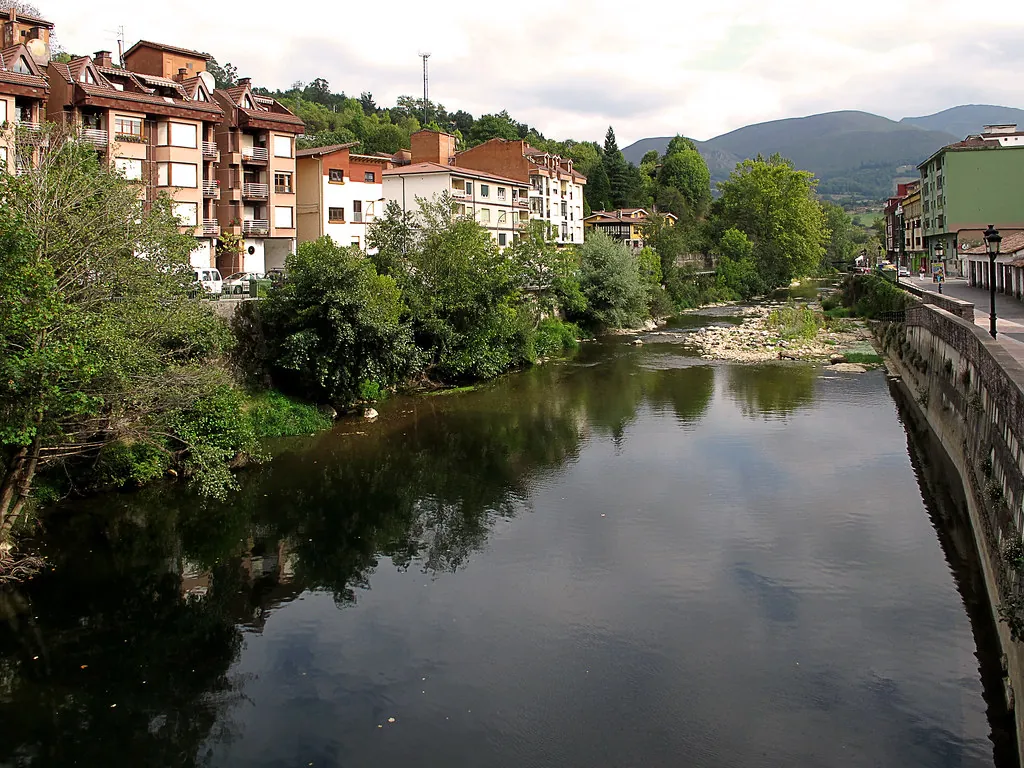
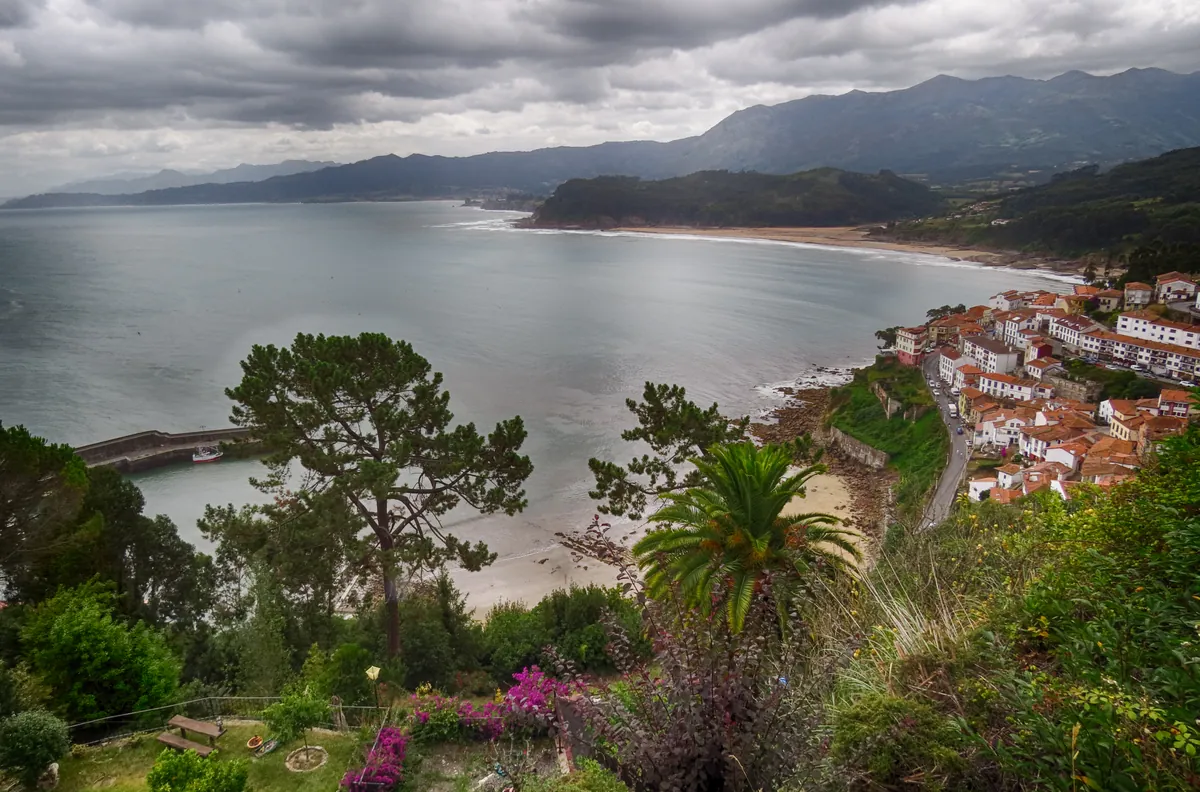
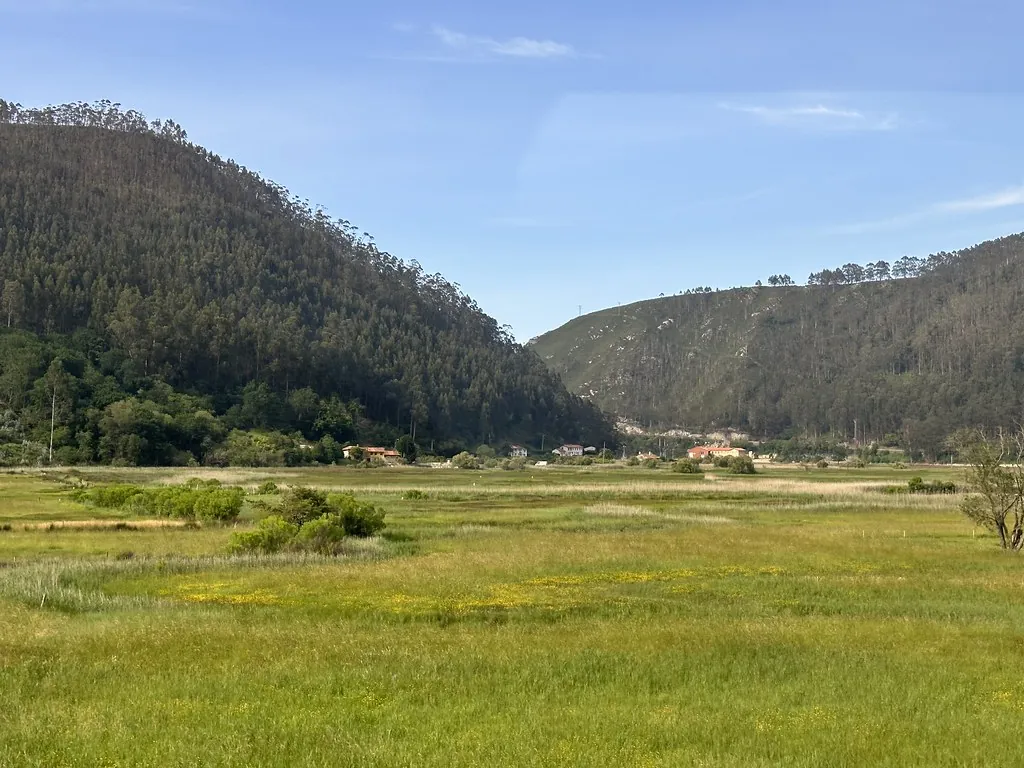
Llanes sits on Spain's northern coast where the Picos de Europa drop straight into the Cantabrian Sea. It's neither village nor city: 13,600 permanent residents, a working port, and a medieval centre compact enough to cross in ten minutes yet layered enough to occupy an afternoon. The result feels like what Cornwall might aspire to be—dramatic cliffs, empty coves—but with Spanish prices and proper sunshine.
Stone, Salt and Sidra
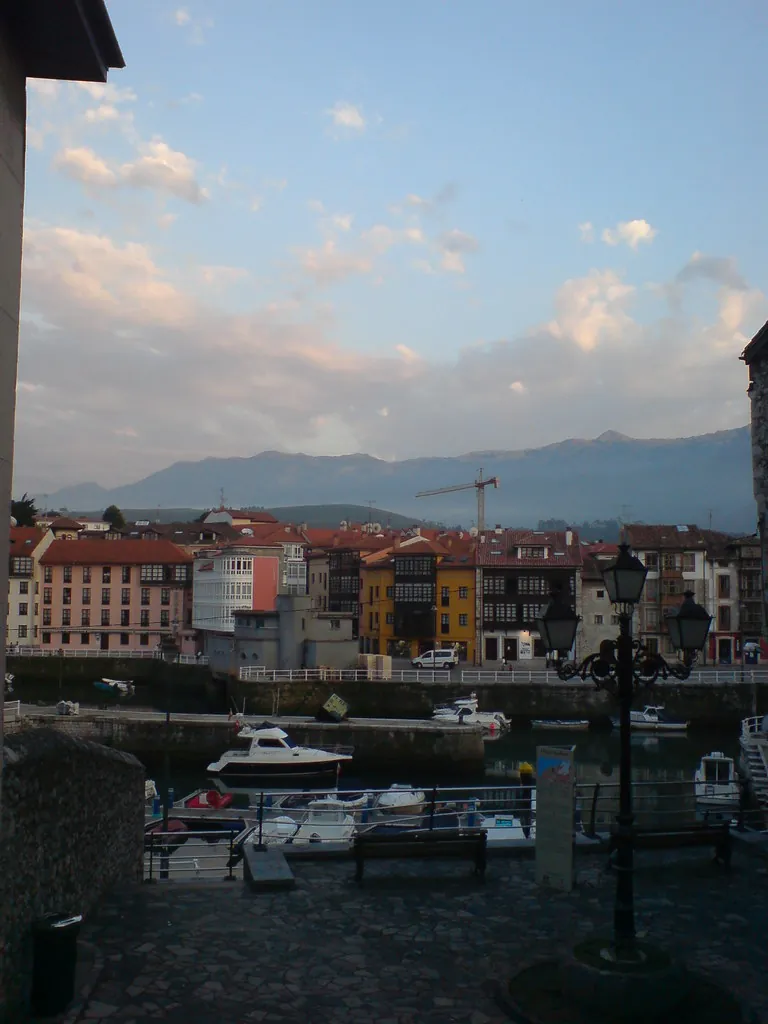
Start at the harbour wall. From here you can watch the morning catch come in—small boxes of squid, buckets of velvet crabs—while the Cubos de la Memoria stare back at you. These once-ugly concrete blocks have been painted by artist Agustín Ibarrola into a pixelated playground of colours and faces. They divide opinion: some visitors photograph them from every angle; others wish the council had left industrial brutalism alone. Either way, they're impossible to ignore.
Behind the port, the old town's defensive layout still dictates traffic flow. Alleyways barely two metres wide open suddenly into small squares where 17th-century mansions carry more coats of arms than you'd expect in a population this size. The Gothic Basilica of Santa María anchors the centre; its tower was rebuilt in 1891 after lightning split the original stone. Next door, the 13th-century castle keep houses an unexpectedly good maritime museum (€3, closed Mondays). From the battlements you realise how small the historic core really is—three streets back from the sea and you're already among modern apartment blocks.
The Paseo de San Pedro provides the best elevated view without any climb worthy of the name. This flat, tree-lined walk circles a small headland ten minutes from the centre. Benches face the Bay of Biscay; dolphins appear perhaps once a week according to the tourist office, though locals say it's closer to once a month. The path is stroller-friendly and takes fifteen minutes at dawdling pace—perfect for blowing away last night's cider.
Beaches That Change Their Mind
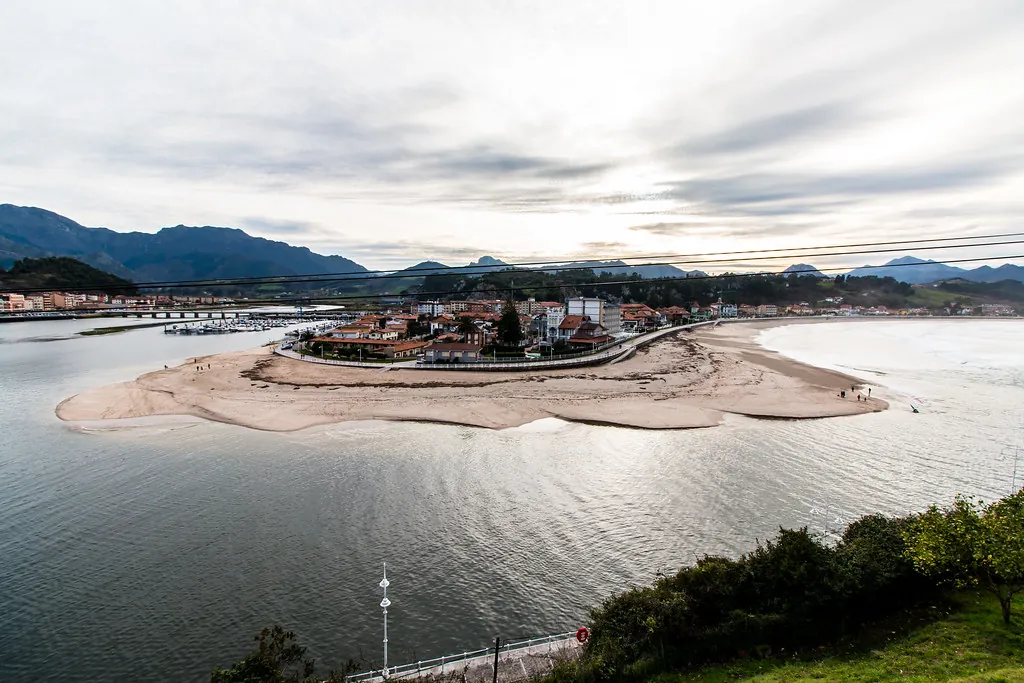
Llanes municipality stretches 30 kilometres along the coast and owns more than thirty named beaches. None of them behave the same way twice. Toró, the town beach, is wide yellow sand backed by a camper-van parking area that fills by 10am in August. Five kilometres west, tiny Gulpiyuri is landlocked; the tide pushes in through an underground cave, creating a salt-water pool the size of a tennis court. At high tide it's magical. At low tide it's a damp meadow with a puddle. Check tide tables before you set out, and prepare for a twenty-minute walk from the nearest lay-by.
Ballota and Andrín coves require steeper descents but reward with rock arches you can swim through when the sea is calm. When it isn't, the same swell powers the bufones—natural blowholes at Santiuste and Pría that hiss like angry kettles. They only perform with waves above two metres; on flat summer days you'll wonder why you drove. Come after an autumn storm and you'll understand.
The Senda Costera links many of these spots on foot. The full coastal path runs 50 kilometres to the village of Pendueles, but shorter sections make better sense. Try Llanes to Poo (4km, 90 minutes) for cliff-top meadows and a lunch stop at Bar La Higuera, where the tortilla comes with spider-crab filling. Wear proper shoes: some stretches cross cattle fields and the cows have right of way.
When the Mountains Muscle In
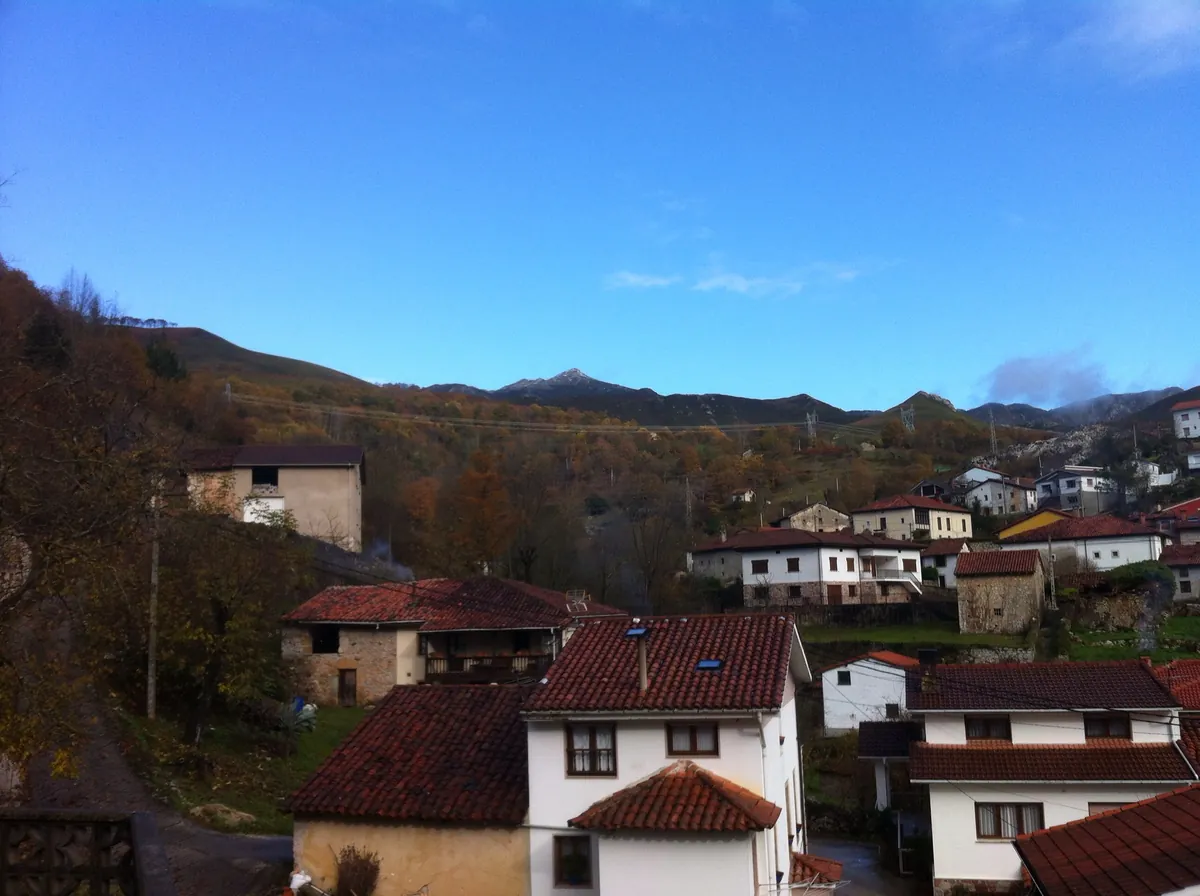
Behind the town, limestone peaks rise to 2,600 metres within 35 kilometres. The change in altitude means weather can flip in minutes: sea fog one moment, snow flurries on the horizon the next. Spring and early autumn give the most reliable combination of warm coastal days and clear mountain views.
You don't have to tackle the high stuff. The Cares Gorge trail is an hour's drive south, but gentler routes start within the municipality itself. The walk from Llanes to the hill village of Posada takes two hours on an old merchant track shaded by chestnut trees. At the top you can drink coffee in the 16th-century square and catch the hourly bus back down if legs protest.
Winter access is straightforward on the A-8 motorway—snow rarely settles below 400 metres—yet many rural hotels close from November to March. Prices halve, beaches empty, and the cider tastes the same. Bring a raincoat: this corner of Spain receives twice London's annual rainfall, delivered in short, theatrical bursts.
Eating What the Sea Left Behind
Menus depend on what boats land that morning. In April and May, it's sea anemones (ortiguillas) fried in batter; June brings tiny squid no bigger than your thumb. August is tuna season, October is spider-crab time. If something's unavailable, waiters simply say "no hay"—there's none—without apology. The honesty is refreshing.
A plate of rabas (fried squid strips) costs €8–10 and arrives curled like paper aeroplanes. Fabada, the Asturian bean and chorizo stew, weighs in at €12 and needs no side dish. Cider houses pour by the bottle (€3–4) whether you want 200ml or 700ml; tipping the glass away while the cider arcs in is compulsory theatre. British card payments work everywhere, but rural bars still prefer cash for rounds under €10.
Thursday is market day in the Plaza de Abastos. Local cheese makers sell Cabrales, the blue that matures in mountain caves; wrap it well unless your hire-car air-conditioning is industrial strength. One stall offers only tinned fish—sardines in lemon oil, mackerel with paprika—at prices that make John West weep.
Getting Here, Getting Round
Ryanair's morning flight from Stansted to Santander lands at 11:20 local time; Llanes is 90 minutes east on the toll-free A-8. Bilbao adds an extra 30 minutes of driving but offers more daily departures from Heathrow and Gatwick. FEVE narrow-gauge trains trundle along the coast from both airports—scenic, but the Santander–Llanes journey takes two hours and twenty minutes. Buy tickets on board with contactless; seat reservations don't exist.
Once here, park on the eastern edge of town where a new underground complex charges €1.40 per day and rarely fills. The old-town meters (€1.20/h, two-hour maximum) suit quick grocery runs only. August traffic backs up to the motorway roundabout; arriving after 2pm means a ten-minute queue just to enter town.
The Honest Verdict
Llanes delivers what the Costa del Sol can't: a working Spanish town where tourism supports rather than replaces the local economy. You can bag an entire cove in high summer, eat squid landed that morning, and still be back in time for a cathedral concert. The trade-off is weather that refuses to guarantee anything, and beaches that shrink dramatically when the tide returns. Bring layers, check tide charts, and don't expect the bufones to perform on demand. Treat it like a British seaside holiday with better food and you won't go wrong.