Full Article
about Nava
Cider capital
Hide article Read full article
Nava’s identity is inseparable from cider. The drink here is not a product but a process, part of the daily rhythm. In some local llagares, people still arrive in the morning with plastic containers to fill directly from the barrel. The subsequent ritual of pouring from height—a stream striking the rim of the glass—is performed with quiet seriousness. Pour it wrong and the sediment stays behind. Everyone at the table will notice.
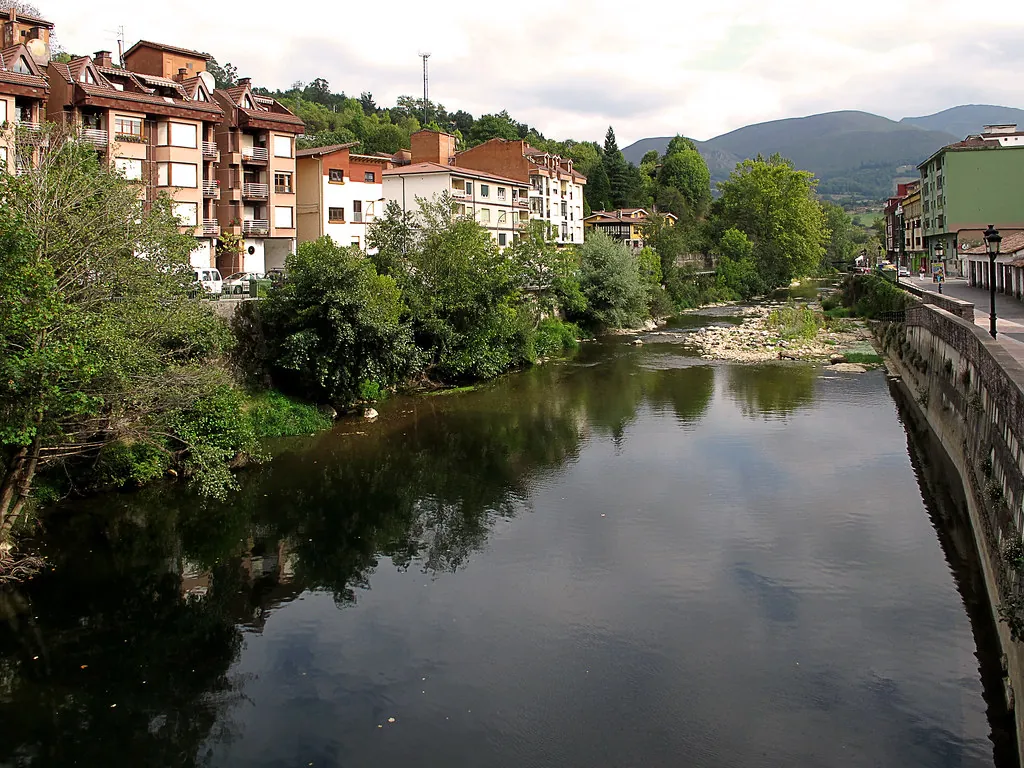
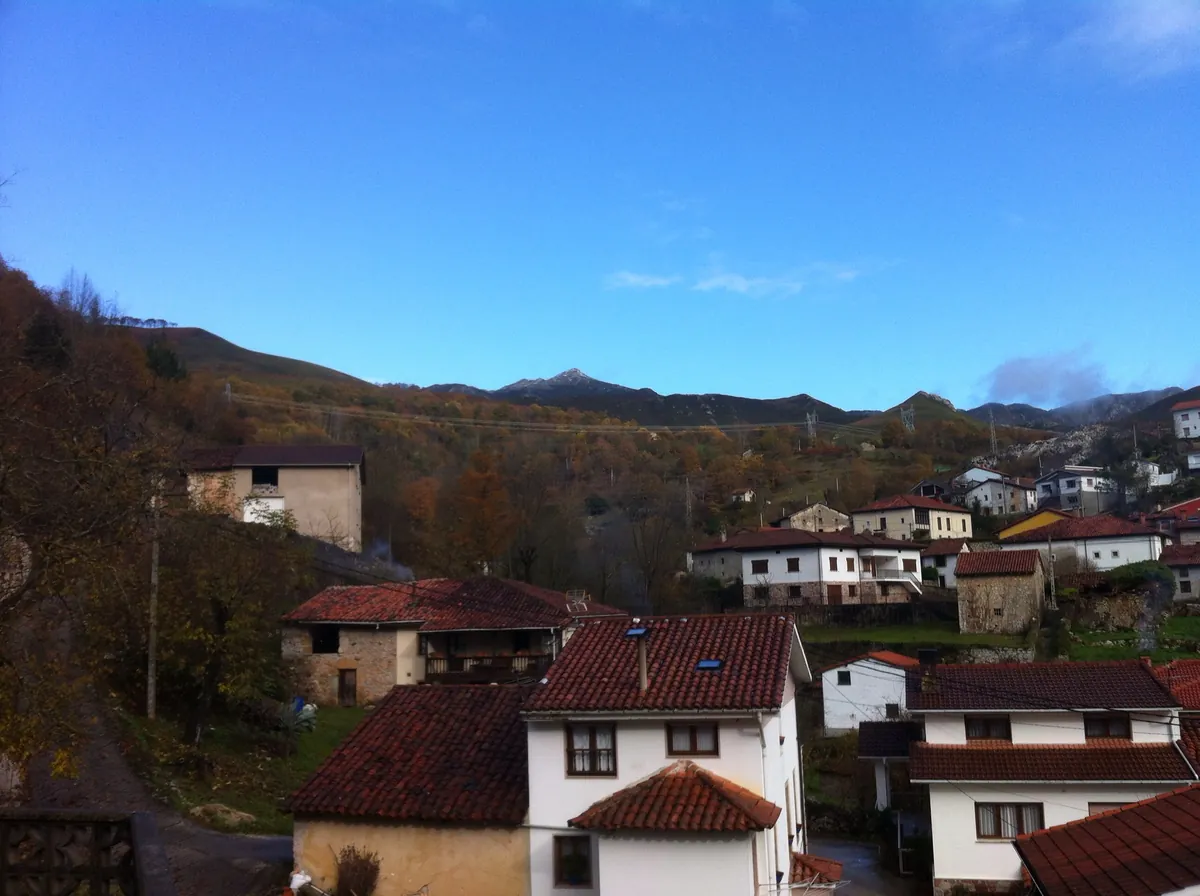
The town sits in central-eastern Asturias, between the coast and the mountains. It does not present itself as a showpiece. Tractors share the main road, cider tankers move through at working hours, and the centre feels practical. That honesty is part of its texture.
A medieval street plan that still dictates movement
Nava appears as an organised town in the Middle Ages. Its formal foundation is traditionally placed in the 13th century, when Alfonso X granted a carta puebla. This anchored a settlement already forming around the monastery of San Bartolomé, which served as both religious focus and agricultural hub for the area.
The layout of the old core still follows that logic. Streets are narrow and uneven, made for people on foot or with pack animals. They twist and narrow unexpectedly, then open into small spaces where daily life unfolds without ceremony.
On the main square stands the palace of the Ferrería. Its origins are medieval, though much of what you see reflects later alterations, a common fate for manor houses in inland Asturias. The Gothic doorway preserves the building’s earlier character most clearly; the rest adapted as needs changed. It is a reminder that Nava’s history has been practical rather than monumental.
A short walk leads to the site of the former monastery of San Bartolomé, now the parish church. The present structure owes much to later reforms, but the location retains its historical weight. This was one of the earliest nuclei of the council, and its presence explains why the town grew here.
Apples define the landscape
Nava is often considered the centre of Asturias’s so-called Cider Region. The valleys around the town are dotted with pomaradas, apple orchards that turn white in spring and hang heavy in autumn. These are working landscapes, not ornamental ones.
Asturian cider comes from a blend of apple varieties, balanced for acidity, sweetness and bitterness. Fermentation happens in wooden barrels or large tanks. The result is a low-alcohol drink, consumed young. It is flat and sharp, meant to be poured in small amounts and drunk immediately. Many families still buy their cider directly from the llagar for much of the year, keeping the connection between orchard, press and table direct.
The Museo de la Sidra de Asturias sits within the town and explains this process through traditional tools and machinery. It is less a technical display than a way to understand why cider is woven into daily routines. Visitors expecting a branding exercise will find something more grounded.
Cider shapes the food culture, though choices can feel limited if you are unfamiliar with the local repertoire. Dishes linked to the drink appear across the region, and mealtimes follow local habits. English is spoken unevenly, and menus are generally in Spanish. The atmosphere tends to be matter-of-fact. Joining in the pouring is part of the social code, splashes included.
When barrels take over the streets
In summer, the Festival of Cider takes over the centre. Producers gather, bagpipes sound, and barrels and improvised stands appear on the pavement. The mood leans towards local celebration rather than a performance for outsiders. Expect crowds during those days and plan accordingly. Accommodation in the wider area fills quickly.
Other festivities follow the rural and religious calendar. Around San Juan and during parish fiestas, traditional music and dances still appear in squares. These practices survive thanks to local groups who keep them going. The scale is modest, but the continuity matters.
Outside festival periods, Nava can feel quiet, especially in the afternoon. Shops close for several hours in the middle of the day, and Sundays are subdued. The pace suits those content to wander slowly or sit over a glass of cider while the day cools.
Gentle hills and working valleys
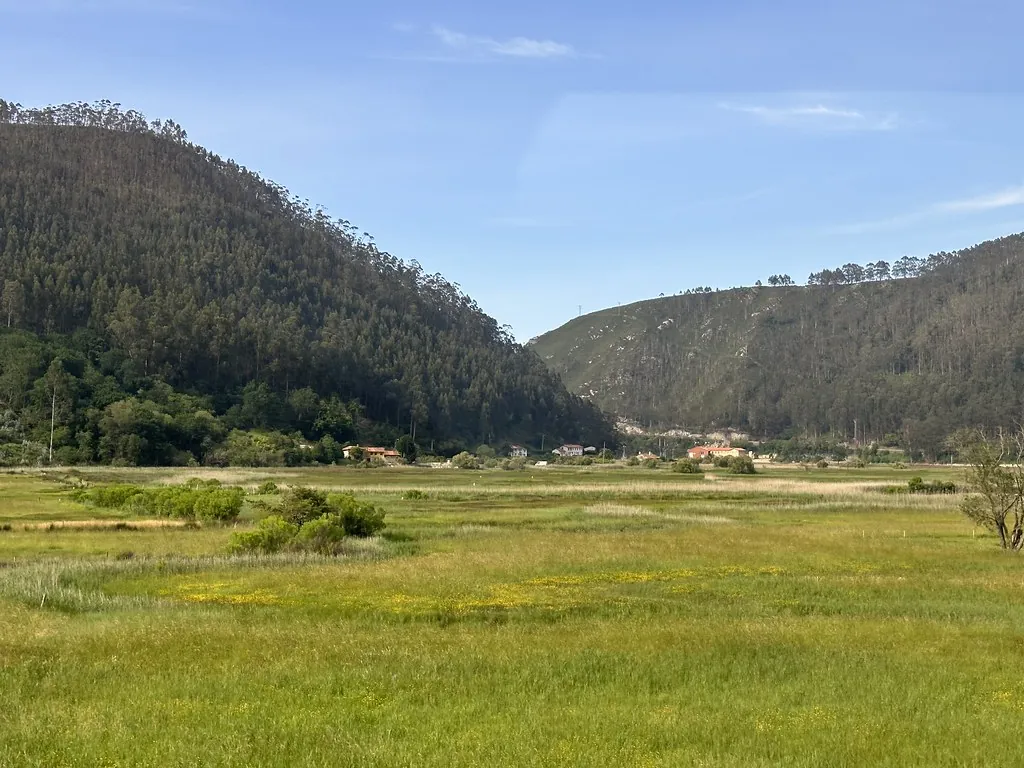
The landscape around Nava is gentle rather than dramatic. Low hills and meadows link one small settlement to another. Local paths run through orchards and chestnut groves, offering easy walking for anyone with decent footwear. The historic core sits on a slope; cobbles can turn slick in wet weather.
Some routes climb towards the Peñamayor range. From higher points on clear days, views open over the central valleys of Asturias. The sense is of layered countryside rather than a single landmark. Mobile signal can be patchy once away from the centre, and rural tracks invite unplanned detours.
Nava’s position between coast and mountains makes it a practical base for exploring either direction, though the town itself remains firmly agricultural in character. A car is the simplest way to reach it and to explore the surrounding villages and walking routes. Public transport exists but is limited, particularly in the evening.
Spring and autumn are especially rewarding. Blossom changes the colour of the valleys, and harvest brings visible activity. Summer afternoons can be warm, yet evenings cool quickly once the sun drops behind the hills. A light layer rarely goes amiss if staying out late.
A town that works for a living
Nava does not try to reinvent itself for visitors. Its identity rests on orchards, barrels and a medieval framework that still shapes how people move through the streets. The cider starts in the tree, passes through the press, and ends in a glass held high above a tiled floor.
For travellers from Britain, the adjustment lies less in logistics than in rhythm. Lunch arrives earlier than expected, afternoons fall quiet, and conversation gathers around a bottle poured a few centimetres at a time. The town can feel half rural, half industrial, with the sounds of agricultural work never far away.
Those willing to accept that everyday quality will find Nava straightforward and self-assured. It is a place where tradition is not staged. It simply carries on.