Full Article
about Onís
Home of Gamonéu cheese
Hide article Read full article
Onís, o cuando el mapa te dice una cosa y la carretera otra
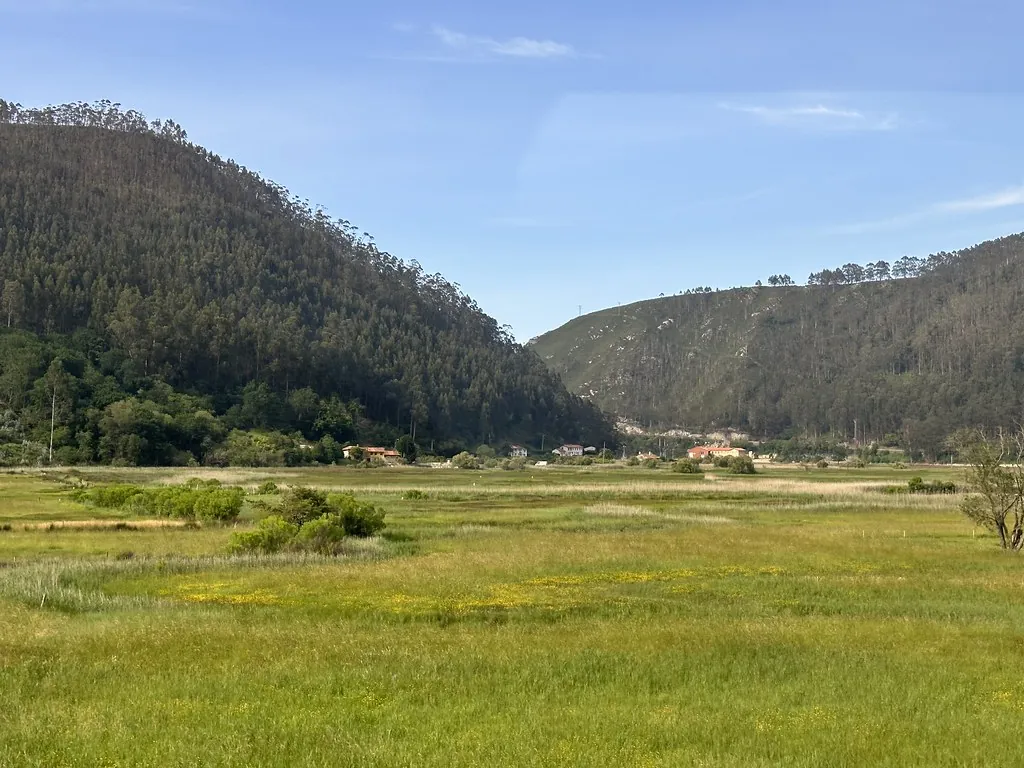
Hay sitios que visitas y sitios en los que, sin querer, terminas. Onís es de los segundos. Lo planeas como una parada rápida entre Cangas y los Picos, pero la carretera se pone serpenteante, el valle del Güeña se abre y de repente estás aparcando en Benia preguntándote dónde se te fue la prisa. Este concejo del oriente de Asturias tiene ese efecto: te baja las revoluciones.
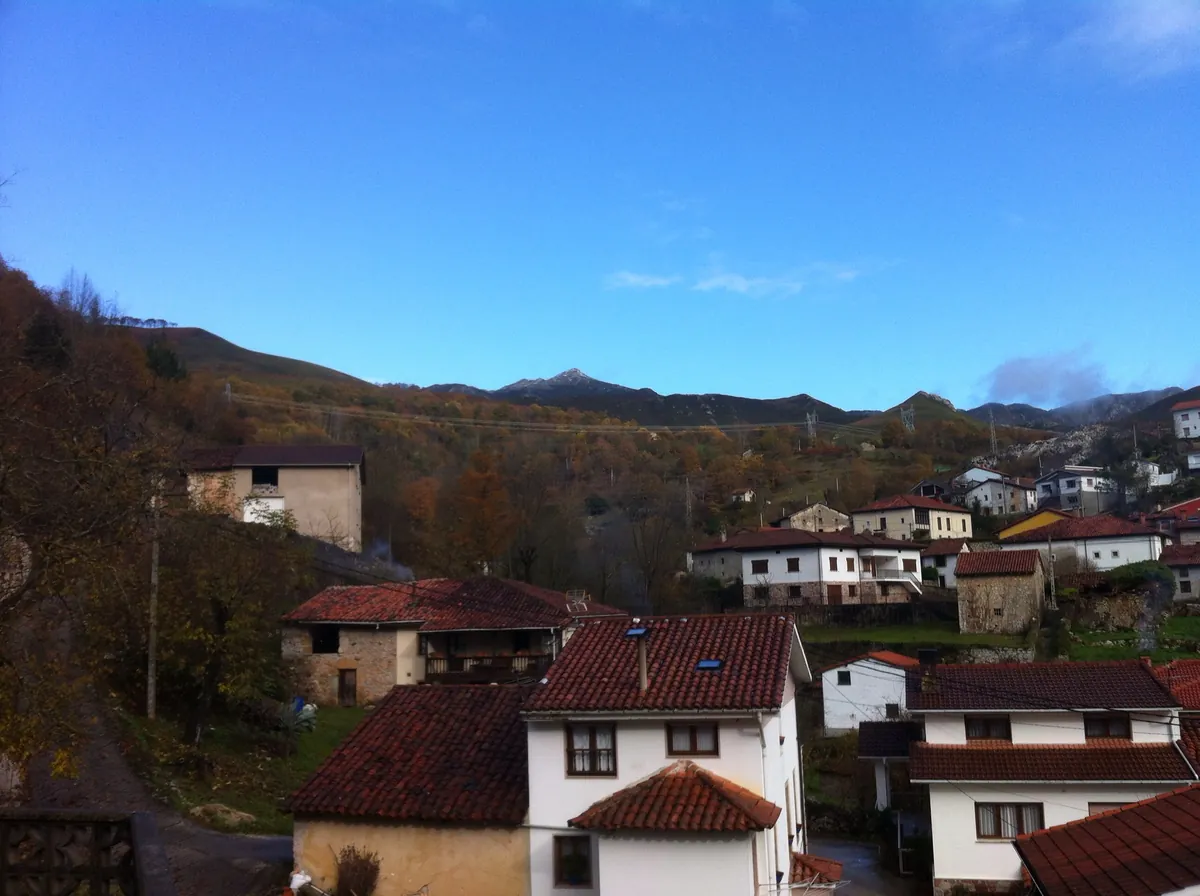
No es un lugar de postal forzada. Son prados delimitados con muros de piedra o alambre, casas desperdigadas por la ladera y hórreos que no están ahí para decorar, sino para guardar la cosecha. La gente vive aquí. Eso se nota.
Bobia: el viaje es la mitad del asunto
Todos te dirán que vayas a Bobia. Y hay que ir, pero sabiendo que lo mejor no es solo el pueblo. La carretera que sube desde Benia es estrecha y con curvas, de esas que te obligan a ir en segunda. A medida que ganas altura, la vista hacia los Picos de Europa se despeja. Cuando llegas arriba, a Bobia de Arriba, encuentras lo prometido: unas pocas casas de piedra, hórreos robustos y un silencio que solo rompe el viento o algún tractor a lo lejos.
No hay un mirador señalizado ni un panel informativo. El atractivo está en lo simple: ver cómo se ha construido un pueblo en una pendiente así, con los prados casi colgando de la montaña.
Andar sin rumbo (o con uno muy claro)
Aquí no hace falta seguir una ruta con nombre épico para caminar bien. Los caminos entre pueblos son la autopista local. Un sendero entre Benia y Sotuéllez, por ejemplo, te lleva por prados húmedos donde el barro es frecuente –lleva calzado que no te importe manchar– y bajo alguna mancha de castaños.
A veces ves corzos al amanecer en los prados más alejados. Otras veces no ves nada más que vacas. La gracia está en eso, en no saber qué te vas a encontrar salvo un paisaje que cambia poco a poco.
Si prefieres un trazado claro, hay caminos señalizados hacia Les Cabanes o siguiendo el río Güeña. Pero mi recomendación es preguntar a cualquiera que veas arreglando una valla o en su huerta. Te dirán algo como “por esa vereda llegas a…” con más precisión que cualquier app.
Comer como si trabajaras en el campo
La comida aquí es contundente. Se nota que históricamente ha sido combustible para jornadas largas: carne de vacuno criada aquí mismo, guisos lentos y quesos con peso. No es una gastronomía fina; es una gastronomía efectiva.
Después de comer así, lo natural es dar un paseo corto o quedarse un rato quieto al sol si hace bueno. No hay prisa por hacer la siguiente cosa porque probablemente no haya una siguiente cosa programada.
Lo que debes saber antes de venir
Olvídate del checklist turístico. Onís funciona si buscas desconectar durante unas horas y ver cómo funciona un concejo asturiano donde lo rural no es un decorado.
La primavera y el otoño son probablemente sus mejores momentos: todo verde y temperaturas suaves para caminar. El verano es tranquilo, aunque algunos valles pueden acumular más calor del que esperas en Asturias. En invierno, la nieve puede aparecer en las zonas altas y complicar el acceso a Bobia u otros pueblos –conviene consultar el estado de las carreteras antes de subir.
Llegar es sencillo: desde Cangas de Onís tomas la AS-114 y pronto verás los desvíos hacia Benia (la capital del concejo). El coche es casi imprescindible para moverte entre núcleos. Y un consejo: ignora los atajos que te sugiera el GPS por carreterillas locales si no conoces la zona; puedes terminar en una pista forestal sin querer.
En resumen
Onís no va a cambiarte la vida ni a ser el destino estrella de tu viaje por Asturias. Es más bien ese lugar al que llegas casi por inercia y donde pasan unas horas diferentes porque todo –el paisaje, las carreteras, el ritmo– te recuerda que estás en territorio de montaña verdadera, no de postal.
Vale la pena si aceptas sus reglas: ir sin prisa, mirar los detalles pequeños y no esperar grandes espectáculos. Es como visitar a un familiar mayor: las historias no están en lo monumental, sino en cómo cuenta su día a día