Full Article
about Parres
Canoeing capital
Ocultar artículo Leer artículo completo
The queue for canoes starts forming at half past eight. By nine, Arriondas feels like a different place—vans unloading buoyancy aids, teenagers hauling plastic barrels, the bridge echoing with instructions shouted in rapid Spanish. This is Parres in summer: a municipality that doesn't so much welcome visitors as absorb them into its daily rhythm of river, road and pasture.
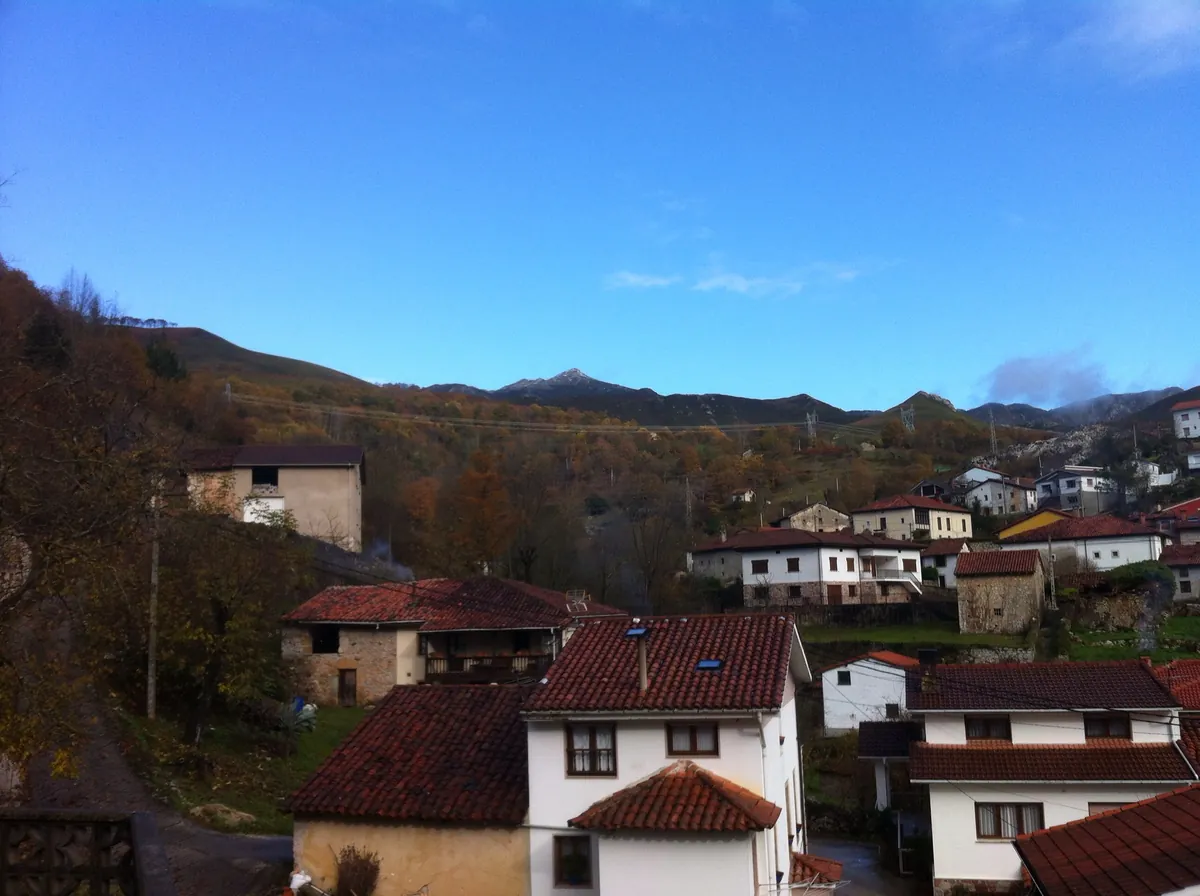
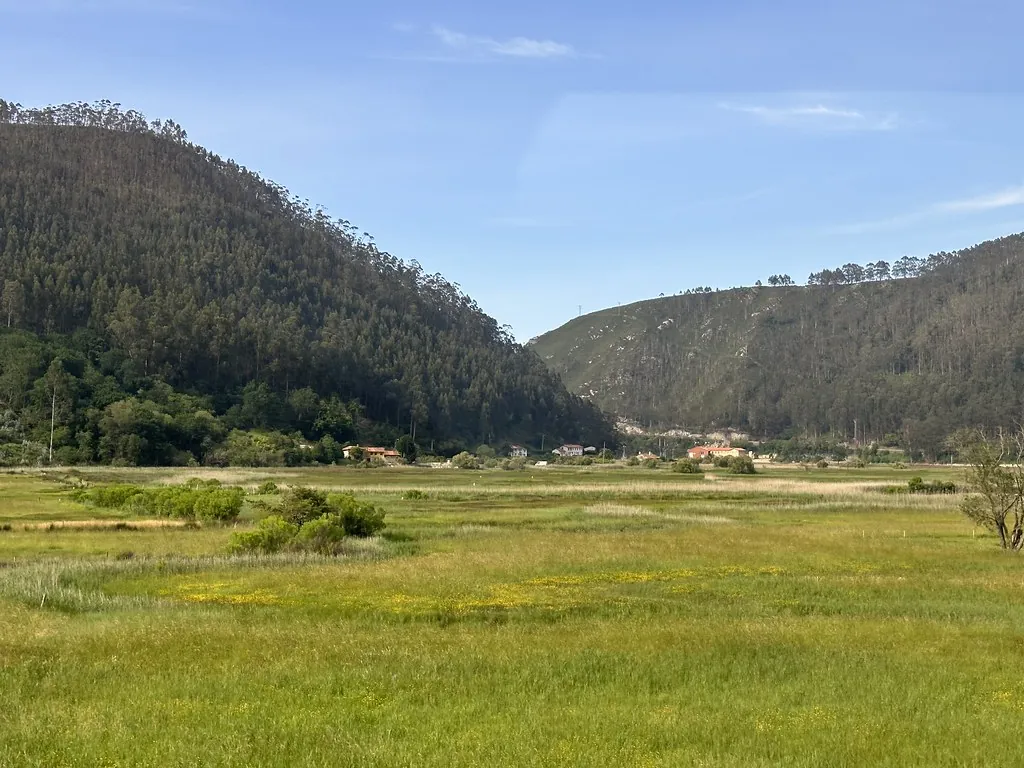
Parres stretches across the valley floor where the Sella bends towards the sea, twenty-five minutes' drive from the Picos de Europa and ten from the Cantabrian coast. There's no medieval quarter to tick off, no cathedral spire dominating skylines. Instead you'll find scattered parishes—Margolles, Naves, San Roman—connected by narrow lanes that snake between stone houses and hórreos raised on stiles like agricultural watchtowers. The council capital, Arriondas, functions less as a town than as a logistical hub: petrol station, pharmacy, Saturday market where farmers sell cabbages the size of footballs.
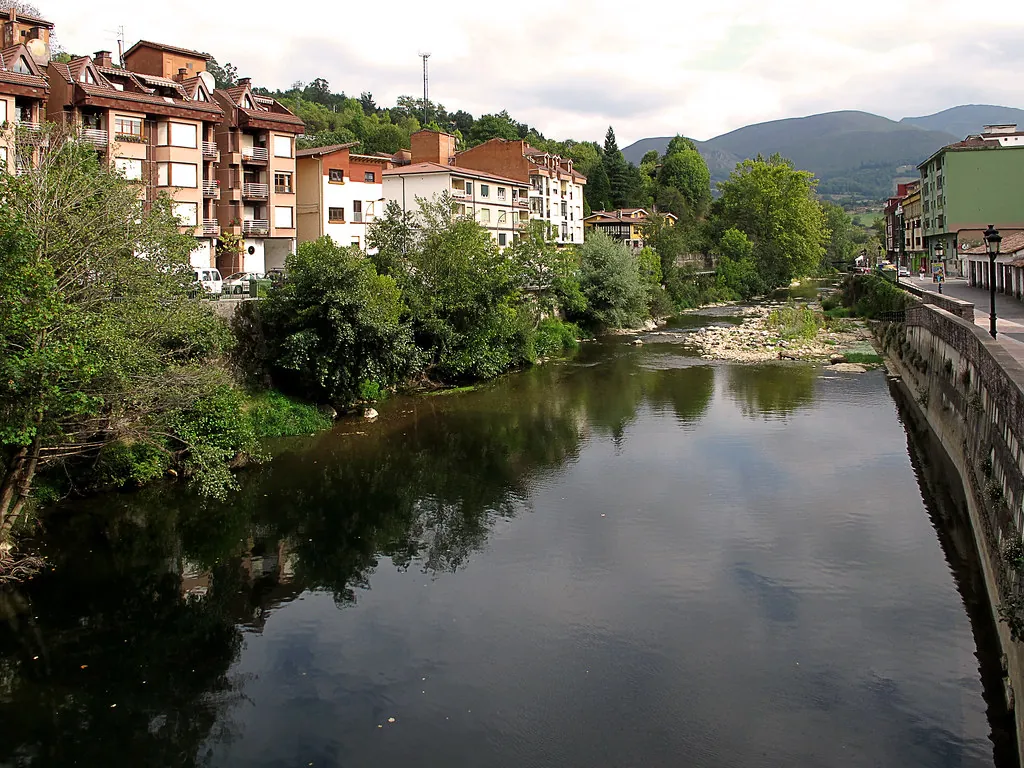
The relationship with water defines everything here. The Sella isn't picturesque backdrop; it's working infrastructure. Fishermen cast for salmon at dawn while canoe companies stack hundreds of fluorescent kayaks along the banks. During August's Descenso del Sella race, the river becomes a floating motorway—three thousand paddlers navigating the sixteen-kilometre run to Ribadesella, watched by families who've claimed riverside spots since breakfast. Outside competition days, the same stretch offers gentler entertainment: two-hour paddles through dappled woodland, kingfishers flashing azure overhead, water cool even when temperatures hit thirty in the valley.
Walk away from the river and Parres reveals its other identity. Meadows climb towards the Sierra del Sueve, where limestone ridges provide views across three provinces on clear days. The PR-AS-275 footpath from Arriondas gains six hundred metres in under three hours—steep enough to make British thighs protest, but manageable in trainers if the ground's dry. Spring brings wild garlic and early orchids; October turns the hillside bronze with chestnut husks. Mobile signal dies within minutes of leaving the road, so download offline maps before you set out.
The church at Margolles sits alone beside the AS-262, its sandstone walls weathered to honey-colour. Claims of ninth-century origins circulate online, though architectural historians suggest substantial medieval rebuilding. Either way, it's the sort of modest rural temple that British visitors often find more affecting than grander cathedrals—no admission charge, no audio guides, just the smell of incense and wax from recent services. Close the heavy door behind you and traffic noise drops to muffled thuds, like listening to the world through cotton wool.
Food here favours endurance over delicacy. Sidra arrives in green bottles accompanied by thin-rimmed glasses designed for theatrical pouring—arm extended overhead, liquid arcing through air to create the three-second froth considered essential for proper flavour. It looks like showmanship but serves practical purpose: aeration softens the naturally sharp apple bite. Order fabada and you'll receive a clay dish of white beans, morcilla and chorizo that could fuel a day's hiking. The local afuega'l pitu cheese varies from mild and crumbly to eye-wateringly acidic depending on ageing; taste before committing to a whole wheel.
British visitors expecting Cotswold levels of tourist infrastructure should recalibrate expectations. Arriondas has two small supermarkets, both closed Sunday afternoons. The nearest cash machine sits outside the BP garage—when it runs out of money on bank holidays, the next option is eight kilometres away in Cangas de Onís. Restaurants observe Spanish hours: lunch finishes at four, dinner rarely starts before nine. Turn up at seven expecting pub-grub availability and you'll find kitchens locked, staff enjoying their own family meals.
Access requires planning. ALSA buses connect Oviedo and Santander airports to Arriondas twice daily; journey time from Oviedo is ninety minutes, fare €8-12. Car hire transforms the experience—rural lanes become navigable, mountain routes to the Beyos gorge feasible rather than heroic. Driving times deceive: twenty kilometres on the C-6316 to Potes involves so many switchbacks that average speed rarely exceeds forty km/h. In winter, fog rolls up the valley reducing visibility to metres; snow isn't unknown above four hundred metres, though rarely settles long near the river.
Accommodation clusters in Arriondas rather than scattered hamlets. Options range from the functional Hotel La Pasera (doubles €65-85 depending on season) to rural casas rurales sleeping six at €120 nightly. August books solid by May; April and October offer better availability plus spring-green or chestnut-gold landscapes without summer crowds. Rain remains possible year-round—pack waterproofs even for July visits, when Atlantic weather systems can transform barbecue conditions into horizontal drizzle within an hour.
The honest assessment? Parres works brilliantly as a base for exploring eastern Asturias rather than as destination in itself. Stay three nights and you can paddle the Sella, walk Sueve's ridges, drive the Beyos gorge, still reach the Picos' Covadonga lakes for breakfast at the lakeside café. Treat it like a village-scale service station with added scenery and you'll leave satisfied. Expect Stratford-upon-Avon levels of curated heritage and you'll drive away disappointed, wondering why you bothered turning off the A-8.
That would miss the point entirely. Parres offers something increasingly rare in European travel: a working landscape that continues regardless of visitor numbers. Fishermen mend nets while canoeists drift past; farmers herd cattle across roads that double as droveways; grandmothers beat rugs from first-floor balconies as you search for non-existent street parking. It's Spain functioning at Spanish pace, indifferent to Instagram moments or TripAdvisor ratings. Turn up with realistic expectations—and a decent phrasebook—and the valley rewards you with the kind of authentic experience that marketing departments spend millions trying to fake.