Full Article
about Peñamellera Alta
Heart of the Picos
Ocultar artículo Leer artículo completo
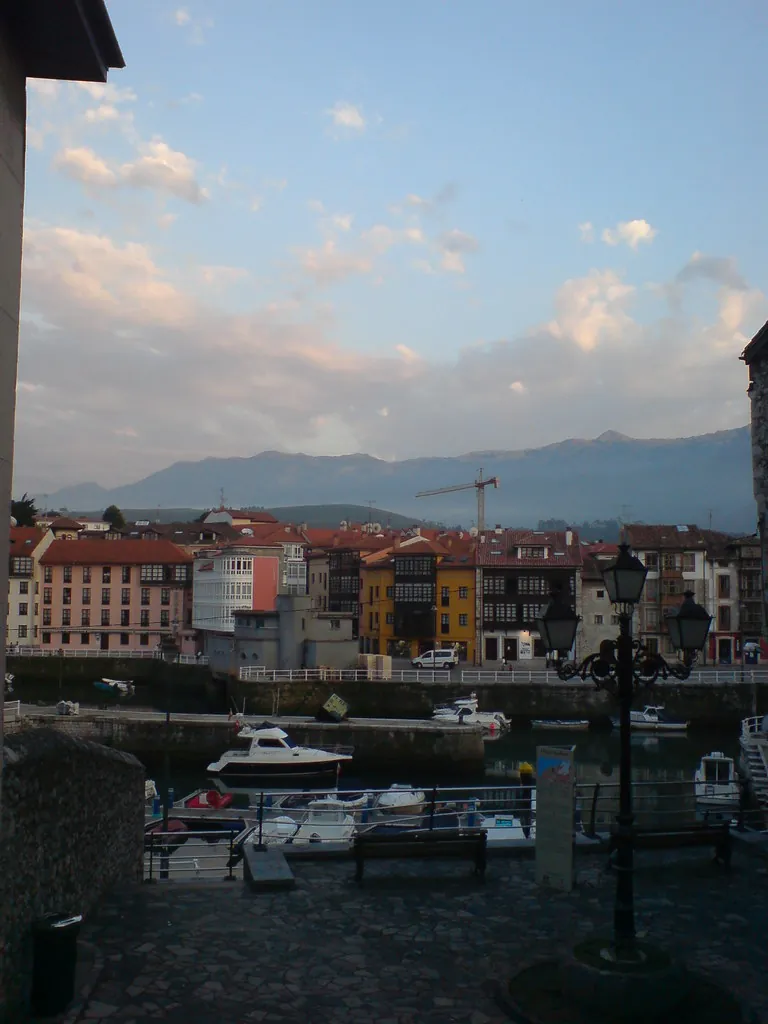
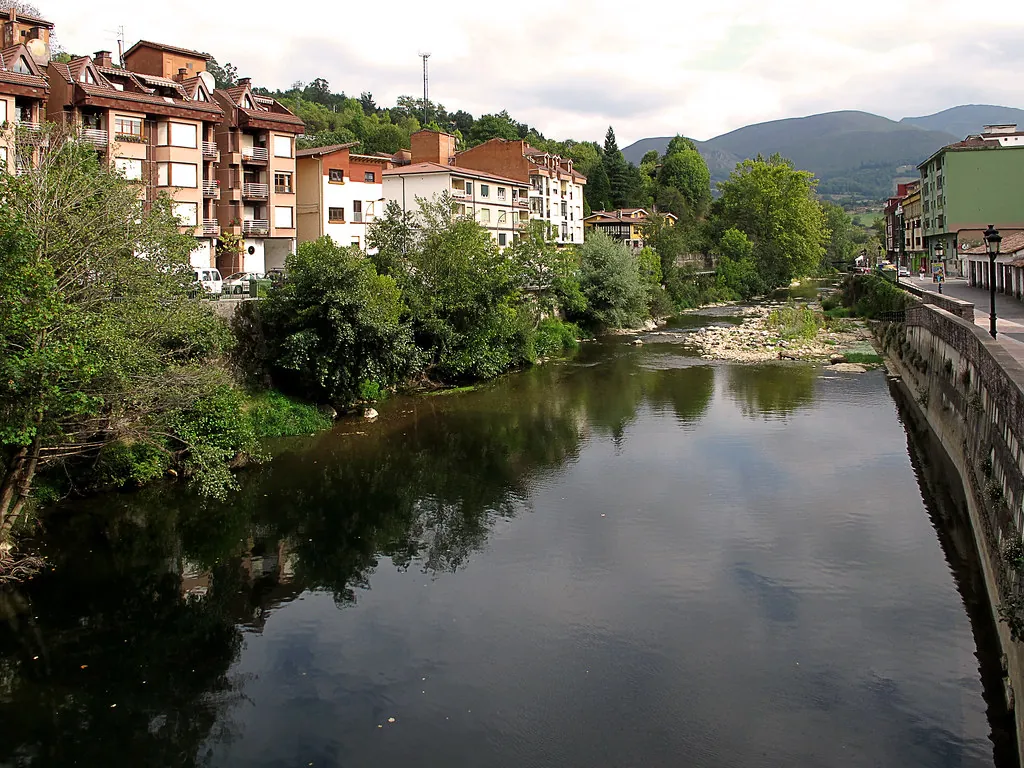
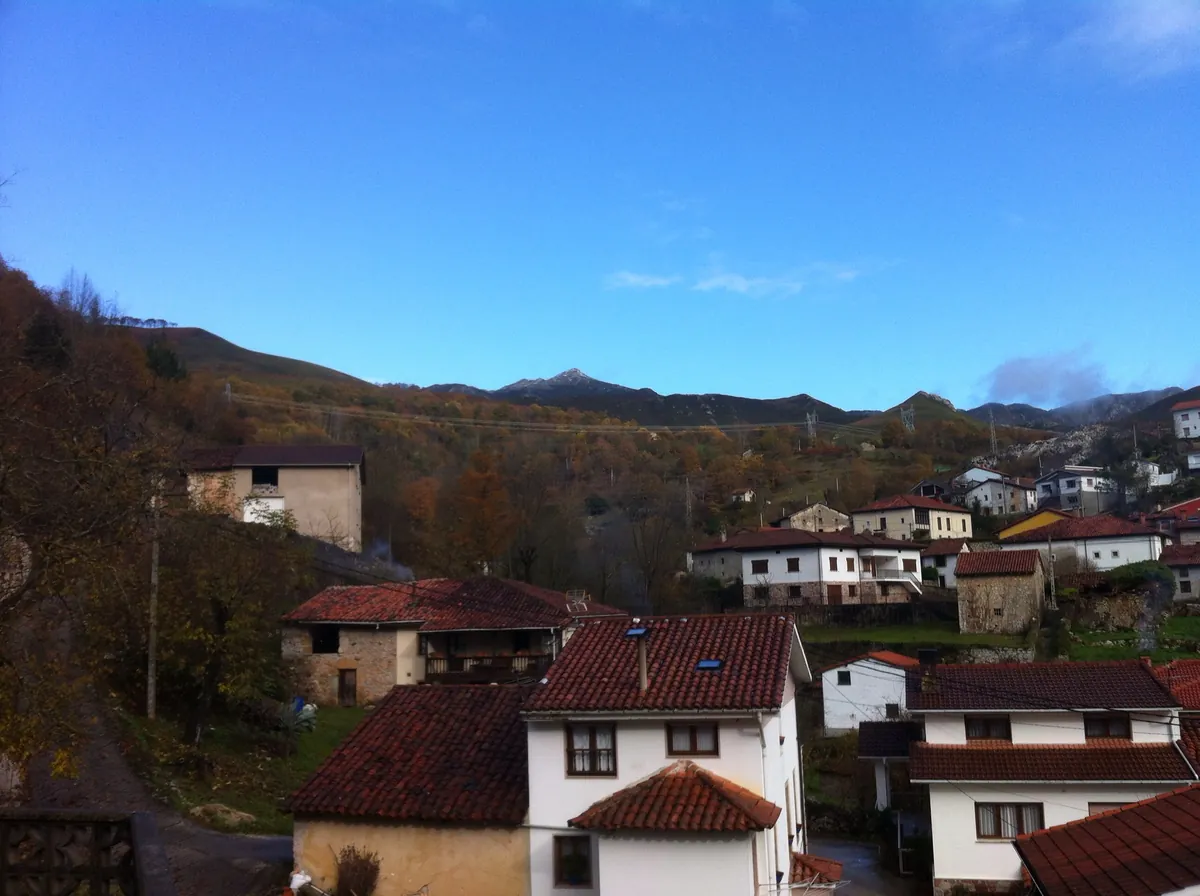
The first thing you notice is the absence of coach parks. No ticket kiosks, no multilingual signage, no queue for the loo. Just limestone walls, the smell of damp fern and a farmer easing cattle through a wooden gate that looks older than the M6. Penamellera Alta doesn’t greet visitors so much as let them eavesdrop on an ordinary Tuesday in the Cantabrian foothills.
This is the eastern gateway to the Picos de Europa, though “gateway” flatters the infrastructure. A single wriggling road, the AS-264, threads the valley floor, climbing so often that 20 km can eat an hour. The council capital, Alles, amounts to two streets, a honey museum and a bar that opens when the owner hears tyres on gravel. Order a cortado and you’ll get change from a euro note; ask for soya milk and you’ll get a shrug.
What the map doesn’t admit
Open Google Maps and the villages look like confetti: Llonín, Cáraves, Hoz, Bedul. Drive between them and you realise the scale is Scottish, not Home-Counties. Hills fold in on themselves, narrow lanes switch-back above beech woods, and every stone barn seems to hover on the edge of its own micro-climate. A distance that measures five finger-widths on screen can take forty minutes once you’ve slowed for cows, negotiated a single-track bridge and waited for the farmer to finish moving his milk churns.
That slowness is the point. Penamellera Alta has never been on the way to anywhere important; even the Romans gave the upland a miss. The modern economy is grass, timber and a trickle of salmon permits. Tourism exists, but it’s the self-propelled sort: hikers tracing the Cares tributaries, cyclists ticking off 1,200-metre passes, canoeists paddling down from the Beyos gorge (technically next-door Ponga, but who’s checking).
Walking without the postcards
Forget way-marked circuits every 500 m. Footpaths here are still working infrastructure: concrete strips laid for ox-carts, gravel tracks that double as firebreaks. The PR-AS-220 from Alles to Pandenes is a good taster: 6 km, 250 m of ascent, two hours if you dawdle at the river pools. You’ll pass hórreos (raised grain stores) on stone stilts, meadows loud with cowbells and the occasional panel explaining how local honey bees ignore the rules and produce heather honey in July.
Serious walkers can keep going east onto the limestone plateau; the route to Jitu escarpment is marked only by cairns and the odd paint splash. In wet weather the rock turns greasy; come armed with tread, not trainers. Winter walkers should note that shadowed gullies hold snow well into April and the road over the San Glorio pass (the only link south) shuts at the first serious forecast.
Food that doesn’t travel
The council’s restaurants fit on one hand. Casa Cachón in Camarmeña does a fixed lunch menu – bean stew, grilled veal, rice pudding – for €14. They’ll pour cider the traditional way, arm aloft, but ask for a glass of house red if you don’t fancy sticky shoes. Vegetarians survive on tortilla and the region’s answer to cheddar, the innocuously mild ‘afuega’l pitu’. Carnivores should try ternera asturiana: pale, almost Cornish-pastry pink, slow-cooked until it cuts with a glance.
Markets move daily: Panes on Wednesday, Llanes on Friday. Stock up before you reach the valley; the only shop in Alles shuts for siesta at 13:30 and reopens “around five, maybe”. Bring cash – many bars still treat chip-and-pin as urban rumour.
When to bother turning up
April–June is the sweet spot: meadows fluorescent with orchids, rivers high enough to echo through the valley, temperatures in the high teens at midday. September repeats the trick with added blackberries lining the lanes. July and August are warm but not Mediterranean; expect 24 °C in shade, 12 °C after dark. Spanish families descend on nearby Potes and the coast, so inland roads stay quiet. Rain can gate-crash any month – Asturias is greener than Wales for a reason – but showers arrive vertically and blow over quickly. Snow is brief below 900 m, so unless you’re set on winter ridge-walking a fleece and a pac-a-mac usually suffice.
The honesty section
Mobile signal flickers from “one bar” to “Edwardian”. Accommodation is scarce: a clutch of rural casas rurales, the odd mill conversion, one two-star hotel that closes January-February. If you want nightlife beyond Saturday-night cider, base yourself on the coast and day-trip. The cave of Llonín, UNESCO-listed for prehistoric art, is closed to protect the paintings – worth knowing before you promise the children stalactites.
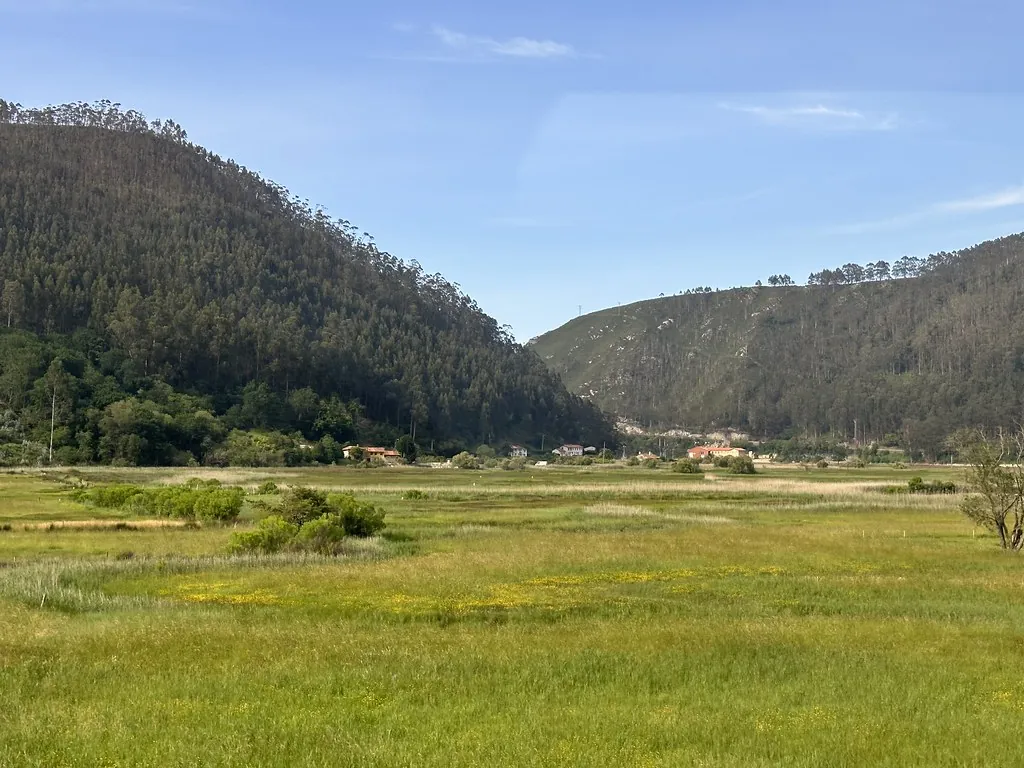
And the scenery, while handsome, lacks the instant wow of the Cares gorge or the Covadonga lakes. Instead you get intimacy: a vulture drifting above the beech canopy, the sudden roar of the Cares when the road dips towards the river, villagers who nod first, chat second. If your Instagram feed demands turquoise water and Moorish palaces, stay south. Penamellera Alta rewards patience more than pixels.
Getting here without the grief
Fly Santander with Ryanair (Stansted, Manchester, Edinburgh) or Asturias-Oviedo with EasyJet (Stansted, Gatwick). Hire cars queue outside both terminals; ignore the hard sell on sat-nav – offline maps work once you leave the A-8. From Santander it’s 110 km, last 40 on the AS-114 that threads the Sella gorge. Petrol stations thin out after Arriondas; fill up. There is no railway; buses from Oviedo reach Panes twice daily but skip the upper valley on Sundays.
Leave the Costa plans for another trip. Bring walking boots, a debit card that doesn’t charge abroad and an expectation that mileage will be meaningless. Do that, and Penamellera Alta gives you what the brochure villages lost twenty years ago: Spain happening while you happen to be there.